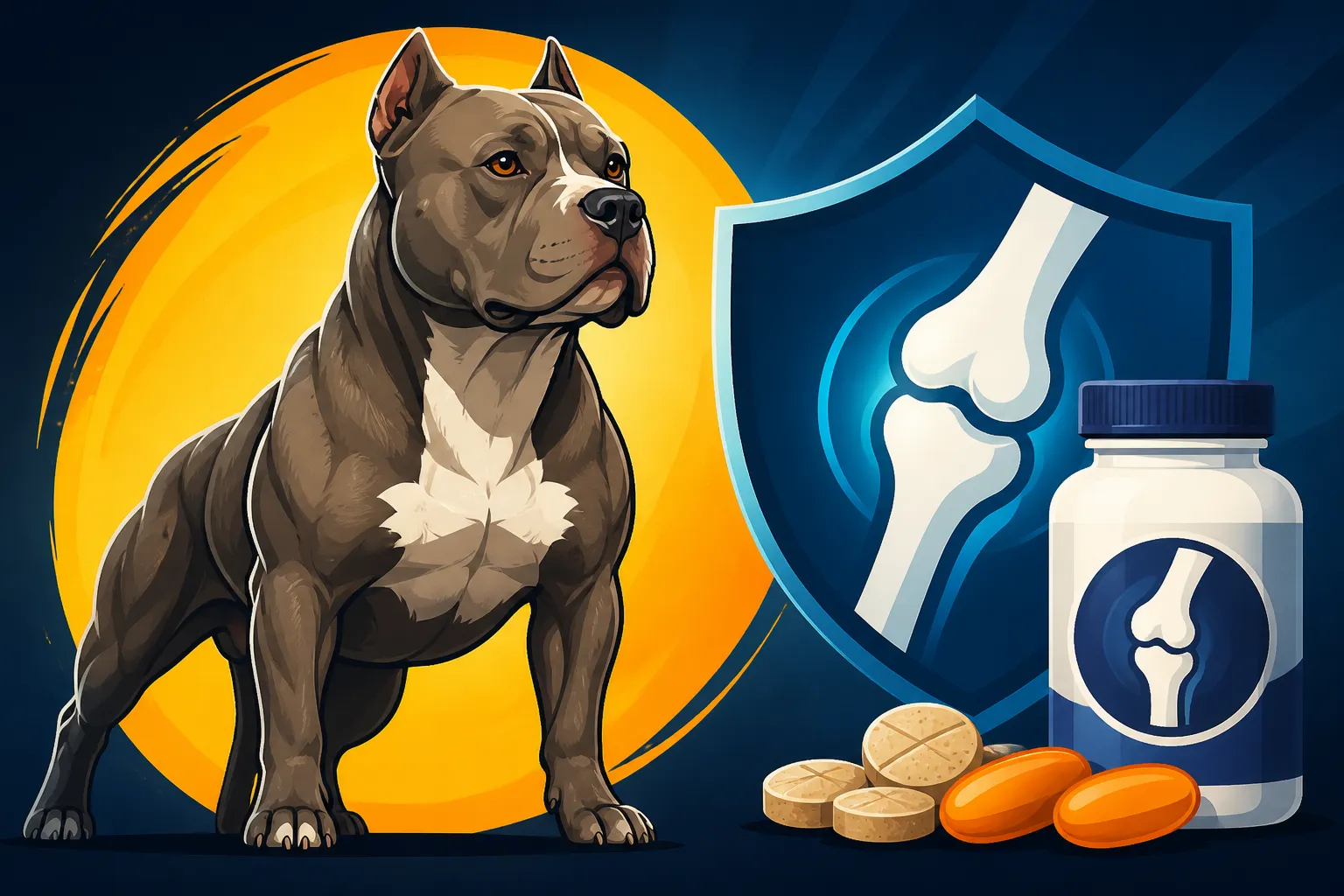
Joint Supplements for a Muscular Pit Bull
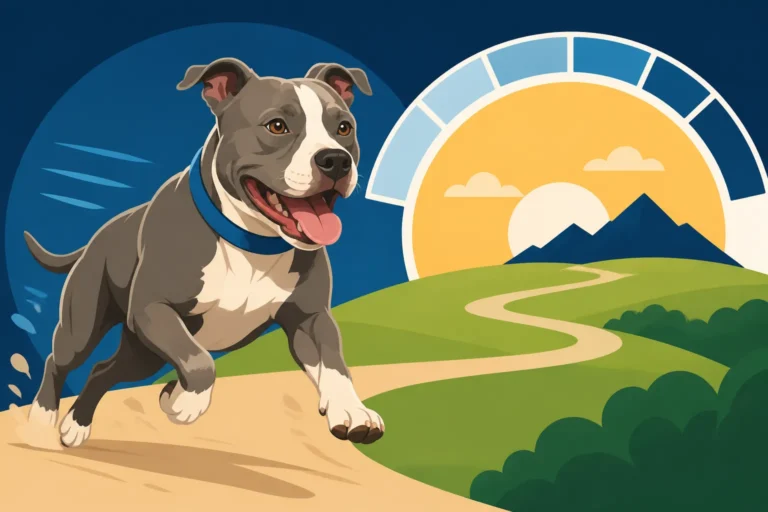
It’s a common worry for Pit Bull owners: how do you keep such a powerful, muscular dog moving comfortably for years, especially as they age? Their athletic build, while impressive, can put extra strain on their joints, leading to concerns about conditions like arthritis and hip dysplasia. This guide will walk you through understanding why joint support is crucial for your Pit Bull and how to choose effective supplements to help maintain their mobility and comfort throughout their life.
Why Your Muscular Pit Bull Needs Dedicated Joint Support
Pit Bulls are undeniably impressive dogs, known for their strong, compact, and often heavily muscled frames. This powerful physique is part of what makes them such beloved companions and capable athletes. However, this very musculature, combined with their active nature, can put a unique strain on their joints over time. It's not just about weight, but about the forces generated during play, running, and even just getting up and down.
Think about the sheer power a Pit Bull can exert when they launch themselves after a ball or engage in a vigorous game of tug-of-war. That force has to go somewhere, and a significant portion of it is absorbed by their joints – specifically their hips, elbows, and knees. Over years of this high-impact activity, the cartilage that cushions these joints can begin to wear down. This isn't a sudden event; it's a gradual process, but one that can lead to discomfort, stiffness, and eventually conditions like osteoarthritis. Understanding this inherent predisposition is the first step in proactive care.
Furthermore, some Pit Bulls, like many larger, athletic breeds, can be genetically predisposed to conditions such as hip and elbow dysplasia. These are developmental abnormalities where the joints don't form correctly, leading to instability and accelerated wear and tear. Even if your Pit Bull shows no signs now, the underlying structure might be silently set for future issues. This makes early and consistent joint support all the more vital. Pit Bull Hip Dysplasia Showing at One to Two Years discusses how these early signs might manifest, highlighting the importance of preventative measures.
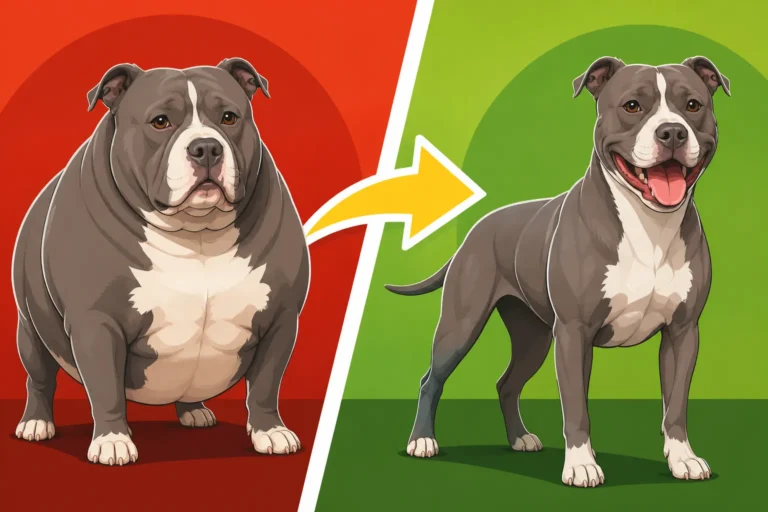
Beyond genetics, everyday life contributes. A Pit Bull that loves to zoom around the yard, jump off the couch, or pull hard on the leash during walks is constantly challenging its joint integrity. Even something as simple as gaining a little too much weight can drastically increase the load on those joints, accelerating wear. How Weight Multiplies the Load on Pit Bull Joints delves into this impact, showing how important it is to maintain a lean body condition alongside providing joint support. This proactive approach isn't about fixing a problem once it starts, but about delaying or lessening its severity.
Decoding Joint Supplements: Key Ingredients That Make a Difference
Navigating the world of joint supplements can feel overwhelming, with countless brands and ingredient lists to decipher. However, most effective joint supplements for dogs, including powerful Pit Bulls, rely on a core set of ingredients proven to support cartilage health and reduce inflammation. Knowing what these ingredients are and how they work can help you make an informed choice for your furry friend.
Glucosamine and Chondroitin
These two ingredients often go hand-in-hand in joint formulations, and for good reason. Glucosamine is an amino sugar that plays a crucial role in forming and repairing cartilage, the connective tissue that cushions your Pit Bull's joints. It acts as a building block for new cartilage, helping to keep it thick and resilient. Think of it as supplying the raw materials for maintaining joint health, much like providing good quality protein helps build muscle.
Chondroitin sulfate, on the other hand, is a major component of cartilage that gives it elasticity and helps it resist compression. It works by inhibiting enzymes that break down cartilage and by attracting water into the joint, which is vital for lubrication and nutrient absorption within the joint capsule. Together, glucosamine and chondroitin offer a synergistic effect, working to both build and protect the precious cartilage in your Pit Bull's hardworking joints. Many high-quality dog food brands, and even fresh food services like Ollie, are now incorporating joint-supporting ingredients like these, but often in lower concentrations than a dedicated supplement.
MSM and Omega-3 Fatty Acids
Methylsulfonylmethane, or MSM, is another common ingredient that provides sulfur, a vital component of connective tissue. It’s primarily included for its anti-inflammatory and pain-relieving properties. When joints become inflamed, it can lead to pain and further degradation of cartilage. MSM helps to calm this inflammation, potentially reducing discomfort and making your Pit Bull feel more comfortable during movement. While it doesn't rebuild cartilage in the same way glucosamine does, it creates a more hospitable environment for joint health.
Omega-3 fatty acids, particularly EPA (eicosapentaenoic acid) and DHA (docosahexaenoic acid), are powerful natural anti-inflammatories. Sourced typically from fish oil, these fatty acids can significantly reduce systemic inflammation throughout the body, including in the joints. For a Pit Bull struggling with stiffness or early signs of arthritis, the anti-inflammatory action of omega-3s can be incredibly beneficial. They won't repair cartilage, but they can dramatically improve comfort and slow down the progression of degenerative joint disease. You can often find a wide variety of these supplements on platforms like Chewy or Amazon, making it easy to compare options and read reviews.
Here’s a quick overview of these key ingredients:
| Ingredient | Primary Benefit | How it Works |
|---|---|---|
| Glucosamine | Cartilage repair and formation | Provides building blocks for cartilage, supports its regeneration |
| Chondroitin Sulfate | Cartilage protection and elasticity | Inhibits cartilage-destroying enzymes, draws water for lubrication |
| MSM | Anti-inflammatory, pain relief | Provides sulfur for connective tissue, reduces inflammation and discomfort |
| Omega-3 Fatty Acids | Anti-inflammatory, joint lubrication, overall health | Reduces systemic inflammation, supports joint health and mobility |
When and How to Introduce Joint Supplements to Your Pit Bull's Routine
Deciding when to start joint supplements for your muscular Pit Bull and how to best administer them are common questions. There's no single "right" answer for every dog, but general guidelines can help you make the best choice for your individual companion. Proactive care often yields the best long-term results, especially for breeds known for their athleticism and potential joint predispositions.
Starting Age and Proactive Use
For many breeds with a predisposition to joint issues, veterinarians often recommend starting joint supplements proactively, sometimes as early as puppyhood, or certainly before any signs of stiffness appear. For a Pit Bull, given their robust build and active lifestyle, starting a high-quality joint supplement around 1-2 years of age, or once they've finished their main growth, is a sensible approach. This isn't about treating an existing problem, but about providing ongoing support to the developing and mature cartilage, reducing wear and tear before it becomes significant.
If your Pit Bull is already past that age and you haven't started supplements, it's never too late! Even older dogs can benefit from joint support, though the goal might shift from prevention to managing existing discomfort and slowing further progression. If your Pit Bull is already showing signs like stiffness after rest, reluctance to jump, or a change in gait, then starting supplements is even more critical. Arthritis in a Pit Bull at Seven explores how joint issues can manifest in middle-aged dogs, underscoring the benefits of early intervention.
Choosing the Right Form and Dosage
Joint supplements come in a variety of forms: chewable tablets, soft chews, powders, and even liquid formulations. The "best" form is usually the one your Pit Bull will readily take! Soft chews are often highly palatable and can be given like a treat, making daily administration easy. Powders can be sprinkled over food, which is great for picky eaters, while liquid forms can be mixed into meals. Whichever you choose, consistency is key; these supplements work best when given regularly, as directed.
Dosage is critically important. Always follow the manufacturer's recommendations based on your dog's weight. Don't assume more is better, as excessive amounts could potentially lead to digestive upset. When starting any new supplement, it's wise to introduce it gradually over a few days to allow your Pit Bull's digestive system to adjust. If you notice any adverse reactions, discontinue use and consult your veterinarian. For Pit Bulls with significant muscle mass, it's also important to ensure the dose is appropriate for their actual weight, not just an average for their breed. You can find a vast selection of these products, often with detailed sizing and dosage charts, on reputable online retailers like Amazon or Chewy.
Beyond Supplements: A Holistic Approach to Pit Bull Joint Health
While joint supplements are a fantastic tool in your Pit Bull's wellness arsenal, they are most effective when integrated into a comprehensive, holistic care plan. Think of supplements as one piece of a larger puzzle, all working together to support your dog's joint health, mobility, and overall quality of life. This holistic approach includes thoughtful nutrition, appropriate exercise, and regular veterinary check-ups.
The Role of Diet and Weight Management
What goes into your Pit Bull’s bowl has a profound impact on their joints. Maintaining a healthy, lean body weight is arguably the single most important factor in preventing and managing joint disease. Every extra pound your Pit Bull carries puts additional stress on their hips, knees, and elbows. This added strain can accelerate cartilage breakdown and exacerbate conditions like arthritis. Pit Bull Obesity and Joint Strain offers more insights into the challenges of keeping a muscular breed at an ideal weight.
Choosing a high-quality diet that provides balanced nutrition is also vital. Some dog foods are fortified with joint-supporting ingredients, which can be a good foundational step. If your Pit Bull has known joint issues, your vet might even recommend a prescription joint diet. Beyond that, controlling portion sizes, avoiding excessive treats, and ensuring your dog gets appropriate calories for their activity level are crucial. Regularly assessing your Pit Bull's body condition – feeling for their ribs and observing their waistline – will help you stay on track. This vigilant approach to feeding, as detailed in articles like Feeding a Pit Bull to Keep Muscle Without Fat, helps keep their powerful frame supported without unnecessary strain.
Smart Exercise and Physical Conditioning
A muscular Pit Bull needs exercise, that's for sure! But how they exercise can make a big difference to their joint health. While high-impact activities like intense jumping or sudden stops can be fun, they can also contribute to wear and tear. Instead, focus on controlled, moderate exercise that builds muscle strength and flexibility without excessive joint jarring. Long, steady walks, swimming, or even leash-controlled trail hiking are excellent options.
Building strong muscles around the joints provides natural support and stability. This means consistent, appropriate exercise is key. Consider activities like incline walking or controlled retrieving on soft surfaces. Avoid overexertion, especially in young, still-growing Pit Bulls, whose growth plates are not yet fully closed. The Daily Exercise a Pit Bull Actually Needs offers more guidance on tailoring an exercise regimen. For older Pit Bulls or those with diagnosed joint issues, consulting with a veterinary physical therapist for a tailored exercise plan can be incredibly beneficial, ensuring movements are therapeutic rather than damaging. Getting a Pit Bull Back Into Condition highlights safe ways to reintroduce or adjust exercise.
Regular Veterinary Oversight
Even with the best diet, exercise, and supplements, regular veterinary check-ups remain essential for monitoring your Pit Bull’s joint health. Your vet can assess their gait, palpate their joints, and recommend diagnostic imaging like X-rays if concerns arise. They can also help you tailor your supplement choices, adjusting dosages or recommending specific formulations based on your Pit Bull's age, activity level, and any developing conditions.
Early detection of joint issues allows for quicker intervention, whether that means adjusting supplements, exploring anti-inflammatory medications, or considering other therapies like laser therapy or acupuncture. As your Pit Bull ages, these check-ups become even more crucial. How Often a Ten Year Old Pit Bull Needs Checking reinforces the importance of consistent veterinary care in their senior years. Your veterinarian is your primary partner in ensuring your muscular Pit Bull enjoys a long, comfortable, and mobile life.
Disclaimer
This article is for general informational purposes only and does not constitute professional advice. Laws, prices and regulations vary by location and change over time. Consult a qualified professional for guidance on your specific situation.