Feeding a Pit Bull on Long-Term Allergy Medication
It’s incredibly frustrating when your beloved Pit Bull is dealing with persistent allergies, and even more so when you’ve reached the point of long-term medication. You might feel like you're constantly juggling appointments, prescriptions, and trying to figure out if what you're putting in their bowl is actually helping or hindering their progress. This guide is here to walk you through how to approach feeding your Pit Bull when they are on long-term allergy medication, ensuring their diet complements their treatment and supports their overall well-being.
Understanding the Interplay Between Diet and Allergy Medication
When your Pit Bull is on long-term allergy medication, it means you're already tackling an underlying issue that causes their discomfort, whether it's environmental allergies, flea allergy dermatitis, or something else. The medication is doing a heavy lift, managing the symptoms, but diet still plays a crucial role. It's not just about avoiding triggers; it's about providing foundational support for their immune system and skin health, which are often compromised by allergies.
How Medication Changes Dietary Considerations
Firstly, some allergy medications can have side effects that directly impact digestion or appetite. For example, certain steroids can increase hunger and thirst, potentially leading to weight gain if not carefully managed through diet. Other medications might cause mild stomach upset initially. This means the food you choose needs to be highly palatable and easy to digest, so you don't inadvertently exacerbate any digestive sensitivities. It's a balancing act: you want effective nutrition without adding stress to their system, especially when their body is already working hard to cope with allergens and medication.
Beyond immediate side effects, long-term medication often means your Pit Bull's immune system is being modulated. A well-chosen diet can help support this system, providing essential nutrients that aid in skin barrier repair and reduce inflammation. Think of it as a team effort: the medication handles the acute problem, and the diet provides the robust foundation that helps the medication work more effectively and keeps your dog feeling good in the long run. Ignoring the diet component can make the medication less effective or lead to new problems down the road, creating a cycle of frustration for you and continued discomfort for your dog.
When Allergies Aren't Just About Food
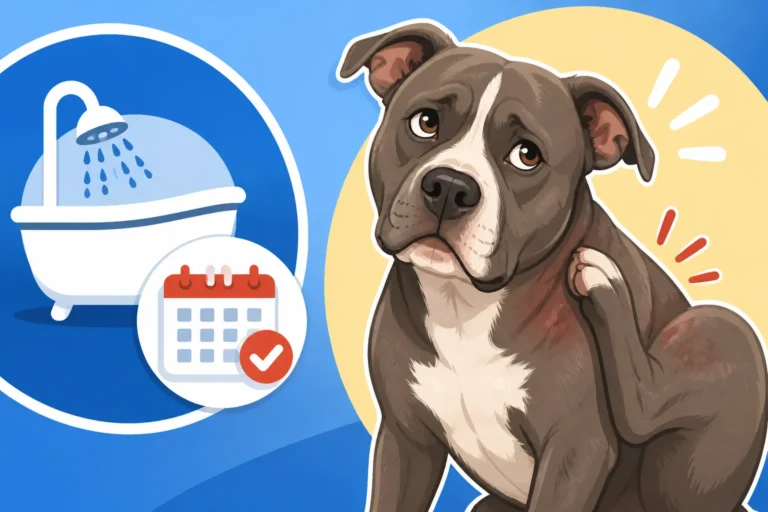
It’s easy to jump to the conclusion that an itchy dog must have a food allergy. While food allergies can certainly be a culprit, particularly for conditions like Food Allergies Behind Pit Bull Itching or even Pit Bull Skin Allergies and the Atopy Pattern, many Pit Bulls on long-term allergy medication are actually dealing with environmental allergies (atopy). These dogs react to things like pollen, dust mites, or molds, much like humans with seasonal allergies. Their skin becomes inflamed and itchy, making them miserable.
In these cases, diet won't "cure" the allergy, but it can significantly reduce inflammation and strengthen the skin barrier, making the medication more effective and potentially allowing for lower doses over time. A healthy gut microbiome, supported by a good diet, is also linked to a stronger immune response, which can be beneficial regardless of the allergy type. Therefore, even if your vet has confirmed your Pit Bull's allergies aren't food-related, optimizing their diet is still a powerful tool in your management arsenal. It’s about giving their body every advantage to cope with whatever allergens they encounter, taking some of the burden off the medication alone.
Optimizing Their Diet Alongside Allergy Treatment
Once your Pit Bull is on allergy medication, your dietary goals shift slightly. It's less about a diagnostic food trial and more about sustained support. You’re aiming to minimize triggers, bolster their natural defenses, and ensure their digestive system remains calm and healthy, especially when some medications can be tough on the stomach. This holistic approach helps to create a stable internal environment, allowing their medication to do its best work.
Incorporating Anti-Inflammatory Foods and Supplements
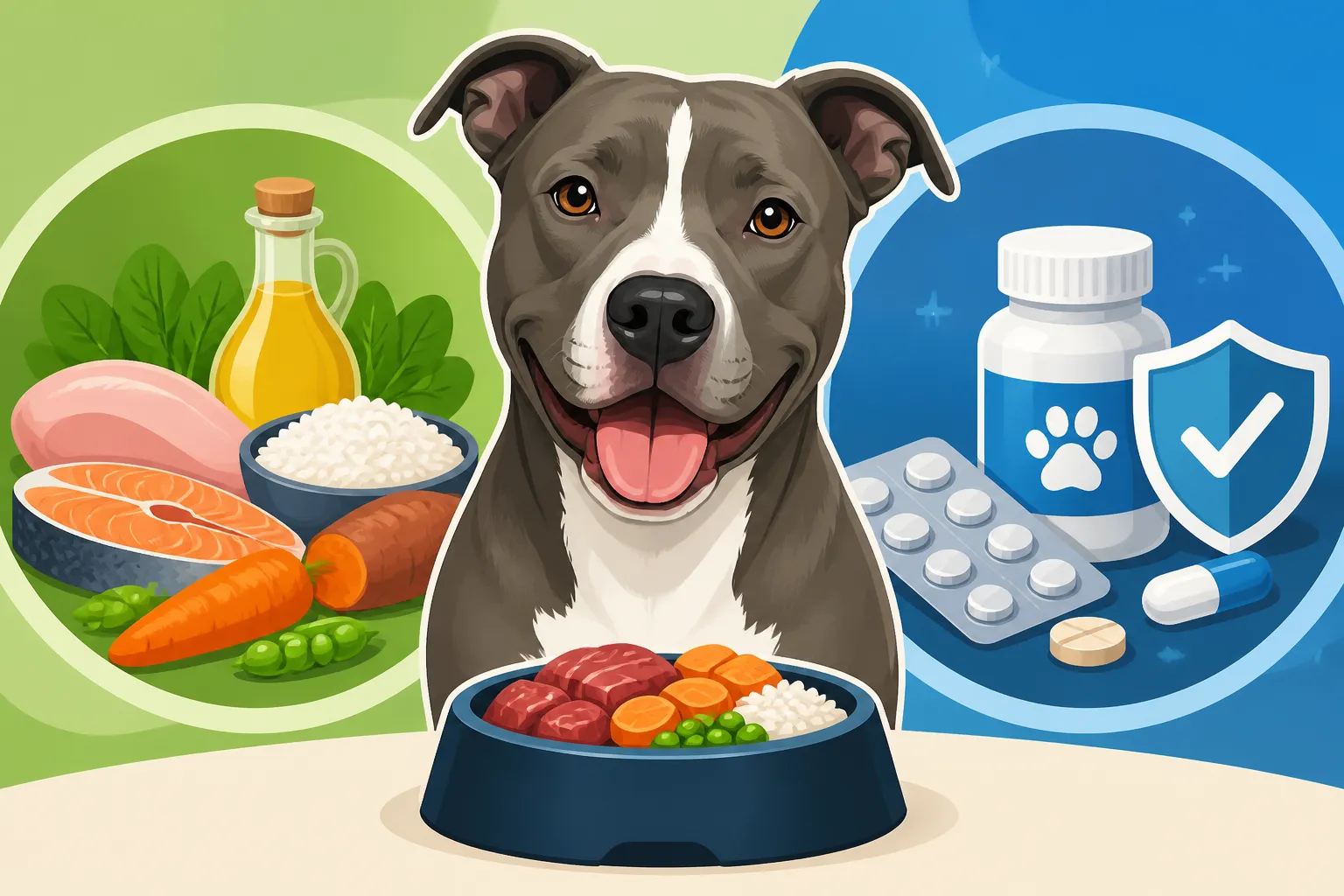
Inflammation is the root of much of the discomfort in allergic dogs. While medication like Apoquel and Cytopoint for an Itchy Pit Bull directly targets inflammatory pathways, diet can complement this by providing natural anti-inflammatory agents. Look for foods rich in omega-3 fatty acids, which are renowned for their anti-inflammatory properties. These can often be found in fish oils (like salmon oil or sardine oil) or certain plant-based oils. Many commercial dog foods designed for sensitive skin or allergies will already have enhanced levels of these fatty acids.
You might also consider adding specific supplements under your vet's guidance. Probiotics, for example, can support a healthy gut microbiome, which in turn influences immune function and can reduce systemic inflammation. Antioxidants found in various fruits and vegetables (berries, leafy greens) can also help combat cellular damage. When purchasing these, consider reputable brands available on platforms like Chewy or Amazon, but always double-check with your vet about appropriate dosages and potential interactions with their medication. Remember, the goal is to reduce the body's inflammatory load, giving the medication less work to do and allowing your Pit Bull to feel more comfortable. Omega Oils for Pit Bull Skin and Coat are a common recommendation for this reason.
Managing Weight and Appetite Changes from Medication
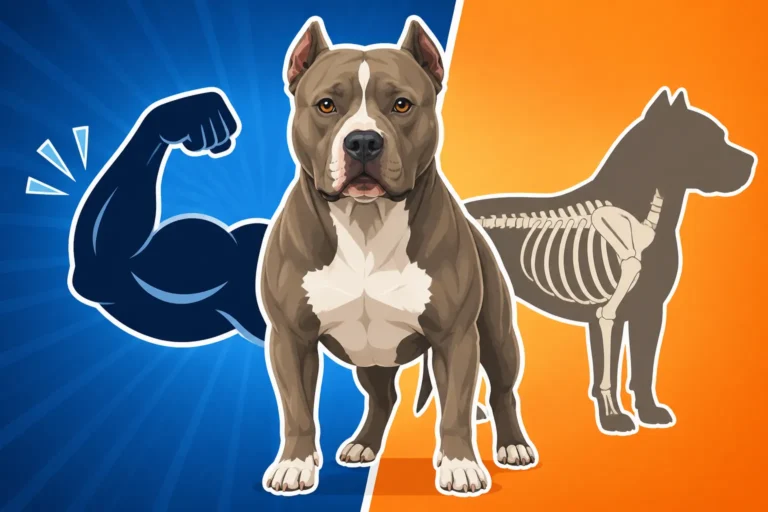
One common side effect of certain long-term allergy medications, particularly corticosteroids, is an increase in appetite and subsequent weight gain. A Pit Bull, with their naturally muscular build, can easily hide a few extra pounds, making it harder to spot until it becomes a real problem. Pit Bull Obesity and Joint Strain is a serious concern, as excess weight puts extra pressure on their joints, especially if they are already prone to issues like Pit Bull Hip Dysplasia Showing at One to Two Years.
To counteract this, strict portion control becomes paramount. Use a measuring cup for every meal, and consider weighing out their food for even greater accuracy. If your Pit Bull is constantly begging, look for lower-calorie, high-fiber snacks, or try puzzle feeders to extend mealtime and mental stimulation. If you're using a fresh food service like Ollie, ensure their customized portion sizes account for any medication-induced appetite changes. Regular weigh-ins at home, or during vet visits, are essential for monitoring their body condition. It’s about keeping them lean and strong, supporting their joints, and preventing new health issues from arising due to medication side effects.
Choosing the Best Food for an Allergic Pit Bull on Meds
Deciding what to feed your allergic Pit Bull on long-term medication can feel like a minefield. You want something nutritious, palatable, and supportive of their skin and immune system, all while potentially avoiding known triggers. It’s not just about picking any sensitive skin formula; it’s about finding the right one that aligns with their specific needs and helps them thrive.
Identifying Truly Limited Ingredient and Novel Protein Diets
If there's any suspicion of a food sensitivity component to your Pit Bull's allergies, even while on medication, a limited ingredient diet (LID) or novel protein diet remains a solid strategy. The key here is truly limited and truly novel. A "limited ingredient" bag from the pet store isn't always what it seems; always scrutinize the ingredient list for hidden proteins or common allergens. Look for single-source animal protein (like duck, venison, rabbit, or even insect protein) and a single carbohydrate source (like sweet potato or tapioca).
A novel protein is one your dog has never eaten before, making an allergic reaction less likely. This is where options from fresh food services like Ollie, which can often customize recipes, or specialized brands found on Chewy, might come in handy. Even if your Pit Bull's primary allergy isn't food, these diets can be incredibly gentle on a digestive system potentially taxed by long-term medication. Remember the golden rule of a food trial, even a maintenance one: consistency is key. Avoid giving treats, chews, or table scraps that aren't part of the controlled diet. For more on this, check out An Eight Week Food Trial on an Itchy Pit Bull for guidance on how to properly execute such a diet plan.
Considering Hydrolyzed Protein or Prescription Diets
For Pit Bulls with severe food allergies, or those where other dietary approaches haven't yielded enough improvement, your vet might recommend a hydrolyzed protein diet or a specialized prescription diet. Hydrolyzed proteins are essentially proteins that have been broken down into such small components that the immune system doesn't recognize them as allergens. This can be a game-changer for dogs with extreme sensitivities. These diets are typically available through veterinary clinics or with a veterinary prescription through online pharmacies and large retailers like Chewy or Amazon.
Prescription diets are formulated for specific health conditions, and many exist specifically for dermatological issues. They often contain enhanced levels of omega fatty acids, antioxidants, and specific nutrients to support skin barrier function and reduce inflammation. These diets aren't just "expensive dog food"; they are carefully balanced therapeutic tools. While they can represent a significant investment, understanding Prescription Diet Costs for an Allergic Pit Bull is crucial for budgeting, and the relief they provide can be invaluable. Always work closely with your veterinarian when considering these options, as they are best placed to advise on the most suitable diet for your Pit Bull’s unique needs, especially when balancing it with their current allergy medication regimen.
Long-Term Dietary Management and Monitoring
Finding the right diet for your Pit Bull on long-term allergy medication isn't a one-and-done deal. It requires ongoing vigilance, careful observation, and a willingness to adjust as your dog's needs or the effectiveness of their medication changes. This consistent effort ensures you’re providing the best possible support for their health and comfort.
The Importance of Consistency and Slow Transitions
Once you’ve found a diet that seems to be working well with your Pit Bull’s allergy medication, consistency is your best friend. Sticking to the same food, with minimal variations in treats or supplements, allows you to accurately assess its impact and maintain stability in their system. Resist the urge to constantly change foods based on new marketing claims or anecdotal advice from friends. If something is going well, stick with it.
If you ever need to change foods, whether due to availability, cost, or a change in your dog's health needs, do so gradually. A sudden switch can upset their digestive system, leading to diarrhea or vomiting, which complicates identifying allergy flares or medication side effects. A typical transition involves mixing a small amount of the new food with their current food, slowly increasing the proportion of new food over 7-10 days. This slow and steady approach minimizes digestive upset and allows their body to adapt smoothly. This applies even when trying a new batch of food from services like Ollie or a different bag from Chewy – while the formulation might be the same, small differences can sometimes trigger sensitive stomachs.
Partnering with Your Veterinarian and Dietitian
Your veterinarian is your most valuable partner in managing your Pit Bull’s long-term allergies and their dietary needs. They can offer insights into how specific medications might interact with certain nutrients, help you interpret ingredient lists, and recommend specialized diets. Don't hesitate to discuss any changes in appetite, weight, skin condition, or stool quality, as these can all be indicators of how well their diet is working in conjunction with their medication. You might also want to explore whether a dedicated veterinary nutritionist can provide even more tailored advice.
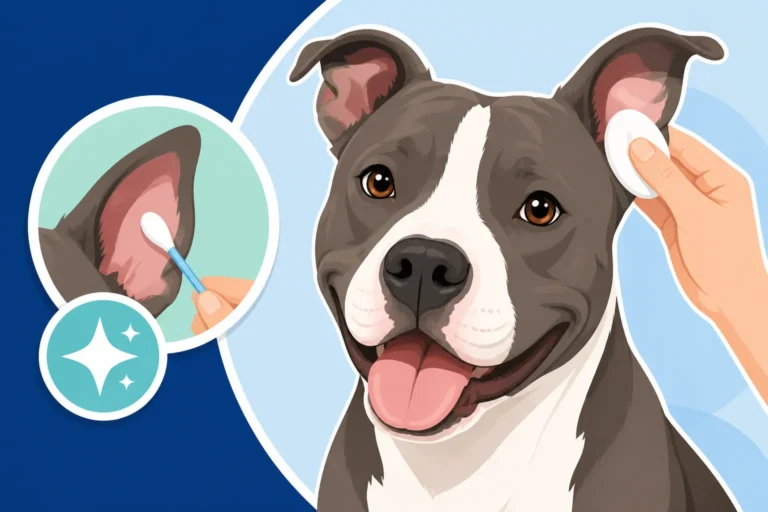
Keeping a detailed log of your Pit Bull's symptoms, food intake, and medication schedule can be incredibly helpful for your vet. Note down any changes in itching, ear infections (such as Pit Bull Ear Infections and What Drives Them), paw licking, or digestive upset. This data provides a clearer picture of trends and helps your vet make informed recommendations about diet adjustments or even medication changes. This ongoing dialogue ensures that your Pit Bull's care plan remains comprehensive, adaptable, and focused on their long-term well-being, allowing them to lead a comfortable and happy life despite their allergies.
Disclaimer
This article is for general informational purposes only and does not constitute professional advice. Laws, prices and regulations vary by location and change over time. Consult a qualified professional for guidance on your specific situation.