Raw Bones and a Pit Bull’s Jaw Strength
It's completely natural to want to provide the best for your Pit Bull, and for many of us, that includes exploring natural enrichment like raw bones. You've probably heard conflicting advice or seen friends give their dogs all sorts of bones without issue, only to then read a scary story online about a fractured tooth or an emergency vet visit. It's a real dilemma: how do you satisfy your Pit Bull's powerful chewing instinct safely when their jaw strength seems like it could decimate anything? This guide will dive deep into the world of raw bones, helping you understand the real risks and, more importantly, how to make informed choices that keep your strong-jawed companion healthy and happy.
Understanding Pit Bull Jaw Strength and Chewing Habits
When you look at a Pit Bull, one of the first things that often comes to mind is their incredible physical prowess, and that absolutely includes their powerful jaws. This isn't just folklore; it's a testament to their anatomy and the historical roles many of these dogs were bred for. Understanding why their jaws are so strong helps us appreciate the care needed when selecting appropriate chews.
The Anatomy of a Powerful Jaw
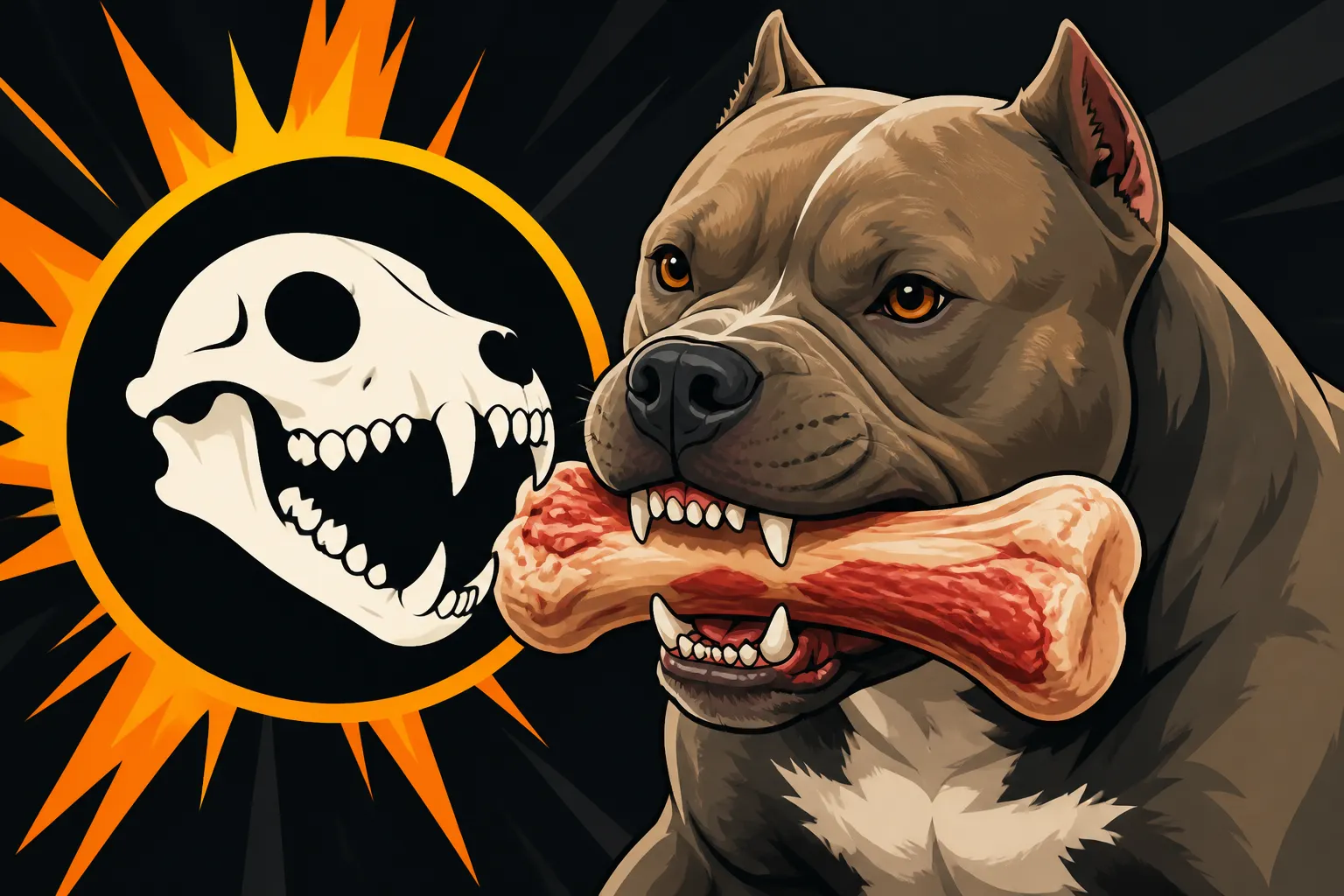
Pit Bulls possess a unique anatomical structure that contributes to their impressive bite. Their heads are typically broad, housing strong jaw muscles – specifically the masseter and temporalis muscles – which are incredibly well-developed. These muscles allow for tremendous force to be exerted through their jaws. Think about the way your Pit Bull grips a favorite tug toy; that powerful hold comes from a combination of these robust muscles and a jaw structure designed for strength and tenacity.
While the idea of a "locking jaw" is a persistent myth, their sheer muscle power and determination mean they can hold onto things with incredible force and focus. This strength isn't just for tugging; it means they can easily crush and splinter objects that other, less powerful breeds might only gnaw on gently. For us as owners, this translates to a very real need to consider the durability and composition of anything we give them to chew, especially when it comes to bones. The last thing we want is for that powerful bite to cause harm.
The Drive to Chew and Its Benefits
Chewing isn't just a pastime for dogs; it's a deeply ingrained, natural behavior with a host of benefits. For a Pit Bull, with all that energy and drive, chewing is an essential outlet. It helps keep their teeth clean by naturally scraping away plaque and tartar, which is a big deal for long-term oral health. Regular chewing can help prevent Pit Bull Dental Disease and Hard Chewing. Beyond dental hygiene, chewing provides crucial mental stimulation, which is especially important for intelligent and high-energy breeds like Pit Bulls. It can alleviate boredom, reduce stress, and even help manage anxiety.
Imagine your Pit Bull after a good, satisfying chew session – they're often calmer, more content, and less likely to turn their attention to your furniture or shoes. This instinct to chew is powerful, and if we don't provide appropriate, safe outlets, they will find their own, which might not always align with our household rules or their safety. Providing suitable chews is a fundamental part of responsible Pit Bull care, balancing their natural urges with their physical capabilities.
Types of Raw Bones: Safe vs. Unsafe Choices for Pit Bulls
Navigating the world of raw bones can feel like a minefield, especially with a Pit Bull's powerful jaws. It's not as simple as "raw is good, cooked is bad" – although the latter is absolutely true. The type of raw bone matters immensely, and what might be safe for a smaller dog could pose significant risks for your sturdy Pit Bull.
Weight-Bearing vs. Non-Weight-Bearing Bones
This distinction is perhaps the most crucial one when considering raw bones for your Pit Bull. Weight-bearing bones are those strong, dense bones that support an animal's body weight, such as femurs (thigh bones), leg bones, and large knuckle bones from large animals like cows. These bones are incredibly hard. While they might seem like the perfect challenge for a strong chewer, they carry substantial risks for a Pit Bull. Their powerful jaws can apply so much force that they're likely to fracture their own teeth on these hard bones. Imagine the pain of a cracked molar, and then the expense of a root canal or extraction – it’s just not worth it.
On the flip side, non-weight-bearing bones are generally softer, more pliable, and less dense. Think about bones like raw chicken or turkey necks, ribs, backs, or even oxtails. These bones are designed to be fully consumed, crushed, and digested, providing both nutrients and dental benefits without the high risk of tooth fracture. When exploring raw feeding options, many owners look to resources like Chewy for a variety of these softer, edible bone choices, often sold as part of a balanced raw diet.
Recreational Bones vs. Edible Bones
Building on the previous point, it's helpful to categorize raw bones into "recreational" and "edible."
Recreational bones are typically larger, harder bones (often weight-bearing) that dogs are meant to gnaw on for a while, extracting marrow and scraping their teeth, but not consuming the entire bone. For a Pit Bull, the problem with recreational bones is that their jaws are often too powerful for them to be truly "recreational" in the safe sense. They might break off large, indigestible chunks, leading to significant risks like internal blockages or perforations. What starts as a fun chew can quickly become a medical emergency.
Edible bones, conversely, are smaller, softer, and meant to be completely eaten and digested. These are typically the non-weight-bearing bones we discussed – chicken necks, duck feet, raw ribs (pork or beef), or even whole small prey items if you're going that route. For a Pit Bull, these are the safer raw bone options, as they can be crushed, ground down, and passed through the digestive system with less risk. These bones can contribute positively to their diet and dental health. Many specialized raw food brands, often found through online retailers like Amazon, offer pre-portioned edible bone mixes that are safer for robust chewers. However, even with edible bones, supervision is key to ensure your dog isn't trying to swallow large chunks whole.
Size and Preparation Matters
Beyond the type of bone, its size and how it's prepared are crucial considerations for your Pit Bull.
First, size: a bone that is too small presents a severe choking hazard. If your Pit Bull can swallow a bone whole or can easily fit it entirely in their mouth, it's too small. This is particularly true for items like small marrow bones, which can create a vacuum effect and get stuck around the lower jaw or even further down the throat. On the other hand, a bone that is excessively large and dense, even if technically "recreational," encourages aggressive, prolonged chewing that heightens the risk of tooth damage. You want a bone that is large enough that it cannot be swallowed quickly, but not so large or dense that it invites tooth fractures.
Second, preparation: Raw bones, always. This cannot be stressed enough. Cooked bones become brittle and can splinter into sharp fragments, which can cause severe damage to a dog's mouth, throat, and internal organs. The heat changes their structure, making them incredibly dangerous. Always ensure any bone you offer is raw and fresh. If you’re sourcing bones from a butcher, always specify they are for a raw dog diet. Proper storage and handling are also essential to prevent bacterial contamination, which we’ll cover in the next section.
A quick note on individual chewing styles: some Pit Bulls are gentle gnawers, while others are aggressive crushers. You know your dog best. If your Pit Bull tends to quickly destroy toys and bones, even the "safer" types might need extra supervision or simply aren't suitable. Understanding your dog's unique approach to chewing is just as important as the bone itself. For dogs prone to destructive chewing, items like chews that do not crack a Pit Bull molar become even more important.
Potential Risks and How to Mitigate Them
Despite the best intentions, giving raw bones can unfortunately come with a range of risks, especially for a powerful chewer like a Pit Bull. It's not about being overly paranoid, but rather being informed and proactive in preventing potential harm.
Dental Damage: Fractured Teeth
This is perhaps one of the most common and painful consequences of giving inappropriate raw bones to a strong chewer. Your Pit Bull's molars are incredibly strong, but they are not invincible. When they bear down on a bone that is too hard – typically weight-bearing bones like femurs or leg bones – they can easily chip, crack, or even completely fracture a tooth. Imagine the sharp pain of a cracked tooth, and then consider the intense discomfort your dog will experience.
A fractured tooth is not just painful; it's a gateway for infection. Once the protective enamel is breached, bacteria can enter the pulp chamber, leading to abscesses and severe pain. Treatment for a fractured tooth often involves costly veterinary procedures, such as a root canal or extraction, which can run into hundreds or even thousands of dollars. It's a significant financial and emotional burden, all stemming from a well-intentioned chew. To avoid this, focus on softer, fully edible bones or dental-specific alternatives. For more on preventative care, consider reading up on Pit Bull Dental Care Around Hard Chewing.
Internal Obstructions and Perforations
Another terrifying risk associated with raw bones, particularly recreational bones that are too hard or large, is the potential for internal issues. If your Pit Bull manages to break off and swallow a large, indigestible chunk of bone, it can cause a range of severe gastrointestinal problems.
- Choking Hazard: A piece of bone can get lodged in the throat, leading to immediate choking and respiratory distress, which is a dire emergency.
- Esophageal or Stomach Obstruction: A large piece can get stuck in the esophagus or stomach, preventing food and water from passing. This can cause severe vomiting, regurgitation, lethargy, and dehydration.
- Intestinal Blockage: If the bone fragment makes it past the stomach but cannot pass through the intestines, it creates a blockage. This is excruciatingly painful and often requires emergency surgery to remove.
- Intestinal Perforation: The sharp edges of a broken bone fragment can literally puncture the walls of the esophagus, stomach, or intestines. This leads to peritonitis, a life-threatening infection of the abdominal cavity, requiring immediate and intensive surgical intervention.
Symptoms to watch for include persistent vomiting, diarrhea (sometimes bloody), straining to defecate, severe constipation, loss of appetite, lethargy, abdominal pain, or a distended abdomen. If you suspect your Pit Bull has swallowed a problematic bone fragment, seek emergency veterinary care immediately. This isn't something to wait and see about.
Bacterial Contamination and Hygiene
Raw bones, like any raw meat product, carry the risk of bacterial contamination from pathogens like Salmonella, E. coli, and Listeria. While dogs are generally more resistant to these bacteria than humans, they can still become ill, leading to symptoms like vomiting, diarrhea, and lethargy. More importantly, these bacteria can be shed in their feces, posing a risk to other pets and humans in the household, especially children, the elderly, or immunocompromised individuals.
To mitigate this risk, strict hygiene practices are essential:
- Source Wisely: Obtain raw bones from reputable suppliers who handle and store their products safely.
- Handle Carefully: Treat raw bones like raw meat. Wash your hands thoroughly with soap and hot water after handling.
- Clean Thoroughly: Clean any surfaces, bowls, or utensils that come into contact with raw bones immediately with hot, soapy water.
- Supervise Chewing: Always supervise your Pit Bull when they are chewing raw bones. This helps ensure they don't break off dangerous pieces, and you can intervene if they become too aggressive with the chew.
- Limited Exposure: Don't let your dog chew on raw bones for extended periods (e.g., more than 15-20 minutes at a time) to minimize bacterial exposure. Dispose of unfinished bones promptly.
- Outdoor Chewing: Consider letting your Pit Bull chew raw bones outdoors on a cleanable surface to limit household contamination.
Remember, the goal is to provide enrichment and dental benefits without compromising your Pit Bull's health or your family's safety. Understanding these risks empowers you to make smarter choices.
Safer Alternatives for Pit Bull Chewers
Given the very real risks associated with raw bones, especially for a powerful chewer like a Pit Bull, it's completely understandable if you're feeling a bit wary. The good news is that there are many fantastic, safer alternatives that can satisfy your Pit Bull's chewing instincts, provide mental stimulation, and even help with dental hygiene, all without the worry of fractured teeth or internal blockages.
Durable Chew Toys and Dental Chews
The market for dog chew toys has exploded, and thankfully, many companies now specifically design products for "power chewers" like Pit Bulls.
- Heavy-Duty Rubber Toys: Brands like KONG (especially their black extreme line), Nylabone (their durable chew line), and GoughNuts are famous for creating virtually indestructible rubber toys. These toys can withstand immense jaw pressure, provide hours of chewing satisfaction, and can even be stuffed with treats like peanut butter or plain yogurt for added mental enrichment. They flex and compress under pressure, rather than breaking, which greatly reduces the risk of dental fractures. You can often find a wide selection of these robust toys on Chewy or Amazon, making it easy to compare options.
- Nylon Chews: While not as forgiving as rubber, dense nylon chews from reputable brands can also be a good option for some Pit Bulls. They are designed to wear down slowly, creating small, rice-sized particles that are generally considered safe to pass through the digestive system. However, always supervise closely and replace them if large pieces start to break off, or if the texture becomes too sharp. Remember the goal: Chews that do not crack a Pit Bull molar.
- Rope Toys (with caution): Some Pit Bulls love rope toys for tugging and gentle chewing. However, these need close supervision as they can fray, and ingested strands of rope can cause serious intestinal blockages. If your Pit Bull is a de-stuffing expert, rope toys might be too risky.
Edible Chews and Supplements
Beyond durable toys, there's a world of fully digestible chews that offer dental benefits and chewing satisfaction.
- Bully Sticks: These are a fantastic, fully digestible chew made from beef pizzle. They are tough enough to provide a good chew session but soften as the dog chews, making them less likely to cause tooth damage than hard bones. Always choose appropriately sized bully sticks for your Pit Bull to prevent choking.
- Dental-Specific Chews: Products like Greenies, Dentastix, or Whimzees are designed with textures and ingredients to help scrape plaque off teeth as your dog chews. While they shouldn't replace regular brushing, they can be a helpful supplement to your Pit Bull's dental routine. Many pet supply stores and online platforms like Amazon offer various brands and sizes.
- Natural Chews (single ingredient): Items like dried sweet potato chews, beef tracheas (which are cartilage-based and softer), or dehydrated animal ears can offer a satisfying chew. Always check the ingredient list to ensure they are single-ingredient and free from additives or artificial preservatives.
- Dietary Adjustments & Supplements: While not chews, diet plays a role in overall dental health. Some high-quality dog foods, including fresh options like Ollie, are formulated with ingredients that can support oral health. Additionally, some supplements like dental water additives or enzymatic toothpastes can help reduce plaque and tartar buildup. Regularly brushing your Pit Bull’s teeth with a dog-specific toothpaste is also incredibly effective and should be part of their routine. For tips on managing dental health, explore topics like Pit Bull Dental Cleaning Schedule.
Professional Dental Care
Ultimately, no amount of chewing, whether on raw bones or chew toys, can entirely replace professional veterinary dental care. Just like humans, dogs need regular dental check-ups and cleanings to maintain optimal oral health.
- Regular Vet Check-ups: During annual wellness exams, your veterinarian will inspect your Pit Bull's teeth and gums, looking for signs of plaque buildup, gingivitis, or any fractured teeth that you might have missed. They can give you advice tailored to your dog's specific needs and chewing habits.
- Professional Dental Cleanings: For many Pit Bulls, a professional dental cleaning under anesthesia is necessary at some point in their lives, often every 1-3 years depending on their genetics, diet, and home care. This allows the vet to thoroughly clean below the gumline, polish the teeth, and address any deeper issues like cavities or problematic teeth that require extraction. While the thought of anesthesia can be daunting, a full dental procedure is the most effective way to remove built-up tartar and prevent serious dental disease. This level of care can prevent painful conditions and extend your Pit Bull's healthy lifespan, minimizing issues like Tartar Building on Pit Bull Molars.
By combining safe, appropriate chews with good home dental hygiene and regular professional cleanings, you can confidently support your Pit Bull's chewing needs and ensure their teeth and gums remain healthy for years to come.
Choosing Safely for Your Pit Bull's Chewing Instinct
| Bone Category | Examples | Risks for Pit Bulls (High Jaw Strength) | Recommendations & Safer Alternatives |
|---|---|---|---|
| Weight-Bearing Bones | Beef femurs, large knuckle bones, leg bones | High risk of fractured teeth, internal blockages/perforations due to density | Avoid these. Opt for durable rubber toys or softer edible bones. |
| Recreational Bones | Large marrow bones (cooked or raw), antlers, hooves | Often too hard, can cause tooth fractures, splinter into dangerous chunks | High caution/generally avoid. Supervise intensely if offered, remove immediately if large chunks break off. |
| Edible Bones (Soft) | Chicken necks, turkey necks, raw ribs, duck feet, chicken feet, oxtails | Lower risk of tooth fracture, but still possible for quick swallowers. | Generally safe raw. Always supervise. Ensure they are fully consumed and digested. Consider these for raw feeding. |
| Cooked Bones | Any cooked bone (chicken, steak, ham, etc.) | Extremely dangerous. Splinter easily, causing choking, perforations. | Never give cooked bones. |
| Durable Chew Toys | KONG Extreme, GoughNuts, Nylabone (power chew) | Very low risk, designed for strong chewers. Can be costly initially. | Highly recommended. Provide mental stimulation and dental benefits safely. |
| Digestible Chews | Bully sticks, dental chews (Greenies, Whimzees), beef trachea | Generally safe, but can be high in calories; some dogs consume too quickly. | Good alternatives. Choose appropriate size, monitor consumption. Factor into daily calorie intake. |
Remember, the goal is always safety first. Your Pit Bull's powerful jaws are a magnificent part of their anatomy, but they require responsible management when it comes to chewing.
Disclaimer
This article is for general informational purposes only and does not constitute professional advice. Laws, prices and regulations vary by location and change over time. Consult a qualified professional for guidance on your specific situation.