Limited Ingredient Food for a Pit Bull With Atopy
It's incredibly frustrating when your beloved Pit Bull is constantly itching, scratching, and generally miserable due to skin issues. You’ve tried everything, from special shampoos to different treats, and the persistent irritation still leaves them uncomfortable. This guide will delve into limited ingredient diets (LIDs) as a strategic tool to help manage atopy in Pit Bulls, offering a clear path to understand if food plays a role in their discomfort and how to implement changes effectively.
Understanding Pit Bull Atopy and Diet's Role
When your Pit Bull is constantly scratching, licking their paws, or rubbing their face on the carpet, it’s heartbreaking. While many immediately jump to food allergies, it’s crucial to understand the primary culprit for most chronic itching in Pit Bulls: atopy. Atopy, or environmental allergies, is incredibly common in our breed, leading to a lot of confusion about how diet fits into the picture.
What is Atopy in Pit Bulls?
Atopy refers to an allergic reaction to airborne particles like pollen, dust mites, or mold spores, much like seasonal allergies in humans. These allergens are inhaled or absorbed through the skin, triggering an immune response that manifests as itching, redness, and inflammation. Because Pit Bulls often have short coats and sensitive skin, these environmental allergens can really take a toll, affecting their paws, ears, belly, and face. It's a pervasive issue that can make life uncomfortable for your dog year-round or seasonally. You can learn more about the broader issue in Pit Bull Skin Allergies and the Atopy Pattern.
The symptoms of atopy often look very similar to those of food allergies, making diagnosis a real challenge. You might notice your Pit Bull constantly licking their paws, shaking their head because their ears are itchy and inflamed, or developing red patches on their belly. This persistent irritation can lead to secondary bacterial or yeast infections, compounding the problem and adding another layer of discomfort. It’s a vicious cycle that many Pit Bull owners know all too well.
Many owners feel helpless watching their dog suffer, especially when standard treatments only offer temporary relief. The key takeaway here is that while atopy is usually about environmental triggers, the body’s overall inflammatory response can be influenced by diet. We're not saying food is the cause of atopy, but it can certainly act as a fuel, making the existing inflammation worse or harder to control. Think of it like a leaky bucket: you're trying to patch the holes (environmental allergens), but if you're also pouring more water in (pro-inflammatory foods), it's a losing battle.
The Link Between Diet and Skin Health
Our dogs' skin is their largest organ, and it's a huge indicator of their internal health. A healthy skin barrier acts as a shield against irritants and allergens, but when that barrier is compromised, it becomes much easier for environmental triggers to get in and cause problems. Diet plays a pivotal role in maintaining this barrier, providing the essential nutrients, fatty acids, and proteins needed for strong, healthy skin and a robust immune system.
If a dog is eating a diet that lacks certain nutrients, or contains ingredients their body struggles with, it can lead to chronic low-grade inflammation. This inflammation, while not necessarily an "allergy" to that food, can lower their overall immune tolerance and make them more reactive to other allergens, like those in the environment. So, even if environmental atopy is the main issue, a poor diet can make your Pit Bull's skin more sensitive and prone to severe flare-ups.
This is why many vets will consider a dietary change even when they suspect environmental allergies. The goal isn't always to cure a food allergy but to support overall skin health and reduce systemic inflammation, giving the environmental allergy medications a better chance to work. It’s about building resilience from the inside out, helping your Pit Bull’s body cope better with the allergens it encounters daily. A strong skin barrier and a calm immune system can make a world of difference.
Why Atopy and Food Sensitivities Often Overlap
The lines between environmental atopy and food sensitivities can be incredibly blurry, and that's where a lot of the confusion for owners comes from. Both can present with identical symptoms: itchy skin, ear infections, paw licking, and gastrointestinal upset in some cases. It's not uncommon for a Pit Bull to suffer from both environmental allergies and a concurrent food sensitivity, making the diagnostic process even more complex.
One reason for this overlap is what we call "allergic load." Imagine your Pit Bull's immune system has a bucket that can hold only so many allergens before it overflows and symptoms appear. If their bucket is already partly full from environmental allergens (atopy), adding even a mild food sensitivity can be enough to push it over the edge. By removing potential food triggers, we're essentially emptying some of that bucket, which can significantly reduce the overall severity of their atopic symptoms. This is why addressing diet can sometimes make it seem like their atopy has improved, even if the primary trigger is still environmental.
Furthermore, chronic inflammation from one source can make the immune system more reactive to other, previously harmless substances. A gut irritated by certain food ingredients might not function optimally, leading to increased systemic inflammation that exacerbates skin issues. This interconnectedness means that even a minor dietary improvement can have a ripple effect, calming down the immune system enough to lessen the intensity of their atopic flares. It’s a holistic approach to managing their discomfort, tackling every possible angle to bring them relief. For deeper insight into specific food reactions, you might want to read Food Allergies Behind Pit Bull Itching.
What Makes a Food "Limited Ingredient" for Atopy?
When you’re looking at limited ingredient diets, it’s not just about fewer ingredients, it’s about which ingredients are present – or, more importantly, absent. The idea is to strip down the formula to its bare essentials, making it easier to pinpoint what might be causing a reaction, or simply to reduce the number of potential irritants for an already sensitive system. This targeted approach is key to understanding and managing your Pit Bull's skin health.
Simplified Protein and Carbohydrate Sources
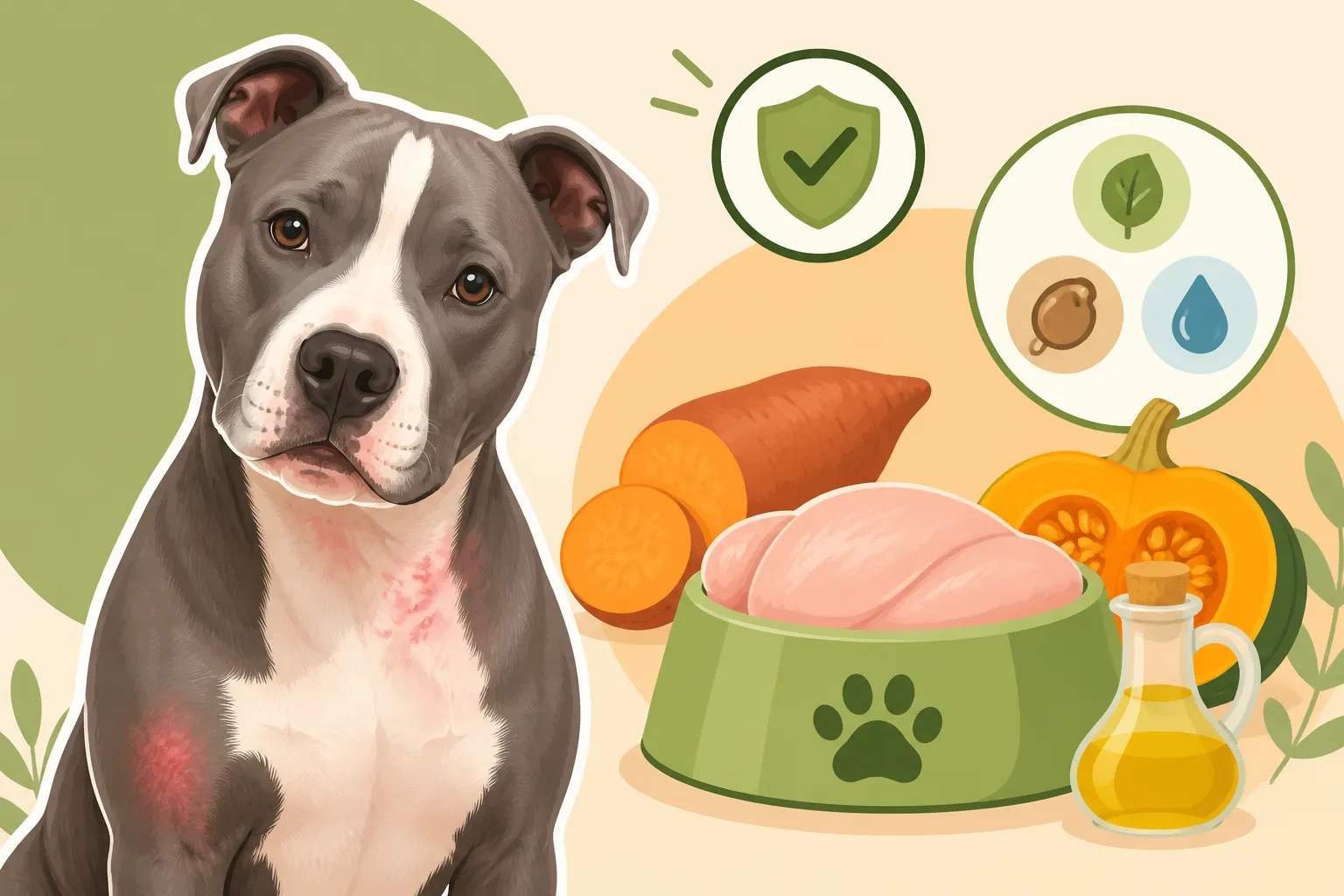
The cornerstone of a true limited ingredient diet is its simplicity in protein and carbohydrate sources. Instead of a mix of chicken, beef, and turkey, you’ll typically find a single, novel protein source. What’s a "novel" protein? It’s something your dog hasn't eaten regularly, or perhaps ever. Common novel proteins include duck, venison, rabbit, kangaroo, or even fish. The theory is that if your dog hasn't been exposed to it before, they are less likely to have developed an allergic reaction to it. This approach reduces the chances of triggering an existing sensitivity.
Alongside a single protein, a limited ingredient diet will usually feature a single carbohydrate source that is also less commonly used in everyday dog foods. Think ingredients like sweet potato, green peas, or tapioca, rather than corn, wheat, or soy. These less common carbs, combined with the novel protein, create a dietary "clean slate." The goal is to provide complete and balanced nutrition while minimizing the variables, so you can clearly observe any changes in your Pit Bull’s skin and gut health.
The quality of these ingredients also matters immensely. Companies like Ollie, for instance, focus on fresh, human-grade ingredients that are naturally less processed, which some owners find beneficial for highly sensitive dogs. When selecting an LID, scrutinize the ingredient list to ensure it truly is simple and doesn't sneak in hidden sources of common allergens or artificial additives. This meticulous attention to detail can be the difference between a successful food trial and continued frustration.
Avoiding Common Allergens
One of the main reasons limited ingredient diets are effective is their deliberate avoidance of common allergens. For dogs, just like for humans, certain foods are more likely to cause allergic reactions or sensitivities. The most frequently identified culprits in canine food allergies include beef, dairy, chicken, wheat, and soy. Many conventional dog foods are packed with these ingredients, sometimes multiple in one formula, making it hard to isolate the problem.
A good limited ingredient diet will steer clear of these usual suspects. This is particularly important for Pit Bulls because, anecdotally, they seem to be over-represented in cases of both environmental and food allergies. By removing these common allergens, you’re not necessarily assuming your dog is allergic to them, but you are eliminating a wide range of potential irritants that could be contributing to their overall "allergic load" and flaring up their atopic skin.
Beyond the main proteins and grains, it's also crucial to look for formulas free from artificial colors, flavors, and preservatives. While these aren't typically "allergens" in the same way, they can still cause digestive upset or contribute to systemic inflammation in sensitive individuals. The cleaner the label, the better for a dog already battling atopy. Remember, the goal is to calm their system, not challenge it with unnecessary additives.
Key Features to Look For on the Label
When you’re staring at shelves of dog food, trying to decipher labels, it can feel overwhelming. For a Pit Bull with atopy, there are specific features to prioritize when choosing a limited ingredient diet. First, look for a clear statement indicating a single protein source and a single carbohydrate source. Brands are usually quite proud of this, so it will often be front and center on the packaging. Terms like "limited ingredient," "hypoallergenic," or "novel protein formula" are good starting points.
Next, dive into the actual ingredient list. Ensure the primary protein listed matches the novel protein you're aiming for (e.g., "duck meal" should be the first protein, with no other animal proteins following). Similarly, confirm the carbohydrate source is simple and unique. Check for the absence of fillers like corn, wheat, and soy, and artificial colors or preservatives. You're looking for a short, understandable ingredient list, not a novel of chemical compounds. You can often find detailed ingredient lists and customer reviews on platforms like Chewy or Amazon, which helps in comparing products from the comfort of your home.
Finally, consider the guaranteed analysis. While not directly allergy-related, it's essential to ensure the food still meets your Pit Bull's nutritional needs, especially regarding protein and fat content for their muscular build. Some LIDs might be lower in fat, which isn't ideal for all Pit Bulls, especially if they are active. Also, look for added omega fatty acids (like fish oil or flaxseed) as these are excellent for skin and coat health and can help reduce inflammation, which is a big plus for atopic dogs. Supplements for skin health are discussed in Omega Oils for Pit Bull Skin and Coat.
Implementing a Limited Ingredient Diet Safely and Effectively
Switching your Pit Bull to a limited ingredient diet isn't just about grabbing a new bag of food. To truly determine if the diet is helping with their atopy, you need a disciplined approach. This process, often called an "elimination diet" or "food trial," requires patience and strict adherence, but the potential relief for your dog is well worth the effort.
The Strict Food Trial Process
The most effective way to test a limited ingredient diet is through a strict food trial, typically lasting eight to twelve weeks. During this period, your Pit Bull should eat nothing but the chosen limited ingredient food. This means no treats, no table scraps, no flavored medications (unless absolutely essential and approved by your vet), and no sneaking bits of cheese under the table. Even a tiny morsel of an old food can derail the entire process and give you false results.
Selecting the right diet for the trial is crucial. Work with your veterinarian to choose a novel protein and carbohydrate combination that your Pit Bull has never been exposed to before. For example, if your dog has eaten chicken and rice their whole life, a duck and sweet potato formula would be a good novel choice. The principle here is to eliminate all potential existing dietary allergens. An Eight Week Food Trial on an Itchy Pit Bull elaborates further on this crucial period.
Consistency is paramount. During these weeks, you're looking for a noticeable reduction in itching, redness, ear infections, or paw licking. Don't expect instant miracles; it takes time for existing inflammation to subside and for the body to clear out old allergens. If you stick to it, and your Pit Bull's symptoms improve, you've found a strong indication that diet plays a significant role in their atopy management.
Monitoring Your Pit Bull's Progress
Once you’ve started the strict food trial, diligent monitoring is your next step. This isn't just about watching to see if they scratch less; it's about systematic observation. Keep a journal or use a simple chart to track their symptoms daily. Note down things like: how often they scratch, if their paws are red, if their ears seem irritated, and their bowel movements. Also, take photos of any skin lesions or redness, as visual comparisons over time can be incredibly helpful.
Pay close attention to subtle changes. Perhaps they’re not scratching as intensely, or the redness on their belly has faded slightly. It might not be a dramatic overnight transformation, but a gradual improvement. Remember that healing takes time, especially for chronic skin issues. Their skin barrier needs time to repair, and their immune system needs time to calm down after years of potential irritation. If you've been battling persistent ear infections, for example, you might notice a longer interval between flare-ups or less discharge.
If, after the full trial period, there is no noticeable improvement in your Pit Bull’s symptoms, it strongly suggests that food allergies are not the primary driver of their atopy. In this scenario, you’ve gained valuable information by ruling out a major factor, allowing you and your vet to focus more intensely on environmental allergy testing and other management strategies. It’s not a failure, but a successful diagnostic step forward.
Reintroducing Ingredients and Identifying Triggers
If your Pit Bull's symptoms significantly improve during the elimination diet, congratulations! You've likely found that diet plays a role. The next step is a careful reintroduction phase, which helps pinpoint the exact ingredients causing the problem. This part also requires meticulous attention. You'll reintroduce single ingredients from their previous diet, one at a time, for about a week, while closely monitoring for any return of symptoms.
For example, after the successful trial, you might reintroduce a small amount of chicken into their diet for seven days. If their itching returns or flares up during that week, you've likely identified chicken as a trigger. If there's no reaction, chicken is probably safe. You would then remove chicken again, let their system settle, and then try another ingredient, such as beef, following the same process. This methodical approach allows you to build a list of safe and unsafe ingredients for your Pit Bull.
This reintroduction phase is crucial because it gives you the knowledge to choose a permanent diet that avoids their specific triggers, rather than just endlessly feeding an LID without truly understanding why it works. It empowers you to make informed decisions about their food and treats, moving forward. If you don't see any reaction during reintroduction, it might mean the initial LID was simply lower in inflammatory ingredients, or that any former sensitivity was very mild. Either way, you'll have a much clearer picture for their long-term health. Consider Pit Bull Food Allergy Signs Beyond the Skin for other indicators.
Beyond the Bowl: Holistic Management for Atopy
While a limited ingredient diet can be a powerful tool for managing atopy, it's rarely a standalone solution. Pit Bulls with environmental allergies often need a multi-faceted approach to truly find relief. Thinking holistically means addressing all potential angles – environmental triggers, topical support, and sometimes medication – to create a comprehensive plan that keeps your sensitive Pit Bull comfortable and happy.
Environmental Management
Since atopy is primarily about environmental allergens, managing your Pit Bull's exposure to these triggers is paramount. This can be one of the most challenging aspects because pollen, dust mites, and mold are everywhere! However, there are practical steps you can take. During high pollen seasons, wipe down your Pit Bull's paws and coat with a damp cloth after outdoor excursions to remove allergens before they can be absorbed. You can even give them a quick rinse or shower if they've been romping through fields. This simple step can significantly reduce their "pollen load."
Indoors, focus on reducing dust mites. Wash their bedding weekly in hot water, vacuum frequently with a HEPA filter vacuum, and consider using air purifiers in the rooms they spend the most time in. If mold is an issue in your home, addressing damp areas is key. Keeping windows closed during peak pollen times and using air conditioning can also help filter out airborne allergens. These environmental adjustments, while requiring effort, are vital for reducing the frequency and severity of atopic flare-ups. You can find more detail on managing seasonal issues in Pit Bull Atopy and Seasonal Itching.
Understanding the specific environmental allergens your Pit Bull reacts to can also help tailor your management strategy. Your vet might recommend allergy testing (intradermal skin testing or blood tests) to identify specific pollens, grasses, or dust mites. With this information, you can be more proactive in avoiding those triggers and even consider immunotherapy (allergy shots) to desensitize your Pit Bull over time. It’s about creating a less allergenic environment and strengthening their tolerance.
Topical Treatments and Medications
Topical treatments are an invaluable part of atopy management, providing direct relief to irritated skin. Medicated baths, often containing ingredients like chlorhexidine for bacterial infections or miconazole for yeast, can help cleanse the skin, reduce microbial overgrowth, and soothe inflammation. The frequency of these baths will depend on the severity of your Pit Bull’s symptoms, but regular bathing (sometimes several times a week during a flare-up) is often necessary. Always ensure proper contact time for the medicated shampoo to work effectively, usually 10-15 minutes, before rinsing thoroughly. For detailed bathing tips, check out Medicated Baths for a Pit Bull With Atopy.
Beyond shampoos, your vet might recommend various topical sprays, mousses, or wipes containing soothing ingredients like colloidal oatmeal, ceramides, or anti-inflammatory agents. These can be used between baths to target specific itchy spots or maintain skin barrier health. For particularly inflamed areas, prescription topical steroids might be necessary for short-term relief. Ear cleaning with appropriate solutions is also crucial, as ear infections are a common manifestation of atopy in Pit Bulls. Regular cleaning can prevent painful infections from taking hold.
When topical treatments aren't enough, systemic medications become necessary to control the itch. These can include oral steroids (used cautiously due to side effects), antihistamines (effectiveness varies widely), or newer, more targeted therapies like Apoquel or Cytopoint. These medications work by interrupting the itch cycle at different points, providing significant relief for many atopic dogs. Your vet will work with you to find the most appropriate and safest long-term medication plan, balancing effectiveness with minimizing side effects. A deeper dive into these options is available in Apoquel and Cytopoint for an Itchy Pit Bull.
Supplements for Skin Barrier Support
Beyond diet and medication, certain supplements can play a supportive role in enhancing your Pit Bull's skin barrier function and reducing overall inflammation. One of the most widely recommended categories is omega fatty acids, specifically Omega-3s (EPA and DHA) found in fish oil. These fatty acids have anti-inflammatory properties and are crucial for maintaining a healthy skin barrier, which acts as the first line of defense against environmental allergens. Incorporating a high-quality fish oil supplement into your Pit Bull’s diet can contribute to a stronger, less reactive skin.
Probiotics are another valuable addition, especially if your Pit Bull has also shown signs of digestive upset or if they've been on antibiotics for secondary infections. A healthy gut microbiome is intimately linked to a robust immune system. By supporting gut health, probiotics can help modulate the immune response, potentially reducing the severity of allergic reactions throughout the body. There are many brands of dog-specific probiotics available, often found on Chewy or Amazon.
Other supplements like ceramides (which help restore the skin's lipid barrier), certain vitamins (like Vitamin E), and even antioxidants can be beneficial. However, it's always best to discuss any new supplements with your veterinarian. They can help you choose reputable brands and dosages appropriate for your Pit Bull's specific needs and ensure they won't interfere with any existing medications or conditions. It's about providing comprehensive support to their body from the inside out. Remember, a combined approach often yields the best results for a Pit Bull with chronic atopy.
Disclaimer
This article is for general informational purposes only and does not constitute professional advice. Laws, prices and regulations vary by location and change over time. Consult a qualified professional for guidance on your specific situation.