Medicated Baths for a Pit Bull With Atopy
If you're living with a Pit Bull who suffers from atopy, you know the struggle: the constant scratching, the relentless licking of paws, the endless rubbing against furniture. It's heartbreaking to watch your otherwise happy, energetic companion turn into an itchy, irritated mess. This guide is here to walk you through how medicated baths can be a powerful tool in managing your Pit Bull's atopic dermatitis, bringing much-needed relief and improving their quality of life.
Understanding Pit Bull Atopy and the Itch Cycle
Atopy, or atopic dermatitis, is an allergic skin disease that affects many dogs, including our beloved Pit Bulls. It's essentially an overreaction of the immune system to common environmental allergens like pollen, dust mites, or mold spores, similar to hay fever in humans. But for dogs, instead of sneezing, it manifests primarily as intense itching and skin inflammation.
What Atopy Looks Like in Pit Bulls
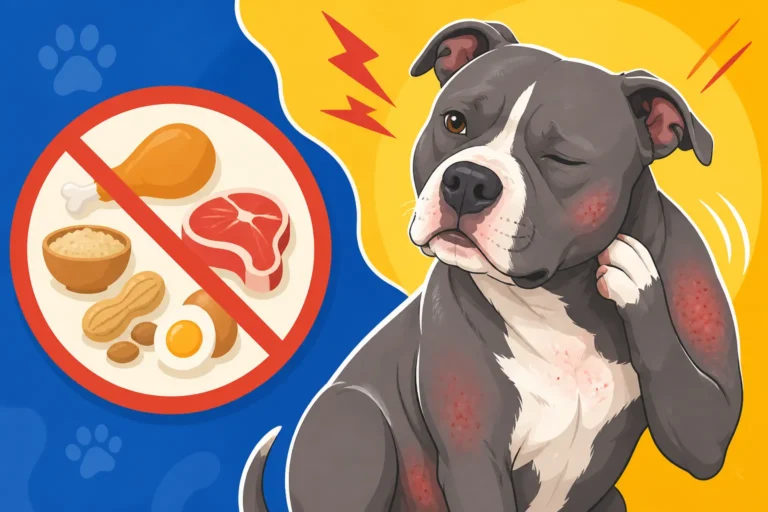
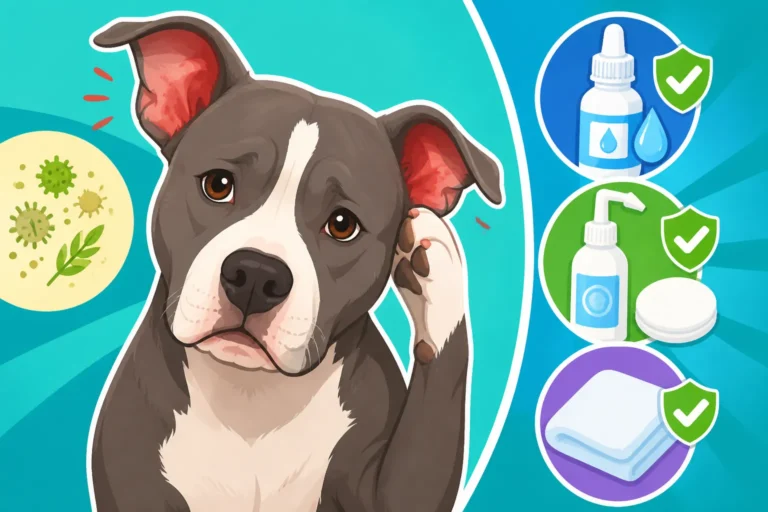
When your Pit Bull has atopy, you'll often see them scratching at their ears, rubbing their face along the carpet, or persistently chewing their paws. It’s a tell-tale sign that something deeper is going on. You might notice redness, bumps, or even thickened, darkened skin, especially in areas prone to moisture and irritation like their armpits, groin, and between their toes. Their short coat can sometimes make these signs even more obvious. This chronic itching can be seasonal, flaring up with pollen counts, or it can be a year-round battle if dust mites are the primary culprits. Many owners describe it as a constant battle, and it truly is. For a deeper dive into the condition, check out our article on Pit Bull Skin Allergies and the Atopy Pattern.
The frustration for owners is real. You try everything – diet changes, supplements, even just cleaning their bedding more often – and still, the itch persists. What starts as a simple itch can quickly escalate into secondary bacterial or yeast infections because the constant scratching breaks the skin barrier, allowing opportunistic microorganisms to take hold. This makes the itching even worse, creating a vicious cycle that's hard to break without intervention. Understanding that this isn't just "bad behavior" but a complex medical condition is the first step towards effective management.
How Skin Barriers Are Compromised
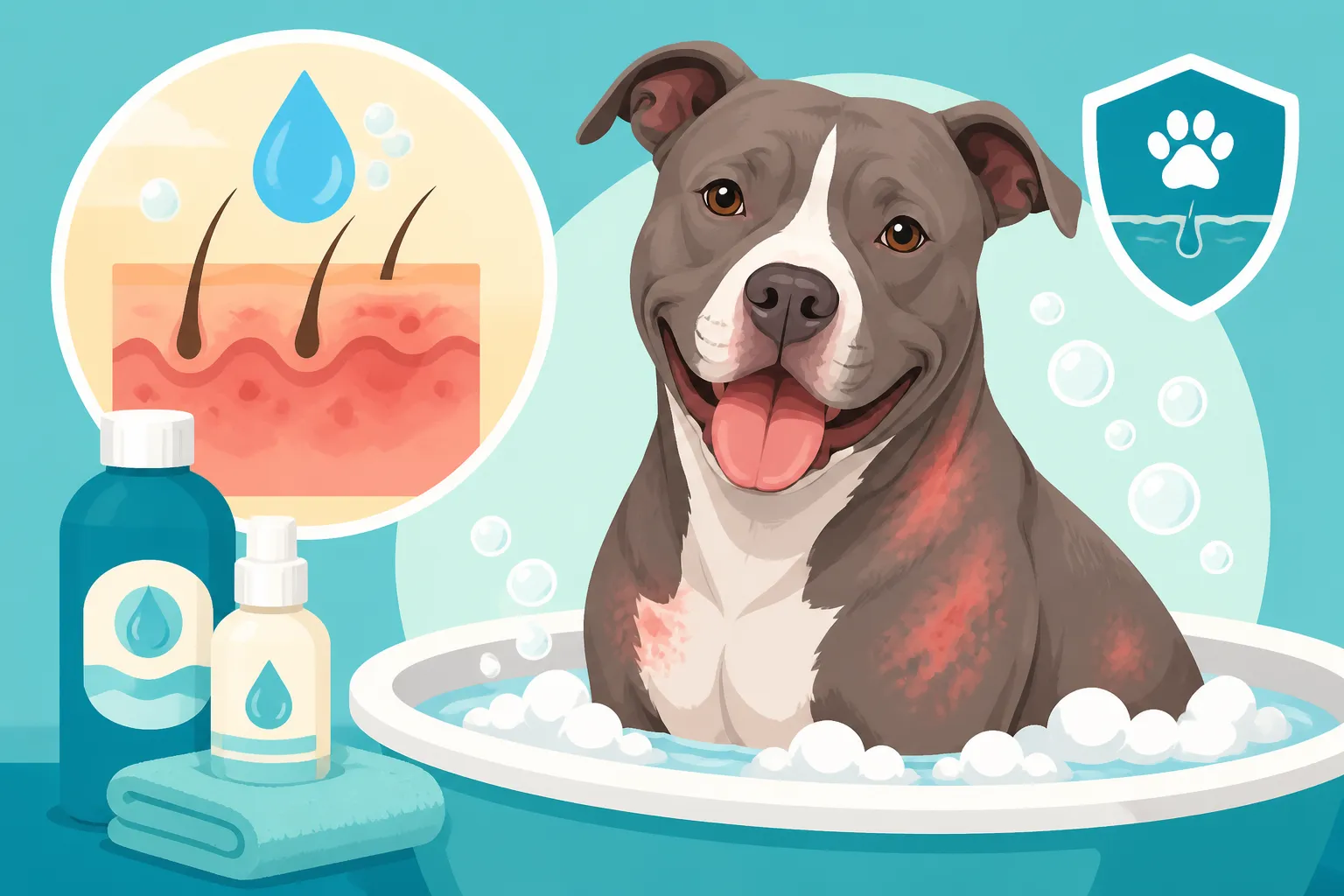
One of the key issues with atopy in Pit Bulls is a compromised skin barrier. Think of your dog's skin like a brick wall; the cells are the bricks, and the natural oils and lipids are the mortar holding them together. In dogs with atopy, this "mortar" isn't as strong, leaving gaps that allow allergens to penetrate more easily and moisture to escape. This leads to dryness, irritation, and makes the skin more permeable to those environmental triggers that cause the allergic reaction.
When allergens breach this weakened barrier, the immune system kicks into overdrive, releasing inflammatory chemicals that cause the intense itching and redness. This constant inflammation further damages the skin barrier, perpetuating the cycle. Medicated baths play a crucial role here because they can directly address both the surface allergens and the secondary infections, while also helping to restore some integrity to that compromised skin barrier. They can wash away irritants, deliver soothing ingredients, and fight off the bacterial or yeast invaders that make life miserable for your furry friend. This multi-pronged approach is often essential for bringing relief.
Choosing the Right Medicated Shampoo for Your Pit Bull
Selecting the correct medicated shampoo is paramount. It’s not a one-size-fits-all situation, and what works wonders for one dog might do nothing for another. This is where your veterinarian's guidance is invaluable, as they can accurately diagnose the underlying issues and recommend the most effective treatment.
Identifying Active Ingredients
Medicated shampoos contain specific active ingredients designed to target different aspects of skin problems. For atopy, you'll often find ingredients aimed at combating yeast, bacteria, or reducing inflammation and itch.
- Antifungal ingredients: Look for ingredients like Miconazole or Ketoconazole. These are excellent for treating yeast infections, which often show up as greasy, smelly skin, especially in skin folds or between toes. If your Pit Bull has developed Yeast Infections in Pit Bull Skin Folds, an antifungal shampoo will be a vital part of their treatment plan.
- Antibacterial ingredients: Chlorhexidine is a common and very effective antibacterial agent. It helps kill bacteria on the skin surface, reducing secondary bacterial infections (pyoderma) that frequently accompany atopy. Sometimes, your vet might recommend a shampoo combining both antifungal and antibacterial properties for broad-spectrum coverage.
- Anti-itch/Soothing ingredients: Colloidal oatmeal, pramoxine, and hydrocortisone can provide immediate relief from itching. These are great for soothing inflamed skin and breaking the itch-scratch cycle, even if they don't treat the underlying infection. However, they are often paired with other active ingredients to address the root cause more completely.
- Keratolytic agents: Ingredients like salicylic acid or sulfur can help break down excessive scales and crusts on the skin, which can sometimes be a problem with chronic skin conditions. They also have mild antibacterial and antifungal properties.
Choosing the right shampoo hinges on what your vet has diagnosed. Is it predominantly a yeast issue, a bacterial one, or just overwhelming itch? A good pet insurance plan, like those offered by Healthy Paws, can help manage the costs associated with repeated vet visits and various prescription shampoos, which can certainly add up over time.
Prescription Versus Over-the-Counter Options
While there are many over-the-counter (OTC) medicated shampoos available, a prescription-strength shampoo from your veterinarian is often necessary for severe or chronic cases of atopy.
Over-the-Counter Shampoos:
These are generally milder and contain lower concentrations of active ingredients. They can be helpful for mild flare-ups, general maintenance for sensitive skin, or as a complementary therapy alongside prescription medications. Ingredients like colloidal oatmeal are excellent for soothing irritated skin and can be found in many OTC products. If you're looking for a general soothing bath, our guide on Oatmeal and Soothing Baths for a Pit Bull offers great tips. However, they may not be potent enough to tackle significant bacterial or yeast overgrowth. It's always a good idea to discuss even OTC options with your vet to ensure they won't interfere with other treatments.
Prescription Shampoos:
These are specifically formulated with higher concentrations of active ingredients and are targeted to treat specific skin conditions diagnosed by your vet. They are often more expensive, but their efficacy can be significantly higher. Your vet might prescribe a shampoo for a specific duration or frequency based on the severity of your Pit Bull's condition. For instance, if your dog has a stubborn bacterial infection, a strong chlorhexidine-based prescription shampoo might be recommended for daily or every-other-day use initially. These are medications, not just hygiene products, and should be used exactly as directed. The cost of these specialized products, along with vet consultations, can become a significant expense, making it crucial for many owners to have a robust pet insurance policy from providers like Healthy Paws.
Here's a quick comparison of common medicated shampoo ingredients:
| Active Ingredient | Primary Action | Best For | Common Examples (Prescription/OTC) |
|---|---|---|---|
| Chlorhexidine | Antiseptic, Antibacterial | Bacterial skin infections (Pyoderma) | Vet-prescribed, some OTC versions |
| Miconazole/Ketoconazole | Antifungal | Yeast infections (Malassezia dermatitis) | Vet-prescribed, some OTC versions |
| Colloidal Oatmeal | Soothing, anti-itch, moisturizing | Dry, itchy, irritated skin, mild allergies | Mostly OTC |
| Pramoxine | Topical anesthetic, anti-itch | Quick itch relief | Often combined with other ingredients |
| Salicylic Acid/Sulfur | Keratolytic (removes scales), mild antiseptic | Seborrhea, flaky skin, mild infections | OTC and vet-prescribed versions |
| Benzoyl Peroxide | Antibacterial, follicular flushing | Deep bacterial infections, oily skin | Vet-prescribed |
The Step-by-Step Process of a Medicated Bath
Giving a medicated bath isn't quite the same as a regular wash. To get the full benefit, you need to follow specific steps, particularly regarding contact time. This isn't just about getting your Pit Bull clean; it's about delivering medicine to their skin.
Pre-Bath Preparation
Before you even turn on the water, a little preparation can make the process much smoother and more effective.
First, brush your Pit Bull thoroughly. This helps remove loose hair, dirt, and any shedding skin, allowing the medicated shampoo to reach the skin more effectively. For Pit Bulls with their short, dense coats, a rubber curry brush works wonders. This step also gives you a chance to check for any new hot spots or skin irritations that need extra attention.
Next, gather all your supplies. You'll need:
- Your chosen medicated shampoo
- A separate, gentle conditioner (optional, but recommended for moisturizing after medicated washes)
- Several clean towels
- Cotton balls for ear protection
- A non-slip mat for the tub or shower (crucial for a strong, sometimes wiggly, Pit Bull)
- Plenty of treats to make it a positive experience!
Protecting their ears is key, especially if your Pit Bull is prone to ear infections. Place a cotton ball loosely in each ear canal to prevent water from getting in. If water gets trapped, it can exacerbate or even cause ear issues. Our guide on Cleaning a Pit Bull Ear Properly can offer more advice on keeping those ears healthy. Lastly, ensure the water temperature is comfortably warm – not hot, not cold – to avoid shocking or irritating your already sensitive dog.
Application and Contact Time
This is where medicated baths truly differ from a regular wash. The active ingredients need time to work their magic on your Pit Bull's skin.
Wet your dog completely with warm water. Make sure their entire coat, down to the skin, is saturated. Then, apply the medicated shampoo generously. Start at the neck and work your way down their body, paying special attention to problem areas like paws (if they're constantly doing Pit Bull Paw Licking and Chewing), armpits, groin, and any visibly irritated patches. Lather thoroughly, making sure the shampoo really gets down to the skin, not just on the fur. You might need quite a bit of shampoo for a muscular Pit Bull.
Now comes the most critical part: contact time. Most medicated shampoos require a contact time of 5 to 10 minutes to be effective. This means the lather needs to stay on your dog's skin for that entire duration. This can be tricky with a wiggly Pit Bull! This is where those treats come in handy. Keep them engaged, offer praise, or even try a lick mat smeared with peanut butter stuck to the side of the tub. For very anxious dogs, you might need a second person to help keep them calm and in place. Set a timer so you don't cut this crucial step short. Missing this contact time means the medication won't have a chance to do its job, making the bath less effective.
Rinsing and Drying Thoroughly
After the contact time is up, rinse your Pit Bull meticulously. This is just as important as the application. Any residue left on the skin can cause further irritation, dryness, or even attract more dirt and allergens. Rinse, and then rinse again, using your fingers to work through the coat and ensure all traces of shampoo are gone. Pay close attention to their belly, armpits, and between their toes, as these areas often hold onto shampoo.
Once thoroughly rinsed, it's time to dry them gently but completely. Use soft, absorbent towels to blot away as much water as possible. If your Pit Bull tolerates it, a low-heat hairdryer can speed up the process, especially for those thick areas, but be careful not to overheat their skin. For Pit Bulls, whose short coats mean they don't hold much water, towel drying might be sufficient. However, ensuring they are fully dry is important, especially in skin folds, to prevent moisture from encouraging yeast or bacterial growth. Let them air dry in a warm, draft-free area, or keep them moving to prevent them from getting chilled. Some owners find that a warm, fuzzy dog bathrobe can help with the initial drying and keep them cozy.
Beyond the Bath: Maintaining Skin Health
Medicated baths are a powerful tool, but they are often just one piece of a larger puzzle in managing your Pit Bull's atopy. Consistent, ongoing care and vigilant monitoring are essential for long-term skin health and comfort.
Complementary Treatments and Routine
To truly get ahead of atopy, you'll likely need a multi-faceted approach. Your veterinarian might recommend combining medicated baths with other treatments. This could include oral medications like antihistamines, corticosteroids during severe flare-ups, or newer targeted therapies such as Apoquel or Cytopoint. These medications work differently from baths but can significantly reduce the internal allergic reaction and itch. If you’re considering these, our article on Apoquel and Cytopoint for an Itchy Pit Bull offers more insight.
Dietary management also plays a role. While atopy is primarily environmental, some Pit Bulls can have concurrent food allergies, which can exacerbate skin issues. Your vet might suggest an eight-week food trial with a novel protein or hydrolyzed diet to rule this out. Supplements like omega-3 fatty acids can also help improve skin barrier function and reduce inflammation from the inside out. Regularly wiping your Pit Bull's paws after walks, especially if they've been in grassy areas, can help remove pollen and other environmental allergens before they have a chance to penetrate the skin and trigger an allergic reaction. This simple step, detailed in Wiping Pit Bull Paws After Grass, can make a real difference.
Maintaining a consistent bathing schedule, as recommended by your vet, is vital. It’s not just about bathing when your Pit Bull is itchy; regular prophylactic baths can help prevent flare-ups by keeping allergen loads down and the skin barrier healthy. Think of it as preventative medicine.
Monitoring for Flare-Ups
Even with a diligent routine, flare-ups can happen. It's crucial to be vigilant and know the early signs so you can intervene quickly. Keep a close eye on your Pit Bull's behavior:
- Are they scratching more than usual?
- Is the paw licking becoming obsessive?
- Are there new red patches, bumps, or flaky areas on their skin?
- Is their skin developing an unusual odor, which could indicate a yeast or bacterial overgrowth?
Sometimes, the frustration of persistent itching can even change a dog's demeanor. A typically sweet Pit Bull might become snappy if they're constantly uncomfortable, as explored in Why a Pit Bull Snapping During a Skin Flare. Prompt action is essential. If you notice any worsening symptoms, don't hesitate to contact your vet. They might recommend adjusting the bathing frequency, changing the medicated shampoo, or adding a new medication to their regimen.
Remember, managing atopy is a marathon, not a sprint. It requires patience, consistency, and a close working relationship with your veterinary team. While the costs of managing chronic conditions like atopy can be high, including specialized shampoos, medications, and vet visits, a good pet insurance plan from a provider like Healthy Paws can significantly alleviate the financial burden, allowing you to focus on getting your Pit Bull the best possible care without worrying about every bill. Investing in your Pit Bull's skin health is an investment in their overall happiness and well-being.
Disclaimer
This guide offers general information and advice regarding medicated baths for Pit Bulls with atopy. It is not a substitute for professional veterinary medical advice, diagnosis, or treatment. Always consult with your veterinarian for any health concerns or before making any changes to your pet's health care regimen.