Pit Bull Food Allergy Signs Beyond the Skin
It's incredibly frustrating when your beloved Pit Bull is clearly uncomfortable, but the usual culprits for itching or skin irritation don't seem to fit. We often hear about Pit Bull skin allergies, with all the scratching, paw licking, and hot spots that come along with them. But what if your dog's food allergy isn't just showing up on their skin? This comprehensive guide will delve into the often-overlooked signs of food allergies in Pit Bulls that extend far beyond a simple itch, helping you understand your dog's less obvious distress signals.
The Gastrointestinal Rollercoaster: When Food Upsets the Gut
When we think of food allergies, our minds almost instinctively jump to skin issues like itching, rashes, and incessant paw chewing. And yes, Pit Bull Paw Licking and Chewing are classic signs. But for many Pit Bulls, the primary battlefield for a food allergy is actually their digestive system. It's a cruel twist when you're trying your best to feed them well, only for their food to be the very thing causing them internal turmoil.
Imagine your Pit Bull, usually a robust eater, suddenly turning their nose up at their bowl, or worse, eating enthusiastically only to suffer the consequences hours later. These gut-level reactions are incredibly common, yet sometimes hard to pinpoint because they can mimic other digestive upsets. The key is often the chronic, persistent nature of these symptoms, popping up repeatedly despite efforts to soothe their stomach. It’s not just a one-off bout of diarrhea; it’s a pattern that signals something deeper is amiss with their regular diet.
Chronic Vomiting and Regurgitation
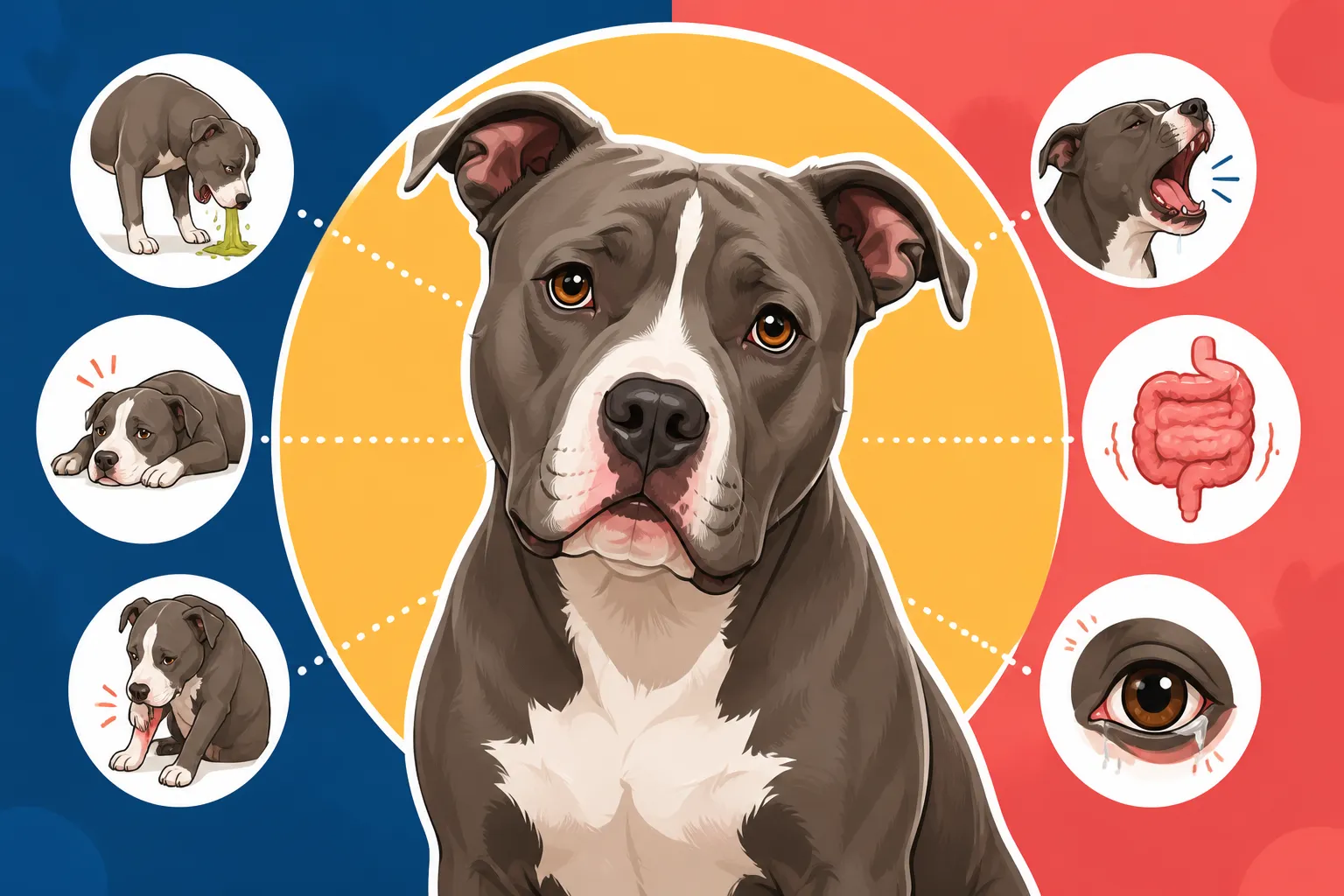
While an occasional regurgitation of food or a random bout of vomiting might not raise immediate red flags, if your Pit Bull is consistently bringing up their meals, especially within a few hours of eating, it’s a significant warning sign. This isn't just them eating too fast; it's a reaction. Regurgitation, specifically, is often passive and happens shortly after eating, usually without much effort from your dog. The food might look undigested, almost like it just came up the way it went down. Vomiting, on the other hand, is more forceful and often involves heaving and retching.
In the context of a food allergy, this can be the body’s way of rejecting an ingredient it perceives as a threat. Think about it from your dog's perspective: they eat something, and their digestive system immediately sends signals of distress, causing them to expel it. This chronic irritation can lead to inflammation of the esophagus or stomach lining, making them even more sensitive over time. It’s a vicious cycle that can seriously impact their comfort and ability to absorb nutrients.
Persistent Diarrhea and Loose Stools
Diarrhea is perhaps one of the most common non-skin signs of a food allergy. It's not just a momentary loose stool after a new treat; we're talking about persistent, soft, or watery stools that seem to never quite firm up. Sometimes it's a daily occurrence, other times it might come and go, but it's always lurking, ready to disrupt your dog's routine. You might find yourself constantly cleaning up messes, wondering if it's just a sensitive stomach or something more.
This constant digestive upset can also manifest as flatulence (gas), often quite pungent and frequent, or even gurgling noises from their belly. The inflammation in the intestines caused by an allergic reaction prevents proper absorption of water and nutrients, leading to watery stools. Over time, this malabsorption can lead to weight loss, even if your Pit Bull is eating a normal amount of food. If you've tried different parasite treatments or probiotics without lasting success, it's definitely time to consider what's actually in their food bowl.
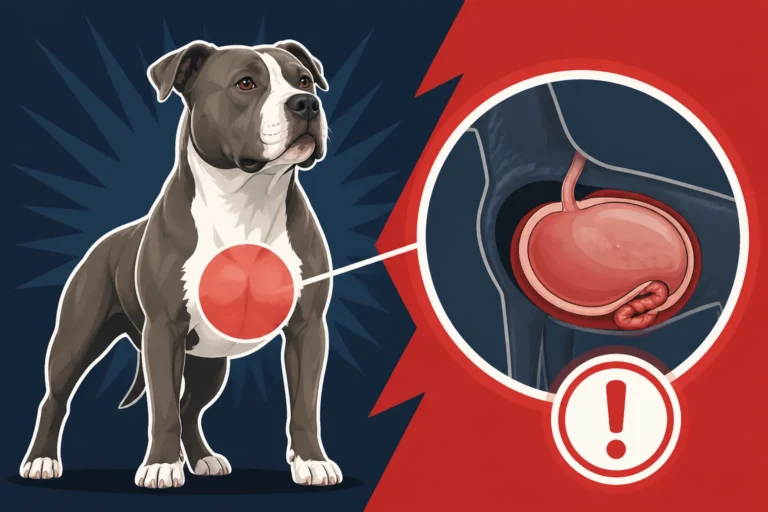
Abdominal Pain and Bloating
A less obvious, but equally distressing, sign of a food allergy can be chronic abdominal discomfort. Your Pit Bull might not be able to tell you they have a tummy ache, but their behavior can give it away. They might become restless, repeatedly stretch in a "prayer pose" (front paws down, rear end up – a common sign of abdominal pain), or appear hunched. Some dogs might even growl or snap if you try to touch their belly, which is usually a place they love to have rubbed.
Bloating, or a distended abdomen, can also be present, often accompanied by increased gas. This isn't the sudden, life-threatening bloat (gastric dilation-volvulus) that deep-chested breeds like Pit Bulls can be prone to, but rather a chronic, milder distension due to intestinal inflammation and gas buildup. It can make them uncomfortable, impacting their desire to play or even their overall demeanor. If your usually energetic Pit Bull seems lethargic or withdrawn, and you notice these subtle signs of abdominal discomfort, it’s certainly worth investigating their diet.
Beyond the Obvious: Unexpected Allergy Manifestations
It's easy to get tunnel vision when it comes to allergies, focusing solely on skin and gut issues. But our dogs are complex creatures, and their immune systems can express sensitivities in incredibly varied and sometimes baffling ways. A food allergy doesn't always follow the script; sometimes, it sends signals from left field, making diagnosis a real challenge. Many owners are stumped when they see these unusual symptoms, not immediately connecting them back to what’s in the food bowl.
Chronic Ear Infections
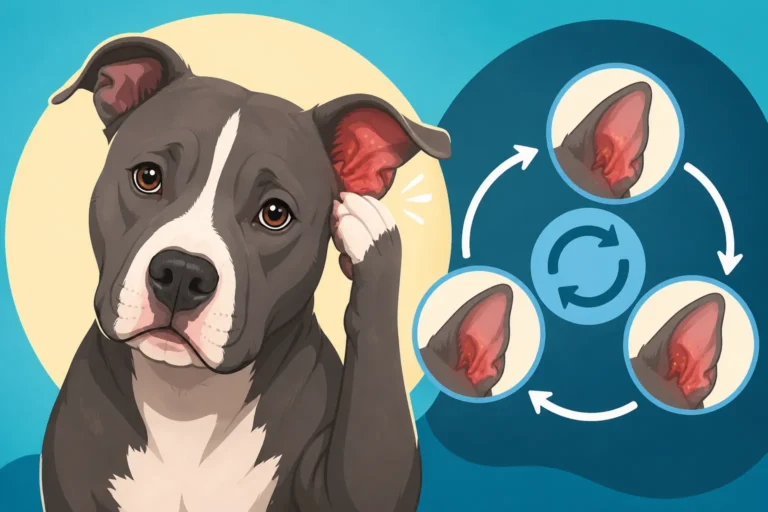
This one often catches people by surprise. You might be dealing with recurring Pit Bull Ear Infections and What Drives Them, constantly cleaning, medicating, and visiting the vet, all while assuming it’s an environmental allergy or just bad luck. But for many Pit Bulls, chronic ear infections are a direct manifestation of a food allergy. The inflammation triggered by an offending food ingredient can extend to the delicate tissues of the ear canal, making it a perfect breeding ground for yeast and bacteria.
Think of it as an "inside-out" reaction. Instead of manifesting on the general skin surface, the allergic response creates a warm, moist, and inflamed environment deep within the ear. You might notice excessive head shaking, scratching at the ears, a foul odor, or a dark discharge. If your Pit Bull has a history of ear infections that clear up with medication only to return weeks later, and other causes have been ruled out, it’s highly probable that their diet is playing a significant role. It’s a frustrating cycle, and one that often leads owners to look for external solutions when the problem is internal.
Eye Discharge and Irritation
Just like ear issues, eye problems can sometimes be traced back to food allergies. We’re not talking about typical "sleepy dust" here, but rather persistent tearing, redness in the whites of the eyes, or a gooey discharge that collects in the corners. Your Pit Bull might rub their face more often, trying to alleviate the irritation, or even squint. It can look a lot like environmental allergies or even a minor eye infection.
The delicate mucous membranes of the eyes can react to allergens ingested through food, similar to how human eyes water and itch during hay fever season. This constant irritation can make their eyes more susceptible to secondary infections, adding another layer of discomfort. If you’ve been using eye drops or wipes without much long-term success, and your Pit Bull also displays other subtle allergy signs, it's worth considering a dietary link.
Respiratory Symptoms: Sneezing and Wheezing
While less common than skin or GI issues, some Pit Bulls can develop respiratory symptoms due to food allergies. This might include chronic sneezing, a runny nose that isn't due to a cold, or even a subtle cough or wheezing. It can be particularly confusing because these symptoms often mimic environmental allergies or even minor respiratory infections.
The allergic inflammation can affect the airways, leading to excess mucus production or narrowing of the bronchial tubes. If your Pit Bull seems to have a perpetual "sniffle" or a cough that just won't quit, and other causes have been ruled out, their food could be the silent culprit. It's another example of how food allergies can manifest in ways you might least expect, making diagnosis a true detective effort.
Behavioral Changes
This is perhaps the most unexpected and often overlooked symptom. Chronic discomfort, whether from an itchy skin, an upset stomach, or aching ears, can significantly impact your Pit Bull’s mood and behavior. Imagine being constantly itchy or having an upset stomach – it would make anyone grumpy! Your usually happy-go-lucky Pit Bull might become more irritable, restless, or even withdrawn.
You might notice increased anxiety, excessive licking (not just paws, but other body parts in an obsessive manner), or even mild aggression due to constant pain or irritation. Sleep patterns can be disrupted, as their discomfort keeps them from settling down. While it's crucial to rule out other medical or behavioral causes, if you notice a significant, unexplained shift in your Pit Bull’s personality alongside other subtle physical signs, it’s worth considering the role of a food allergy. A dog in chronic discomfort is not a happy dog, and these changes are a cry for help.
Navigating the Path to Diagnosis and Relief
So, you suspect your Pit Bull might have a food allergy manifesting in these non-skin ways. What's next? The journey to diagnosis can feel like a maze, but understanding the steps can empower you to advocate for your dog and get them the relief they deserve. It's a commitment, but the payoff of seeing your Pit Bull comfortable and thriving is immeasurable. Remember, patience and consistency are your best allies here.
The Elimination Diet: The Gold Standard
When it comes to diagnosing food allergies, an elimination diet is universally considered the gold standard. Unlike blood or saliva tests, which can often be unreliable for food allergies, a food trial directly tests your dog's reaction to different ingredients. This involves feeding your Pit Bull a novel protein and carbohydrate source – meaning something they have never eaten before – for a strict period of at least 8 to 12 weeks. This could be something like venison and potato, duck and pea, or even a hydrolyzed protein diet where the proteins are broken down so small that the immune system doesn't recognize them as allergens.
During this period, absolutely nothing else should pass their lips: no treats, no table scraps, no flavored medications, no flavored toys. This is critical for an accurate diagnosis. Even a tiny bite of an old allergen can derail the entire process. After the 8-12 weeks, if symptoms have improved, you then systematically reintroduce old ingredients, one at a time, to see which one triggers a reaction. If, for example, chicken causes their diarrhea to return, you’ve found your culprit.
| Symptom Category | Common Signs of Food Allergy Beyond Skin | Potential Impact on Pit Bull |
|---|---|---|
| Gastrointestinal | Chronic vomiting or regurgitation | Malnutrition, weight loss, dehydration, discomfort |
| Persistent diarrhea / loose stools | Dehydration, electrolyte imbalance, discomfort, frequent accidents | |
| Excessive gas and bloating | Abdominal pain, restlessness, reduced appetite | |
| Abdominal pain (hunched posture, sensitive to touch) | Reduced activity, irritability, anxiety | |
| Respiratory | Chronic sneezing, runny nose | Discomfort, secondary infections |
| Occasional coughing or wheezing | Reduced exercise tolerance, irritation | |
| Ocular (Eyes) | Persistent eye discharge (tearing, gooey) | Irritation, rubbing face, potential for secondary infections |
| Redness in eyes, frequent squinting | Discomfort, reduced vision clarity | |
| Ear Issues | Recurrent ear infections (yeast/bacterial) | Pain, itching, head shaking, odor, hearing issues |
| Excessive ear scratching or head tilting | Discomfort, potential for aural hematomas | |
| Behavioral | Increased irritability or restlessness | Stress, anxiety, reduced quality of life |
| Lethargy or withdrawal | Underlying discomfort, loss of interest in activities | |
| Disrupted sleep patterns | Chronic stress, fatigue |
It can be a challenging journey to find the right food. Many pet food brands, like Purina Pro Plan Veterinary Diets or Royal Canin, offer prescription hydrolyzed protein or novel protein diets specifically formulated for elimination trials. These are often the safest bet to ensure no cross-contamination. If you have pet insurance, some plans like those from Healthy Paws may cover the diagnostic tests and prescription diets if deemed medically necessary, so it's always worth checking your policy.
Working with Your Veterinarian and Potential Specialists
An elimination diet is a serious undertaking and should always be done under the guidance of your veterinarian. They can help you select an appropriate diet, monitor your Pit Bull's progress, and rule out other potential causes for their symptoms. For instance, sometimes these symptoms can be due to parasites, bacterial overgrowth, or other inflammatory bowel conditions that require different treatments. Your vet can perform tests like fecal exams, blood work, or even biopsies to get a complete picture.
In some complex cases, your veterinarian might recommend consulting with a veterinary dermatologist or an internal medicine specialist. These specialists have advanced training and diagnostic tools to help pinpoint elusive allergies or other underlying conditions. They can provide tailored advice and support through the elimination diet process, which can be invaluable when you're feeling overwhelmed. For more about skin-specific allergy issues, you might find our guide on Food Allergies Behind Pit Bull Itching helpful as well.
Managing a Diagnosed Food Allergy Long-Term
Once a food allergy is diagnosed, the long-term management primarily involves strict avoidance of the offending ingredient(s). This means carefully reading every single ingredient label on your Pit Bull’s food, treats, and even chews. Many common allergens include chicken, beef, dairy, wheat, and soy, but any ingredient can be a culprit.
You’ll need to find a commercially prepared diet that is free from these allergens or, with veterinary guidance, explore home-cooked options. Maintaining this strict diet is crucial to prevent symptoms from returning. It might feel restrictive at first, but with so many novel protein and limited ingredient diets available today, finding suitable options is more manageable than ever. Brands like Hill's Prescription Diet also offer a range of solutions for dogs with food sensitivities. Regular check-ups with your vet will help ensure your Pit Bull remains healthy and that their allergy is well-managed. They can also advise on supplements, such as omega-3 fatty acids, which can support overall gut and skin health, even if the primary allergy isn't skin-related. Staying consistent is key to keeping your Pit Bull happy and healthy for the Twelve to Sixteen Years a Pit Bull Gets.
Remember, recognizing these less obvious signs of food allergies in your Pit Bull is the first step towards getting them the relief they need. It takes dedication and a bit of detective work, but seeing your beloved companion comfortable and thriving again makes every effort worthwhile.
Disclaimer
This article is intended for informational purposes only and does not constitute medical advice. Always consult with a qualified veterinarian for any health concerns or before making any decisions about your Pit Bull's health care or treatment plan.