Drying a Pit Bull Ear After Swimming
There’s nothing quite like watching your Pit Bull dive headfirst into the water, whether it’s a cool lake on a hot day or even just a backyard kiddie pool. Their joy is contagious! But once the splashing stops and the happy shakes begin, a common worry starts to bubble up for many of us: those wet ears. Pit Bulls, with their deep, somewhat convoluted ear canals, are particularly prone to trapping moisture, which, as many of us have learned the hard way, can quickly turn into a nasty, uncomfortable, and often painful ear infection. This guide will walk you through a clear, step-by-step process for effectively drying your Pit Bull’s ears after swimming, helping you prevent those all-too-common canine ear woes.
Why Wet Ears Are Such a Big Deal for Pit Bulls
It might seem like a simple splash in the water shouldn't lead to big problems, but when it comes to a Pit Bull's ears, even a little moisture can create a perfect storm for trouble. Understanding why their ears are so susceptible is the first step in prevention.
The Anatomy of a Pit Bull's Ear
Unlike humans, whose ear canals are relatively straight, a dog's ear canal takes a sharp turn, forming an L-shape. For Pit Bulls, this structure can be particularly deep and narrow. Imagine a long, winding tunnel with a bend in it – water can easily get trapped in the deeper parts, especially around that bend. This design, while perhaps offering some protection from debris, unfortunately makes it an ideal incubator when moisture is added.
Once water enters, it doesn't just evaporate easily. It sits there, creating a humid, warm environment deep inside the ear. This trapped moisture softens the delicate skin lining the ear canal, making it more vulnerable to irritation and infection. It's like leaving a damp towel in a warm bathroom – it’s only a matter of time before things start to get a bit… funky.
The Risk of Yeast and Bacterial Infections
That warm, moist, dark environment is precisely what yeast and bacteria absolutely love. They thrive in these conditions, multiplying rapidly and causing inflammation and infection. Yeast infections often present with a distinct, sweet-ish or bread-like odor, sometimes accompanied by a brownish discharge. Bacterial infections can be even more severe, leading to strong, foul odors, yellowish or greenish pus, and intense pain.
The discomfort from these infections can drive your Pit Bull to extreme measures, including relentless scratching, head shaking, or rubbing their ears against furniture. This constant irritation only worsens the problem, potentially leading to self-inflicted wounds, hematomas (blood blisters) on the ear flap from violent shaking, or even deeper infections. It’s a miserable cycle for our active pups, and it's one we want to avoid at all costs. Regular care is paramount to breaking this potential chain of events, especially if your dog is prone to Pit Bull Ear Infections and What Drives Them.
The Cycle of Itching and Inflammation
When moisture lingers in the ear, it doesn't just invite microbes; it directly irritates the sensitive skin. This initial irritation makes your Pit Bull feel itchy, leading to scratching and head shaking. This physical trauma further inflames the ear canal, causing swelling and even more discomfort. As the ear canal swells, it becomes even harder for air to circulate, making it even more difficult for any remaining moisture to dry out naturally.
This creates a vicious cycle: wetness leads to irritation, irritation leads to scratching, scratching leads to inflammation, and inflammation creates a worse environment for the ear to heal, potentially paving the way for chronic issues. If your Pit Bull seems to get Pit Bull Ear Infections Every Few Months, lingering moisture after water activities might be a key culprit you need to address. It’s a frustrating situation for both dog and owner, and it’s why proactive drying is so vital.
Essential Tools for Effective Ear Drying
Having the right arsenal of tools at your fingertips makes the ear-drying process much smoother and more effective. You don't need a full grooming salon, but a few key items will make all the difference.
Absorbent Materials
When it comes to absorbing moisture, simple is often best. Stock up on soft, sterile cotton balls or clean gauze pads. These are perfect for gently wiping out the outer ear and any visible folds within the ear canal. The key word here is gentle. You want to blot and wipe, not scrub aggressively, which could irritate already sensitive skin.
It’s crucial to avoid using cotton swabs (Q-tips) deep inside your Pit Bull's ear canal. While tempting, these can actually push debris and moisture further down, compacting it against the eardrum and potentially causing damage. Stick to using cotton balls or gauze wrapped around your finger for the visible parts only. You can easily find large packs of pet-safe cotton balls or gauze at any pharmacy, or often bundled with pet care supplies on Chewy or Amazon. A soft, clean washcloth dedicated solely to ear care can also be a handy addition.
Gentle Ear Drying Solutions
Ear drying solutions are specifically designed to help evaporate moisture and often contain ingredients that discourage microbial growth. You’ll typically find two main types: alcohol-based and non-alcohol-based. Alcohol-based solutions work by speeding up evaporation, but they can be irritating if your Pit Bull's ears are already red, inflamed, or have open sores. They also might sting a bit, which can make a sensitive dog even more resistant to the process.
Non-alcohol-based solutions are generally gentler and often include ingredients like witch hazel or boric acid, which have mild antiseptic properties, along with agents to help dry without irritation. Always choose a product specifically formulated for dogs. Your veterinarian can recommend a good quality ear drying solution, especially if your Pit Bull has a history of sensitive ears or allergies. When choosing, you might want to consider products often suggested in discussions around Which Ear Solutions Suit an Allergic Pit Bull.
Optional: Low-Heat Hair Dryer
For some Pit Bulls, especially those with very dense fur around their ears or those who have been completely submerged, a low-heat hair dryer can be a helpful addition, if used correctly and cautiously. The emphasis here is on "low-heat" and "cautiously." High heat can burn their delicate skin, and the noise can be frightening.
If you decide to use a hair dryer, always use the coolest and lowest setting. Hold the dryer at least a foot away from the ear, constantly moving it to avoid concentrating heat in one spot. The goal is gentle airflow, not intense heat. It’s a good idea to introduce your Pit Bull to the sound and sensation of the dryer gradually, well before they need their ears dried. Let them sniff it, turn it on far away, and offer treats to create positive associations. Never force it; if your dog is terrified, it’s not worth the stress.
Step-by-Step Guide to Drying Your Pit Bull's Ears
Now that you have your tools ready, let's get down to the actual drying process. Consistency and gentleness are your best friends here.
Pre-Drying Shake and Initial Wipe
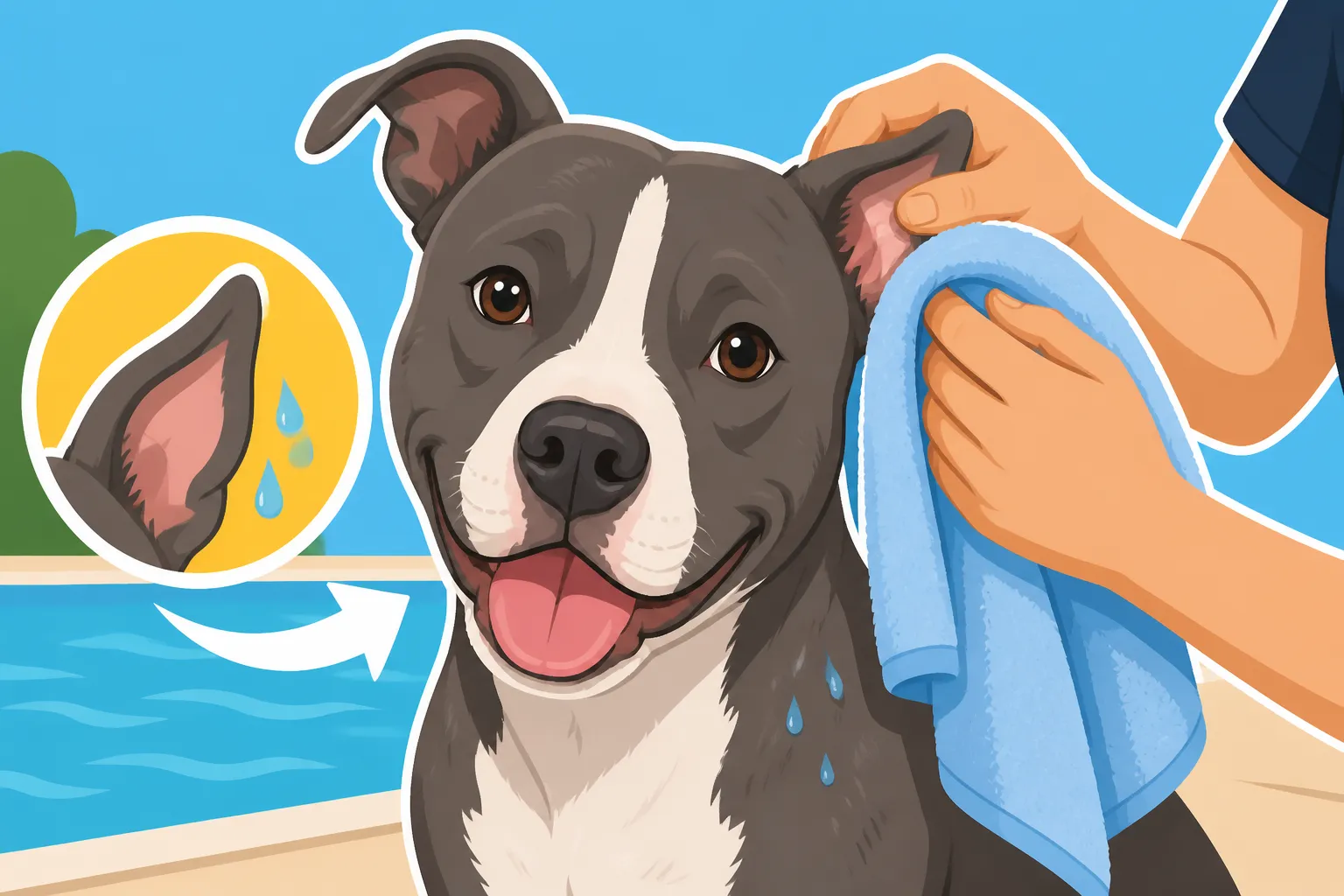
First things first, after your Pit Bull emerges from the water, let them do their natural, full-body shake. They're wired to do this, and it effectively expels a significant amount of water from their fur and, importantly, from the outer parts of their ears. Don't rush this; let them get a good, thorough shake-off.
Once they've done their thing, gently approach their ears. Using a soft, clean cloth or a piece of gauze, carefully wipe the outer ear flap (the pinna) and any visible folds or creases. You're aiming to remove the superficial moisture that's easy to reach. This initial wipe sets the stage for the deeper drying process and is a crucial first step in any ear cleaning routine, even before you consider Cleaning a Pit Bull Ear Properly. Be calm and offer praise – making this a positive experience will make future sessions much easier.
Applying a Drying Solution
With the superficial moisture gone, it's time for the ear drying solution. Carefully read the instructions on your chosen product, as application methods can vary slightly. Generally, you'll lift your Pit Bull's ear flap and gently squeeze the recommended amount of solution into the ear canal. You don't need to fill the ear entirely; just enough to coat the inside.
Once the solution is in, gently massage the base of your Pit Bull's ear for about 20-30 seconds. You should hear a squishing sound as the liquid moves around inside the canal. This massaging action helps the solution reach all the nooks and crannies, dislodging any remaining water and debris. After massaging, allow your Pit Bull to shake their head again; this will help expel the solution and any loosened gunk. The solution works by altering the surface tension of water, allowing it to evaporate more readily, and its antiseptic properties can help prevent the growth of unwanted microbes.
Deep Cleaning and Final Drying
After the shake, use fresh cotton balls or gauze pads to gently wipe away any excess solution, loosened debris, and remaining moisture from the visible parts of the ear canal. Remember, only go as far as your finger can comfortably reach into the ear, without forcing anything. The goal is to absorb, not to push things deeper. Continue with fresh cotton until no more moisture or debris appears on the pad.
If you’re using a low-heat hair dryer, now is the time to employ it, keeping it on the lowest, coolest setting and at a safe distance. Gently direct the airflow into the ear canal, moving the dryer constantly to avoid heat buildup. This can help evaporate any stubborn moisture deeper in the canal. Always check the temperature on your own skin first. Some Pit Bulls might tolerate this better than others. If your Pit Bull is particularly sensitive to ear handling, consider working on Teaching a Pit Bull to Tolerate Ear Cleaning as a separate training exercise, making it a positive and gradual experience.
Here’s a quick comparison of common drying methods:
| Method | Pros | Cons | Best For |
|---|---|---|---|
| Cotton Balls/Gauze | Gentle, accessible, inexpensive | Only reaches visible parts, can miss deep moisture | Quick surface drying, gentle initial clean |
| Drying Solution | Penetrates deeper, aids evaporation, antiseptic | Can be irritating if ears are inflamed, requires dog cooperation | Thorough drying, preventative care |
| Low-Heat Hair Dryer | Evaporates moisture quickly, reaches deeper | Noise can be scary, risk of burns if misused, requires training | Very wet ears, dense ear fur |
| Natural Air Dry | No intervention needed, stress-free | Ineffective for deep canals, high risk of infection, slow | Not recommended for Pit Bulls after swimming |
Proactive Measures and When to Seek Veterinary Help
Drying your Pit Bull's ears thoroughly after swimming is a fantastic proactive step, but it's just one piece of the puzzle for overall ear health.
Regular Ear Care Routine
Don't wait for your Pit Bull to swim before thinking about their ears. A consistent, gentle ear care routine is key, especially if your dog loves water or is prone to issues. This means checking their ears regularly, perhaps once a week, for any signs of redness, odor, or discharge. If you notice a buildup of wax or dirt, a gentle ear cleaning solution (different from a drying solution, ask your vet for recommendations) can be used.
Remember that certain environmental factors, like pollen during allergy season, can also contribute to ear irritation. If your Pit Bull starts to show signs of discomfort, even without swimming, it might be linked to broader issues like Pit Bull Atopy and Seasonal Itching. Integrating ear checks into your regular grooming routine helps you catch potential problems early, often before they become full-blown infections.
Understanding Your Pit Bull's Ear History
Every Pit Bull is an individual. Some can swim all day and never have an ear problem, while others get an infection just from a damp morning. Knowing your specific dog’s history with ear health is crucial. If your Pit Bull has a history of skin allergies, for example, they are much more likely to develop ear infections. Pit Bull Skin Allergies and the Atopy Pattern often manifest as itchy, inflamed skin, and the ears are a common target. For these dogs, meticulous ear drying and perhaps even specific ear care products recommended by your vet are non-negotiable.
Keep a mental note, or even a physical one, of when and how often your Pit Bull has had ear issues. This information is invaluable to your veterinarian, helping them tailor the best preventative and treatment plan. Supporting your dog's overall health with a balanced diet, potentially exploring fresh food options like those offered by Ollie, can sometimes help manage underlying inflammatory conditions that might exacerbate ear issues, although direct ear drying remains the primary physical intervention for water exposure.
Signs That Warrant a Vet Visit
Even with the best preventative care, sometimes issues still arise. It's vital to recognize the signs that mean it's time to call your veterinarian. Don't delay, as ear infections can become much more painful and difficult to treat if left unchecked.
Look out for any of these symptoms:
- Excessive scratching or rubbing of the ears or head.
- Persistent head shaking or tilting.
- Strong, unpleasant odor coming from the ear.
- Redness or swelling of the ear flap or inside the canal.
- Discharge from the ear – this can be brown, black, yellow, or green, and might look waxy, crusty, or pus-like.
- Pain when you touch their ear.
- Reluctance to open their mouth wide or chew on hard toys, which can indicate ear pain.
- Changes in behavior, such as lethargy or irritability.
If you notice any of these signs, please reach out to your vet. They can properly diagnose the type of infection (yeast, bacterial, or mites) and prescribe the appropriate medication, which might include specific ear drops or oral antibiotics. Early intervention can save your Pit Bull a lot of discomfort and prevent the infection from becoming chronic or causing permanent damage.
Disclaimer
This article is for general informational purposes only and does not constitute professional advice. Laws, prices and regulations vary by location and change over time. Consult a qualified professional for guidance on your specific situation.