Brushing Behind a Pit Bull’s Back Teeth
One of the biggest struggles we Pit Bull owners face isn't just getting our big, goofy dogs to tolerate having their teeth brushed, it's actually reaching those far-back molars. You know the ones – deep in the back, where tartar loves to build up unnoticed, causing bad breath and serious health issues. This guide is all about tackling that specific challenge, breaking down the best tools and techniques to ensure those crucial back teeth get the attention they deserve, helping you keep your beloved Pit Bull's smile healthy and bright.
Understanding Your Pit Bull's Mouth Anatomy
Before we even think about wielding a toothbrush, it helps immensely to understand the landscape of your Pit Bull's mouth. These aren't dainty little poodles we're dealing with; Pit Bulls have a powerful, athletic build, and their mouths are designed for strength and grip. This unique anatomy, while impressive, can sometimes make dental care a bit of a strategic puzzle for us owners. Knowing what you're up against is the first step to conquering those tricky back teeth.
The Powerful Jaws and Broad Snout
Pit Bulls are known for their strong jaws, and for good reason! Their bite force is formidable, and their broad snouts mean there's a good amount of cheek and lip tissue to contend with when you're trying to get a brush into position. This isn't just about their capacity to chew through the toughest toys; it influences how you need to approach their mouths for cleaning. The musculature around their jaw is dense, giving them incredible power, but also making their mouths feel quite "full" when you're trying to maneuver a toothbrush inside. You might find it hard to get a clear line of sight or access, especially if your dog isn't thrilled about the process to begin with.
Beyond the sheer strength, the shape of a Pit Bull’s head—often broad and blocky—can lead to some tighter spaces in the back of the mouth. When their mouths are closed or only slightly open, those back molars can feel incredibly recessed. Many owners mistakenly think they've cleaned everything by just brushing the visible front teeth and the canines, but it's the hidden molars and premolars that are often doing the heavy lifting when it comes to chewing, and thus accumulate the most plaque and tartar. Neglecting these areas is like only washing half your car; you might think you’re doing a good job, but the hidden grime is still there.
The Importance of Those Back Teeth
Those molars and premolars in the back aren't just for show; they are the primary grinding teeth in your Pit Bull's mouth. Every kibble, every chew toy, every tasty treat gets pulverized by these powerhouses. Because they do so much work, they are also prime real estate for plaque to harden into tartar. Think about it: food particles, bacteria, and saliva combine to form that sticky film, and if it's not brushed away daily, it mineralizes into a rock-hard substance that a toothbrush can't remove. This tartar then irritates the gums, leading to gingivitis and eventually more severe periodontal disease.
When periodontal disease sets in, it’s not just about bad breath (though that’s certainly a tell-tale sign, and you can learn more about What a Pit Bull's Breath Says About Its Teeth). It’s a painful infection that can lead to tooth loss, bone degradation in the jaw, and even systemic health issues as bacteria from the mouth enter the bloodstream and travel to organs like the heart, kidneys, and liver. For a powerful dog like a Pit Bull, losing those crucial back teeth means they can’t chew their food effectively, impacting digestion and overall comfort. Preventing these issues starts with regular, thorough brushing, especially of those oft-forgotten back molars where the trouble usually begins.
Essential Tools for Effective Back Teeth Brushing
You wouldn't try to fix a leaky faucet with a hammer, right? The same logic applies to your Pit Bull's dental care. Having the right tools specifically designed for canine mouths, and particularly for reaching those challenging back molars, makes all the difference. It reduces frustration for both you and your dog and significantly increases your chances of successful cleaning. Skipping this step often leads to ineffective brushing and gives up before you even really begin.
Choosing the Right Toothbrush
This is where many owners get stuck. Human toothbrushes are often too big, too stiff, or just plain awkward for a dog's mouth. For Pit Bulls, with their strong jaws and broad snouts, you need a brush that offers good reach and control. My personal go-to choices fall into a few categories, and it often takes a bit of trial and error to find what works best for you and your dog.
First, consider a long-handled toothbrush with an angled head. These are specifically designed for dogs and the longer handle allows you to reach further back without jamming your hand into their mouth. The angled head helps navigate around their molars. Some brands offer a dual-ended brush with different sized heads, which can be useful. Next, the three-sided toothbrush (sometimes called a 360-degree brush) is fantastic for Pit Bulls. These brushes clean the top, front, and back of the tooth at once, making it incredibly efficient for those back molars. You simply slide it over the tooth, and it cleans multiple surfaces simultaneously, reducing the time you need to spend maneuvering the brush. You can often find these specialized brushes on sites like Chewy or Amazon, which have a wide selection to choose from.
Lastly, some people find success with a finger brush, which is a small brush that fits over your finger. While great for the front teeth and for getting puppies used to brushing, they can be less effective for the deep molars on a larger Pit Bull due to the limited reach of your finger. However, they're excellent for initial conditioning and getting your dog comfortable with the sensation of brushing. No matter which type you choose, ensure the bristles are soft to avoid irritating their gums. A soft bristle can still effectively remove plaque without causing discomfort, which is key to a positive experience.
| Toothbrush Type | Pros for Pit Bulls | Cons for Pit Bulls | Back Teeth Access |
|---|---|---|---|
| Long-Handled Angled | Excellent reach for molars; comfortable grip for owner. | Can still be challenging to angle correctly in tight spaces. | Good |
| Three-Sided/360-degree | Cleans multiple tooth surfaces at once; very efficient. | Might be too bulky for smaller Pit Bull mouths, requires careful sizing. | Excellent |
| Finger Brush | Great for puppies/conditioning; gentle on gums; direct feel. | Limited reach for deep molars; can be easily bitten by strong jaws. | Limited |
Dog-Specific Toothpaste is Non-Negotiable
Please, please, please never use human toothpaste on your Pit Bull. This is one of those rules that really has no wiggle room. Human toothpastes contain ingredients like fluoride, xylitol (a common artificial sweetener), and detergents that are toxic to dogs if swallowed. And let's be realistic: your dog will swallow the toothpaste. They can't rinse and spit like we can! The consequences of ingesting these ingredients can range from mild upset stomach to severe illness, even liver failure in the case of xylitol.
Dog toothpastes, on the other hand, are specifically formulated to be safe for ingestion. They often come in flavors appealing to dogs, like poultry, beef, or peanut butter, which can make the whole process much more palatable for your furry friend. Many also contain enzymatic formulas that help break down plaque and fight bacteria even after you've finished brushing. This is a huge bonus for oral hygiene. Brands like Virbac C.E.T. or Petrodex are popular and widely available at pet stores and online retailers like Chewy. Make this a non-negotiable part of your dental kit; it’s not just about cleaning, it’s about safety.
Step-by-Step Guide to Brushing Back Teeth
Alright, you've got your Pit Bull-friendly toothbrush and a tasty dog toothpaste. Now comes the actual brushing! This isn't a race, and patience is your most valuable tool. Approach this process with a calm, positive attitude, and remember that slow and steady wins the race when it comes to getting your dog comfortable with a regular dental routine. Consistency is key, and a positive foundation will make all future sessions much easier.
Preparation and Positive Association
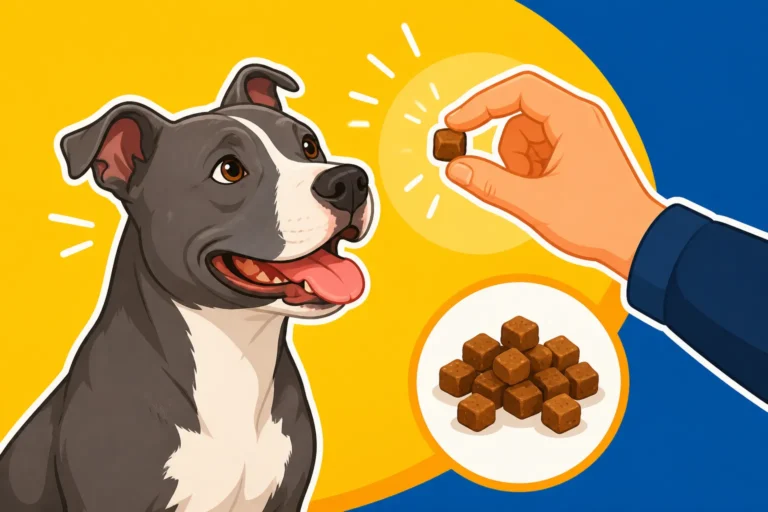
Before you even introduce the toothbrush, spend some time getting your Pit Bull comfortable with having their mouth handled. Start by gently touching their muzzle, then gradually lift their lip, touching their gums and teeth with your finger. Do this for just a few seconds, then praise them enthusiastically and give them a high-value treat. Repeat this several times a day, slowly increasing the duration and the depth of your touch. The goal is to make them associate mouth handling with positive rewards, so they don't see it as a threat.
Once they're okay with your fingers, introduce the dog toothpaste. Let them lick a tiny bit off your finger. Most dogs love the taste, which is a huge advantage. This again builds positive association. When they're happily licking the toothpaste, try putting a tiny bit on the toothbrush and letting them lick it off that. The more positive experiences you can create before you even start brushing, the smoother the actual cleaning process will be. Remember, a quick, happy session is better than a long, stressful one. If your Pit Bull is showing signs of anxiety or discomfort, back off and try again later or the next day, always ending on a positive note.
The Technique for Reaching Molars
This is where the magic happens for those back teeth. Once your Pit Bull is comfortable, position yourself calmly, ideally kneeling in front or to the side of them.
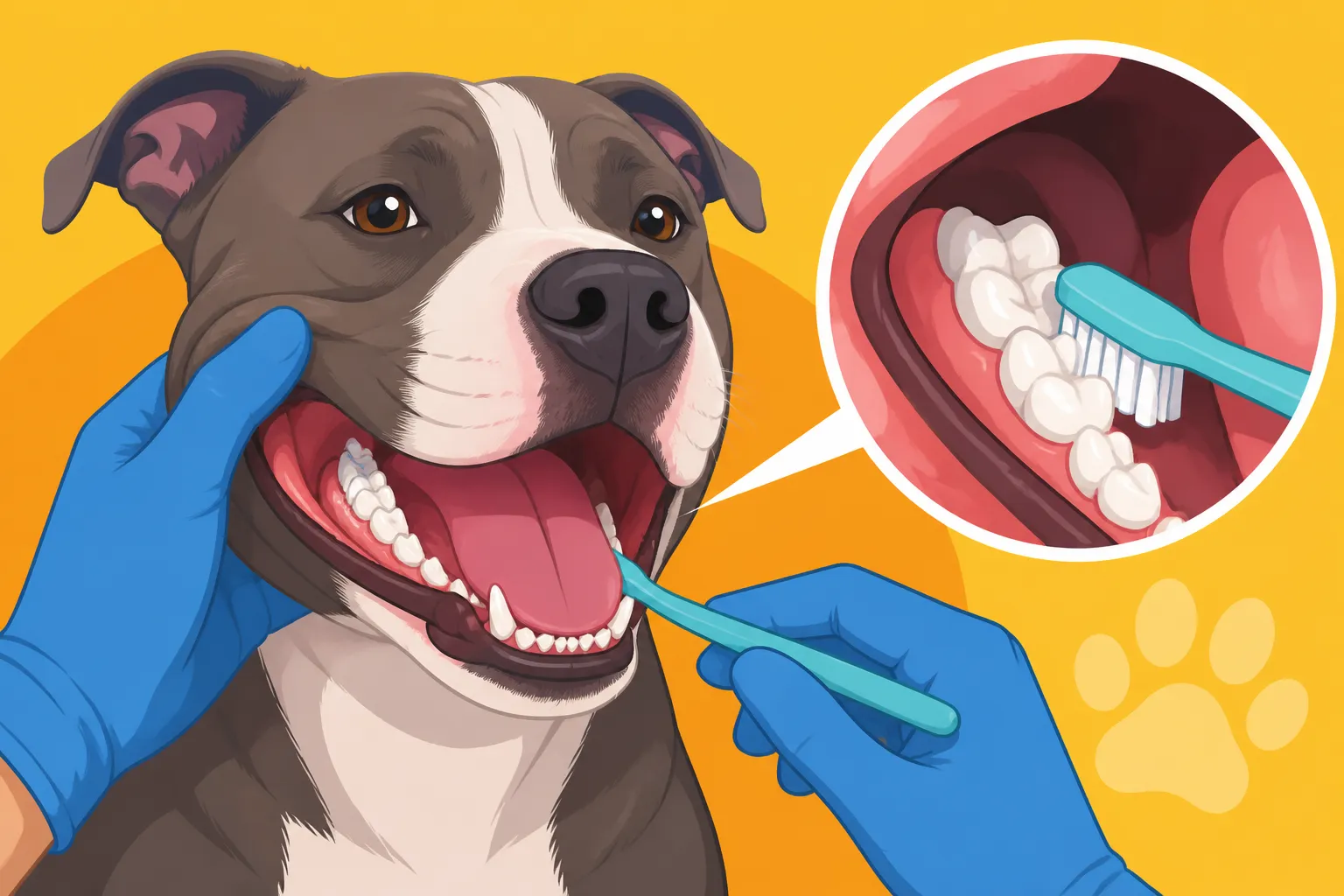
- Lift the Lip: Gently lift your Pit Bull's upper lip with one hand. You want to expose the outer surfaces of their upper molars and premolars. You might need to gently pull their cheek back a bit to get a good view and access.
- Angle the Brush: Take your chosen toothbrush (a long-handled or three-sided brush works best here) and slide it into the corner of their mouth, aiming for the gumline of those back teeth. The bristles should be at about a 45-degree angle to the tooth surface, pointing towards the gumline.
- Short, Gentle Strokes: Using short, circular, or back-and-forth strokes, gently brush the outer surfaces of the molars and premolars. Focus on the gumline, as this is where plaque accumulates most rapidly. You don't need to scrub hard; gentle friction is enough to remove plaque.
- Repeat on the Other Side: Once you've cleaned one side, switch to the other. Remember, you're primarily cleaning the outer surfaces of the teeth, as the dog's tongue usually does a decent job of cleaning the inner surfaces.
- Lower Teeth: For the lower molars, you might need to gently pull down their lower lip. Follow the same technique: 45-degree angle, short strokes along the gumline.
Aim for about 30 seconds per side, focusing on getting those back teeth thoroughly clean. Don't forget to praise and treat your dog throughout and immediately after the session. This reinforces the positive experience and makes them more cooperative next time. Building this routine is essential for long-term health, and you can read more about a consistent A Weekly Toothbrushing Routine for a Pit Bull.
Making it a Regular, Stress-Free Routine
Consistency is truly the unsung hero of dental health. Brushing your Pit Bull's teeth daily, or at least every other day, is far more effective than sporadic, intense sessions. Plaque starts to form within hours of eating, and it can begin to mineralize into tartar in as little as 24-48 hours. If you wait too long between brushings, you're essentially fighting an uphill battle against hardened tartar, which a toothbrush simply cannot remove. Making it a part of your daily routine, like their meal times or evening cuddle session, helps establish a rhythm that your dog will come to expect.
To keep it stress-free, always keep the sessions short and positive. If your Pit Bull starts to get antsy or resistant, end the session, even if you haven't cleaned every tooth perfectly. You can always try again a few hours later, or the next day, ensuring that the last memory they have of brushing is a positive one (usually involving a treat!). Over time, with consistent positive reinforcement, most Pit Bulls will not only tolerate brushing but may even look forward to the toothpaste. Remember, this isn't about perfection in one go, but about building a lifelong habit that protects their oral health. Just like we have a Pit Bull Dental Cleaning Schedule, so should our dogs have a regular brushing schedule.
Overcoming Common Challenges
Let's be realistic: brushing a Pit Bull's back teeth isn't always a walk in the park. These are strong, opinionated dogs, and sometimes they have other ideas about what constitutes "quality time." You're going to encounter resistance, and you might even worry about their powerful jaws. But don't despair! Many of these challenges can be overcome with patience, the right approach, and a little strategic thinking.
Dealing with Resistance and Reluctance
It's common for dogs, especially those not introduced to tooth brushing as puppies, to be reluctant or even outright resistant. They might pull their head away, try to chew the brush, or just generally make themselves stiff and uncooperative. The key here is not to force it, as that can create a negative association that’s incredibly hard to break. Instead, break the process down into tiny, manageable steps, as we discussed in positive association. If your Pit Bull tolerates you lifting their lip for two seconds, celebrate that with a treat and stop. The next time, aim for three seconds.
You might find success by using a calming voice, choosing a quiet time when your dog is already relaxed, or even having another person gently hold them while you brush. Distraction can also work wonders – a lick mat smeared with peanut butter (xylitol-free, of course!) or a tasty treat held by a helper can keep their focus elsewhere. If they're particularly stressed, try introducing the brush and toothpaste without even attempting to brush; just let them sniff and perhaps lick the paste off the brush. Slowly, deliberately, and with copious praise and rewards, you can chip away at their reluctance. Remember, patience is not just a virtue, it's a necessity in this endeavor.
The Strong Bite and Safety Concerns
The powerful jaws of a Pit Bull can certainly be intimidating, and safety for both you and your dog is paramount. The biggest fear for many owners is getting bitten. While a Pit Bull’s bite can be serious, most incidents during brushing are accidental nips or chomps on the brush, rather than aggressive attacks, especially if you’ve built up positive associations.
To minimize risk:
- Work from the side: Instead of facing your dog head-on, approach from the side. This gives you better leverage and control, and it's less confrontational for your dog.
- Keep fingers away: Use a long-handled toothbrush that keeps your fingers well away from their bite zone. If using a finger brush, be extremely cautious and only use it if your dog is completely relaxed and non-reactive.
- Positive, calm energy: Dogs pick up on our stress. If you're tense, your Pit Bull will be too. Try to remain calm and relaxed, making it a positive bonding moment rather than a chore.
- Short sessions: The less time your fingers are in their mouth, the lower the risk. Aim for efficiency, not lengthy battles.
If your Pit Bull is truly aggressive about mouth handling or has a history of biting, it's always best to consult with a professional dog trainer or your veterinarian. They can offer personalized advice and techniques to ensure everyone stays safe. This is also important if you're experiencing pain or if your Pit Bull is unusually sensitive in the mouth, which could indicate a deeper dental issue, potentially even Pit Bull Broken Teeth From Hard Chewing.
When Brushing Isn't Enough: Professional Cleanings
Despite our best efforts with daily brushing, sometimes a professional dental cleaning under anesthesia at your vet's office becomes necessary. This is especially true for dogs who were never introduced to brushing early on, or for those who have naturally faster tartar buildup. Brushing can remove plaque, but once that plaque hardens into tartar, it adheres firmly to the teeth and cannot be removed by brushing alone. Attempting to scrape it off at home can damage their enamel or gums.
During a professional cleaning, your veterinarian will thoroughly examine your Pit Bull's mouth, scale away all the tartar (even below the gumline), and polish their teeth. They can also take dental X-rays to check for issues beneath the gumline, such as abscesses, bone loss, or impacted teeth, which are common sources of pain that we can't see. While the idea of anesthesia can be daunting, modern veterinary practices are very safe, and the benefits of a clean, healthy mouth far outweigh the risks. Your vet can advise you on the best schedule for professional cleanings, often recommending them every one to three years, depending on your dog's individual needs and the effectiveness of your home care routine. If you notice significant Tartar Building on Pit Bull Molars, it's definitely time to talk to your vet.
Complementary Dental Care Strategies
Brushing is the gold standard for Pit Bull dental care, especially for reaching those back molars. But let's be honest, life happens, and sometimes daily brushing isn't always feasible, or it's simply not enough on its own. Thankfully, there are several other strategies that can complement your brushing efforts, working in conjunction to help keep your Pit Bull's teeth and gums healthy. These aren't substitutes for brushing or professional cleanings, but they can certainly aid in the overall battle against plaque and tartar.
Dental Chews and Appropriate Toys
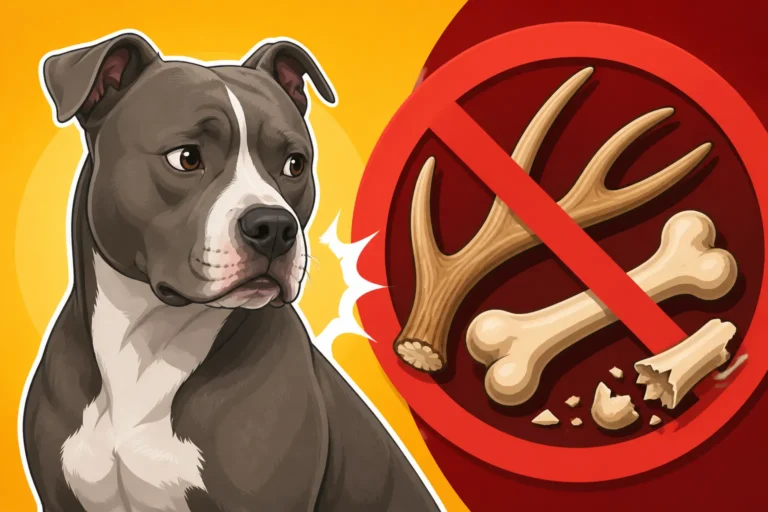
Dental chews are a popular option, and for good reason: dogs love them! The mechanical action of chewing can help scrape away plaque from the tooth surfaces, including some of those back molars. However, not all dental chews are created equal. Look for chews that are specifically designed to be easily digestible and have the Veterinary Oral Health Council (VOHC) seal of acceptance. This seal indicates that the product has met standards for reducing plaque and/or tartar. Be wary of chews that are too hard, as these can lead to Chews That Crack a Pit Bull Molar or other dental injuries. Avoid things like antlers, real bones, or nylon bones that don't give at all, especially for a Pit Bull with powerful jaws.
When it comes to toys, puzzle toys or textured rubber toys can also offer some dental benefits. The act of gnawing and manipulating them can help clean teeth, but again, moderation and safety are key. Ensure toys are durable enough for a Pit Bull's chewing power but not so hard they cause damage. Regularly inspect all dental chews and toys for wear and tear, and replace them when they become too small or damaged to prevent choking hazards. For some owners, finding a chew that truly stands up to a Pit Bull is a constant quest, so choose wisely! Brands available through places like Chewy and Amazon often have customer reviews that can help guide your choices for durability. Even high-quality fresh food providers like Ollie sometimes offer dental-specific treats designed to be both delicious and helpful for oral hygiene, though always double-check ingredients for any potential allergens.
Water Additives and Oral Rinses
Water additives and oral rinses are often marketed as easy solutions for canine dental health. These products typically contain ingredients that help reduce bacteria in the mouth or break down plaque. They are usually added to your dog's drinking water or applied directly to their gums. The biggest advantage is their ease of use – no brushing required, just a simple addition to their routine.
However, it's crucial to understand their limitations. While they can certainly help to reduce bacteria and slow down plaque formation, they are not a standalone solution. They don't provide the mechanical scrubbing action that brushing does, which is essential for physically removing the sticky plaque from the tooth surface, especially those hard-to-reach back molars. Think of them as supplemental support. They might make your Pit Bull's breath smell a bit better and slightly reduce tartar buildup, but they won't replace the need for regular brushing or professional cleanings. If you choose to use them, look for products with the VOHC seal, and always discuss their use with your veterinarian to ensure they are appropriate for your dog's specific needs.
Diet's Role in Oral Health
What your Pit Bull eats can also play a role in their dental health. While often overstated, certain diets can contribute to cleaner teeth. The old idea that hard kibble 'scrapes' teeth clean is largely a myth; most kibble shatters on impact, offering minimal abrasive action. However, some specialized dental diets are specifically formulated with unique kibble shapes and textures designed to provide a gentle scrubbing action as the dog chews, or they contain ingredients that reduce plaque-forming bacteria. These prescription dental diets are often only available through your veterinarian.
Beyond specialized kibble, ensuring a balanced diet that supports overall health, including a strong immune system, can indirectly benefit oral health. A healthy dog is better equipped to fight off gum infections. If your Pit Bull has food allergies or sensitivities, managing those through a carefully chosen diet can also reduce inflammation throughout their body, potentially including their gums. While diet alone cannot prevent dental disease, especially severe cases of Pit Bull Dental Disease and Hard Chewing, incorporating dental-specific foods or ensuring optimal nutrition can certainly be a valuable piece of the puzzle, alongside diligent brushing and regular veterinary check-ups. Maintaining a lean body weight is also critical for overall health, as discussed in Feeding a Pit Bull to Keep Muscle Without Fat, and indirectly supports good dental health by reducing systemic inflammation.
Recognizing Signs of Dental Problems
Even with the most diligent home care, dental problems can arise. It's crucial for us as Pit Bull owners to be vigilant and recognize the signs that something might be amiss with our dog's mouth. Ignoring these signals can lead to unnecessary pain for your dog and more extensive, costly veterinary interventions down the line. Early detection often means simpler treatment.
Visible Signs and Bad Breath
The most obvious sign of dental problems is often the smell – that distinctive, foul odor we call "dog breath." While some mild odor is normal, a truly offensive, pungent smell is a strong indicator of bacterial overgrowth and infection in the mouth, usually due to plaque and tartar buildup. Beyond the smell, here are other visible signs to look for:
- Tartar Buildup: Yellow, brown, or even greenish-black crust on the teeth, especially noticeable on the back molars and along the gumline. This is hardened plaque.
- Red, Swollen, or Bleeding Gums: Healthy gums should be a pale pink. If they are red, swollen, or bleed when you touch them or when your dog chews, it's a sign of gingivitis or more advanced periodontal disease.
- Receding Gums: The gums pulling away from the tooth, exposing more of the tooth root. This indicates significant bone loss.
- Missing or Loose Teeth: In advanced stages, teeth may become loose or even fall out.
- Excessive Drooling: More drooling than usual, sometimes with blood in the saliva.
- Paw Licking/Rubbing Face: An itchy or painful mouth can lead to behaviors like Pit Bull Paw Licking and Chewing or rubbing their face on furniture or the carpet in an attempt to alleviate discomfort.
Make it a habit to regularly lift your Pit Bull's lips and visually inspect their teeth and gums. The more familiar you are with what a healthy mouth looks like, the quicker you'll spot any abnormalities.
Behavioral Changes Related to Dental Pain
Dogs are masters at hiding pain, a trait that stems from their wild ancestors. They might not cry out or overtly limp when their mouth hurts. Instead, dental pain often manifests as subtle behavioral changes. By paying close attention to your Pit Bull's routine and demeanor, you can often pick up on these cues:
- Changes in Eating Habits: This is a big one. They might eat slower, drop food from their mouth, chew on only one side, or show reluctance to eat hard kibble or chews that they once loved. Sometimes they'll even refuse to eat altogether for a short period.
- Loss of Appetite: While not eating for a full day might indicate other issues (and warrants a vet visit), a subtle decrease in enthusiasm for meals or a partial refusal could be pain-related.
- Irritability or Hiding: A dog in pain might become more withdrawn, less tolerant of handling, or even snap if you accidentally touch their sore mouth. They might seek out quiet places to rest.
- Restlessness: Some dogs may pace or seem unable to get comfortable due to persistent pain.
- Weight Loss: If dental pain is chronic and severe enough to significantly impact their eating, weight loss can occur over time.
- Reluctance to Play: Chewing on toys can become painful, so a Pit Bull who suddenly loses interest in their favorite chew toy or a game of tug might be experiencing oral discomfort.
If you notice any combination of these signs, it's crucial to schedule an appointment with your veterinarian as soon as possible. They can conduct a thorough oral examination and recommend the best course of action, which often includes a professional dental cleaning under anesthesia to properly assess and treat any underlying issues. Don't wait until the problem becomes severe; addressing dental pain promptly will significantly improve your Pit Bull's quality of life.
Disclaimer
This article is for general informational purposes only and does not constitute professional advice. Laws, prices and regulations vary by location and change over time. Consult a qualified professional for guidance on your specific situation.