Adjusting a Pit Bull Diet in Old Age
As our beloved Pit Bulls reach their golden years, it's not uncommon for their once voracious appetites and boundless energy to start waning. You might notice they're a little less eager for mealtime, or perhaps their physique isn't quite as taut as it used to be, even if their food intake hasn't visibly changed. This guide is here to help you navigate the often-tricky waters of adjusting your senior Pit Bull's diet, ensuring they receive the tailored nutrition they need to thrive comfortably in their later life.
Recognizing the Signs Your Pit Bull's Diet Needs Changing
It’s easy to miss the subtle cues our dogs give us, especially when changes happen gradually over time. One day your Pit Bull is tearing around the yard like a puppy, and the next, they're happy with a gentle stroll and a nap. Their dietary needs shift just as subtly, and being attuned to these early indicators can make all the difference in their comfort and health.
Changes in Weight and Body Condition
One of the most immediate indicators that your Pit Bull's diet might need an adjustment is a shift in their weight or overall body condition. You might notice them starting to look a little thinner, with ribs becoming more prominent, even if they're eating the same amount of food they always have. This could be due to a decrease in their ability to absorb nutrients, or perhaps their metabolism has changed. Sometimes, muscle loss can occur even if their fat stores remain, making them appear "skinny fat," which is tricky to spot. It's crucial to feel their body condition regularly, checking for changes in muscle mass along their spine and hips. Remember, you should be able to feel their ribs easily without seeing them sharply defined.
Conversely, some senior Pit Bulls might start to gain weight, even on their usual diet. As activity levels naturally decrease, their caloric needs drop, but if their food intake stays the same, those extra calories turn into fat. This can exacerbate existing conditions like Arthritis in a Pit Bull at Seven or lead to new health issues. A heavier dog places more strain on aging joints and organs. Regularly weighing your Pit Bull and doing a body condition score check is more important than ever. If you're seeing rapid or concerning changes, it's definitely time to consult your vet.
Reduced Activity Levels and Energy Output
Think back to your Pit Bull's prime. They might have been the kind of dog who could chase a ball for hours or accompany you on long hikes. Now, perhaps they’re content with a shorter walk around the block, or they spend more time napping on the couch. This reduction in activity directly impacts their energy requirements. A dog burning fewer calories needs less fuel, plain and simple. Continuing to feed them a diet formulated for a highly active adult Pit Bull can quickly lead to weight gain, as we just discussed.
It's not just about the big, obvious changes like cutting out daily runs. Even a slight decrease in their enthusiasm for play, less zoomies around the house, or a general slowing down on walks can indicate a lower energy expenditure. You'll want to match their caloric intake to their current lifestyle. This might mean smaller portions of their existing food, or a transition to a food specifically designed for senior dogs, which often have fewer calories per serving. Observing their daily routine and energy levels is key to making informed dietary adjustments.
Digestive Sensitivities and Appetite Shifts
As Pit Bulls age, their digestive system can become a bit more finicky. You might notice new sensitivities, such as an increase in gas, softer stools, or even occasional vomiting after meals that never used to bother them. Their ability to process certain ingredients might change, or their gut microbiome could become less robust. What once was a perfectly fine meal could now cause discomfort.
Appetite can also fluctuate dramatically in older Pit Bulls. Some might become pickier, turning their nose up at food they once loved, possibly due to a decreased sense of smell or taste, or underlying dental pain. Others might lose their appetite altogether, which is always a concern and warrants a vet visit. On the flip side, some senior dogs develop a relentless hunger, which could be a sign of a metabolic issue like Cushing's disease or even hypothyroidism. An Old Pit Bull That Leaves Its Bowl could be a symptom of a wide range of issues, from pain to a simple preference change, and addressing their changing preferences while ensuring nutritional adequacy is a balancing act. These appetite and digestive shifts are clear signals that a dietary rethink is overdue.
Understanding Nutritional Needs of Senior Pit Bulls
As your Pit Bull transitions into their golden years, their body composition and metabolic rate undergo significant changes. This means their nutritional requirements aren't just a slightly dialed-down version of their adult diet; they often require specific adjustments to maintain health, muscle mass, and organ function.
Protein Needs for Muscle Maintenance
One of the most common misconceptions about senior dog diets is that they should be lower in protein to protect the kidneys. However, for most healthy senior Pit Bulls, maintaining adequate protein intake is crucial. As dogs age, they tend to lose muscle mass, a condition known as sarcopenia. This muscle loss can impact their mobility, strength, and overall quality of life. High-quality, digestible protein helps combat this.
Instead of reducing protein, the focus should be on providing easily digestible protein sources. Good quality meat, fish, and eggs are excellent choices. Look for foods where protein is a primary ingredient and comes from a named animal source, not just "meat meal" without further specification. Ensuring your senior Pit Bull gets enough protein can help them stay strong and mobile. If your Pit Bull is already dealing with significant muscle loss or showing signs of frailty, discuss specific protein targets with your veterinarian, as they can guide you based on your dog's individual kidney health and overall condition.
Fat Content for Energy and Coat Health
Fat is a concentrated source of energy, and while some senior Pit Bulls need fewer calories overall due to decreased activity, they still need healthy fats for vital functions. Fats help absorb fat-soluble vitamins (A, D, E, K), maintain a healthy skin barrier, and keep their coat shiny, even as they age. However, too much fat, especially combined with reduced activity, can lead to unwanted weight gain, increasing the risk of Pit Bull Obesity and Joint Strain.
The key is balance. Senior diets often contain a moderate amount of high-quality fats. Omega-3 fatty acids, like those found in fish oil, are particularly beneficial. They can help reduce inflammation, which is excellent for aging joints and can also support cognitive function. Adding a good quality fish oil supplement, or choosing a senior food rich in these beneficial fats, can be a great way to support your older Pit Bull's overall health. Always check the fat content on food labels and discuss appropriate levels with your vet, especially if your Pit Bull has a history of pancreatitis or is prone to weight gain.
Fiber for Digestive Regularity
Digestive issues can become more prevalent as Pit Bulls age. Constipation, diarrhea, or irregular bowel movements are all common complaints. Fiber plays a critical role in promoting healthy digestion and maintaining regularity. A balanced amount of fiber can help bulk up stool, making it easier to pass, and can also nourish beneficial gut bacteria.
There are different types of fiber – soluble and insoluble – and both are important. Soluble fiber can help firm up loose stools and can also aid in blood sugar regulation, while insoluble fiber adds bulk and promotes transit through the digestive tract. Many senior dog foods incorporate a slightly higher fiber content for this reason. Natural sources of fiber include pumpkin, sweet potatoes, and certain grains. If your Pit Bull is struggling with constipation, adding a small amount of plain canned pumpkin to their meal can often work wonders. However, too much fiber can interfere with nutrient absorption, so it’s about finding that sweet spot for your individual dog.
Choosing the Right Food for an Aging Pit Bull
Navigating the pet food aisle can feel overwhelming with the sheer number of options available. When it comes to your senior Pit Bull, selecting the right food involves considering both commercial formulas and potentially exploring other avenues like fresh or home-cooked meals, all while thinking about targeted supplements.
Commercial Senior Dog Formulas
Many reputable pet food companies offer specialized "senior" or "mature adult" formulas, and for good reason. These diets are typically formulated with the changing needs of older dogs in mind. They often feature:
- Reduced Calorie Content: To help prevent weight gain in less active seniors.
- Moderate Protein: High-quality, digestible protein to help maintain muscle mass.
- Enhanced Fiber: To support digestive health and regularity.
- Joint Support Ingredients: Often include glucosamine and chondroitin for cartilage health.
- Antioxidants and Omega Fatty Acids: To support the immune system, cognitive function, and skin/coat health.
Brands available through retailers like Chewy often have a wide selection of these specialized foods. When choosing, look at the ingredients list. Prioritize whole meat sources, avoid excessive fillers, and note the calorie content per cup. It’s also wise to check for specific nutrients like DHA for brain health and a good omega-3 to omega-6 ratio. Remember that "senior" isn't a regulated term, so ingredient quality still matters. Don't be afraid to read reviews, but most importantly, consult your vet about specific brands or ingredient profiles that might best suit your Pit Bull's unique health profile.
Exploring Fresh and Home-Cooked Options
For some owners, commercial kibble just doesn't cut it for their aging companions, especially if appetite is an issue or if they have specific dietary needs that are hard to meet with off-the-shelf options. This is where fresh or carefully home-cooked diets can come into play. Companies like Ollie deliver fresh, human-grade meals tailored to your dog's age and weight, which can be an excellent option for pickier eaters or those with sensitivities. The high moisture content in fresh foods can also be very beneficial for senior dogs, aiding in hydration.
If you decide to go the home-cooked route, it is absolutely critical to work with a board-certified veterinary nutritionist. Simply cooking chicken and rice won't provide a complete and balanced diet, and deficiencies can lead to serious health problems over time. A nutritionist can formulate a recipe that meets all your senior Pit Bull's needs, including proper vitamin and mineral ratios, which are often overlooked in homemade diets. While this requires more effort and cost, for some dogs, it can significantly improve their quality of life, especially if they have allergies or very sensitive stomachs.
Supplementing for Joint and Cognitive Health
Even with the best senior diet, targeted supplements can often provide an extra layer of support for common age-related issues. Joint supplements are almost universally recommended for larger, active breeds like Pit Bulls as they age. Look for products containing glucosamine, chondroitin, and MSM, which support cartilage health and reduce inflammation. Joint Diets for an Aging Pit Bull often include these, but standalone supplements can offer higher doses.
For cognitive health, omega-3 fatty acids (specifically DHA and EPA from fish oil), antioxidants like Vitamin E, and medium-chain triglycerides (MCTs) can be beneficial. These support brain function and help combat age-related cognitive decline, which can manifest as disorientation or changes in sleep patterns. Turmeric is another supplement often lauded for its anti-inflammatory properties. Always discuss any supplements with your veterinarian before introducing them, as they can sometimes interact with medications or not be suitable for all dogs. They can also help you choose high-quality, reputable brands, perhaps even found on a platform like Amazon, that offer effective dosages.
Practical Tips for Feeding Your Senior Pit Bull
Beyond choosing the right food, how you present and manage your senior Pit Bull's meals can significantly impact their digestion, appetite, and overall well-being. Small adjustments in your feeding routine can make a big difference.
Meal Frequency and Portion Control
As Pit Bulls age, their metabolism can slow down, and their digestive system might not be as efficient as it once was. Instead of one or two large meals, consider offering smaller, more frequent meals throughout the day. This can be easier on their digestive tract, reduce the risk of bloat (though Pit Bulls are less prone than some deep-chested breeds, it's still a consideration), and help maintain more stable energy levels. For example, dividing their daily ration into three or four smaller meals could be beneficial.
Portion control is more critical than ever, especially if your senior Pit Bull is gaining weight or becoming less active. Use a kitchen scale to measure their food precisely. Eyeballing can lead to significant overfeeding. Remember, the feeding guidelines on pet food bags are just a starting point; your vet can help you determine the exact calorie target for your individual dog based on their ideal body condition and activity level. Regularly reassess their weight and adjust portions as needed. Feeding a Pit Bull on Long-Term Allergy Medication might also involve careful portioning, as some medications can increase appetite.
Enhancing Palatability and Hydration
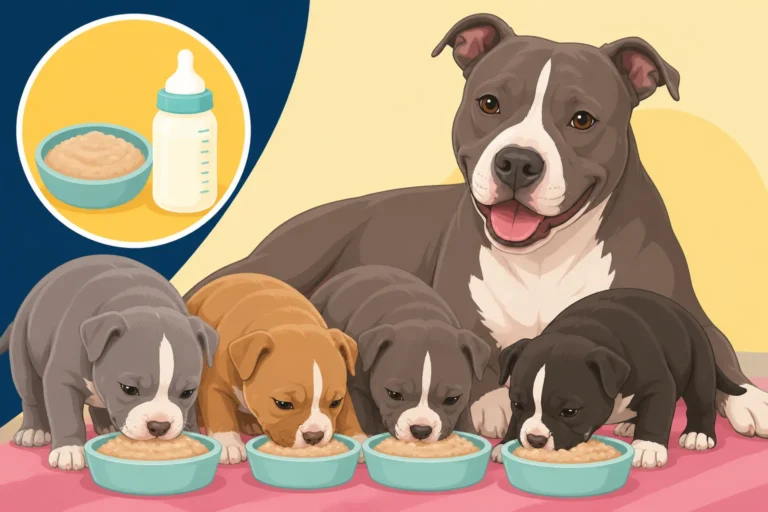
A decreased sense of smell and taste can make food less appealing to older Pit Bulls, leading to a reluctant appetite. There are several ways to enhance the palatability of their meals. Warming up wet food or adding a bit of warm water or low-sodium chicken broth to kibble can release aromas and make it more enticing. You can also mix in small amounts of highly palatable additions, such as cooked, unseasoned chicken, plain pureed pumpkin, or a spoonful of plain yogurt. Softening Meals for an Old Pit Bull can also help if they have dental issues or difficulty chewing.
Hydration is also paramount for senior dogs, as they can be more prone to dehydration. Ensure fresh water is always available, and consider offering multiple water bowls around the house. Adding water or broth to their food, as mentioned, contributes to their daily fluid intake. If your Pit Bull is still reluctant to drink, try adding a splash of bone broth or using a pet fountain, as some dogs prefer moving water.
Addressing Dental Challenges
Dental pain is a common and often overlooked reason why senior Pit Bulls might lose their appetite or become picky eaters. Cracked teeth, gum disease, or other oral issues can make chewing painful, causing them to shy away from hard kibble or chews. If your Pit Bull starts dropping food, chewing on one side of their mouth, or showing discomfort around their face, a dental check-up is a must.
Your vet might recommend a dental cleaning or address any painful teeth. In the meantime, softening their food with water or transitioning to a wet or fresh food diet can alleviate discomfort. Even if their teeth are healthy, some older dogs simply prefer softer textures. Regular dental care, including brushing if your dog tolerates it, is vital throughout their life, but especially as they age. Pit Bull Dental Cleaning Schedule will likely need to be maintained, or even increased in frequency, as they get older to prevent these issues from developing.
Working with Your Veterinarian for a Tailored Plan
When it comes to your senior Pit Bull's health and diet, your veterinarian is your most valuable partner. They have the medical expertise to assess your dog's individual needs, diagnose underlying conditions, and help you create a truly tailored nutritional plan.
Regular Senior Health Check-ups
Just like humans, senior dogs benefit from more frequent medical evaluations. Annual check-ups should transition to twice-yearly visits for Pit Bulls aged seven and above. These appointments are crucial for catching age-related diseases early, before they become advanced. During these check-ups, your vet will perform a thorough physical examination, listen to their heart and lungs, palpate their abdomen, and assess their joints and mobility.
They will also discuss any changes you’ve noticed in your Pit Bull’s appetite, energy, weight, or bathroom habits. These observations are incredibly important clues. The vet might recommend routine bloodwork, urine analysis, and sometimes even imaging to get a complete picture of your dog's internal health. How Often a Ten Year Old Pit Bull Needs Checking will be a specific discussion point, as often they require even more vigilant monitoring. This proactive approach allows for early intervention, including dietary adjustments, that can significantly improve their quality of life.
Discussing Underlying Health Conditions
Many senior Pit Bulls develop chronic health conditions that directly impact their dietary needs. Kidney disease, heart disease, diabetes, arthritis, and even certain cancers are more common in older dogs. If your Pit Bull has been diagnosed with any of these conditions, their diet will need to be specifically formulated to support their health and manage symptoms. For example, dogs with kidney disease often require a diet restricted in phosphorus and protein, while those with heart disease might need controlled sodium levels.
Your veterinarian can guide you through these specialized diets. They can recommend specific therapeutic foods, either prescription diets or carefully chosen over-the-counter options, that are tailored to manage their condition. Never attempt to put your Pit Bull on a restrictive or therapeutic diet without veterinary guidance, as doing so can lead to nutritional imbalances and worsen their condition. The Bloodwork an Old Pit Bull Should Have will provide crucial insights into organ function and can inform these critical dietary decisions.
Gradual Dietary Transitions
Once you and your vet have decided on a new diet for your senior Pit Bull, it's essential to introduce it gradually. A sudden change in food can upset their sensitive digestive system, leading to gastrointestinal upset like vomiting or diarrhea. This is true for dogs of any age, but seniors can be particularly sensitive.
The general rule of thumb is to transition over 7-10 days, slowly increasing the proportion of new food while decreasing the old. Start with about 25% new food mixed with 75% old food for a few days. If your Pit Bull tolerates this well, move to a 50/50 mix for another few days, then 75% new and 25% old, until you're feeding 100% new food. Watch for any signs of digestive upset throughout this process. If you notice any issues, slow down the transition and give their system more time to adjust. This patient approach minimizes stress on their body and helps ensure a smooth dietary change. Feeding a Pit Bull with a Sensitive Stomach highlights the importance of this gradual approach.
Common Pitfalls and How to Avoid Them
Even with the best intentions, it's easy to make mistakes when adjusting a senior Pit Bull's diet. Understanding common pitfalls can help you avoid them, ensuring your furry friend continues to receive optimal nutrition without unnecessary complications.
Overfeeding or Underfeeding an Older Dog
One of the most common mistakes is either overfeeding or underfeeding a senior Pit Bull. As discussed, their caloric needs change, and it’s a tightrope walk to get it just right. Overfeeding leads to obesity, which puts immense strain on aging joints, exacerbates arthritis, and contributes to other health problems like diabetes and heart disease. It can also shorten their lifespan. You might think you're being kind by giving them a little extra, but you could be doing more harm than good.
Conversely, underfeeding can lead to unwanted weight loss and muscle wasting, making them frail and susceptible to illness. This often happens if their appetite decreases, or if an owner mistakenly reduces portions too drastically based on reduced activity alone, without considering their actual energy expenditure or any underlying conditions impacting nutrient absorption. Regular weight checks and body condition scoring are essential to strike the right balance. Don't rely solely on bag guidelines; work with your vet to determine a precise calorie target and portion size.
Ignoring Changes in Stool or Vomiting
Your Pit Bull's stool is a window into their digestive health, and changes should never be ignored, especially in a senior dog. Any significant and persistent change – whether it's diarrhea, chronic constipation, changes in color or consistency, or the presence of blood or mucus – warrants attention. Similarly, recurring vomiting is a red flag. These aren't just minor inconveniences; they can be signs of digestive upset, food sensitivities, internal parasites, organ disease, or other serious health issues.
Sometimes, these changes can be linked to the diet itself, indicating a need for adjustment, a sensitivity to an ingredient, or even that a food isn't being properly digested. For example, Pit Bull Food Allergy Signs Beyond the Skin often include gastrointestinal upset. Keep a close eye on their eliminations and note down any patterns. If you notice persistent or severe changes, collect a fresh stool sample and contact your vet immediately. Early detection of problems can lead to more effective treatment and better outcomes.
Not Adapting to Picky Eating Habits
It can be frustrating when your once food-motivated Pit Bull suddenly turns up their nose at mealtime. While sometimes it's a sign of a deeper medical issue that needs vet attention, other times it's simply age-related pickiness or a reduced sense of smell and taste. A common pitfall is to become frustrated and not adapt your approach, leaving food down for long periods or simply sticking to the same old boring meal.
Instead, get creative. Try some of the palatability enhancers mentioned earlier, like warming food or adding broth. Experiment with different textures – some seniors prefer wet food, others like a mix. Consider small, frequent meals rather than large ones. And don't be afraid to try different high-quality senior formulations, perhaps from a brand like Chewy, to see if a new flavor or protein source sparks their interest. Just remember to transition gradually. The goal is to ensure they are consuming enough calories and nutrients, even if it means a little extra effort on your part to make mealtime appealing. An Old Pit Bull That Leaves Its Bowl is a clear signal that it's time to try new strategies to keep them eating well.
Table: Key Dietary Considerations for Senior Pit Bulls
To help summarize these important points, here's a quick look at how your Pit Bull's diet might shift as they age:
| Dietary Aspect | Adult Pit Bull Needs | Senior Pit Bull Needs (typically) | Why the Change? |
|---|---|---|---|
| Caloric Intake | Higher, for active, growing or working dogs | Lower, due to decreased activity and metabolism | Reduced energy expenditure, risk of obesity. |
| Protein | High, for muscle development and maintenance | High-quality, digestible for muscle maintenance | Combats sarcopenia (muscle loss), supports aging organs, but needs to be digestible. |
| Fat | Moderate to High, for energy and coat health | Moderate, with emphasis on Omega-3s | Sustains energy, supports skin/coat, but reduced total calories to prevent weight gain. |
| Fiber | Sufficient for healthy digestion | Often slightly higher | Promotes digestive regularity, helps manage constipation/diarrhea. |
| Vitamins/Minerals | Balanced for overall health | Increased antioxidants (Vit E, C), Omega-3s (DHA/EPA) | Supports immune function, cognitive health, and reduces inflammation. |
| Joint Support | Often beneficial as a preventive | Crucial, often supplemented (glucosamine, chondroitin) | Counteracts joint degeneration, arthritis, and maintains mobility. |
| Palatability | Usually less of a concern | More important for reluctant eaters | Decreased sense of smell/taste, potential dental pain. |
| Hydration | Important | Critical | Older dogs are more prone to dehydration; supports kidney function. |
Disclaimer
This article is for general informational purposes only and does not constitute professional advice. Laws, prices and regulations vary by location and change over time. Consult a qualified professional for guidance on your specific situation.