Teaching a Pit Bull to Tolerate Ear Cleaning
It can be incredibly frustrating, and honestly a bit heartbreaking, when your otherwise sweet and cooperative Pit Bull turns into a wrestling match when it’s time for something as essential as ear cleaning. Many of us have been there, struggling with a powerful dog that just doesn't want its ears touched, leaving us feeling defeated and worried about their health. This guide will walk you through a patient, positive, and systematic approach to help your Pit Bull not just tolerate ear cleaning, but perhaps even see it as a normal, manageable part of their routine.
Understanding Why Ear Cleaning is a Challenge for Pit Bulls
Before we dive into solutions, let's talk about why this can be such a battle. It’s rarely about defiance; more often, there are deeper reasons behind your Pit Bull’s resistance. Understanding these can help you approach the situation with more empathy and less frustration.
Natural Instincts and Sensitive Areas
Dogs, including our robust Pit Bulls, aren't naturally inclined to have foreign objects poked into their ears. The ear canal is a delicate, sensitive area, and their natural instinct is to protect it. Imagine someone constantly trying to prod your own ear canal – you’d probably tense up too! For a Pit Bull, with their strong build and protective nature, this instinct can manifest as forceful resistance, head shaking, or even nipping. It's a primal response to what they perceive as an invasion of their personal space and a sensitive body part. Their ears might also be a specific spot they've never truly learned to tolerate handling, especially if early socialization didn't specifically cover this.
Past Negative Experiences
Just like humans, dogs remember negative experiences. If your Pit Bull has ever had a painful ear infection, a rough ear cleaning at the vet or groomer, or even an accidental jab from an excited attempt to clean their ears, they will associate the act with discomfort or fear. This memory can be incredibly strong and can make even the gentlest approach challenging. They might anticipate pain or an unpleasant sensation, leading them to resist before you even get close. It's a learned aversion, and it's completely valid from their perspective. Even if the original incident was minor, a Pit Bull's protective instincts can amplify their reaction in subsequent attempts.
Underlying Discomfort or Pain
Sometimes, resistance isn't just about fear of the unknown or past memories; it's about current pain. If your Pit Bull is struggling with an active ear infection, allergies that cause irritation, or even a foreign object lodged deep in the ear, they will naturally be much more sensitive to touch. Trying to clean an already painful ear will understandably be met with strong opposition, and could even cause them to generalize that all ear touching is painful. This is why a veterinary check-up is always the first step if your Pit Bull suddenly becomes resistant to ear cleaning, especially if you notice other signs like excessive scratching, head shaking, or an unpleasant odor. Pit Bull Ear Infections and What Drives Them is a good resource if you suspect an underlying issue.
Building a Foundation of Trust and Positive Association
The key to teaching your Pit Bull to tolerate ear cleaning lies in transforming their perception of the activity from something scary or unpleasant into something neutral, or even positive. This takes time, patience, and a consistent commitment to positive reinforcement.
Gathering the Right Tools
Before you even start, make sure you have everything ready. This isn't just about the ear cleaner; it's about setting up for success.
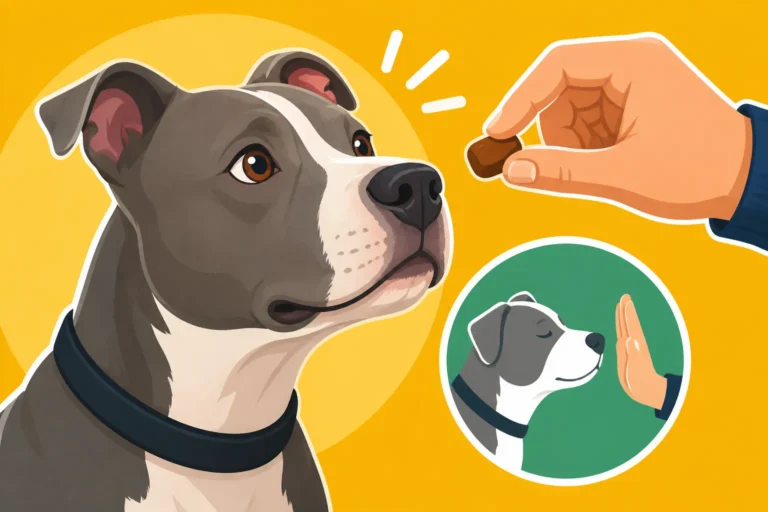
- High-Value Treats: These are non-negotiable. Think chicken, cheese, hot dogs, or whatever your Pit Bull absolutely goes wild for. These aren't your everyday kibble bits; they need to be irresistible. We're talking about treats that can truly motivate them. High-Value Treats That Hold a Pit Bull's Focus offers some great ideas.
- Appropriate Ear Cleaner: Ask your vet for a recommendation. Some are gentle, some are medicated. Ensure it's suitable for your dog's ears and that you know how to use it. If you suspect allergies are at play, your vet might recommend specific solutions. Which Ear Solutions Suit an Allergic Pit Bull discusses options.
- Cotton Balls or Gauze Pads: Avoid cotton swabs (Q-tips) as these can push debris further into the ear canal. Cotton balls or soft gauze pads are much safer for wiping the outer ear and visible folds.
- A Quiet, Calm Space: Choose a time and place where you won't be interrupted and your Pit Bull feels relaxed. This might be on their bed, on a rug, or even just in a quiet corner of the living room.
- A Helper (Optional but Recommended): Especially in the initial stages, having a second person to dispense treats or gently hold your Pit Bull (never restraining them forcefully, but calmly supporting them) can make a huge difference.
Short, Positive Sessions
Rome wasn't built in a day, and neither is ear-cleaning tolerance. Your goal is to keep every session short, positive, and ending on a good note. We're talking 30 seconds to a minute, maximum, especially when you're just starting. The moment your Pit Bull shows even the slightest sign of cooperation or relaxation, stop, praise them enthusiastically, and give them a jackpot of treats.
It's crucial to understand that forcing the issue will only create a stronger negative association. If your Pit Bull starts to get stressed, agitated, or tries to pull away forcefully, end the session. You want to avoid pushing them past their comfort threshold. Even if you only managed to touch their ear for a second, that’s a win. Always aim to finish before they fully shut down or get truly upset. This teaches them that they can "opt out" and that you respect their boundaries, which builds trust. Many online platforms, like BAXTER & Bella, emphasize these kinds of positive, consent-based handling techniques that are incredibly effective for sensitive procedures.
The Power of High-Value Rewards
Your Pit Bull needs to associate the presence of ear cleaning tools, and the sensation of ear touching, with something incredibly wonderful. Those high-value treats are your secret weapon. Every single step, no matter how tiny, should be immediately followed by a treat. The instant you touch their ear, treat. The instant the ear cleaner bottle appears, treat.
Think of it this way: your Pit Bull is learning a new skill. They're learning to accept something uncomfortable. For that effort, they deserve a significant reward. Don't be stingy! The more positive associations you can build, the faster they will come around. Some owners even use a lick mat smeared with peanut butter or cream cheese as a distraction and reward during sessions, which can be an excellent way to keep their focus. This kind of distraction and positive association helps to override any lingering fear or discomfort.
Step-by-Step Guide to Desensitization and Counter-Conditioning
This is where we break down the process into tiny, manageable steps. The goal is to gradually desensitize your Pit Bull to each component of ear cleaning while counter-conditioning their emotional response from negative to positive.
Phase 1: Touch and Treat
Start here, even if your Pit Bull normally tolerates some ear handling. We're resetting the association.
- Simply Touch the Ear Flap: With no tools in sight, gently touch your Pit Bull's ear flap for just one second. Immediately say "Yes!" or "Good!" and give a high-value treat. Repeat 5-10 times, keeping sessions very short. If they pull away, go even faster and with a lighter touch.
- Increase Duration: Once they are comfortable with a one-second touch, gradually increase the duration. Touch, count to two, "Yes!", treat. Build up to 5-10 seconds over several sessions.
- Handle the Ear: Start gently lifting and moving the ear flap, mimicking what you'd do for cleaning, but without any cleaner. Touch, lift, "Yes!", treat. Always be gentle and praise liberally.
- Introduce Outer Ear Massage: Gently massage the base of their ear. This often feels good to them and helps build a positive association with ear handling. Massage for a few seconds, "Yes!", treat.
The key here is consistency and brevity. Do these micro-sessions several times a day if possible, but always keep them short and positive.
Phase 2: Introducing the Cleaner Bottle
Now that your Pit Bull is more comfortable with general ear handling, it's time to bring in the ear cleaner bottle itself.
- Show the Bottle: Simply present the ear cleaner bottle to your Pit Bull. Let them sniff it. "Yes!", treat. Put it away. Repeat several times. The goal is for them to see the bottle and think, "Oh, treats are coming!"
- Touch With the Bottle: Gently touch the outside of their ear flap with the capped bottle. "Yes!", treat. Remove the bottle. Repeat.
- Bring to the Ear Canal: Slowly bring the bottle closer to the opening of their ear canal, without squeezing it. Just the proximity. "Yes!", treat. Move it away. Repeat.
- Mimic Squeezing: With the bottle away from their ear, gently squeeze it so they hear the sound. "Yes!", treat. This helps them get used to the noise without the liquid.
- Small Drop Outside the Ear: Put one tiny drop of cleaner onto the outer ear flap (not inside). Immediately wipe it away with a cotton ball and shower them with treats and praise. This is a big step, so make it super rewarding.
Remember, each step should be mastered before moving to the next. If your Pit Bull shows fear, go back a step.
Phase 3: Gentle Swabs and Cleaning
This is the main event. You'll combine the previous steps.
- Position and Reward: Get your Pit Bull into your chosen comfortable position. Have your treats and cotton balls ready. A lick mat can be particularly useful here.
- Apply Cleaner (Small Amount): Gently lift the ear flap. Bring the bottle to the ear canal opening and dispense a small, vet-recommended amount of cleaner into the ear. Immediately, "Yes!", and feed several high-value treats while gently massaging the base of the ear for 10-20 seconds. This helps distribute the cleaner and feels good.
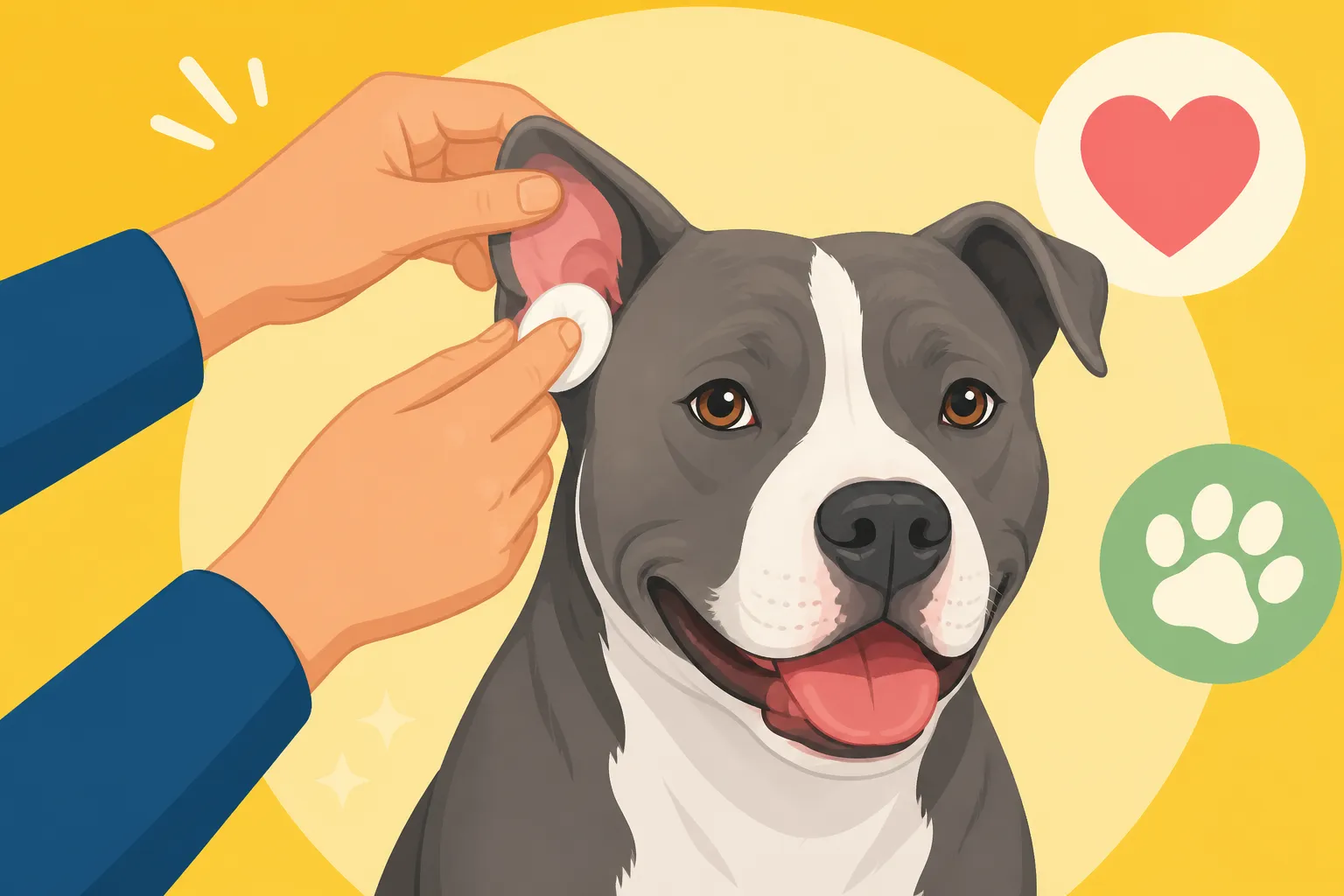
- Wipe the Outer Ear: Use a fresh cotton ball or gauze pad to gently wipe any visible debris from the outer ear folds and the opening of the ear canal. Do not insert anything deep into the ear. "Yes!", treat.
- Allow Head Shake (and Reward): Your Pit Bull will likely want to shake their head after the cleaner is applied. Allow them to do so. Once they stop shaking, "Yes!", treat! This releases excess cleaner and debris.
- Check and Finish: Do a final quick wipe of the outer ear and then declare the session done. A final big jackpot of treats and enthusiastic praise. Always end on a good note.
This entire sequence might only take a minute or two initially. Over time, as your Pit Bull builds confidence, you can gradually increase the thoroughness. Some people find great training resources on sites like Amazon, whether for books on positive reinforcement or specific training aids.
Maintaining Ear Health and Preventing Future Issues
Once you've achieved a level of tolerance for ear cleaning, your job isn't over! Regular maintenance is key to keeping their ears healthy and preventing a relapse in their aversion to cleaning.
Regular Checks and Routine
Make ear checks a regular part of your weekly grooming routine. This could be during cuddle time, after a walk, or while they're relaxing. Simply lift their ear flap and take a peek. Look for redness, swelling, discharge, or any unusual odors. Early detection of issues can prevent them from becoming painful, which in turn makes future cleaning easier. A quick, gentle check followed by a treat keeps the positive association going without requiring a full cleaning every time. This regular, low-stress interaction helps normalize ear handling. Cleaning a Pit Bull Ear Properly includes tips on what to look for during these checks.
Choosing the Right Ear Cleaner
As mentioned before, not all ear cleaners are created equal. Different ear cleaners have different purposes: some are for general maintenance, some for drying, and some for specific types of infections.
- Maintenance Cleaners: These are usually gentle, non-irritating solutions designed for routine cleaning to remove wax and debris. They often contain mild antiseptics to keep the ear environment healthy.
- Drying Solutions: If your Pit Bull is a swimmer or prone to moisture-related infections, your vet might recommend a drying ear cleaner to use after water exposure.
- Medicated Cleaners: These are prescribed by a veterinarian for active infections and contain ingredients to kill bacteria or yeast.
Always follow your veterinarian's advice on which cleaner to use and how often to use it. Using an inappropriate cleaner can cause irritation and set back your training progress. Many of these specialized cleaners can be purchased through your vet, or sometimes via online retailers like Amazon with a prescription.
When to Call the Vet
It’s easy to think, "I can handle this myself," but there are definite signs that warrant a trip to the veterinarian. Ignoring these can lead to chronic pain for your Pit Bull and make ear cleaning even more difficult.
- Strong Odor: A foul smell coming from the ear is a classic sign of infection.
- Excessive Redness or Swelling: The ear canal or flap looking inflamed.
- Pain Upon Touching: If your Pit Bull cries out, snaps, or recoils sharply when you touch their ear, it's likely painful.
- Discharge: Any brown, yellow, or greenish discharge, especially if it's thick or gooey.
- Constant Scratching or Head Shaking: While some head shaking is normal after cleaning, constant, persistent shaking or scratching at the ears indicates a problem.
- Worsening Symptoms: If you've been cleaning regularly and things are getting worse, not better.
These symptoms could indicate an infection, allergies, Pit Bull Skin Allergies and the Atopy Pattern, or even a foreign body, and require professional diagnosis and treatment. Trying to clean an infected ear without proper medication will not solve the problem and will only cause your Pit Bull more discomfort and resistance. If you suspect allergies, Whether Allergies Cause Pit Bull Ear Infections is a helpful resource to understand the connection.
Disclaimer
This article is for general informational purposes only and does not constitute professional advice. Laws, prices and regulations vary by location and change over time. Consult a qualified professional for guidance on your specific situation.