Pit Bull Ear Infections Every Few Months
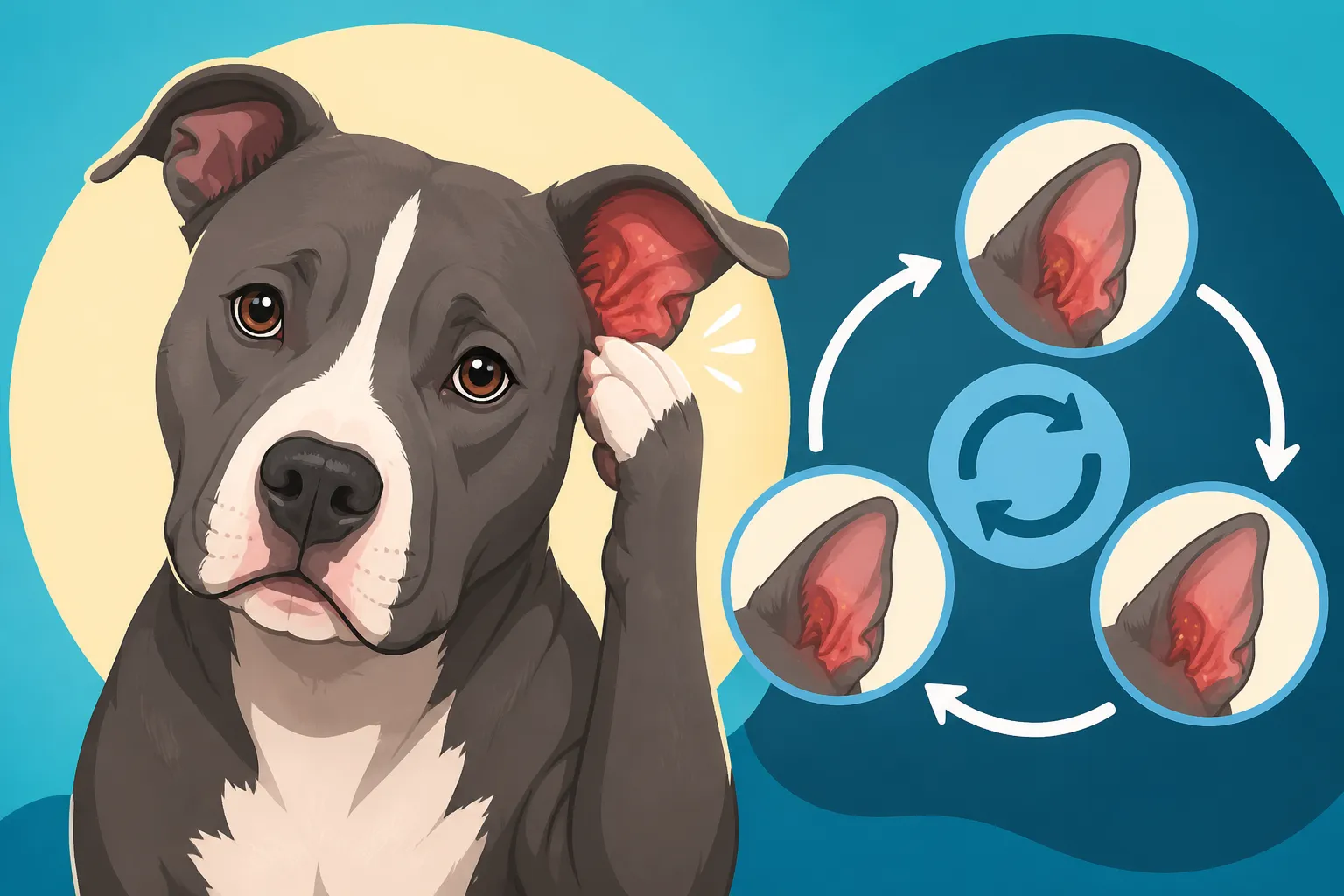
It's truly disheartening when your beloved Pit Bull seems to be constantly battling ear infections, shaking their head, scratching relentlessly, and making those tell-tale unhappy noises. This cycle of inflammation, discomfort, and vet visits can feel never-ending, leaving both you and your furry friend utterly exhausted. Many Pit Bull owners find themselves asking why their otherwise robust dogs get ear infections every few months. This guide will dive deep into understanding why these recurring ear issues plague our Pit Bulls, how to spot them early, and most importantly, how to break the frustrating cycle for good.
Why Pit Bulls Are Prone to Ear Infections Every Few Months
Dealing with recurrent ear infections in your Pit Bull can feel like a losing battle, but understanding the underlying reasons is the first step toward effective management. It's not just bad luck; there are anatomical and physiological factors that make some dogs, including Pit Bulls, particularly susceptible.
The Specifics of Pit Bull Ear Anatomy
One key reason Pit Bulls, and many other breeds, struggle with ear infections lies in their ear structure. Unlike human ear canals that are relatively short and horizontal, a dog's ear canal is L-shaped, with both a vertical and a horizontal segment. This design, while seemingly efficient, creates a perfect warm, dark, and often humid environment that can trap moisture, debris, and microorganisms. For Pit Bulls, who often have broad heads and sometimes thicker ear cartilage, this can exacerbate the issue. If their ears are floppy (not cropped), the flap of the ear can further seal off the canal, reducing air circulation and creating an even more inviting breeding ground for bacteria and yeast. Even with cropped ears, the L-shape remains a challenge.
The Overwhelming Link to Allergies
While anatomy certainly plays a role, the single biggest culprit behind chronic, recurring ear infections in Pit Bulls is almost always allergies. It’s a frustration many Pit Bull owners share: you treat the infection, it clears up, and then a few weeks or months later, it’s back with a vengeance. This isn't because the infection wasn't treated properly; it's because the underlying allergic inflammation was never fully addressed. Pit Bulls are particularly prone to environmental allergies, also known as atopy, which manifests as itchy skin, often starting on their paws, belly, or, yes, their ears. You might notice your Pit Bull constantly licking their paws, or their belly might look a little pink. If you see signs of Pit Bull Skin Allergies and the Atopy Pattern, it's highly likely their recurring ear issues are a direct extension of this systemic allergic reaction. The skin lining the ear canal becomes inflamed, red, and itchy, making it easier for normal ear inhabitants like yeast and bacteria to overgrow and cause an infection. The link between their allergies and ear troubles is so strong that it’s often referred to as Pit Bull Ear Infections and Allergy Links.
Other Contributing Factors
Beyond anatomy and allergies, several other factors can contribute to ear infections in Pit Bulls, sometimes acting as triggers or exacerbating existing conditions. For example, if your Pit Bull loves to swim or frequently gets baths where water enters their ears, that trapped moisture in their L-shaped canals can quickly lead to an infection. It creates a damp environment where bacteria and yeast thrive. Foreign bodies, such as grass awns or seeds, can also work their way deep into the ear canal, causing irritation, inflammation, and providing a direct pathway for infection. While less common in Pit Bulls due to their short coat, some dogs can have excessive hair growth within the ear canal, which can also trap debris and moisture. Parasites, like ear mites, are another possibility, especially in puppies or dogs from shelters, though they are usually easier to diagnose and treat. It's crucial for your vet to rule out these possibilities, especially if allergy symptoms aren't obvious.
Recognizing the Signs of a Developing Ear Infection
It's easy to miss the early signs of an ear infection, especially when your Pit Bull is usually so tough and stoic. However, catching these issues early can prevent a lot of pain and a more complicated treatment course for your dog.
Early Warning Signals
The first indications of an ear infection are often subtle. You might notice your Pit Bull shaking their head more frequently than usual, even just a slight twitch, as if trying to dislodge something bothersome. Another common early sign is increased scratching around the ear with a back paw. Sometimes, they might try to relieve the itch by rubbing their head against furniture or the carpet, which can sometimes look like A Pit Bull Rubbing Its Face on the Carpet. You might also pick up on a faint, yeasty or slightly sweet smell coming from the ear, even before visible discharge. When you lift the ear flap, you might see some mild redness inside, or a slight increase in dark, waxy debris, which is usually a sign of yeast overgrowth. Pay attention during cuddle time; if they pull away when you touch their ear, it could be tender.
Advanced Symptoms and Discomfort
As an ear infection progresses, the signs become much more obvious and indicate significant discomfort for your Pit Bull. The head shaking can become violent and frequent, and the scratching more intense, sometimes even leading to raw, irritated skin around the ear from self-trauma. You might notice a strong, foul odor emanating from the ear, which can be quite distinctive and unpleasant. The discharge will likely increase in volume and change in appearance – it could be dark brown and waxy (often yeast), or yellowish-green and pus-like (usually bacterial). The ear flap itself might feel warm to the touch, and the ear canal could appear visibly swollen, which can sometimes manifest as A Pit Bull Ear Swollen From Shaking. In severe cases, your Pit Bull might hold their head tilted to one side, or show signs of significant pain when you try to examine the ear. They might also become withdrawn, less active, or even snap if you attempt to touch the affected area due to extreme tenderness.
When to Seek Veterinary Attention
Given how quickly ear infections can escalate and how uncomfortable they are for your Pit Bull, it's always best to seek veterinary attention as soon as you suspect a problem. Don't fall into the trap of trying to self-treat with home remedies or old prescription drops. An incorrect diagnosis can lead to ineffective treatment, allowing the infection to worsen or become resistant to common medications. Your veterinarian will perform an otoscopic exam to look deep into the ear canal, check for foreign bodies, and assess the severity of the inflammation. Crucially, they will also take a sample of the discharge for cytology, examining it under a microscope to identify whether bacteria, yeast, or both are present, and sometimes even determine the specific types. This targeted approach is essential for prescribing the correct medication and avoiding a cycle of recurring infections.
Effective Management and Treatment Strategies
Successfully treating recurring ear infections in Pit Bulls involves more than just clearing up the current flare-up; it requires a comprehensive approach to manage underlying issues and prevent future occurrences.
Veterinary Diagnosis and Initial Treatment
When you visit your vet, the first step is always a thorough examination. They’ll use an otoscope to look deep into the ear canal, checking for foreign bodies, polyps, or eardrum damage. This is critical before any liquid medication is put in, as some drops can be harmful if the eardrum is ruptured. Next, a swab of the ear discharge will be taken for cytology. This quick test, performed right in the clinic, identifies the type of organisms present—typically bacteria, yeast (which can lead to Yeast Infections in Pit Bull Skin Folds, including the ear canal), or both. For severe or persistent infections, your vet might recommend a culture and sensitivity test, sending a sample to a lab to pinpoint the exact bacteria and determine which antibiotics will be most effective. Based on these findings, your vet will prescribe specific ear drops containing antibiotics, antifungals, or both, often combined with an anti-inflammatory steroid to reduce swelling and pain. Oral medications, such as antibiotics or anti-inflammatories, may also be prescribed, especially for more severe or deep-seated infections. It's vital to follow the full course of treatment, even if the ear looks better after a few days.
At-Home Care and Medication Administration
Administering ear medications to a strong, sometimes headstrong, Pit Bull requires patience and the right technique. Your vet or vet tech can demonstrate how to properly apply drops or ointments. The general process involves gently cleaning the ear first, if recommended by your vet and if the ear isn't too painful, then holding the ear flap up and applying the prescribed amount of medication directly into the ear canal. After application, gently massage the base of the ear to help distribute the medication. Your Pit Bull will likely shake their head, which is normal and helps the medication spread further. It’s also important to learn Cleaning a Pit Bull Ear Properly, as regular, gentle cleaning with an appropriate solution can significantly aid in treatment and prevention. Consistency is key; missing doses can lead to treatment failure or resistance. Positive reinforcement, like praise and treats, can make the process less stressful for both of you.
Addressing the Underlying Causes
Treating the immediate infection is only half the battle, especially with recurring issues. To truly break the cycle, you must address the root cause, which, as we discussed, is most often allergies. Your vet may suggest An Eight Week Food Trial on an Itchy Pit Bull if food allergies are suspected. This involves feeding a novel protein or hydrolyzed protein diet exclusively for several weeks, with no other treats or foods. If environmental allergies (atopy) are the problem, management can be more complex. This might involve environmental controls (e.g., wiping paws after walks, air purifiers), antihistamines, or more advanced medications like Apoquel or Cytopoint. For long-term control, especially with severe atopy, your vet might recommend allergy testing (intradermal skin testing or blood tests) to identify specific allergens. Based on these results, allergen-specific immunotherapy (allergy shots) can be formulated. While the idea of regular shots might sound daunting, for many Pit Bulls, these immunotherapy treatments offer the best chance at long-term relief. Understanding What Allergy Shots Cost a Pit Bull Owner can help you budget for this long-term solution. It's important to be realistic; Whether a Pit Bull Allergy Ever Goes Away is a common question, and unfortunately, most allergies are managed, not cured, requiring ongoing vigilance.
Here's a quick look at common ear infection culprits:
| Symptom | Common Cause | Treatment Approach | Prevention Focus |
|---|---|---|---|
| Strong foul odor, dark waxy discharge, redness, itchiness | Yeast (Malassezia) overgrowth | Antifungal ear drops, possibly oral antifungals | Allergy management, consistent cleaning |
| Yellowish-green pus, very painful, swelling, strong odor | Bacterial infection | Antibiotic ear drops (often with steroid), oral antibiotics | Allergy management, drying ears after water |
| Excessive scratching, head shaking, no visible discharge initially, often in puppies | Ear Mites (Otodectes cynotis) | Miticidal ear drops or systemic parasite prevention | Regular parasite prevention |
| Sudden pain, head tilt, pawing at ear, resistance to examination | Foreign Body (e.g., grass awn) | Veterinary removal under sedation/anesthesia | Avoidance of tall grasses, diligent ear checks after outdoor activities |
Preventative Care to Break the Cycle for Good
Preventing recurring ear infections in your Pit Bull is all about consistency and proactive management. It takes dedication, but the comfort of your dog is well worth the effort.
Consistent Cleaning Routines
Even when your Pit Bull's ears look healthy, a consistent cleaning routine can make a world of difference in preventing future infections, especially if they are prone to allergies. Talk to your vet about how often you should clean your Pit Bull's ears; for some, it might be weekly, for others, bi-weekly. It's crucial to use an Ear Cleaner That Suits an Allergic Pit Bull, typically one that is gentle, pH-balanced, and perhaps has drying or antiseptic properties, but always follow your vet's recommendation. Avoid alcohol-based cleaners, as these can be irritating. After swimming or bathing, make sure to thoroughly dry your Pit Bull's ears, perhaps using cotton balls to gently absorb excess moisture from the visible parts of the canal. Remember, the goal isn't to sterilize the ear but to remove excess wax, debris, and create an environment less favorable for microbial overgrowth. If you want to dive deeper into routines, you might find more helpful information on Ear Care in a Pit Bull With Allergies.
Dietary Management and Environmental Control
Since allergies are such a common culprit, managing your Pit Bull's diet and environment is paramount to preventing ear infection flare-ups. If a food allergy was diagnosed, strict adherence to the prescribed limited ingredient or hydrolyzed protein diet is non-negotiable. Even small cheats can trigger a reaction. For environmental allergies, proactive measures can significantly reduce allergen exposure. This might include wiping down your Pit Bull’s paws and belly with a damp cloth after outdoor excursions to remove pollen and other irritants. Consider using high-efficiency particulate air (HEPA) filters in your home, regular vacuuming with a HEPA-filtered vacuum, and frequent washing of your dog's bedding. Some Pit Bulls benefit from Medicated Baths for a Pit Bull With Atopy, which can help soothe itchy skin and remove allergens directly from their coat, further reducing the overall allergic burden on their system, including their ears.
Regular Vet Check-ups and Financial Planning
Establishing a strong partnership with your veterinarian is critical for managing chronic ear issues. Regular check-ups allow your vet to monitor your Pit Bull's ear health, catch potential problems early, and adjust their allergy management plan as needed. They can also ensure that any long-term medication dosages are appropriate and that there are no adverse side effects. These ongoing vet visits, diagnostic tests, and long-term allergy medications can quickly add up, creating a significant financial burden. This is where pet insurance can be a game-changer. Companies like Healthy Paws offer plans that can cover a substantial portion of these recurring costs, from cytology and medication to specialized allergy treatments. Having a robust insurance plan, such as one from Healthy Paws, means you can prioritize your Pit Bull's health without constantly worrying about the bill, allowing you to consistently provide the best preventative care. Proactive care ensures not just ear health but also general well-being, catching other issues like Pit Bull Dental Disease and Hard Chewing or ensuring they are at a healthy Pit Bull Weight and Muscle on a Working Frame. Knowing your Pit Bull is covered by a provider like Healthy Paws offers immense peace of mind.
Disclaimer
This article is intended for informational purposes only and does not constitute medical advice. Always consult with a qualified veterinarian for any health concerns or before making any decisions about your Pit Bull's care or treatment plan. Individual circumstances can vary, and a professional diagnosis is essential for effective management of ear infections and underlying conditions.