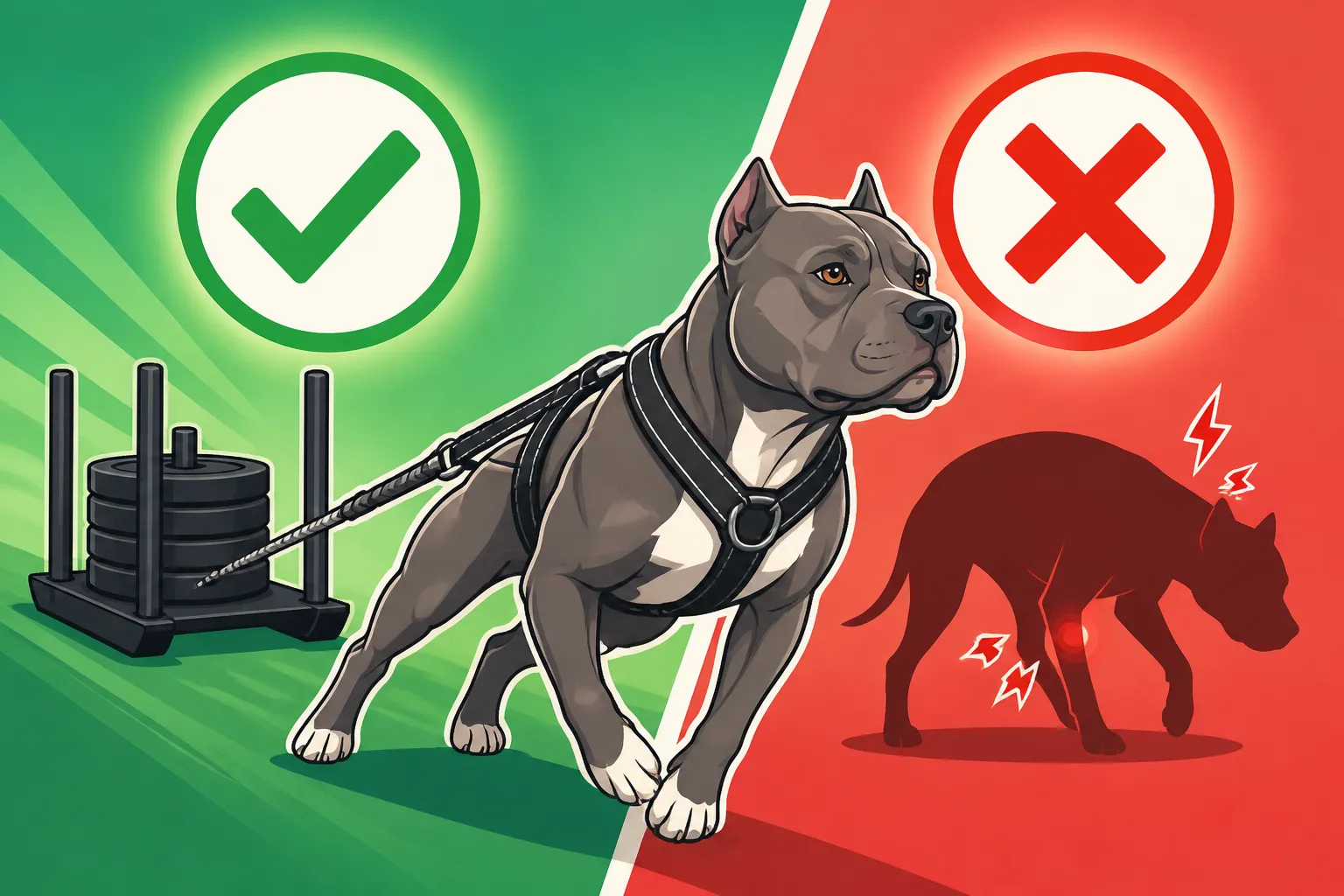
Whether Weight Pulling Is Safe for a Pit Bull
Many Pit Bull owners look at their incredibly strong, driven companions and wonder how best to channel all that boundless energy and muscle. Weight pulling, with its imagery of powerful dogs dragging impressive loads, often comes to mind as a way to engage these natural athletes. But like any high-impact sport, it’s crucial to understand the nuances of safety, preparation, and your individual dog’s suitability before hitching them to a sled. This guide will delve into the world of weight pulling for Pit Bulls, exploring the considerations, potential benefits, and very real risks involved, so you can make an informed decision for your furry friend.
Understanding the Sport of Weight Pulling for Pit Bulls
Weight pulling is a sport designed to test a dog's strength, endurance, and determination as they pull a weighted cart or sled a short distance. While it might sound intense, it's actually rooted in the working history of many strong breeds, including the ancestors of today's Pit Bulls, who were often used for hauling goods. Today, it's a structured sport with specific rules and equipment, focusing on controlled exertion rather than brute force.
The Mechanics and Demands of the Sport
At its core, weight pulling involves a dog attached to a specialized harness, which is then connected to a cart or sled loaded with weights. The dog’s job is to pull this load a set distance, often 15 or 20 feet, within a specific time limit. Competitions typically offer different weight classes, allowing dogs of varying sizes to compete fairly. The surfaces can range from dirt to carpet to snow, each presenting unique challenges to the dog's grip and pulling power.
The demands on a dog's body are significant. It's not just about brute strength; it requires proper body mechanics, powerful leg drive, core stability, and mental focus. A dog must learn to lean into the harness, dig its paws in, and exert continuous force. This isn't a casual romp; it's an organized athletic endeavor that, when done correctly, can be incredibly rewarding for both dog and handler. The dog learns to work in tandem with its owner, responding to commands and focusing its immense power on a single task.
Essential Equipment for Safe Weight Pulling
You can't just throw a regular walking harness on your Pit Bull and expect them to pull a sled safely. The right equipment is paramount to prevent injury and ensure your dog can perform effectively. The most critical piece is the weight pull harness. Unlike a walking harness that distributes pressure across the chest and shoulders, a weight pull harness is designed to distribute the pulling force evenly across the dog's entire body, from chest to hips, usually with thick, padded straps. This prevents concentrated pressure points that could cause discomfort or injury.
You'll also need a gangline, which is the sturdy lead connecting the harness to the cart or sled, and the cart or sled itself, which needs to be stable and able to hold various weights securely. Many dedicated weight pull harnesses can be found through specialized vendors, but you might also find suitable options or components for sale on platforms like Amazon or Chewy, though always double-check reviews and specifications to ensure they meet the rigorous demands of the sport and fit your Pit Bull’s specific build. Getting the fit right is absolutely non-negotiable; a poorly fitting harness can chafe, restrict movement, or cause serious injury.
Assessing Risks and Benefits for Your Pit Bull
Like any athletic pursuit, weight pulling comes with its own set of potential benefits and risks. For a powerful, muscular breed like the Pit Bull, understanding these factors is crucial to ensure their long-term health and well-being.
The Physical and Mental Advantages
When approached responsibly, weight pulling offers several excellent advantages for Pit Bulls:
- Exceptional Physical Conditioning: This sport is a fantastic full-body workout. It builds lean muscle mass, strengthens the core, and improves overall cardiovascular health and endurance. For a breed known for its impressive musculature, this provides a structured outlet to develop and maintain that physical prowess. A well-conditioned Pit Bull is often a healthier Pit Bull.
- Mental Engagement and Focus: Weight pulling isn't just a physical challenge; it's a mental one. Dogs must learn to focus, take commands, and push through perceived limits. This mental stimulation can be incredibly satisfying for intelligent, driven dogs, helping to reduce boredom and associated destructive behaviors at home. It channels their natural drive into a productive activity.
- Strengthened Bond with Handler: Working together as a team in a demanding sport can significantly deepen the bond between a Pit Bull and their owner. The trust and communication required foster a unique connection built on shared effort and success.
- Outlet for Natural Drive: Pit Bulls often possess a strong drive to work and please. Weight pulling provides a healthy, controlled environment to express these instincts, which might otherwise manifest in less desirable ways if not properly channeled.
Potential Risks and Injury Concerns
While the benefits are real, the risks of weight pulling should never be underestimated, especially for a breed prone to certain orthopedic issues. The very nature of pulling heavy loads can place significant stress on a dog's body.
- Joint Injuries: This is perhaps the most significant concern. The repetitive strain and heavy loads can exacerbate or even cause problems in the hips, elbows, shoulders, and spine. Pit Bulls, like many active breeds, can be susceptible to conditions like Pit Bull Hip Dysplasia Showing at One to Two Years or Pit Bull Joint and Ligament Injuries. Putting additional stress on already compromised or predisposed joints can lead to debilitating conditions requiring extensive veterinary care. Tears to ligaments, such as cruciate tears, are also a risk.
- Muscle Strains and Sprains: The intense exertion can lead to muscle pulls, strains, or tears if the dog isn't properly conditioned, warmed up, or allowed adequate recovery time. These can range from minor discomfort to serious injuries that sideline a dog for weeks or months.
- Heat Stroke: Weight pulling is an intense activity, and Pit Bulls, with their short coats, can still be susceptible to overheating, especially in warmer climates or during prolonged sessions. Dehydration and heat stroke are serious, life-threatening concerns that require constant vigilance.
- Improper Form and Long-Term Damage: If a dog is poorly trained or uses incorrect body mechanics to pull, it can lead to chronic pain, compensatory injuries, and long-term musculoskeletal damage. This emphasizes the critical need for proper training and supervision from experienced handlers.
It's vital for any Pit Bull owner considering weight pulling to have a candid conversation with their veterinarian about their dog's overall health, including any family history of orthopedic issues or Heart Disease in a Pit Bull. This is not a sport for every dog, and pre-existing conditions could be severely worsened.
Preparing Your Pit Bull for Weight Pulling Safely
If you're serious about introducing your Pit Bull to weight pulling, preparation is absolutely key to mitigating risks and maximizing enjoyment. This isn't something you jump into overnight; it requires a structured, patient approach.
The All-Important Veterinary Clearance
Before your Pit Bull even sniffs a harness meant for pulling, a thorough veterinary check-up is non-negotiable. This isn't just a routine annual exam. You need to specifically discuss your interest in weight pulling with your vet and request a comprehensive orthopedic and cardiac evaluation.
Your vet will assess your dog's joints, spine, and heart function to ensure there are no underlying conditions that could be aggravated by the sport. This might involve X-rays to check for hip or elbow dysplasia, or listening carefully to their heart. Some vets might even recommend specific genetic testing if certain conditions are prevalent in your dog's lineage, especially if you have a dog from a breeder who has done health clearances, as detailed in What Testing a Pit Bull Breeder Should Have Done. Catching potential issues early can save your dog from significant pain and expense down the road. If your vet gives the green light, great! If not, respect their professional advice and explore other activities.
Building a Foundation: Training and Conditioning
Once your dog has a clean bill of health, it's time to build the necessary physical and mental foundation.
Obedience and Impulse Control
A Pit Bull involved in weight pulling needs excellent obedience. They must be able to focus amidst distractions, respond reliably to commands like "sit," "stay," "wait," and critically, "pull!" and "stop." Impulse control is equally vital; they need to wait patiently for their cue and not lunge or pull prematurely. This type of foundational training not only makes the sport safer but also enriches your dog's life overall. Many Pit Bulls thrive on structure and having a "job," and this focused training provides just that.
Gradual Physical Conditioning
You wouldn't expect a human to run a marathon without training, and the same goes for a Pit Bull and weight pulling. The conditioning must be slow, progressive, and tailored to your dog's current fitness level. Start with regular, appropriate exercise to build general fitness, as outlined in Pit Bull Exercise for a Powerful Athletic Dog. This means consistent walks, jogs, and play that get their heart rate up and build stamina.
Once they have a good baseline, you can introduce very light, controlled pulling with an appropriate harness. Start with an empty cart or a small, easily movable object, having them pull it only a few feet. Gradually, over weeks and months, you can increase the distance and then slowly add small increments of weight. The goal is to build strength and endurance without overstressing their body.
Proper nutrition also plays a massive role here. Feeding a high-quality diet that supports lean muscle mass is essential. Consider talking to your vet about specialized diets or supplements that might benefit an active, working dog. Brands like Ollie offer fresh, balanced meals that can support muscle maintenance and recovery, while products available on Chewy can provide specialized joint support supplements if your vet deems them appropriate. Remember, consistency is more important than intensity in the early stages. Building a Pit Bull's Fitness Safely is a marathon, not a sprint.
Age and Development Considerations
Timing is everything. Weight pulling is definitely not a sport for puppies. A Pit Bull's skeletal system is still developing significantly during its first year, and even up to two years of age for larger individuals. Putting heavy strain on developing bones and growth plates can cause irreversible damage. It's generally recommended that dogs be at least 18-24 months old, with their growth plates fully closed and skeletal development complete, before even considering light weight pulling. For an in-depth look at their development, check out The Age a Pit Bull Finishes Growing.
Similarly, older Pit Bulls, especially those entering their senior years (typically around 7+ for a Pit Bull), might not be ideal candidates. While some older dogs remain incredibly fit, the accumulated wear and tear on their joints makes them more susceptible to injury. Caring for a Pit Bull in Its Second Decade offers great insights into managing an aging Pit Bull, and for many, weight pulling would be too strenuous at that stage of life. Always prioritize your dog's comfort and long-term health over competitive aspirations.
| Aspect | Puppy (Under 18 months) | Adult (18 months – 7 years) | Senior (7+ years) |
|---|---|---|---|
| Weight Pulling Suitability | NOT Recommended | POTENTIALLY Suitable | Generally NOT Recommended |
| Skeletal Development | Still Developing | Fully Mature | Wear and Tear Accumulating |
| Risk of Injury | High (growth plate damage) | Moderate (with proper training) | High (arthritis, joint issues) |
| Focus | Foundation obedience, light exercise | Gradual introduction, conditioning | Comfort, gentle exercise, mobility |
| Vet Consultation | Essential (for general health) | Absolutely Essential (orthopedic & cardiac) | Essential (to assess existing conditions) |
Exploring Alternatives for Strength and Exercise
Perhaps after careful consideration, you decide that competitive weight pulling isn't the right fit for your Pit Bull, or your vet advises against it. That's perfectly fine! There are countless other ways to channel their energy, build muscle, and engage their minds without the specific risks associated with heavy pulling.
Safe and Effective Strength-Building Activities
Your Pit Bull's natural strength and athleticism can be celebrated and developed through a variety of other sports and activities.
- Flirt Pole: This is an excellent way to tap into your Pit Bull's prey drive and build explosive power and agility. A flirt pole is essentially a long stick with a lure (toy) attached to a rope. You drag the lure along the ground, enticing your dog to chase, leap, and turn quickly. It's fantastic for cardiovascular fitness and building muscle in a controlled, low-impact manner, as long as you manage the intensity and surface. Remember to prioritize soft landings to protect joints, as discussed in Flirt Pole Sessions and Pit Bull Joints.
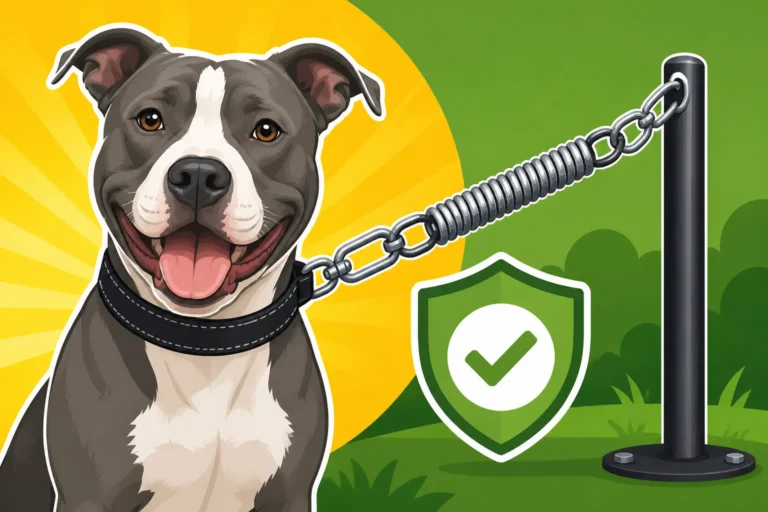
- Springpole: For dogs who love to hang and tug, a springpole can be a wonderful conditioning tool. It's typically a spring-loaded pole with a bite toy suspended from it, allowing your dog to jump, latch on, and tug against the resistance. This builds jaw strength, neck muscles, and core stability. Again, safety is paramount: ensure the pole is securely installed, the toy is durable, and supervise your dog at all times. Proper technique and moderate sessions prevent injury. You can learn more about its safe usage in Springpole Safety for a Pit Bull.
- Tug-of-War: A classic for a reason! Tug is a fantastic interactive game that builds strength, confidence, and teaches impulse control (when played with rules, like "drop it"). Use sturdy toys and engage in short, intense sessions.
- Swimming: This is one of the best low-impact exercises for joint health. Swimming builds muscle evenly across the entire body without putting stress on the joints, making it ideal for dogs with or prone to orthopedic concerns. Many Pit Bulls surprisingly love the water! Consider a well-fitting life vest for safety, especially in open water. Learn more about water activities in Whether Pit Bulls Enjoy Swimming.
Mental Enrichment and Advanced Obedience
Beyond physical prowess, Pit Bulls thrive on mental challenges. Integrating these can keep them sharp, engaged, and prevent boredom-related issues.
- Advanced Obedience and Trick Training: Pit Bulls are intelligent and love to learn. Teaching advanced obedience commands, complex trick sequences, or even dog dancing can be incredibly stimulating. It builds communication and reinforces your bond.
- Scent Work/Nose Work: Tapping into a dog's primary sense, scent work is mentally exhausting and incredibly rewarding. Hiding treats or specific odors for your dog to find engages their brain intensely and can be done almost anywhere.
- Agility: This sport involves navigating obstacle courses (tunnels, jumps, weave poles). It's a fantastic combination of physical and mental challenge, building coordination, speed, and responsiveness. While it does involve jumping, skilled instructors can modify courses to minimize impact and teach safe body mechanics.
Ultimately, the best activities for your Pit Bull are those that you both enjoy, that challenge them appropriately, and that prioritize their long-term health and happiness. Always observe your dog for signs of discomfort or fatigue, and adjust their activity levels accordingly. By focusing on safe, progressive, and enjoyable activities, you can ensure your Pit Bull lives a full, active, and healthy life.
Disclaimer
This article is for general informational purposes only and does not constitute professional advice. Laws, prices and regulations vary by location and change over time. Consult a qualified professional for guidance on your specific situation.