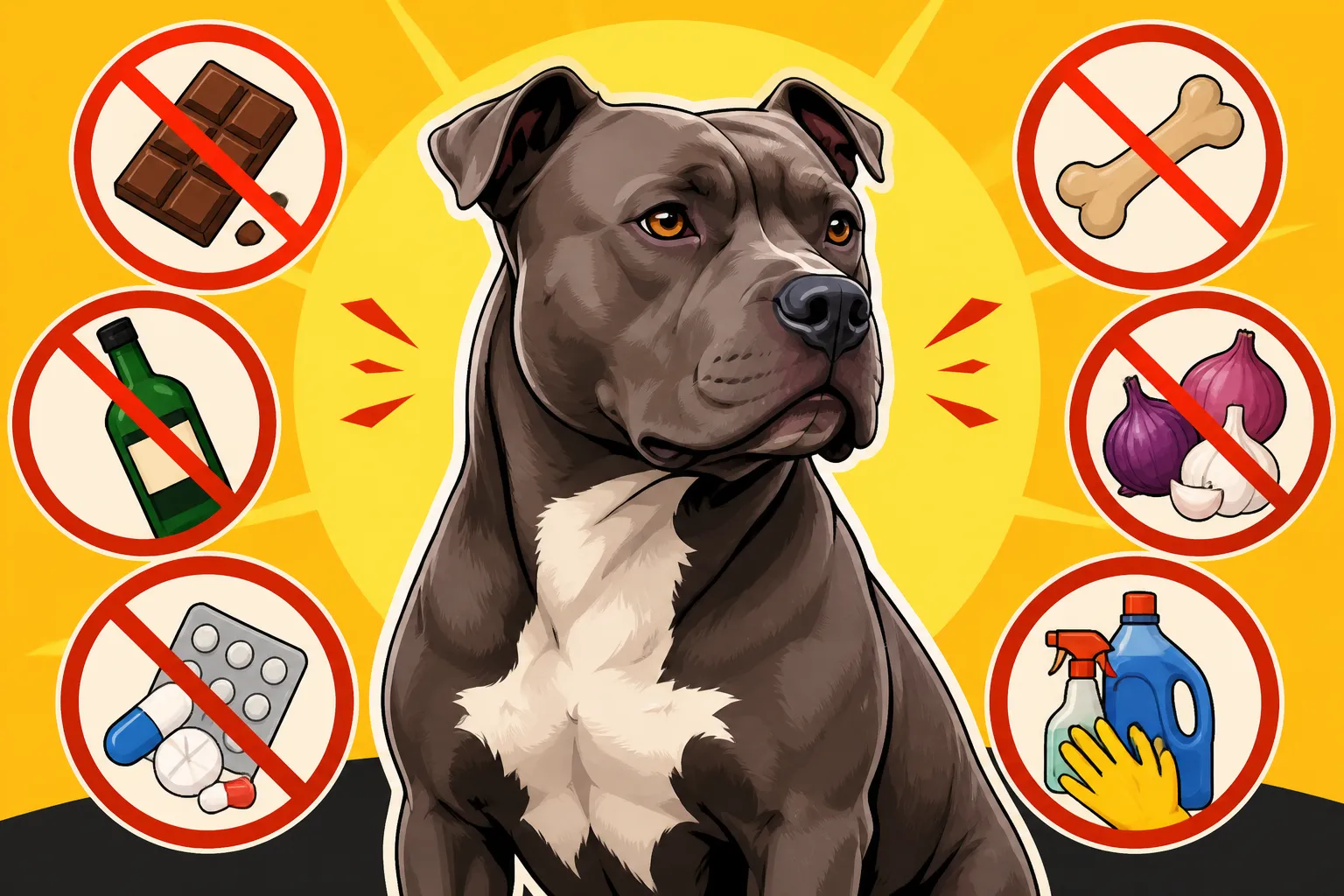
What to Keep Away From a Pit Bull
It can be incredibly frustrating and even terrifying to realize your curious Pit Bull has gotten into something they shouldn't have, whether it's a forgotten chocolate bar on the counter or a spilled cleaning product. Our homes and yards, which we strive to make safe havens for our beloved companions, are often full of hidden dangers. This comprehensive guide will walk you through the most common and critical items, substances, and even types of toys you absolutely must keep out of reach of your Pit Bull, helping you create a truly safe environment and potentially save a trip to the emergency vet.
Common Human Foods That Are Toxic to Pit Bulls
We love to share our lives with our dogs, and sometimes that extends to sharing our food. But while a tiny piece of cooked chicken might be fine, many common human foods are downright dangerous for dogs, especially a robust and often food-motivated breed like the Pit Bull. Their strong digestive systems can sometimes mask issues initially, making it even more crucial to know what's off-limits.
Chocolates and Caffeinated Products
Chocolate is probably the most widely known toxic food for dogs, and for good reason. It contains theobromine and caffeine, both of which Pit Bulls (and all dogs) metabolize much slower than humans. This means these stimulants can build up to toxic levels in their system, leading to serious health issues. The darker the chocolate, the higher the concentration of theobromine, making baker's chocolate and dark chocolate particularly hazardous. Even seemingly harmless milk chocolate or chocolate-covered treats can cause problems if ingested in large enough quantities.
Symptoms of chocolate poisoning can range from mild gastrointestinal upset like vomiting and diarrhea to more severe signs such as increased thirst, restlessness, hyperactivity, tremors, seizures, and even heart arrhythmias. Imagine your typically calm Pit Bull suddenly bouncing off the walls, panting excessively, and unable to settle – it's a terrifying sight. Keeping all chocolate, from holiday candy to baking ingredients, securely stored in high cabinets or sealed containers is non-negotiable. Don't forget about coffee grounds, tea bags, or energy drinks either, as they also contain dangerous levels of caffeine. Remember, even a small amount can be dangerous, especially for smaller Pit Bulls or puppies.
Grapes, Raisins, and Xylitol
The toxicity of grapes and raisins remains a bit of a mystery, as the exact compound causing the problem hasn't been definitively identified. However, what we do know is that even a small handful of grapes or a few raisins can cause acute kidney failure in some dogs, including Pit Bulls. It's a scary thought because the reaction seems to be idiosyncratic; some dogs can eat them with no issue, while others suffer severe consequences. Since there's no way to predict which dog will be affected, the safest approach is to consider all grapes and raisins toxic and completely off-limits.
Another hidden danger is xylitol, an artificial sweetener found in a surprising number of products. Xylitol is common in sugar-free gum, mints, certain brands of peanut butter, some toothpastes, chewable vitamins, and even some baked goods labeled "sugar-free." For dogs, xylitol causes a rapid and severe drop in blood sugar (hypoglycemia), which can lead to seizures, liver failure, and even death. If you use peanut butter as a treat or to administer medication, always check the label to ensure it doesn't contain xylitol. Many dog owners buy their pet-safe treats from places like Chewy, ensuring ingredients are carefully vetted for canine safety. Always keep products containing xylitol completely out of reach. For more specific foods to avoid, you might find this article helpful: Household Foods That Are Dangerous to a Pit Bull.
Onions, Garlic, and Chives
These common kitchen staples, all members of the Allium family, contain compounds that can damage a Pit Bull's red blood cells, leading to a condition called hemolytic anemia. This means their body starts destroying its own oxygen-carrying red blood cells, which can be life-threatening. The effects aren't always immediate and can sometimes take several days to manifest after ingestion, making diagnosis tricky if you don't realize they've eaten something harmful. Whether raw, cooked, dried, or powdered, these ingredients are toxic.
Think about common human foods often flavored with these ingredients: pizza, stir-fries, gravies, baby food (surprisingly), and even some meat dishes. Giving your Pit Bull table scraps that include these items, even in small amounts over time, can lead to chronic issues. A single large exposure can also be acutely dangerous. Symptoms might include lethargy, weakness, pale gums, vomiting, diarrhea, rapid breathing, and even red or brown urine. It's best to keep all these ingredients, and any foods prepared with them, far away from your Pit Bull's bowl.
Alcohol and Yeast Dough
It might seem obvious, but alcohol is extremely dangerous for dogs. Even small amounts can cause intoxication, leading to vomiting, diarrhea, disorientation, tremors, difficulty breathing, and potentially coma or death. Dogs are much smaller than humans and metabolize alcohol very differently, making them far more sensitive. This includes alcoholic beverages, but also things like fermentation by-products found in rotten apples or even certain medicines. Always keep alcoholic drinks completely out of reach.
Yeast dough, often used for making bread, presents a dual threat. First, when ingested, the warm, moist environment of a Pit Bull's stomach is perfect for the yeast to continue rising, causing the dough to expand. This can lead to severe bloating, gas, and even a life-threatening condition called gastric dilatation-volvulus (GDV), commonly known as bloat, where the stomach twists. Pit Bulls, with their deep chests, are already at a higher risk for bloat. Second, as the yeast ferments, it produces alcohol, leading to alcohol poisoning as described above. If your Pit Bull gets into raw bread dough, it's an immediate emergency.
Household Dangers and Everyday Toxins
Our homes are filled with convenience, but also with products that are perfectly safe for humans but incredibly hazardous for a curious Pit Bull. These aren't always food items, but rather the everyday substances we use for cleaning, maintenance, and personal care. Pit Bulls, with their strong jaws and inquisitive noses, can easily get into things we might think are safely tucked away.
Cleaning Supplies and Chemicals
From bathroom cleaners to laundry detergents, floor cleaners to oven sprays, most household cleaning products contain harsh chemicals that are toxic if ingested or even if they come into prolonged contact with skin or mucous membranes. Our Pit Bulls love to explore with their mouths, noses, and paws, making spills or poorly secured bottles a serious risk. They might chew on a bottle, lap up a puddle, or walk through a freshly cleaned floor and then lick their paws.
Symptoms of exposure can vary widely depending on the chemical, but often include vomiting, diarrhea, drooling, chemical burns in the mouth or throat, difficulty breathing, and general weakness. Even "natural" or "eco-friendly" cleaners can cause severe gastrointestinal upset. It's crucial to store all cleaning supplies in high, locked cabinets or behind secure child-proof latches. Always put them away immediately after use, and never leave open containers or buckets of cleaning solutions unattended. When cleaning floors, ensure your Pit Bull is in a separate room until the surfaces are completely dry. You don't want your dog developing Pit Bull Skin Allergies and the Atopy Pattern from contact irritants.
Medications, Both Human and Pet
It might sound obvious, but human medications are formulated for human bodies, not for canines. What's a safe dose for you can be lethal for your Pit Bull. Over-the-counter pain relievers like ibuprofen (Advil, Motrin), naproxen (Aleve), and acetaminophen (Tylenol) are incredibly dangerous, causing kidney failure, liver damage, stomach ulcers, and internal bleeding. Antidepressants, heart medications, and even common cold and flu remedies can also cause severe neurological, cardiovascular, or other systemic issues. Even seemingly benign supplements can be harmful in canine systems.
Pet medications, while designed for animals, are also dangerous if ingested in incorrect dosages or by the wrong pet. For instance, a flea and tick preventative designed for a 50-pound Pit Bull could be deadly if eaten by a small puppy or a cat. Always keep all medications, human and pet, in their original child-proof containers, and store them securely out of reach. Never leave pills on countertops, nightstands, or in accessible bags. If your Pit Bull accidentally ingests any medication, even if you're unsure if it was a toxic dose, contact your vet immediately. This is a situation where you need to know Emergency Steps After a Pit Bull Eats Something.
Pest Control Products
When we try to eliminate pests from our homes or yards, we're often introducing substances that are highly toxic to our pets. Rat and mouse poisons (rodenticides), slug bait, ant traps, and even some insect sprays are designed to be palatable to pests, which unfortunately often makes them appealing to curious dogs. The compounds in these products can cause severe internal bleeding, neurological damage, kidney failure, or other catastrophic health problems, often with delayed symptoms that make treatment more difficult.
Rodenticides, for example, often contain anticoagulants that prevent blood from clotting, leading to internal hemorrhaging. Symptoms might not appear for several days after ingestion, making it harder to link the illness to the poison. If you must use pest control, choose pet-safe options if available, or place them in areas completely inaccessible to your Pit Bull. Better yet, consider non-toxic alternatives like humane traps or natural deterrents. If you have an exterminator, inform them you have a dog and ask them to use pet-safe methods or place traps in secure locations. For a Pit Bull with Flea Allergy Dermatitis in a Pit Bull, you'll want to ensure any flea control is pet-safe and applied correctly.
Outdoor and Environmental Hazards
Our Pit Bulls thrive on outdoor adventures, whether it's a brisk walk through the neighborhood or romping in the backyard. However, the great outdoors, and even our carefully cultivated gardens, can harbor numerous hidden dangers. We need to be just as vigilant about what our Pit Bulls encounter outside as we are about what's inside our homes.
Toxic Plants and Fungi
Many common garden and house plants are surprisingly toxic to dogs. While some might only cause mild stomach upset, others can lead to severe organ damage, seizures, or even death. Just a few examples include lilies (highly toxic, especially to cats but still dangerous for dogs), sago palms, oleander, azaleas, rhododendrons, daffodils, tulips, and even common houseplants like philodendrons and pothos. It’s impossible to list them all here, but a quick search for "toxic plants for dogs" before planting new greenery or bringing a new houseplant home is always a good idea.
Mushrooms and other fungi can also pose a serious threat. While many wild mushrooms are harmless, distinguishing between safe and toxic varieties can be incredibly difficult, even for experienced foragers. Some toxic mushrooms can cause severe liver failure, kidney damage, or neurological issues, often with rapidly progressing symptoms. If you see your Pit Bull sniffing or mouthing a wild mushroom in the yard or on a walk, prevent them from eating it. If you suspect they've ingested one, seek immediate veterinary attention and, if possible, take a sample of the mushroom with you for identification. For a more exhaustive list of outdoor plant dangers, check out Yard Plants That Poison a Pit Bull.
Fertilizers, Herbicides, and Garden Products
Our efforts to maintain a lush lawn and bountiful garden can inadvertently create hazards for our Pit Bulls. Fertilizers, particularly those containing bone meal, blood meal, or other enticing organic materials, can be appealing to dogs but cause severe gastrointestinal upset, pancreatitis, or even blockages. Chemical fertilizers, weed killers (herbicides), and insecticides can contain compounds that are highly toxic if ingested, causing anything from skin irritation to neurological problems or organ damage.
Always read labels carefully when purchasing garden products. Look for pet-safe alternatives, or at the very least, ensure that your Pit Bull is kept completely away from treated areas until they are dry and safe according to manufacturer instructions. This often means keeping them off the lawn for 24-48 hours after application. Store all garden chemicals in securely closed containers, preferably in a locked shed or garage, out of reach of curious noses and paws. This includes things like snail bait, which is often highly toxic and attractive to dogs.
Automotive Fluids and Antifreeze
The garage and driveway can be surprisingly dangerous places for a Pit Bull. Automotive fluids like antifreeze, windshield wiper fluid, brake fluid, and even oil can be highly toxic if ingested. Antifreeze, in particular, poses a significant threat because many varieties contain ethylene glycol, which has a sweet taste that dogs find appealing. Even a small lick of spilled antifreeze can cause acute kidney failure and is often fatal if not treated immediately.
Always clean up any spills of automotive fluids immediately and thoroughly. Store all containers of these fluids in securely sealed, clearly labeled bottles in a locked cabinet or on high shelves where your Pit Bull cannot possibly reach them. Be mindful of leaks from your vehicle or those of neighbors when walking your dog. If you see a puddle of fluid on the ground, steer your Pit Bull far away. The sweet smell of antifreeze can be a deadly lure.
Dangerous Toys, Chews, and Play Items
Pit Bulls are renowned for their powerful jaws and strong chewing abilities. While this makes them excellent candidates for durable chew toys, it also means that many standard dog toys and chews simply aren't up to the task and can quickly become choking hazards or cause serious dental damage. Investing in appropriate, safe items is crucial for their well-being.
Small or Easily Destroyed Toys
Many toys on the market are simply not designed to withstand the impressive chewing power of a Pit Bull. Plush toys, thin rubber balls, or toys with small, detachable parts can be ripped apart in minutes, allowing your Pit Bull to ingest stuffing, squeakers, or small pieces of plastic. These ingested items can cause choking, intestinal blockages, or other severe gastrointestinal issues requiring emergency surgery.
Instead, opt for toys specifically marketed as "heavy-duty," "tough," or "power chewer" approved. Brands like KONG, Nylabone (the hard, non-edible kind), and Goughnuts are often good starting points. Always supervise your Pit Bull with new toys, especially in the beginning, to assess how quickly they can break them down. Regularly inspect all toys for signs of wear and tear, discarding any that are damaged or have pieces missing. When considering toys, remember that Pit Bulls also benefit from proper dental care; for example, a routine Pit Bull Dental Cleaning Schedule helps maintain oral health.
Bones and Antlers That Can Splinter
While giving a dog a bone might seem like a natural thing to do, many types of bones and antlers pose significant risks, especially for a strong chewer like a Pit Bull. Cooked bones, regardless of size or type (chicken, beef, pork, etc.), become brittle and can easily splinter into sharp fragments. These fragments can cause choking, pierce the esophagus, stomach, or intestines, or lead to severe constipation or blockages requiring emergency veterinary intervention. Even raw bones, if too hard or inappropriately sized, can cause issues.
Hard antlers, while popular for their durability, can also be problematic. They are extremely hard and non-yielding, which means they can cause significant dental damage, including slab fractures of the teeth. A cracked or broken tooth is incredibly painful and often requires expensive dental surgery, like a root canal or extraction. You want to avoid situations where your Pit Bull needs treatment for Pit Bull Broken Teeth From Hard Chewing. For specific items to avoid, this article offers great advice: Antlers and Bones a Pit Bull Should Avoid.
Rope Toys and String Hazards
Rope toys are a common sight in many dog households, offering a fun way to play tug-of-war. However, for a Pit Bull, they can quickly become dangerous. As a Pit Bull chews and plays with a rope toy, fibers can be ingested. Over time, these fibers can accumulate in the digestive tract, forming a linear foreign body. This means the rope acts like a string, bunching up the intestines and potentially sawing through the intestinal wall as the gut tries to pass it. This is a life-threatening condition that requires immediate surgery.
Even string, yarn, dental floss, or small pieces of cloth can pose a similar threat. Keep anything stringy out of reach. If you do use rope toys, opt for very tightly woven, extremely durable ones designed for strong chewers and supervise play closely. As soon as you see any fraying or loose strands, remove the toy immediately. For safer chew options that won't cause problems, read about Chews That Crack a Pit Bull Molar and how to avoid them.
Emotional and Social Stressors to Avoid
Beyond physical hazards, there are certain environments and approaches that can create stress and anxiety for your Pit Bull, impacting their overall well-being and behavior. As responsible owners, it's our job to provide a stable, predictable, and supportive environment.
High-Stress Environments and Lack of Routine
Pit Bulls, like all dogs, thrive on routine and predictability. A chaotic home environment, constant changes in schedule, loud noises, or frequent exposure to unfamiliar and overwhelming situations can cause significant stress and anxiety. This isn't just about discomfort; chronic stress can manifest in behavioral issues like increased reactivity, destructive chewing, excessive barking, or even self-mutilation as a coping mechanism. A Pit Bull that is constantly anxious might develop a refusal to eat for a day or longer, a symptom of underlying stress or illness.
Avoid exposing your Pit Bull to consistently high-stress environments without careful preparation and management. This might mean limiting visits to crowded public places if they are easily overwhelmed, providing a quiet "safe space" in your home, and sticking to a consistent feeding, exercise, and potty schedule. A predictable routine helps build confidence and a sense of security. Even simple things like keeping their feeding times regular, perhaps with high-quality fresh food like Ollie if budget allows, can provide comforting consistency.
Inconsistent Training and Harsh Methods
Training is crucial for a Pit Bull, not only for manners but for their overall confidence and ability to navigate the human world. However, inconsistent training, where rules frequently change or expectations aren't clear, can be incredibly confusing and frustrating for a dog. One day a behavior is allowed, the next it's punished, leaving your Pit Bull unsure of what you want and leading to anxiety and distrust.
Equally damaging are harsh or punitive training methods. Yelling, physical corrections, or relying on fear-based techniques can break the bond of trust between you and your Pit Bull, leading to fear, aggression, and a reluctance to engage in training. These methods can suppress behaviors but don't address the underlying cause and can create new, more severe problems. Instead, always prioritize positive reinforcement, consistency, and patience. Rewards-based training builds confidence, strengthens your bond, and teaches your Pit Bull what you do want them to do, rather than just what they shouldn't. This type of training fosters a confident and well-adjusted companion, rather than one living in fear or confusion.
Disclaimer
This article is for general informational purposes only and does not constitute professional advice. Laws, prices and regulations vary by location and change over time. Consult a qualified professional for guidance on your specific situation.