Caring for a Pit Bull That Has Slowed Down
It's incredibly tough to see our energetic, powerful Pit Bulls start to show the signs of aging. One day they're a whirlwind of activity, and the next you notice a subtle slowing, a stiffness after a nap, or a little less enthusiasm for their usual games. This can be heartbreaking, but it's also a crucial time to adapt their care to ensure their golden years are as comfortable, happy, and fulfilling as possible. This guide is all about navigating those changes, offering practical advice and empathetic understanding to support your beloved companion through every stage of their aging journey.
Recognizing the Subtle Signs of Aging in Your Pit Bull
It often creeps up on us, doesn't it? One day your Pit Bull is a whirlwind of muscle and enthusiasm, and the next you notice a slight stiffness, a longer nap, or a little less spring in their step. Recognizing these early, often subtle, signs of aging is crucial for proactive care, allowing you to make adjustments that genuinely improve their quality of life. It’s not about finding fault or rushing to label them "old," but about being attuned to their changing needs.
Physical Changes You Might Observe
As our Pit Bulls age, their bodies naturally undergo transformations, much like our own. You might start seeing a bit more gray around the muzzle and eyes, which is often one of the first visual cues. Beyond the fur, there can be more profound changes. Perhaps they don't jump into the car with the same effortless grace they once did, or maybe climbing stairs becomes a slow, deliberate act rather than a bounding ascent. Their once taut muscles might feel a little softer, and even if their weight stays the same, their body condition can shift, sometimes making them look a bit more "barrel-chested" or less defined. You might also notice their eyes seem a little cloudier, or their hearing isn't quite as sharp when you call them from another room. These are all common, natural parts of the aging process that deserve our attention and understanding.
Many owners report their older Pit Bulls exhibiting a general stiffness, particularly after resting. Getting up from a nap can look like a significant effort, with a slow stretch and maybe a little wobble before they find their footing. You might also observe changes in their gait – a slight drag of a paw, a shortened stride, or favoring one leg over another. This isn't necessarily a sign of severe pain, but rather the cumulative effect of years of activity on their joints and ligaments. Regular, gentle observation during their daily routines can reveal these important cues, prompting you to consider adjustments to their environment or activity levels long before issues become acute. Being vigilant allows us to support them through these natural transitions, ensuring they remain as comfortable as possible.
It's also worth noting how quickly some of these changes can appear. One month, they're chasing squirrels with gusto, and the next, they seem to prefer watching from the porch. Their coat might lose some of its youthful luster, becoming a bit duller or thinner, and their skin can become drier or less elastic. You might even notice changes in their nails, which can become thicker, more brittle, or grow in unusual directions, making regular trimming even more important. Paying close attention to these seemingly minor details across their entire physical being gives us a holistic picture of their aging process and helps us anticipate their evolving needs.
Behavioral Shifts That Indicate Age
Beyond the physical, aging often brings about shifts in behavior that can be just as telling. Your once perpetually energetic Pit Bull might now be content with shorter walks or fewer intense play sessions. They might choose to nap more frequently throughout the day, seeking out warm, comfortable spots. A Pit Bull who used to greet you at the door with a full-body wiggle might now offer a more sedate, tail-wagging welcome from their bed. These aren't signs of disinterest or aloofness, but rather a natural reduction in stamina and a greater need for rest. It's their way of telling us they're not quite the same spring chickens they used to be.
You might also notice changes in their typical routines. An otherwise perfectly house-trained Pit Bull might start having occasional accidents indoors, not out of malice or forgetfulness, but perhaps due to a reduced ability to "hold it" as long, or simply moving slower to get outside. They might become a bit less tolerant of rambunctious younger dogs or overly enthusiastic children, preferring a calmer environment. Some older Pit Bulls can also become a little more vocal, perhaps barking at things they never noticed before, or whimpering if they're disoriented or uncomfortable. These behavioral changes are vital clues that signal a need for greater understanding and accommodation from us, their caregivers.
Another common behavioral shift can be a change in their interaction patterns. While still loving and affectionate, they might seek out quiet companionship rather than boisterous play. They might lean into you more, seeking comfort or support, especially if their vision or hearing is starting to decline. Some older dogs can also develop a degree of anxiety, particularly if their familiar world starts to feel less predictable due to sensory loss or mild cognitive changes. A Pit Bull that was once confident and outgoing might become a little more hesitant or clingy. Observing these shifts allows us to offer reassurance, adapt our interactions, and maintain their emotional well-being as they age.
Subtle Health Cues Not to Miss
Sometimes the most important indicators of aging aren't obvious limps or loud barks, but subtle health cues that can be easily overlooked. Changes in appetite or water intake are significant. Is your Pit Bull suddenly drinking much more water than usual, or less? Is their appetite waning, or are they ravenously hungry all the time? These could be signs of underlying conditions like kidney disease, diabetes, or even dental pain. Similarly, changes in urination or bowel movements – increased frequency, straining, or changes in stool consistency – warrant attention. What about their breathing? Is it heavier or faster, even at rest? A consistent cough, even a mild one, should never be ignored.
Even seemingly minor issues, like recurrent ear infections or skin irritations, can become more persistent in older dogs, sometimes indicating a weakening immune system or a resurgence of old allergies. If you notice your Pit Bull frequently licking their paws, or if their coat seems dull and flaky despite regular grooming, these are signals that something might be amiss. Pit Bull Paw Licking and Chewing can be a symptom of allergies that often worsen with age, or even discomfort from arthritis. Weight fluctuations – either sudden loss or unexplained gain – are also red flags that should prompt a veterinary visit. Early detection of these subtle cues through consistent observation can lead to much better outcomes for any age-related health issues your Pit Bull might face.
It's easy to dismiss some of these as "just getting old," but it's vital to remember that aging is not a disease in itself. Many age-related issues are manageable, or at least can be made more comfortable with proper care. A persistent cough, for example, could be a sign of heart disease, a condition that might be helped with medication. Heart Disease in a Pit Bull is a serious consideration for aging dogs. Similarly, a decrease in vision isn't just "getting old eyes"; it could be cataracts, which might be treatable, or it could necessitate changes to your home environment to keep them safe. Regular vet check-ups, even if your dog seems "fine," become increasingly important as they age, as these subtle cues can be picked up by a professional long before they become outwardly obvious.
Adjusting Diet for a Senior Pit Bull's Changing Needs
As our Pit Bulls transition into their senior years, their bodies just don't metabolize food the same way they once did. What worked perfectly for a spry young adult might now contribute to weight gain, digestive upset, or even exacerbate existing health conditions. It's a critical time to re-evaluate their diet, understanding that nutrition plays a huge role in maintaining their health, energy levels, and overall comfort. Think of it as tailoring their fuel to their new engine.
Calorie Needs and Weight Management
One of the most common pitfalls for older Pit Bulls is creeping weight gain. As their activity levels naturally decrease, their metabolic rate also tends to slow down. If their food intake remains the same as their younger, more active days, those extra calories quickly turn into unwanted pounds. This isn't just about aesthetics; extra weight puts immense strain on aging joints, making arthritis worse and potentially leading to other health problems like diabetes or heart issues. Conversely, some senior Pit Bulls might experience weight loss, which can be a sign of underlying dental problems, malabsorption issues, or serious illness, and should always be investigated by a vet.
Therefore, the first step is often to adjust their calorie intake. Many senior dog foods are formulated with fewer calories and lower fat content, while still providing adequate protein to maintain muscle mass. It's important to accurately measure their food rather than guessing. If you've always free-fed or just "eyeballed" portions, now is the time to get out those measuring cups. Monitoring their body condition score is also key – can you still easily feel their ribs without seeing them? Do they have a discernible waist? Pit Bull Obesity and How to Spot It Under Muscle is a common problem given their naturally muscular build, so it's easy to miss extra fat. Regular weigh-ins at home or during vet visits can help track trends and ensure they maintain a healthy weight.
Sometimes, a complete overhaul isn't necessary, but a careful tweak. If your Pit Bull is starting to gain weight, reducing their portion slightly or switching to a lower-calorie senior formula might be all it takes. For those losing weight, especially without trying, increasing calorie density with highly digestible foods or specific supplements might be needed, but only after a vet rules out medical causes. Remember, treats count too! Choose low-calorie options or use small pieces of their regular kibble for training. Products from Chewy or Amazon often list calorie content clearly, making it easier to select appropriate options for your older dog.
Special Senior Diets and Supplements
The market for senior dog food has grown considerably, and for good reason. These diets are typically designed to support the specific needs of aging dogs. Beyond reduced calories, they often contain enhanced levels of joint-supporting ingredients like glucosamine and chondroitin, which can be invaluable for Pit Bulls prone to joint issues. Antioxidants are also commonly added to help combat cellular damage associated with aging. Some formulations might include prebiotics and probiotics to support gut health, which can become more sensitive in older dogs, aiding digestion and nutrient absorption.
When considering a senior diet, look for formulas that prioritize high-quality, easily digestible protein sources. Maintaining muscle mass is crucial for older Pit Bulls, helping to support their joints and maintain strength. Some owners explore fresh food options like those offered by Ollie, which can be highly palatable and digestible, especially for dogs with sensitive stomachs or reduced appetite. However, always ensure any fresh or home-cooked diet is nutritionally complete and balanced for senior dogs, ideally with the guidance of a veterinary nutritionist. Randomly mixing and matching ingredients can lead to deficiencies. Senior Pit Bull Food After Ten often emphasizes these balanced nutritional profiles.
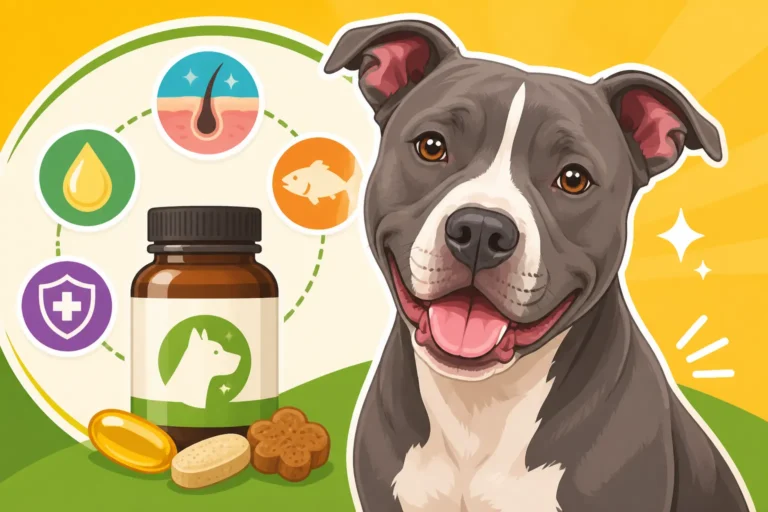
Beyond complete senior foods, supplements can play a supportive role, but it's important to consult your vet before adding anything new to your Pit Bull's regimen. Omega-3 fatty acids, found in fish oil, are excellent for reducing inflammation, supporting joint health, and keeping their skin and coat healthy. Probiotics can help with digestive upset, which is common as dogs age. For specific issues like cognitive decline, supplements containing ingredients like SAMe or medium-chain triglycerides might be recommended. Think of supplements as an extra layer of support, not a replacement for a balanced diet and regular veterinary care. Joint Diets for an Aging Pit Bull often include many of these beneficial ingredients directly in the food itself.
Hydration and Digestive Health
As Pit Bulls age, their thirst drive might decrease, or their kidneys might not concentrate urine as effectively, making adequate hydration more critical than ever. Dehydration can exacerbate kidney problems, lead to constipation, and make them feel generally unwell. Ensure fresh, clean water is always available and easily accessible – perhaps in multiple locations if they're less mobile. If they're not drinking enough, you can try adding water or low-sodium broth to their food, or even offer specific hydration-supporting treats. Elevated water bowls can also make drinking more comfortable for dogs with neck or joint pain, as they don't have to bend down as far.
Digestive issues can also become more prevalent. Constipation, diarrhea, or increased gas can all be signs of an aging digestive system or changes in their diet. Fiber can play a crucial role here; some senior foods have increased fiber content, or your vet might recommend adding a small amount of plain pumpkin puree or specific fiber supplements. Smaller, more frequent meals might also be easier for their digestive system to handle than one or two large ones. Softening Meals for an Old Pit Bull can also help if dental problems make chewing difficult.
Dental health is inextricably linked to digestion. Painful teeth or gums can lead to a reduced appetite, favoring one side of the mouth, or even swallowing food whole, which impacts digestion. Regular dental check-ups and cleanings are vital, even in older dogs, to address these issues. If your Pit Bull struggles with chewing hard kibble due to dental problems, soaking their food in warm water, feeding wet food, or exploring fresh food options can make a huge difference to their comfort and nutrient intake. Ultimately, a well-hydrated dog with a healthy digestive system is a more comfortable and healthier senior Pit Bull.
Managing Joint Health and Mobility
One of the most noticeable impacts of aging on a Pit Bull is often a decline in joint health and mobility. Their powerful, athletic build, while impressive in youth, can sometimes predispose them to wear and tear over the years. Seeing your once agile companion struggle to get up or navigate stairs can be heartbreaking, but there's a lot we can do to manage their comfort and keep them moving for as long as possible.
Joint Supplements and Their Role
Joint supplements are a cornerstone of senior Pit Bull care for many owners. The most common ingredients you'll see are glucosamine and chondroitin, which are natural components of cartilage and help support its structure and function. While they don't regrow cartilage, they can help slow its degradation and reduce inflammation, often leading to improved comfort and mobility. Many people report seeing a noticeable difference in their dog's stiffness and willingness to move after consistent use of these supplements.
Beyond glucosamine and chondroitin, other beneficial ingredients include MSM (methylsulfonylmethane), which has anti-inflammatory properties, and hyaluronic acid, a component of joint fluid. Omega-3 fatty acids, particularly EPA and DHA from fish oil, are also powerful natural anti-inflammatories and are excellent for overall joint health. When choosing a supplement, look for reputable brands that clearly list ingredient concentrations and have good quality control. Your veterinarian can recommend specific products or combinations best suited for your Pit Bull's individual needs. Consistency is key with supplements; they often take weeks to months to show their full effect, so don't expect immediate miracles.
It’s important to understand that while supplements can be highly beneficial, they are often just one part of a multi-modal approach to joint care. They can support healthy cartilage and reduce inflammation, but they don't always address severe pain or advanced arthritis on their own. Think of them as helping to maintain the health of the joint structure and fluid, preparing the way for other interventions or simply keeping discomfort at bay for as long as possible. Many prescription joint diets also include these supplements, offering a convenient way to incorporate them into daily meals.
Pain Management Strategies
For many senior Pit Bulls, especially those with diagnosed arthritis or other degenerative joint diseases, pain management becomes a crucial aspect of their daily care. Non-steroidal anti-inflammatory drugs (NSAIDs) prescribed by your veterinarian are often the most effective way to manage chronic pain and inflammation. These medications can significantly improve a dog's quality of life, allowing them to move more freely and comfortably. However, long-term use requires regular monitoring of kidney and liver function through blood tests, as side effects can occur. Your vet will work with you to find the lowest effective dose and monitor their response.
Beyond NSAIDs, other prescription medications, such as gabapentin or amantadine, might be added to the regimen, especially for nerve pain or when NSAIDs alone aren't sufficient. There are also newer injectable medications that work differently to target nerve growth factor, offering another avenue for pain relief for canine osteoarthritis. Cold laser therapy, acupuncture, and therapeutic massage are non-pharmacological options that can also provide significant relief for some dogs, reducing inflammation and improving blood flow to affected areas. These holistic approaches can be wonderful complements to traditional veterinary medicine.
Creating a comfortable home environment is also a simple yet profound way to manage pain. Orthopedic beds provide superior support for aching joints, cushioning pressure points and making rest more restorative. Ramps or steps can eliminate the need for jumping into cars or onto furniture, reducing impact on their joints. Even ensuring non-slip surfaces throughout the house can prevent dangerous slips and falls that could worsen existing pain. Pit Bull Mobility Aids in Old Age delves deeper into these environmental modifications, showing how small changes can make a big difference in an older dog's daily comfort and confidence.
Physical Therapy and Controlled Exercise
Physical therapy (PT) isn't just for humans! It can be incredibly beneficial for senior Pit Bulls, particularly those recovering from injury, managing chronic arthritis, or those with significant mobility challenges. A certified canine rehabilitation therapist can design a personalized program that includes exercises to strengthen supporting muscles, improve range of motion, and enhance balance and coordination. This might involve underwater treadmill sessions, therapeutic exercises, stretches, or specific massage techniques. The goal isn't just to alleviate pain but to improve overall function and prevent further deterioration.
Controlled, low-impact exercise is also vital for maintaining joint health and muscle mass. While your Pit Bull might not be up for long runs anymore, regular, gentle walks on soft surfaces like grass can keep their joints lubricated and muscles strong. Swimming is an excellent option as it provides a full-body workout without any impact on the joints. Even short, supervised sessions in a warm water pool can do wonders for an older dog's mobility and mood. The key is moderation and consistency, paying close attention to your dog's signals and knowing when to stop.
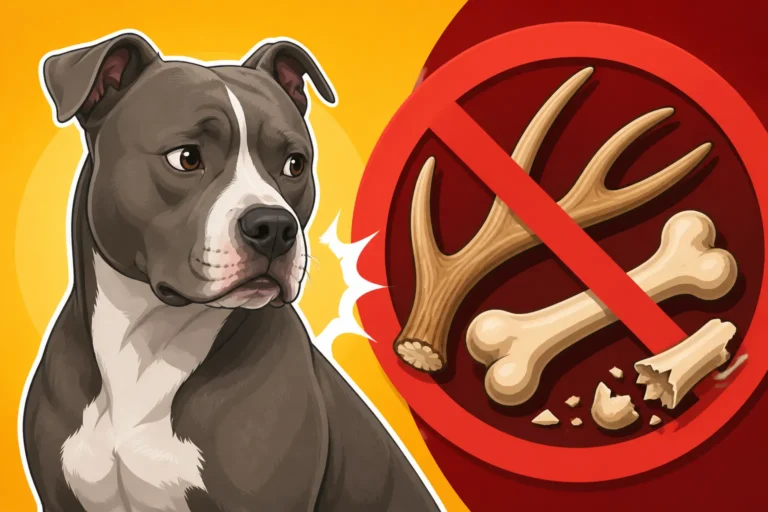
Avoid high-impact activities like jumping, intense ball fetching, or long, strenuous hikes. These can put undue stress on compromised joints, leading to increased pain and potential injury. Instead, focus on activities that keep them moving gently and deliberately. Even just a few short walks throughout the day can be more beneficial than one long, taxing excursion. Consult with your vet or a canine rehabilitation specialist to develop an appropriate exercise plan that supports your senior Pit Bull's joint health without overdoing it.
Adapting Exercise Routines for the Golden Years
Watching your energetic Pit Bull slow down can be tough, especially if they were once a powerhouse of activity. However, it doesn't mean their exercise days are over; it simply means their routine needs to adapt to their aging body. Keeping them moving, safely and comfortably, is crucial for maintaining muscle mass, joint flexibility, and mental well-being.
Low-Impact Activities for Senior Dogs
The days of endless fetch or long, strenuous hikes might be behind them, but there are still plenty of fantastic low-impact activities your senior Pit Bull can enjoy. Gentle walks are paramount. Instead of one long walk, consider several shorter, more frequent strolls throughout the day. Focus on flat, soft surfaces like grass or dirt trails rather than hard pavement, which can be jarring on aching joints. These walks keep their joints mobile, muscles engaged, and allow them to enjoy the sensory stimulation of the outdoors.
Swimming is often considered the perfect exercise for older dogs. It provides a full-body workout without any weight-bearing impact on their joints. If you have access to a dog-friendly pool or a calm body of water, even short, supervised swims can do wonders for muscle strength and joint flexibility. Always ensure safety with a well-fitting life jacket, especially if your Pit Bull isn't a natural swimmer or has reduced stamina. Many canine rehabilitation centers offer hydrotherapy, which uses warm water and an underwater treadmill, providing a controlled and therapeutic environment for senior dogs.
Other gentle activities include controlled leash walks around the block, slow sniff walks (which are also mentally stimulating), or even just supervised time pottering around a secure, level yard. The goal is consistent, gentle movement, not exhaustion. Observing your Pit Bull closely for signs of fatigue, stiffness, or pain during and after exercise is critical. If they start lagging behind, panting excessively, or seem reluctant to continue, it’s time to stop and rest.
Shorter, More Frequent Sessions
As your Pit Bull ages, their stamina will naturally decrease, and their recovery time will increase. Trying to push them through a long exercise session that they once easily handled can lead to discomfort, exhaustion, and even injury. The solution is often to break down their exercise into shorter, more manageable bursts throughout the day. For example, instead of one 45-minute walk, try three 15-minute walks. This approach keeps their body moving and stimulated without overtaxing their system.
These shorter sessions also allow for more flexibility around their energy levels. Some days they might feel a bit more spry, while others they might be stiffer or more tired. You can easily adjust the duration or intensity of each session based on how they're feeling that day. Consistency is more important than intensity in their golden years. A little bit of gentle movement every day is far better than sporadic, intense bursts followed by days of inactivity. This helps maintain muscle tone, keeps circulation flowing, and prevents joints from stiffening up from prolonged rest.
Moreover, shorter sessions can be easier for you to fit into a busy schedule, ensuring your senior Pit Bull never misses out on their essential daily movement. Remember to include warm-up and cool-down periods, even for gentle exercise. A slow start and a gentle finish to each session can help prevent stiffness and prepare their body for activity. Always have fresh water available, especially if you're exercising outdoors in warmer weather, as senior dogs can be more susceptible to overheating.
Mental Stimulation as Physical Exercise
Sometimes, physical limitations mean traditional exercise needs to be significantly reduced. This is where mental stimulation becomes an absolute lifesaver for an aging Pit Bull. A tired mind can be just as satisfying as a tired body, and it helps keep their cognitive functions sharp, which is essential as they age. Don't underestimate the power of engaging their brain to keep them happy and healthy.
Puzzle toys are fantastic for this. Filling a KONG or a specific puzzle feeder with their meal or high-value treats from Amazon or Chewy can keep them occupied and mentally engaged for a good amount of time. They have to think, sniff, and manipulate the toy to get their reward, which is an enriching experience. Hide-and-seek with treats around the house, scent games where they have to find a hidden toy, or even just working on simple obedience cues they already know can provide valuable mental workouts. Indoor Trick Work for a Bored Pit Bull is a great way to keep their minds sharp and bodies gently moving, even on days when going outside isn't ideal.
Continuing with gentle, positive reinforcement training can also be incredibly beneficial. Learning new, simple tricks or refining old ones keeps their brain active and strengthens the bond between you. You can teach them "find it," "touch," or even simple stretches if your vet approves. These activities provide purpose and engagement, preventing boredom and potential cognitive decline. For an old dog, the joy of a job well done, even a small one, is immense. It's about enriching their life, not just managing their physical decline. A Pit Bull Confused in Rooms It Knows can be a sign of cognitive decline, making mental exercises even more critical to maintain function.
Creating a Comfortable and Accessible Home Environment
As our Pit Bulls age and their mobility naturally declines, their once-familiar home can suddenly present challenges. High steps, slippery floors, and hard sleeping surfaces can become obstacles or sources of discomfort. Thoughtful modifications to your living space can make a world of difference, enhancing their comfort, safety, and confidence in their golden years. It's about creating a sanctuary where they can navigate easily and rest peacefully.
Orthopedic Beds and Resting Spots
This is perhaps one of the most immediate and impactful changes you can make. A firm, supportive orthopedic bed is not a luxury; it's a necessity for an aging Pit Bull. Their joints, muscles, and bones need proper cushioning and support to alleviate pressure points and reduce stiffness, especially after long naps. Traditional flimsy dog beds simply don't offer the necessary support, often leading to more pain upon waking. Look for beds made with high-density memory foam, which conforms to their body and provides even support.
Consider placing these orthopedic beds in multiple, easily accessible locations around the house where your Pit Bull typically likes to rest. This might be in the living room, near your desk, or in the bedroom. Having comfortable options means they don't have to travel far to find a supportive spot, encouraging rest when needed. Ensure the bed is appropriately sized for their substantial build, allowing them to stretch out fully without hanging off the edges. Many top-rated orthopedic beds can be found on Chewy or Amazon, often with waterproof liners and washable covers, which is a practical consideration for older dogs who might have occasional accidents.
Beyond dedicated beds, think about their overall resting habits. Is there a drafty spot they used to love but now avoids? Older dogs are often more sensitive to temperature changes. Providing a warm, cozy blanket, especially in cooler months, can add an extra layer of comfort. If they have a favorite spot on the floor, even with an orthopedic bed, a soft rug underneath can add insulation and grip, making it easier for them to stand up. The goal is to maximize their comfort during their many hours of rest, allowing their bodies to truly recover.
Ramps, Steps, and Non-Slip Surfaces
Jumping on and off furniture or in and out of the car can put immense strain on an aging Pit Bull's joints, potentially causing injury or exacerbating arthritis. Ramps or pet steps are invaluable tools to eliminate these high-impact movements. Train your Pit Bull to use them gradually and with positive reinforcement. A sturdy, non-slip ramp for the car or a set of stable pet steps for the couch or bed can protect their hips, knees, and spine, extending their comfort and mobility. Even if they can still jump, preventing these movements now can save them a lot of pain down the line.
Slippery floors are another significant hazard for older dogs, especially those with arthritis or weakened hindquarters. Hardwood, tile, or laminate floors offer little traction, making it difficult for them to stand up, walk, or even maintain balance, leading to dangerous slips and falls. Strategically placed non-slip rugs, carpet runners, or even temporary mats can create safe pathways throughout your home. Consider applying non-slip paw pads or socks to their feet for extra grip, particularly on problem areas. This seemingly small change can dramatically increase their confidence and prevent painful tumbles.
Think about areas like stairs. If your Pit Bull still navigates them, ensure they are well-lit and that there's a secure way for them to go up and down. If stairs become too difficult or risky, consider restricting access with a baby gate and creating a comfortable living space for them on a single floor. Small thresholds between rooms can also become trip hazards for dogs with reduced vision or mobility; placing small ramps over them can make a huge difference. Every effort to make their environment safe and navigable contributes significantly to their quality of life.
Accessible Feeding and Water Stations
Consider how your senior Pit Bull eats and drinks. Bending down to floor-level bowls can be uncomfortable, especially for dogs with neck pain, back problems, or advanced arthritis. Elevated food and water bowls can alleviate this strain, allowing them to eat and drink in a more natural, comfortable posture. Adjustable height feeders are great because you can customize the height perfectly for your Pit Bull's specific needs.
Beyond height, think about the material and location of their bowls. Stainless steel bowls are easy to clean and hygienic. Place their bowls in a quiet, easily accessible area where they won't be disturbed by other pets or household activity. If your Pit Bull's vision is declining, keeping their bowls in a consistent spot will help them locate them easily. As mentioned earlier, ensuring multiple water stations throughout the house, especially if their mobility is limited, is also a great idea to encourage consistent hydration.
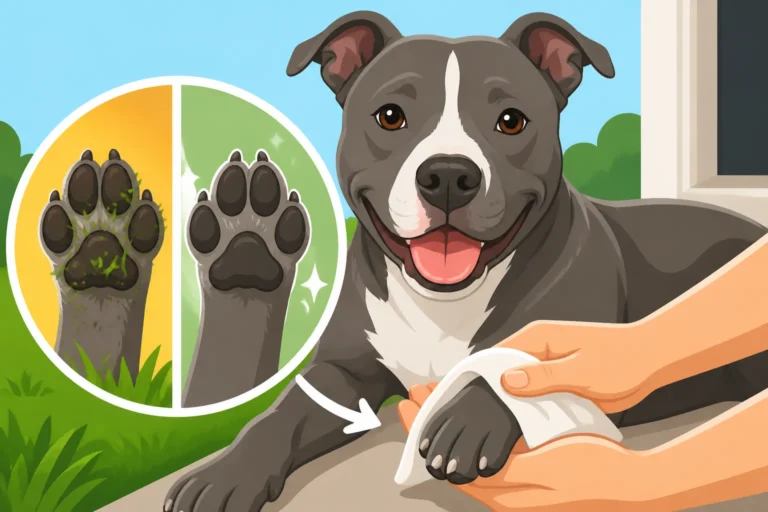
For dogs with cognitive decline or vision impairment, a consistent routine and environment are incredibly reassuring. Keep furniture in consistent spots, don't rearrange things unnecessarily, and maintain consistent meal and potty schedules. This predictability helps reduce anxiety and confusion. Regular grooming, especially paw pad trims, helps with traction, and keeping their nails short prevents discomfort when walking. These small, thoughtful adjustments demonstrate our care and help our senior Pit Bulls live out their golden years with dignity and comfort.
Routine Veterinary Care and Health Monitoring for Seniors
As Pit Bulls enter their senior years, regular veterinary care becomes more important than ever. What might have been an annual check-up in their youth needs to evolve into a more proactive approach to catch potential issues early. Our goal isn't just to treat problems when they arise, but to monitor their health diligently and maintain their quality of life for as long as possible.
Increased Frequency of Check-ups
While a young, healthy Pit Bull might get by with an annual physical, senior dogs benefit significantly from more frequent veterinary visits. Many veterinarians recommend bi-annual (every six months) check-ups for dogs over the age of seven or eight, depending on their individual health status and breed. These more frequent visits allow your vet to closely monitor any subtle changes in their health, weight, teeth, and mobility that might indicate an underlying issue before it becomes advanced.
During these check-ups, your vet will perform a thorough physical examination, checking their eyes, ears, teeth, skin, coat, heart, lungs, and abdomen. They'll also assess their joints and overall mobility. This routine allows for the early detection of issues like new lumps or bumps, dental disease, heart murmurs, or signs of arthritis. Catching these problems when they are small often means they are more treatable, less expensive to manage, and cause less discomfort for your Pit Bull. How Often a Ten Year Old Pit Bull Needs Checking emphasizes this increased vigilance.
These visits are also a fantastic opportunity for you to discuss any changes you've observed at home, no matter how minor they seem. Have they been drinking more water? Are they sleeping more? Have their bathroom habits changed? Your observations are invaluable to your veterinarian, forming a critical part of the puzzle in understanding your senior Pit Bull's overall health picture. Don't hesitate to write down any concerns before your appointment so you don't forget anything important.
Comprehensive Diagnostic Screening
Beyond the physical exam, comprehensive diagnostic screening becomes an essential part of senior Pit Bull care. This typically includes blood work, urinalysis, and sometimes fecal exams. Blood work can provide a wealth of information about organ function (kidneys, liver, thyroid), check for anemia, infection, and screen for metabolic conditions like diabetes. A urinalysis can reveal kidney function, urinary tract infections, or the presence of crystals that could lead to stones.
Many veterinarians recommend a "senior panel" of blood tests, which usually includes a complete blood count (CBC) and a chemistry panel. A thyroid panel is also often included, as hypothyroidism can become more common in older dogs and can lead to weight gain, lethargy, and coat issues. The Bloodwork an Old Pit Bull Should Have details these crucial tests. These screenings can detect diseases in their early stages, sometimes before any outward symptoms are even visible. For instance, early kidney disease might only be detectable through changes in blood and urine values.
Depending on your Pit Bull's specific health history and physical exam findings, your vet might also recommend other diagnostics. This could include X-rays to assess the severity of arthritis, look for tumors, or evaluate heart and lung health. An ultrasound might be suggested to get a more detailed look at internal organs. Early detection through these screenings allows for timely intervention, whether it's dietary changes, medication, or other treatments, which can significantly extend your Pit Bull's comfortable lifespan.
Medication Management and Monitoring
As Pit Bulls age, it's not uncommon for them to be on one or more medications to manage various age-related conditions, from arthritis pain to heart disease or thyroid issues. Proper medication management is crucial to ensure these drugs are effective and safe. Always administer medications exactly as prescribed by your veterinarian, paying close attention to dosage, frequency, and whether they should be given with or without food. Never adjust dosages or stop medication without consulting your vet.
It's also important to monitor your Pit Bull for any potential side effects from their medications. If you notice any changes in appetite, energy levels, vomiting, diarrhea, or unusual behavior after starting a new medication, contact your vet immediately. Regular blood work is often required for dogs on long-term medications, particularly NSAIDs for arthritis, to monitor kidney and liver function and ensure the medication is not causing any internal damage. This proactive monitoring helps ensure that the benefits of the medication continue to outweigh any risks.
Keep an organized record of all your Pit Bull's medications, dosages, and administration schedule. This can be especially helpful if multiple family members are involved in their care or if you need to explain their medical history to an emergency vet. Use pill organizers or set reminders on your phone to help maintain consistency. Open and honest communication with your veterinarian about your Pit Bull's response to medication and any concerns you have is paramount to ensuring they receive the best possible care through their senior years. Caring for a Pit Bull in Its Second Decade often involves navigating multiple medications, making careful management essential.
Maintaining Mental Engagement and Cognitive Health
It's easy to focus solely on the physical aspects of aging, but our senior Pit Bulls' minds need just as much attention as their bodies. Cognitive decline is a real concern for older dogs, and keeping their brains active and engaged can help slow this process, reduce anxiety, and maintain their overall quality of life. A mentally stimulated senior Pit Bull is a happier, more content companion.
The Power of Puzzle Toys and Brain Games
Just like physical exercise keeps their bodies strong, mental exercise keeps their brains sharp. Puzzle toys are an excellent way to provide this engagement. These toys require your Pit Bull to figure out how to access a hidden treat, stimulating problem-solving skills and providing a sense of accomplishment. Options range from simple treat-dispensing balls to more complex interactive feeders that require multiple steps to solve. You can find a huge variety of these on Amazon or at Chewy, catering to different levels of difficulty.
Start with easier puzzles and gradually increase the challenge as your Pit Bull masters them. Using high-value treats (their favorite! maybe a bit of cooked chicken or cheese) can increase their motivation. These games are not only mentally enriching but can also slow down meal times for dogs who tend to gobble their food, aiding digestion. Remember to supervise initially to ensure they understand the game and don't get frustrated or try to destroy the toy rather than solve it.
Beyond physical puzzle toys, you can create your own brain games. "Find it" is a simple and effective game where you hide treats around a room and encourage your Pit Bull to use their nose to locate them. This taps into their natural scenting abilities and provides a satisfying mental workout. Even just practicing known commands in different environments or with slight variations can keep their minds engaged and reinforce their understanding.
Scent Work and Nose Games
For many dogs, especially Pit Bulls with their keen sense of smell, scent work and nose games are incredibly enriching. These activities tap into a dog's most powerful sense and can be less physically demanding than traditional exercise, making them perfect for seniors. The focus and concentration required for scent work provide a fantastic mental workout, often leaving dogs just as tired and content as a long walk.
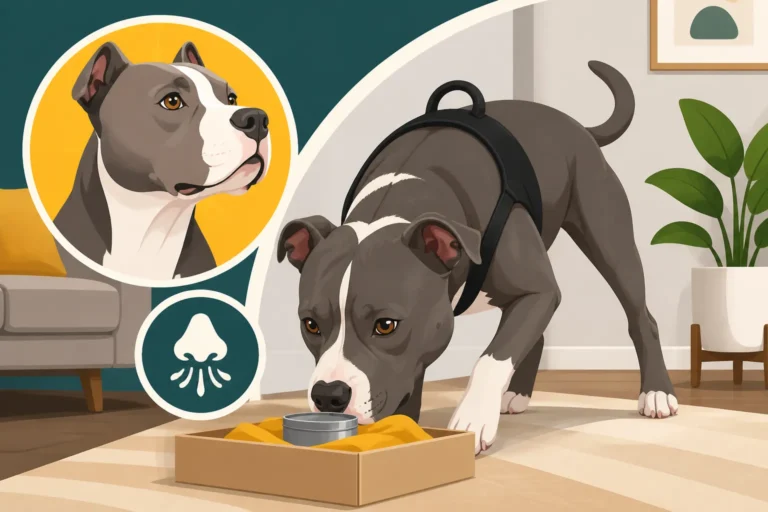
You can start simple: hide a favorite toy or a few high-value treats under a towel, then under a box, and gradually increase the difficulty by hiding them in different rooms or outdoor spaces. Encourage your Pit Bull to "find it!" and celebrate their success enthusiastically. As they get better, you can introduce different scents (like a drop of essential oil on a cotton swab, hidden in a non-toxic container) for them to locate, mimicking formal nose work training. There are many online resources and introductory classes for canine scent work that are adaptable for older dogs.
Scent walks are another wonderful form of enrichment. Instead of rushing through a walk, allow your Pit Bull to take their time, sniffing every interesting patch of grass, tree, or lamppost. While it might seem like just a slow stroll to us, for them, it's like reading a newspaper, providing a wealth of information and mental stimulation. This can be incredibly calming and satisfying for an older dog, fulfilling their natural instincts without putting stress on their joints.
Continuing Training and Positive Reinforcement
Just because your Pit Bull is a senior doesn't mean their learning days are over! Continuing with training, even if it's just practicing known commands or teaching simple new tricks, is excellent for cognitive health and strengthens your bond. Keep sessions short, positive, and reward-based to prevent frustration and maintain their enjoyment. Even five to ten minutes of focused training a few times a day can make a big difference.
Consider teaching them new, low-impact tricks that they can perform comfortably, such as "bow," "wave," or "stay." These gentle movements engage their body and mind without strenuous activity. For dogs experiencing mild cognitive decline, revisiting basic commands they've known their whole life can be reassuring and help reinforce those neural pathways. The joy of learning and earning a reward keeps their spirits high and provides a sense of purpose.
If your Pit Bull is experiencing some hearing loss, visual cues become even more important. You can use hand signals to accompany verbal commands, or even train entirely with hand signals. For those with vision impairment, clear verbal cues and consistent placement of objects become key. An Old Pit Bull Losing Sight and Hearing requires these thoughtful adaptations. Positive reinforcement, with delicious treats and enthusiastic praise, is always the best approach, making training a fun and rewarding experience for both of you.
Addressing Common Senior Health Issues in Pit Bulls
As our Pit Bulls age, they become more susceptible to a range of health issues. While some are a natural part of the aging process, many can be managed or treated to significantly improve their comfort and quality of life. Being aware of these common ailments and knowing when to seek veterinary attention is crucial for advocating for your senior companion.
Vision and Hearing Loss
It's quite common for older Pit Bulls to experience some degree of vision and/or hearing loss. For vision, you might notice their eyes appear cloudy; this could be lenticular sclerosis, a benign age-related change, or it could be cataracts, which can significantly impair vision and may be surgically treatable. They might bump into furniture, especially in dimly lit areas, or seem hesitant to navigate new environments. For hearing, you might find yourself needing to speak louder, or they might not respond to their name or the doorbell as readily.
To help a Pit Bull with declining vision, avoid rearranging furniture, keep pathways clear, and maintain consistent routines. Use verbal cues when approaching them so you don't startle them. A "follow me" command can be very useful. For those with significant vision loss, bright lighting can help. For hearing loss, rely more on visual cues and hand signals. You might need to use a vibrating collar (for cues, not punishment) for recall in a secure area. Always approach them from the front or side, where they can see or sense your approach, to avoid startling them.
These sensory losses can be disorienting and sometimes lead to anxiety. Patience and consistency from you are paramount. Providing a safe, predictable environment and clear communication through their remaining senses will help them maintain confidence and security. A visit to the vet can help differentiate between benign age-related changes and treatable conditions, and they can offer specific advice on how to best support your dog.
Cognitive Dysfunction Syndrome
Just like humans, dogs can develop cognitive dysfunction syndrome (CDS), often referred to as "doggy dementia." Symptoms can vary but often include disorientation (getting stuck in corners, pacing aimlessly, staring at walls, or seeming lost in familiar rooms), changes in social interaction (less interaction or increased clinginess), altered sleep-wake cycles (pacing at night, sleeping more during the day), and house-soiling accidents. It can be heartbreaking to witness, as it feels like they're losing themselves. A Pit Bull Pacing at Night in Old Age is a classic sign of this.
If you suspect your Pit Bull is experiencing CDS, it's vital to consult your veterinarian. While there's no cure, there are medications, dietary supplements (like those containing medium-chain triglycerides or antioxidants), and specific diets that can help manage symptoms and slow progression for some dogs. Environmental enrichment, consistent routines, and gentle mental stimulation can also play a huge role in maintaining cognitive function and reducing anxiety.
Creating a predictable daily schedule, maintaining a consistent home environment, and continuing with gentle, positive reinforcement training can all help. Puzzle toys and scent games are particularly good for mental engagement. Be patient and understanding; they are not "misbehaving" but are struggling with a neurological condition. Your comfort and reassurance are incredibly important for them during this confusing time.
Organ Function and Chronic Diseases
Aging often brings a higher risk of chronic diseases affecting major organ systems. Kidney disease, heart disease, liver disease, and diabetes are all more common in senior Pit Bulls. Early detection is key to managing these conditions effectively and slowing their progression. This is why those regular senior blood tests and urinalyses are so critical – they can often catch subtle changes in organ function before your dog even shows obvious symptoms.
Symptoms of these conditions can be varied and often overlap. Increased thirst and urination can point to kidney disease or diabetes. A persistent cough, reduced stamina, or difficulty breathing might indicate heart disease. Changes in appetite, vomiting, diarrhea, or unexplained weight loss can be signs of liver issues or other gastrointestinal problems. Any of these signs warrant an immediate veterinary visit. Congestive Heart Failure in an Older Pit Bull is a serious concern that requires careful monitoring and medication.
Managing these chronic conditions often involves a multi-pronged approach: specific prescription diets, medications, and regular monitoring by your vet. For instance, kidney disease might require a special low-protein, low-phosphorus diet. Diabetes requires insulin injections and careful blood glucose monitoring. Heart disease is managed with various cardiac medications. Your veterinarian will be your best resource for developing a comprehensive treatment plan tailored to your Pit Bull's specific diagnosis, helping to maintain their comfort and quality of life for as long as possible.
Providing End-of-Life Comfort and Quality of Life
This is perhaps the hardest part of caring for an aging Pit Bull, but it's also one of the most loving. As they approach the very end of their journey, our focus shifts from managing diseases to ensuring their comfort, dignity, and quality of life. This means making difficult decisions and focusing on what truly matters to them in their final days, weeks, or months. The Hardest Call a Pit Bull Owner Makes is a heartbreaking reality.
Assessing Quality of Life Honestly
One of the most challenging aspects is objectively assessing your Pit Bull's quality of life. It’s natural to want more time, but we also owe it to our beloved companions to ensure that their remaining time is truly good, not just prolonged. This means observing their daily routines and considering several factors. Are they still finding joy in their favorite activities, even if those activities are much smaller scale than before? Are they eating and drinking comfortably? Are they able to relieve themselves without significant pain or distress?
A helpful tool can be a "quality of life" checklist or diary. You can track things like their appetite, mobility, pain levels, happiness/engagement, and hygiene. Assign a score each day or week. While some bad days are normal, if the bad days consistently outweigh the good, it's a sign that their quality of life might be significantly compromised. Discussing these observations openly and honestly with your veterinarian is crucial. They can help you interpret the signs and offer an objective perspective based on their medical knowledge. Judging a Pit Bull's Last Year Honestly is a profoundly important step.
This assessment is not a one-time event; it's an ongoing conversation. Their condition can fluctuate, and what was acceptable one month might not be the next. It’s about being present, observing with love, and prioritizing their comfort and peace above all else. This process can be emotionally exhausting, but it’s a profound act of love for a companion who has given you so much.
Palliative Care and Comfort Measures
When curative treatments are no longer effective or appropriate, the focus shifts entirely to palliative care – keeping your Pit Bull as comfortable and pain-free as possible. This involves robust pain management, often with a combination of medications tailored to their specific needs. Your vet can prescribe stronger pain relievers, anti-inflammatories, or other medications to manage nausea, anxiety, or other symptoms that are causing distress. The goal is to maximize their physical ease.
Beyond medication, environmental comfort plays an even greater role. Ensure they have easily accessible, deeply cushioned orthopedic beds. Keep them warm and dry. If they're struggling with incontinence, frequent cleaning, absorbent pads, and perhaps doggy diapers can help maintain hygiene and prevent skin irritation. Gentle massage can soothe aching muscles, and simply being present with them, offering soft words and gentle touches, provides immense emotional comfort. Keeping an Old Pit Bull Comfortable at the End means an all-encompassing approach to their well-being.
Consider hospice care, either at home or through mobile veterinary services. These services are specifically designed to support senior and terminally ill pets and their families, providing medical management, comfort care, and emotional support during this difficult time. They can help you navigate feeding difficulties, mobility challenges, and pain management, ensuring your Pit Bull receives personalized, loving care in their familiar environment.
The Decision for Euthanasia and Grieving
The hardest decision any pet owner faces is knowing when it's time to say goodbye. Euthanasia, while agonizing, is often the final act of love and mercy we can offer when their quality of life has significantly diminished and pain can no longer be adequately controlled. It's a deeply personal decision, and there's no single "right" time, only the time that feels right for you and your beloved Pit Bull. Your veterinarian can help guide you through this process, discussing what to expect and helping you understand the signs that indicate their suffering.
Many veterinarians now offer in-home euthanasia services, which can provide a more peaceful and less stressful experience for your Pit Bull in the comfort of their own home, surrounded by loved ones. This can make the passing less traumatic for both your dog and your family. It's an opportunity to say goodbye in a calm, familiar setting, filled with love and warmth.
Grief is a natural and profound response to losing a cherished companion. Allow yourself to feel the emotions without judgment. There are many resources available to help with pet bereavement, from support groups to online communities and individual counseling. Remember that the deep bond you shared was real and meaningful, and the love you gave them lasted their entire life. Honoring their memory, whether through a memorial, planting a tree, or simply remembering the joyful times, is a vital part of the healing process. Your Pit Bull lived a life full of love because of you, and that love will always remain.
Table: Common Signs of Aging and Corresponding Care Adjustments
| Sign of Aging | What It Might Look Like | Care Adjustment | Potential Benefit |
|---|---|---|---|
| Decreased Mobility/Stiffness | Slow to get up, hesitant to jump, limping after rest | Orthopedic bed, ramps/steps, joint supplements, low-impact exercise | Reduces pain, maintains muscle, increases comfort |
| Weight Changes | Unexplained gain or loss | Adjust calorie intake, switch to senior diet, vet check for underlying cause | Prevents strain on joints, ensures adequate nutrition |
| Reduced Appetite/Chewing Issues | Leaves food, drops food, avoids hard kibble | Soaked kibble, wet food, elevated bowls, dental check-up | Ensures nutrient intake, reduces dental pain |
| Increased Thirst/Urination | More frequent trips outside, empties water bowl quickly | Vet check for kidney/diabetes, always provide fresh water, elevated bowls | Early detection of serious illness, prevents dehydration |
| Cloudy Eyes/Bumping into things | Blueish haze in eyes, trips over objects, easily startled | Vet check for cataracts/glaucoma, avoid rearranging furniture, clear paths | Manages treatable conditions, enhances safety and confidence |
| Disorientation/Pacing at Night | Gets lost in familiar rooms, stares at walls, restless sleep | Vet check for CDS, consistent routine, mental stimulation, night light | Manages cognitive decline, reduces anxiety, improves sleep quality |
| Changes in Coat/Skin | Dull, flaky, thin fur, more dry skin | Omega-3 supplements, hydrating baths, vet check for allergies/thyroid | Improves skin health, reduces itching and discomfort |
| Increased Napping/Lethargy | Sleeps more, less interested in play/walks | Shorter/more frequent walks, vet check for underlying illness | Conserves energy, allows for adequate rest, early detection of issues |
Disclaimer
This article is for general informational purposes only and does not constitute professional advice. Laws, prices and regulations vary by location and change over time. Consult a qualified professional for guidance on your specific situation.