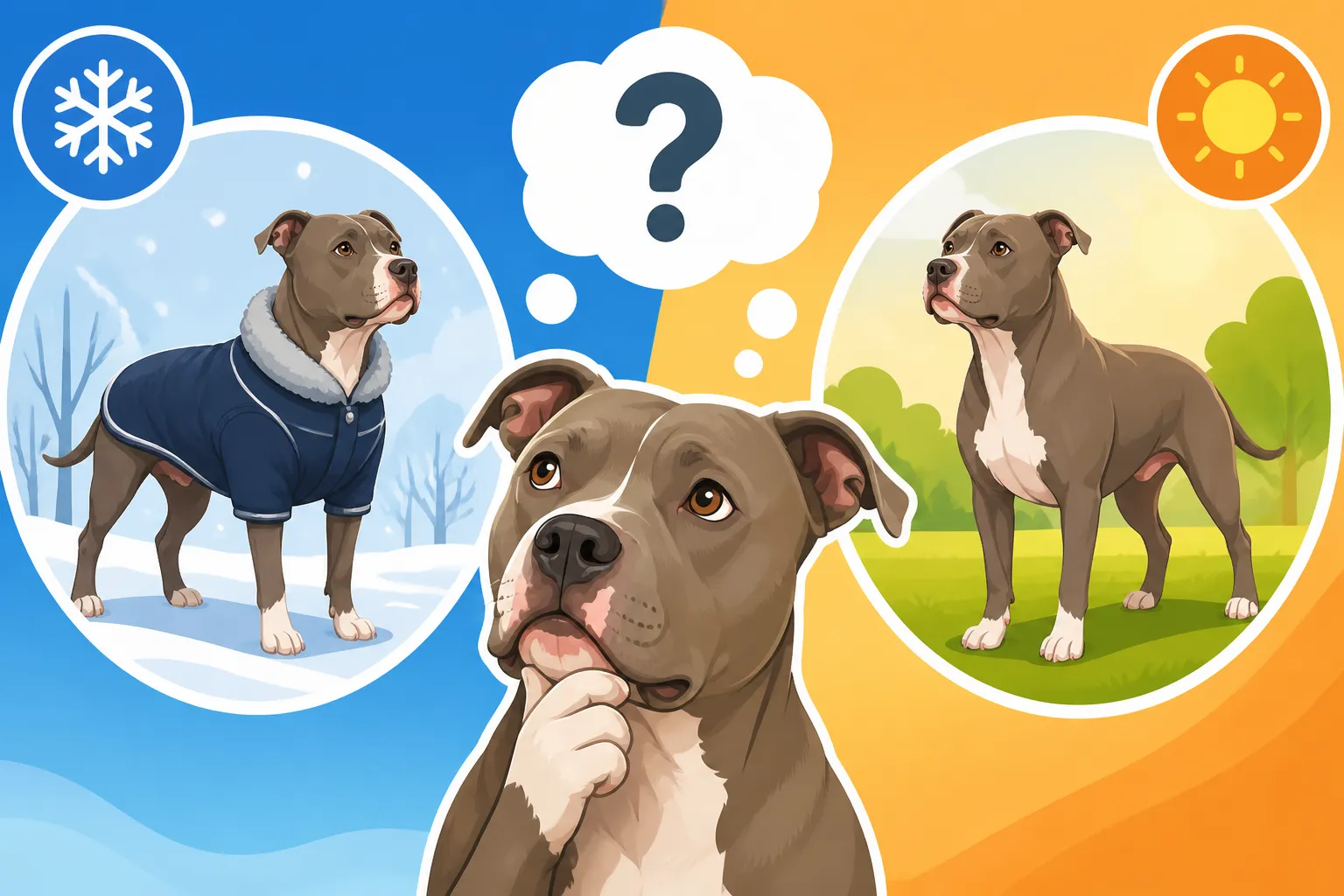
Whether a Short Coated Pit Bull Needs Clothing
It's easy to assume that a Pit Bull's tough, athletic build means they're impervious to whatever Mother Nature throws at them. Many of us picture them as rugged, resilient dogs, but the reality for many short-coated Pit Bulls is quite different: they can get chilly, suffer from sunburn, or experience paw irritation just like any other dog. This guide will help you understand when and why your short-coated Pit Bull might benefit from a little extra layer of protection, moving beyond assumptions to practical, empathetic care.
Understanding Your Pit Bull's Natural Insulation
While Pit Bulls are undoubtedly strong and active dogs, their short, dense coats aren't always enough to keep them comfortable in extreme temperatures or protect their skin from environmental irritants. Unlike breeds with thick double coats or longer hair, a Pit Bull’s sleek fur offers minimal insulation against the cold and limited barrier against the sun or harsh ground.
The Impact of Cold Weather on a Short-Coated Pit Bull
When the temperatures drop, especially if there's wind or dampness in the air, a short-coated Pit Bull can feel the cold quite keenly. Their body heat dissipates quickly, and without a substantial undercoat, shivering can start earlier than you might expect. Think about how you feel in just a t-shirt on a crisp autumn day – that's often how a Pit Bull's short coat serves them in cool weather. It's not just about comfort; prolonged exposure to cold can lead to genuine health concerns, including hypothermia in severe cases. You might notice your dog hunching, tucking their tail, or seeking out warm spots indoors, all signs they're feeling the chill. This is especially true for older Pit Bulls or puppies who have a harder time regulating their body temperature. For a deeper dive into cold weather care, consider Pit Bull Cold Weather Care on a Short Coat.
Even in milder climates, morning walks or evening outings during the cooler months can be uncomfortable. A dog that is constantly cold might be less enthusiastic about exercise, or even burn more calories trying to stay warm, which can impact their overall health and weight. It's not about coddling them; it's about providing an environment where they can thrive, feel safe, and maintain their robust health.
Protecting Against Sun and Skin Irritations
Beyond just cold, a Pit Bull's short coat can also leave their skin vulnerable to other environmental factors. Many Pit Bulls have sensitive skin, which can be prone to allergies, sunburn, or irritation from allergens like grass or pollen. Dogs with lighter-colored fur or pink noses are particularly susceptible to sunburn, just like humans, and this can lead to discomfort, peeling, and even increase the risk of skin cancer over time.
For dogs dealing with conditions like Pit Bull Skin Allergies and the Atopy Pattern, clothing can act as a physical barrier. A lightweight shirt can prevent them from excessively licking or scratching irritated skin, especially if they're prone to hotspots. It can also help protect wounds or surgical sites from dirt and further injury as they heal. This added layer can make a significant difference in managing their skin health year-round.
Factors Influencing the Need for Clothing
Deciding whether your Pit Bull needs clothing isn't a one-size-fits-all answer. Several factors play into this decision, from where you live to your dog's individual health and activity levels. Being mindful of these nuances helps you make the best choice for your specific companion.
Climate, Age, and Individual Health
The local climate is, of course, a major determinant. If you live in a region with harsh winters, regular protective clothing is almost certainly a necessity for your short-coated Pit Bull. However, even in areas with mild winters, sudden temperature drops, strong winds, or heavy rain can warrant a coat. On the flip side, extremely hot and sunny conditions call for different types of protection. Consider a cooling vest or UV-protective shirt during peak summer hours to prevent overheating and sunburn.
Age and health also play a critical role. Puppies and senior Pit Bulls generally have less efficient thermoregulation and may need extra layers in cooler weather. Older dogs, especially those with conditions like Arthritis in a Pit Bull at Seven, might experience increased discomfort in the cold, making a warm coat beneficial for their joints. Dogs with specific medical conditions, a compromised immune system, or those on certain medications might also have a harder time regulating their body temperature, necessitating extra care.
Activity Levels and Exposure
Your Pit Bull's daily routine and activity level are also key. A Pit Bull who spends most of their time indoors and only goes out for quick potty breaks might not need as much heavy-duty gear as one who accompanies you on long hikes or spends extended time in a yard. However, even short exposure to very cold temperatures can be jarring for a dog not accustomed to it.
For active Pit Bulls, consider how their exercise routine interacts with the weather. If you're out for a brisk walk or a run, their body will generate some heat, but a thin rain jacket can still prevent them from getting soaked and chilled in wet weather. Conversely, if you're engaging in activities like scent work or training in a cold, damp field, a warming layer could be invaluable. Always remember to check The Daily Exercise a Pit Bull Actually Needs against the prevailing weather conditions to ensure their comfort and safety.
Types of Protective Gear for Your Pit Bull
There's a wide world of dog clothing out there, and each type serves a different purpose. Understanding the options will help you choose the right gear for your Pit Bull's specific needs, whether it's warmth, dryness, or skin protection.
Sweaters, Coats, and Rain Gear
-
Sweaters and Fleeces: These are excellent for providing warmth in cool, dry conditions. They're typically made of soft, breathable materials like fleece or wool blends, offering a cozy layer for crisp autumn days or chilly mornings. They're perfect for indoor wear if your home is drafty or for short outdoor excursions when it's not wet. You can find many options on online retailers like Chewy or Amazon.
-
Winter Coats: When the temperatures really plummet, or if there's snow and ice, a proper winter coat is essential. These often feature waterproof or water-resistant outer shells with insulating liners (fleece, synthetic fill). Look for coats that cover a good portion of their back and belly for maximum warmth. A good winter coat should allow for full range of motion, so your Pit Bull can still enjoy their walks and playtime. For specifics, refer to Pit Bull Cold Weather Care on a Short Coat.
-
Raincoats: These are lightweight, waterproof garments designed purely to keep your Pit Bull dry during wet weather. They typically offer little to no insulation, making them suitable for warmer rainy days or for layering over a sweater in colder, wet conditions. Keeping your Pit Bull dry prevents them from getting chilled and helps maintain skin health, especially if they are prone to issues exacerbated by dampness.
Paw Protection and Sun Protection
-
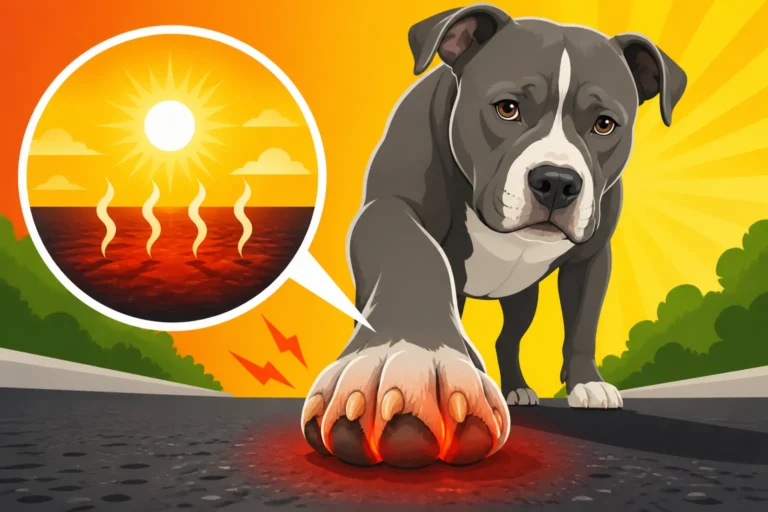
Paw Protectors/Boots: Your Pit Bull's paws are tough, but they're not invincible. In winter, paw pads can suffer from exposure to ice, snow, road salt, and de-icing chemicals. In summer, hot asphalt or concrete can cause painful burns. Dog boots provide a crucial barrier against these elements. While some dogs take time to adjust, consistent, positive introduction can make them comfortable. This is especially important if you're walking on surfaces that are too hot to touch with your bare hand, as detailed in Hot Pavement Under a Pit Bull Paw or to prevent Pit Bull Paw Pad Injuries on Hard Ground.
-
Cooling Vests: For those scorching summer days, a cooling vest can be a lifesaver. These vests are typically soaked in water, and as the water evaporates, it draws heat away from your dog's body, helping to keep them cool. They are invaluable for preventing overheating during walks or outdoor activities in high temperatures.
-
UV-Protective Shirts: For Pit Bulls with very short or light-colored coats, or those with pink skin on their nose or belly, a lightweight UV-protective shirt offers essential sun protection. These are often made from breathable, moisture-wicking fabrics and block harmful UV rays, helping to prevent sunburn and reducing the risk of skin damage over time. This is particularly important for dogs prone to Pit Bull Sunburn on a Pink Nose.
Here’s a quick overview of common clothing types and their uses:
| Clothing Type | Primary Benefit | Best for | Key Considerations |
|---|---|---|---|
| Sweater / Fleece | Warmth, light insulation | Cool, dry weather; indoor coziness | Not waterproof; check for freedom of movement |
| Winter Coat | Significant warmth, often waterproof | Cold, snowy, icy, windy conditions | Good fit is essential; may be bulky |
| Raincoat | Keeps dry, prevents chilling | Rainy, damp weather (any temperature) | Offers little warmth; purely for water resistance |
| Boots / Paw Protectors | Protects paws from extremes | Hot pavement, ice, salt, rough terrain | Requires training; ensure snug but comfortable fit |
| Cooling Vest | Reduces body temperature | Hot weather, vigorous exercise in heat | Must be wet to work; evaporative cooling |
| UV Shirt / Rash Guard | Sun protection, skin barrier | Sunny days, sensitive skin, light coats | Lightweight, breathable; check UV protection rating |
Choosing and Introducing Clothing to Your Pit Bull
Once you've identified what kind of protection your Pit Bull might need, the next step is choosing the right items and making sure your dog is comfortable wearing them. This isn't just about aesthetics; it's about functionality, safety, and your dog's well-being.
Getting the Right Fit and Material
The fit of any clothing item is paramount. Too tight, and it can chafe, restrict movement, or even cause circulation issues. Too loose, and it can snag, trip your dog, or simply fail to provide the intended protection. Most brands, including those found on platforms like Amazon or Chewy, will provide sizing charts based on your dog's weight, neck girth, and chest girth, and back length. Always measure your Pit Bull carefully and compare it to the chart. Remember that Pit Bulls often have broad chests, so look for designs that accommodate their muscular build without being restrictive around the shoulders or armpits.
Material choice is also crucial. For warmth, look for insulating fabrics like fleece, wool blends, or down alternatives. For rain, waterproof nylon or polyurethane are ideal. For hot weather or sun protection, lightweight, breathable, and moisture-wicking fabrics are best. Always ensure the material is durable enough to withstand a Pit Bull's active lifestyle and can be easily cleaned. If your Pit Bull has sensitive skin, opt for hypoallergenic materials where possible to prevent irritation. After all, if they are already prone to Pit Bull Skin Fold and Belly Irritation, poorly chosen fabric can make things worse.
Making it a Positive Experience
Introducing clothing should always be a positive, gradual experience for your Pit Bull. Start with short durations in a calm, familiar environment, using plenty of treats and praise.
- Start Small: Begin with something simple like a lightweight t-shirt or a bandanna, allowing them to wear it for just a few minutes, then removing it and offering a high-value reward.
- Increase Time Gradually: Slowly extend the wearing time, observing their comfort level. Don't force it if they seem stressed or uncomfortable.
- Positive Association: Pair the clothing with positive experiences, such as meal times, playtime, or going for a favorite walk. If they associate the coat with going outside, they'll often be more willing to put it on.
- Practice Makes Perfect: For items like boots, start by putting one boot on at a time, rewarding heavily, then trying two, and so on. Let them wear them indoors first before venturing outside.
If your Pit Bull is resistant, don't get discouraged. Some dogs take longer to adjust. Patience and positive reinforcement are key. If you're struggling, a professional trainer might offer further guidance on making the experience less stressful for your dog. Remember, the goal is their comfort and well-being, not just getting the clothing on them.
Disclaimer
This article is for general informational purposes only and does not constitute professional advice. Laws, prices and regulations vary by location and change over time. Consult a qualified professional for guidance on your specific situation.