Pit Bull Skin Fold and Belly Irritation
There’s almost nothing more frustrating for a Pit Bull owner than seeing their beloved companion constantly scratching, licking, or rubbing their sensitive belly or skin folds. That persistent irritation isn't just annoying for them; it's a sign of real discomfort, and it can quickly escalate into something much worse. This guide is here to walk you through understanding why these issues crop up, how to spot them early, and the best ways to get your Pit Bull relief and prevent future flare-ups.
Why Pit Bulls Are Prone to Skin Fold and Belly Irritation
Our Pit Bulls are truly special dogs, known for their powerful builds, loyal hearts, and that unmistakable short, sleek coat. But these very characteristics, which we adore, can sometimes make them particularly susceptible to certain skin issues, especially around their belly and in any skin folds they might have. It's not a flaw; it's just part of their unique physiology we need to be mindful of.
Unique Skin and Coat Characteristics
Unlike some breeds with thick, double coats that offer a lot of protection, Pit Bulls sport a single, short, fine coat. While it’s incredibly soft to the touch and relatively easy to groom in terms of shedding, it doesn’t provide much of a barrier against environmental irritants. Think about it: a Golden Retriever’s thick fur might catch some pollen or dust before it even reaches the skin, but for a Pit Bull, that pollen lands directly on the skin. This means allergens and irritants have direct access, making their skin more vulnerable.
Furthermore, their skin itself can be quite sensitive. Many Pit Bulls are genetically predisposed to environmental allergies, often referred to as atopy. This predisposition means their immune system overreacts to common substances like pollen, dust mites, or molds, manifesting as skin inflammation and itchiness. It’s a battle their bodies are constantly fighting, and the short coat offers little defense. Understanding this genetic tendency is crucial for managing their skin health effectively. When you see a Pit Bull Rubbing Its Face on the Carpet or incessantly chewing its feet, it’s often a sign of these underlying sensitivities at play.
Anatomical Folds and Their Challenges
While not all Pit Bulls have prominent wrinkles like a Bulldog, many possess areas where skin naturally folds or gathers. Common spots include the neck, armpits, groin, and particularly around the belly. These folds, even subtle ones, create warm, moist environments that are absolute havens for bacteria and yeast. It's like a tiny, damp greenhouse right on their skin.
Imagine a warm summer day after a good play session. Sweat and moisture can get trapped in these areas, especially if your dog is carrying a little extra weight or has a broad, muscular chest that creates natural creases. Combine that with a short coat offering minimal ventilation, and you have a recipe for disaster. These areas don't get the same airflow as more exposed skin, leading to maceration – where the skin becomes soft and breakdown-prone due to prolonged moisture. Once the skin barrier is compromised, it’s much easier for opportunistic pathogens to take hold, causing irritation, redness, and discomfort.
Identifying the Signs of Skin Fold and Belly Irritation
Knowing what to look for is half the battle when it comes to keeping your Pit Bull comfortable. Sometimes the signs are obvious, but other times, they can be subtle clues that your dog is trying to tell you something isn't quite right. Catching these early can save a lot of discomfort and a potentially larger vet bill down the road.
Visual Clues of Irritation
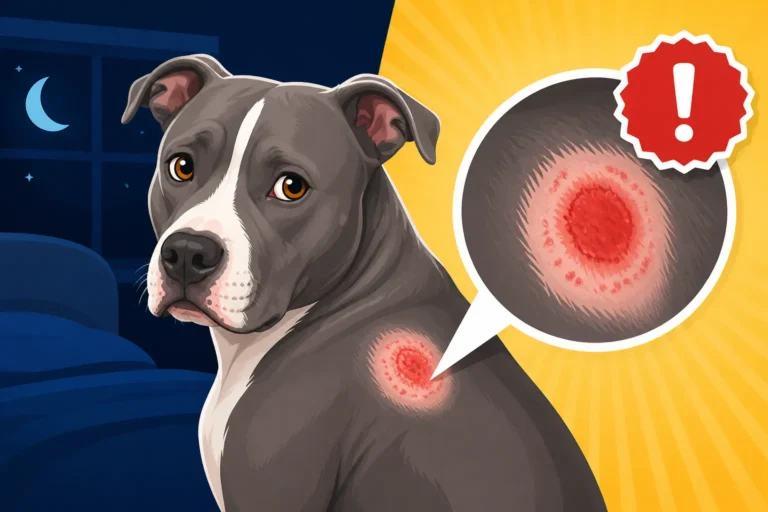
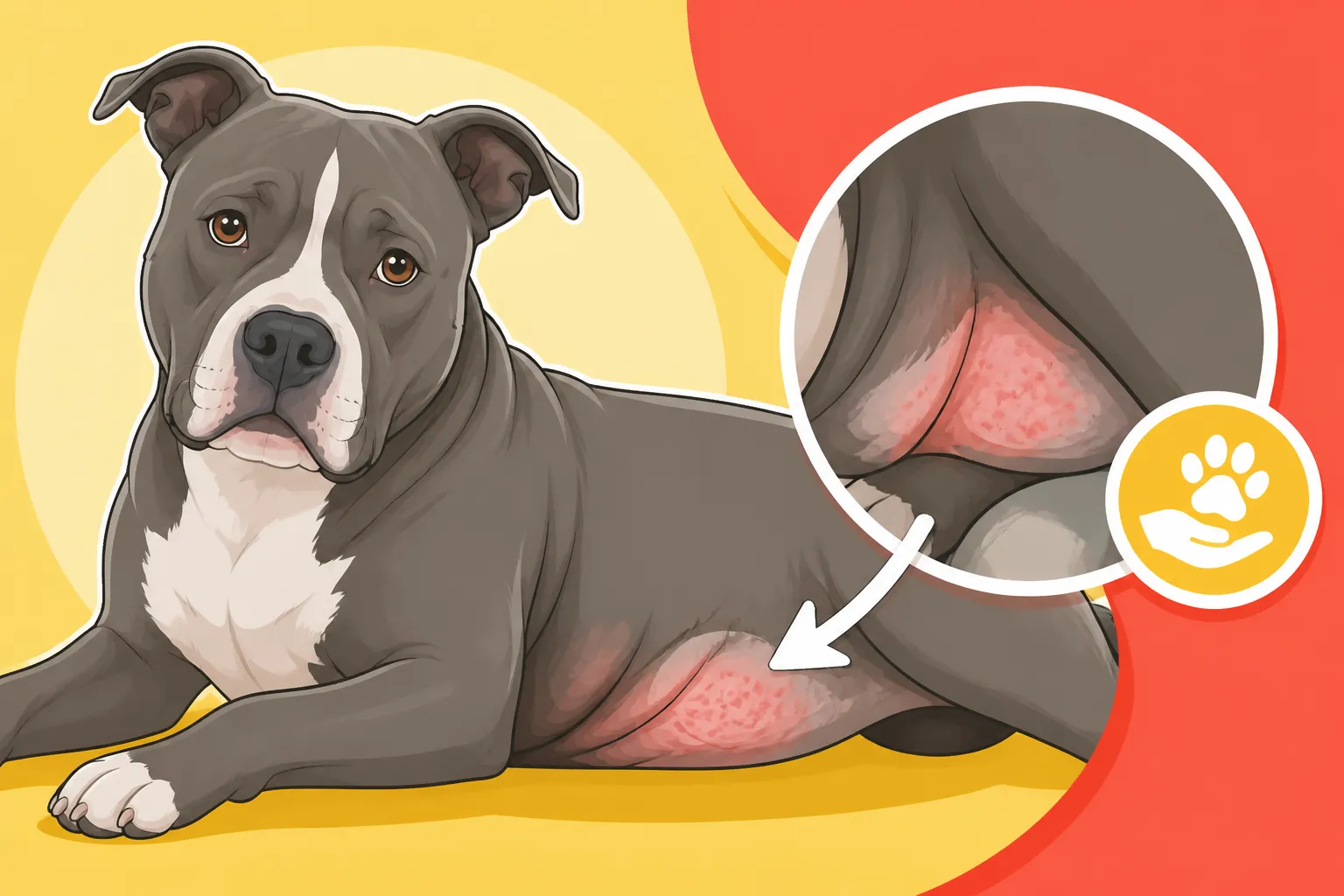
The first thing you’ll likely notice is a change in the appearance of their skin, especially in those prime irritation zones like the belly, armpits, groin, and any folds. Look for redness, which can range from a light pink blush to a deep, angry red. You might see a rash, which could manifest as small bumps, pustules (tiny pimples), or a more generalized inflamed patch. Sometimes, the skin might look greasy or feel tacky to the touch due to excessive oil production or discharge.
Hair loss is another significant indicator. Constant licking, scratching, or rubbing can cause the fur to thin or disappear entirely in affected areas, leaving bare patches. The skin itself might also become thickened, leathery, and darker in color, a process known as lichenification, which is a common sign of chronic inflammation. You might even spot small scabs or crusts, indicating secondary infections from all that scratching. And don't forget discharge – if you see any weeping, pus, or a sticky residue, especially with an unpleasant odor, that’s a clear sign of infection brewing. For issues like a Pit Bull Belly Rash and Contact Allergy, these visual cues are paramount to early detection.
Behavioral Indicators
Beyond what you can see, your Pit Bull’s behavior will often be the loudest alarm bell. An itchy dog is an uncomfortable dog, and they'll try anything to get relief. Excessive licking of the belly, groin, or paws is a huge giveaway. They might lick so much that their fur becomes stained brown from their saliva. You might also notice them scratching vigorously, sometimes with their back leg, but often using their mouth to nibble or chew at the affected spots. This can lead to further skin trauma, creating a vicious cycle of itch-scratch-infection.
Another common behavior is rubbing. Your Pit Bull might drag their belly across the carpet, furniture, or even on the grass, desperately trying to alleviate the itch. Restlessness, difficulty sleeping, or changes in their usual playful demeanor can also point to discomfort. If your normally calm Pit Bull seems agitated, paces more, or snaps when you try to touch their belly, it’s very likely they’re experiencing pain or severe irritation. These behavioral changes are often the first signs that something is truly bothering them and warrant a closer look.
Common Causes of Irritation in Pit Bull Skin Folds and Belly
Pinpointing the exact cause of your Pit Bull's skin irritation can feel like detective work, but it's essential for effective treatment. Often, it's not just one thing, but a combination of factors that create the perfect storm for discomfort. Understanding these common culprits will help you and your vet develop the right strategy.
Allergic Reactions
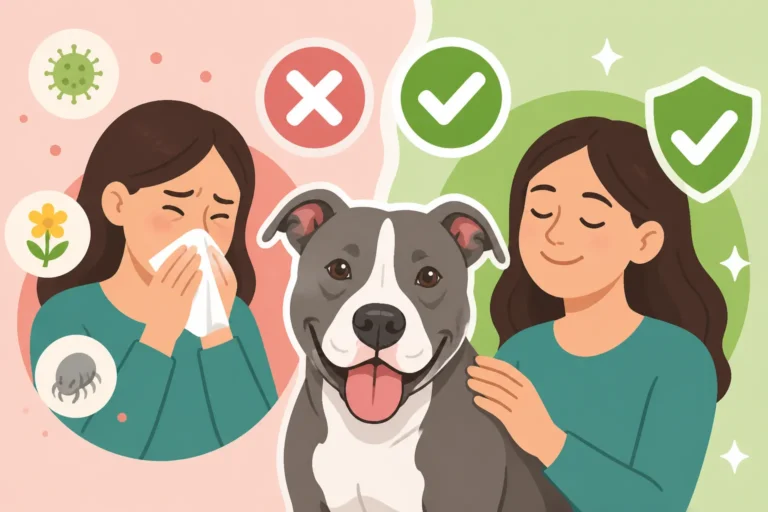
Just like people, dogs can suffer from allergies, and for Pit Bulls, these often manifest as skin issues. Environmental allergies, or atopy, are extremely common. Your Pit Bull might be reacting to pollen from trees, grasses, or weeds, dust mites hiding in your home, or even molds. These allergens trigger an inflammatory response that causes intense itching, redness, and irritation, frequently appearing on the belly, paws, ears, and armpits. The season can be a big clue here; if issues flare up at certain times of the year, environmental allergies are a strong suspect. For more on this, you might want to read about Pit Bull Skin Allergies and the Atopy Pattern.
Food allergies are another significant player. While less common than environmental allergies, they can cause similar symptoms, often year-round. Certain proteins (like chicken, beef, dairy) or even grains can trigger an allergic reaction. Beyond skin irritation, food allergies might also cause gastrointestinal upset, like vomiting or diarrhea. Identifying a food allergy usually requires a strict An Eight Week Food Trial on an Itchy Pit Bull to pinpoint the offending ingredient. Then there are fleas. Even if you don't see them, just one flea bite can trigger a massive allergic reaction in a sensitive Pit Bull, leading to intense itching and localized irritation, often around the tail base, but it can spread to the belly. Flea Allergy Dermatitis in a Pit Bull is a persistent problem for many.
Bacterial and Yeast Infections
When the skin barrier is compromised by allergies, licking, or trapped moisture, it becomes an open invitation for opportunistic bacteria and yeast to move in and set up shop. This often leads to secondary infections, which can exacerbate the itching and discomfort exponentially.
Bacterial infections, known as pyoderma, are very common. You might see red bumps, pustules, scabs, or even areas of crusty skin. The skin might feel warm to the touch and could have a foul odor. Pyoderma often forms in warm, moist areas, making skin folds and the belly ideal breeding grounds. These infections frequently require antibiotics, either topical or oral, to clear up. Ignoring pyoderma can lead to deeper, more painful skin infections. Learn more about Pit Bull Pyoderma and Antibiotic Courses to understand the treatment paths.
Yeast infections, primarily caused by Malassezia pachydermatis, thrive in similar warm, moist environments. The signs often include redness, a greasy feel to the skin, and a distinct, sweet-sour or "corn chip" odor. The skin might also become thickened and dark. These infections are incredibly itchy and are frequently seen in conjunction with allergies, as the underlying inflammation creates an ideal environment for yeast overgrowth. Skin folds are particularly susceptible to Yeast Infections in Pit Bull Skin Folds. Topical antifungal treatments and medicated shampoos are usually necessary to get these under control.
Contact and Irritant Dermatitis
Sometimes, the irritation isn't from an internal immune reaction or an infection, but simply from something your Pit Bull's skin comes into direct contact with. This is called contact dermatitis. Think of it like us getting a rash from poison ivy; dogs can react to certain plants, chemicals, or materials.
For a Pit Bull's exposed belly, common culprits include certain types of grasses or weeds in your yard. If your dog loves to roll in the grass, they might develop a red, itchy rash where their belly touched the foliage. Cleaning products used on floors, certain laundry detergents on their bedding, or even specific materials in their dog beds can also trigger a reaction. Harsh shampoos or grooming products that aren't pH-balanced for dogs can also strip their skin of its natural oils, leading to dryness and irritation. Identifying contact dermatitis often involves a bit of detective work – thinking about where your dog has been or what new products have been introduced. The location of the rash, often confined to areas of direct contact, is a major clue.
At-Home Care and Preventative Measures
While some skin irritations will definitely need a vet’s eye, there’s a whole lot you can do at home to both prevent issues and provide immediate relief for your Pit Bull. Consistent routines and thoughtful choices can make a huge difference in their comfort and overall skin health.
Daily Cleaning and Drying Routines
This is perhaps the most crucial step, especially for Pit Bulls prone to issues in their folds and on their belly. The goal is to keep those warm, moist areas clean and dry, starving bacteria and yeast of their preferred environment. After every walk, especially if your dog has been in tall grass or wet areas, take a moment to wipe down their belly and paws. Simple, unscented pet wipes are great for this, or even a damp cloth followed by a dry one. For Pit Bulls with deeper folds or more prominent belly wrinkles, a daily wipe-down, regardless of walks, can be a game-changer. Use a mild, antiseptic wipe specifically designed for pets, like those containing chlorhexidine, to gently cleanse the skin and remove any allergens, dirt, or excess moisture.
Thorough drying is equally important. After baths, swimming, or even a good run on a humid day, make sure to completely dry your Pit Bull’s skin, particularly in their armpits, groin, and belly area. A soft towel works wonders, but for dogs with more folds, you might even consider a low-heat hairdryer to ensure every crevice is bone dry. Remember, moisture is the enemy here. Regularly Wiping Pit Bull Paws After Grass is a habit that extends to their entire undercarriage to keep skin healthy.
Topical Solutions and Barriers
Once the skin is clean and dry, topical treatments can offer an extra layer of protection and relief. For mild redness or itching, a soothing balm or spray specifically formulated for dogs can be very effective. Look for ingredients like aloe vera, colloidal oatmeal, or witch hazel, which have anti-inflammatory properties. Products containing small amounts of hydrocortisone can also temporarily reduce itching and inflammation, but these should be used sparingly and under vet guidance.
Creating a physical barrier can also help. For Pit Bulls with very sensitive bellies who love to roll in the grass, a lightweight dog shirt or rash guard can provide a protective layer, preventing direct contact with potential irritants. Just make sure the material is breathable to avoid trapping more moisture. For localized hot spots or persistent licking, a cone collar (Elizabethan collar) might be necessary for a short period to prevent your dog from self-traumatizing the area and allowing it to heal. While it's not a solution for the underlying cause, it's a vital tool to stop the cycle of licking and further irritation, which can quickly lead to Pit Bull Hot Spots and Secondary Infection.
When to Seek Veterinary Help
As much as we love being DIY dog parents, there are definite times when home remedies just won't cut it. Knowing when to call the vet is crucial to prevent minor skin irritations from becoming major health problems, saving your Pit Bull from prolonged discomfort and potentially more invasive treatments.
Recognizing Red Flags
If you've been trying at-home care for a few days and aren't seeing improvement, or if things are actively getting worse, that's your first red flag. Persistent or escalating redness, swelling, increased pain (your dog might flinch or growl when touched), or the spread of the rash are all signs that you need professional help. Look for any signs of pus or green/yellow discharge, which strongly indicates a bacterial infection that will likely require antibiotics. A distinctly foul odor emanating from the skin is another clear indicator of infection.
Systemic signs, meaning your dog is generally unwell, are also major warning signs. If your Pit Bull develops a fever, becomes lethargic, loses their appetite, or seems unusually quiet and withdrawn alongside the skin issues, don’t delay a vet visit. These can indicate a more severe infection or an underlying systemic illness that requires immediate attention. Remember, chronic itching can also severely impact a dog’s quality of life and sleep, so even if the physical signs aren't dramatic, if your dog is constantly miserable, it's time to see the vet.
Diagnostic Procedures
When you visit the vet, they won't just guess what's going on; they'll use various diagnostic tools to get to the bottom of the irritation. One of the most common and simple tests is a skin scraping. This involves gently scraping a small sample of skin cells from the affected area to examine under a microscope, looking for parasites like Demodex mites, which can cause hair loss and irritation, though usually not confined to folds in the same way.
Another invaluable tool is cytology. Your vet will take a swab or press a slide directly onto the irritated skin to collect cells, then stain and examine them under the microscope. This allows them to identify whether bacteria or yeast are present and in what quantities, helping them determine the type of infection and the most appropriate medication. If allergies are suspected, your vet might discuss options like allergy testing (either blood tests or intradermal skin tests) to pinpoint specific environmental allergens, or guide you through a strict food elimination trial to identify food sensitivities. For some, getting a referral to a veterinary dermatologist might be the next step for complex or stubborn cases of Pit Bull Skin Allergies and the Atopy Pattern. Insurance providers like Healthy Paws can often help cover these diagnostic costs, making comprehensive care more accessible.
Long-Term Management Strategies
Managing chronic skin fold and belly irritation in Pit Bulls often requires a multi-faceted, long-term approach. It's about more than just treating the current flare-up; it's about minimizing future occurrences and keeping your dog comfortable and healthy for life. This often involves a combination of dietary adjustments, medical interventions, and careful environmental control.
Dietary Adjustments and Supplements
What goes into your Pit Bull’s body can significantly impact their skin health. If food allergies are suspected or confirmed, transitioning to a limited ingredient diet or a novel protein diet is crucial. This means feeding a food with a single, uncommon protein source (like duck, venison, or rabbit) and a single carbohydrate source (like potato or sweet potato) for an extended period, typically eight to twelve weeks, to see if symptoms improve. Sometimes, a prescription hydrolyzed protein diet, where proteins are broken down into tiny particles that the immune system doesn't recognize as allergens, is the best option. An Eight Week Food Trial on an Itchy Pit Bull is often a necessary step to truly determine if diet is a contributing factor.
Beyond allergy management, certain supplements can bolster skin barrier function and reduce inflammation. Omega-3 fatty acids, found in fish oil, are fantastic for skin and coat health. They have natural anti-inflammatory properties that can help soothe irritated skin and improve the overall quality of their coat. Probiotics can also be beneficial, as a healthy gut microbiome has been linked to better overall immune function and skin health. Always discuss any dietary changes or supplements with your veterinarian to ensure they are appropriate for your individual Pit Bull and don't interfere with other medications. Incorporating Omega Oils for Pit Bull Skin and Coat into their daily routine can often lead to noticeable improvements.
Medical Interventions
For Pit Bulls with significant or chronic allergies and resulting skin irritation, medication often plays a vital role in management. Antihistamines, like diphenhydramine or cetirizine, can provide mild relief for itching, though their effectiveness varies widely among dogs. For more severe cases, your vet might prescribe corticosteroids (like prednisone) to quickly reduce inflammation and itching, but these are generally used for short-term relief due to potential side effects with long-term use.
Newer, targeted medications have revolutionized allergy management. Drugs like Apoquel (oclacitinib) work by blocking the specific pathways in the body that cause itching and inflammation. Cytopoint (lokivetmab) is an injectable antibody treatment that targets a protein involved in the itch sensation, offering relief for 4-8 weeks with a single injection. Both options have fewer systemic side effects than long-term steroids and can offer a fantastic quality of life for chronically itchy dogs. These medications, while effective, can be costly, making pet insurance providers like Healthy Paws a valuable partner in managing these ongoing expenses. Your vet will help you decide if Apoquel and Cytopoint for an Itchy Pit Bull are suitable for your dog. For some Pit Bulls, regular Medicated Baths for a Pit Bull With Atopy using specially formulated shampoos (antifungal, antibacterial, or soothing) are essential to control yeast and bacterial populations on the skin, reducing the need for oral medications.
Environmental Control and Lifestyle
Reducing your Pit Bull’s exposure to known allergens is a key component of long-term management. If pollen is an issue, limit outdoor walks during peak pollen times, keep windows closed, and use air purifiers indoors. Regularly vacuuming and washing bedding in hot water can help minimize dust mites. After outdoor excursions, a quick wipe-down of their paws, belly, and body can remove pollen and other irritants before they have a chance to settle on the skin. You might even consider having your Pit Bull wear a light, breathable shirt during walks to act as a barrier.
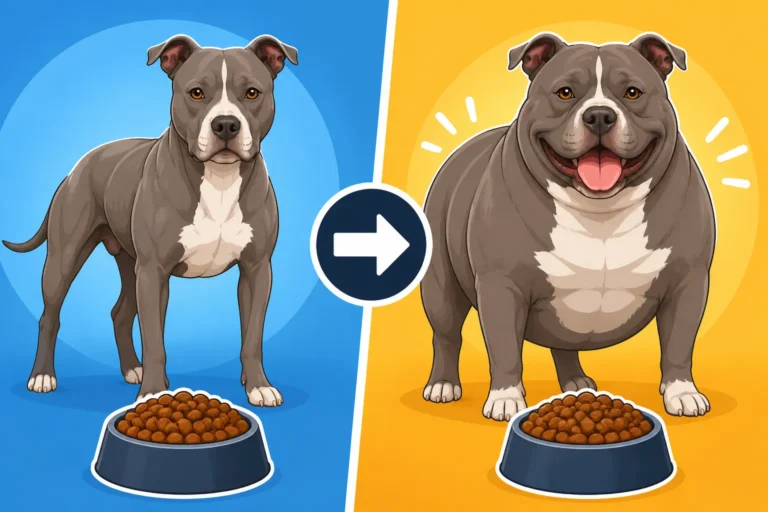
Maintaining a healthy weight is also incredibly important. Obesity can exacerbate skin fold irritation by creating deeper, more pronounced folds where moisture and pathogens can thrive. Regular exercise, combined with a balanced diet, will help keep your Pit Bull lean and reduce the risk of skin fold issues. Consider consistent grooming routines, not just for cleaning, but for checking their skin regularly. This proactive approach helps you spot minor irritations before they escalate. While Whether a Pit Bull Allergy Ever Goes Away is a common question, consistent management can make it feel like it has.
| Cause of Irritation | Common Signs | Initial At-Home Steps | When to See a Vet |
|---|---|---|---|
| Allergies | Licking, scratching, redness, hair loss (paws, belly, ears), seasonal flares | Wipe paws/belly after walks, consider limited ingredient diet, omega-3 supplements | No improvement, worsening symptoms, severe itching, vet for allergy testing |
| Bacterial Infection (Pyoderma) | Red bumps, pustules, scabs, foul odor, discharge, warmth to touch | Gentle antiseptic wipes (chlorhexidine), keep dry, prevent licking (cone) | Any discharge, spreading infection, fever, pain, oral antibiotics often needed |
| Yeast Infection | Greasy skin, "corn chip" odor, redness, thickening/darkening of skin | Antifungal wipes, keep dry, medicated baths (miconazole/chlorhexidine shampoo) | Odor persists, no improvement, severe itching, vet for specific antifungal treatment |
| Contact Dermatitis | Localized rash, redness, itching where skin touched irritant (e.g., grass) | Identify/remove irritant, wipe down affected area, soothing balms, protective clothing | Rash spreads, intense itching, signs of secondary infection |
Disclaimer
The information provided in this article is for general informational purposes only and is not a substitute for professional veterinary advice, diagnosis, or treatment. Always seek the advice of your veterinarian or other qualified health provider with any questions you may have regarding a medical condition or treatment for your pet.