Pit Bull Cold Weather Care on a Short Coat
The biting wind and plummeting temperatures can be a real worry for those of us who share our lives with a Pit Bull. Their sleek, short coats, which are so low-maintenance most of the year, suddenly feel utterly inadequate when winter truly sets in. Many Pit Bull owners find themselves stressing over whether their beloved companion is truly comfortable and safe outdoors in the colder months. This guide will walk you through everything you need to know about providing optimal cold weather care for your short-coated Pit Bull, from recognizing signs of chill to gearing up properly and adjusting their routine.
Understanding Your Pit Bull's Cold Tolerance
It's easy to assume all dogs handle the cold pretty well, but that's just not the case, especially with our Pit Bulls. Their specific physical traits make them far more susceptible to the chill than a Siberian Husky or a Newfoundland. Understanding these vulnerabilities is the first step in keeping them safe and cozy when the mercury drops.
The Short Coat and Lack of Undercoat
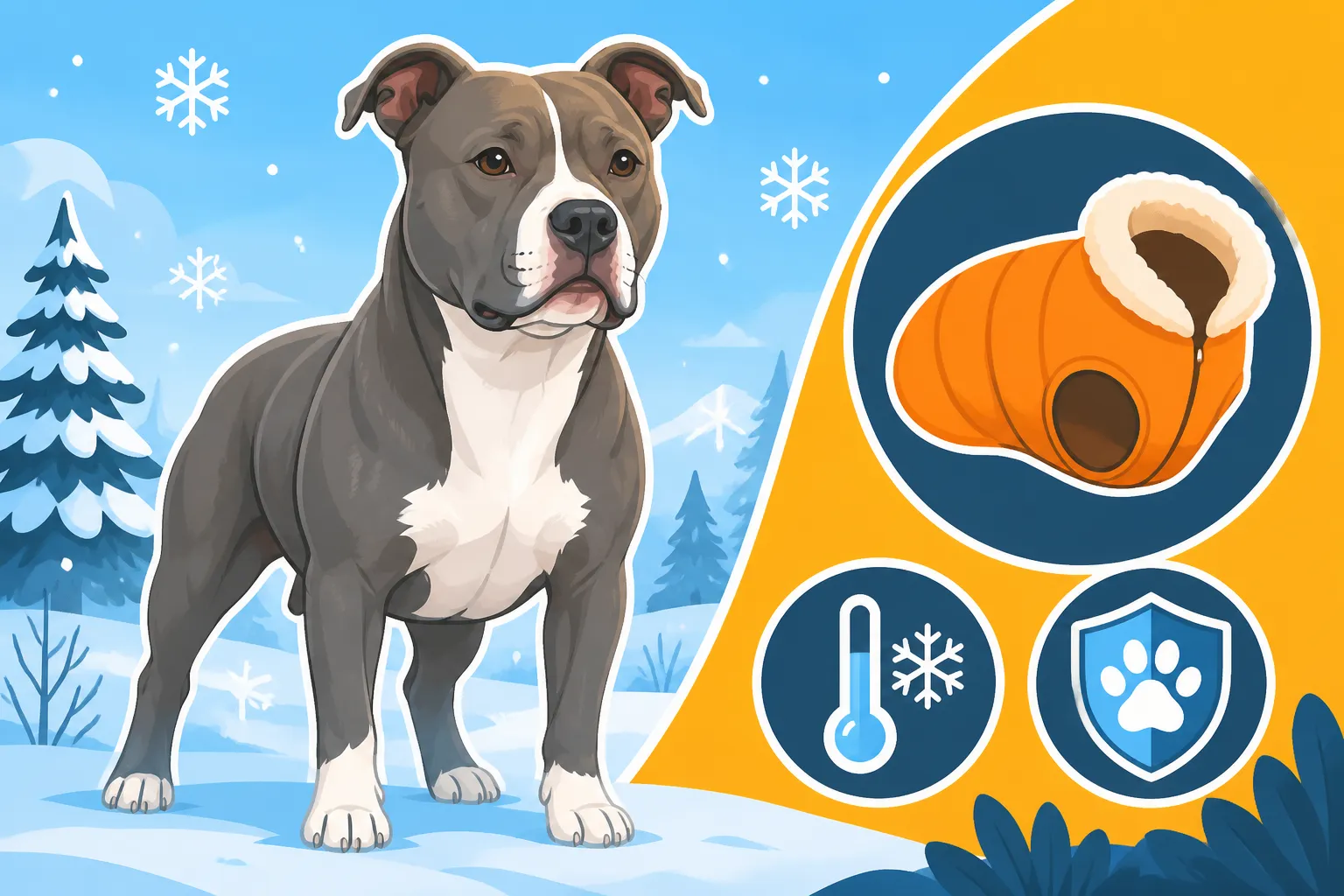
The defining feature of a Pit Bull's coat is its brevity and density, but what it lacks is a thick undercoat. Breeds developed for cold climates, like many northern breeds, possess a double coat: a softer, dense undercoat for insulation and a coarser, water-repellent outer coat. Our Pit Bulls simply don't have this natural layering system. Their single, short coat offers minimal protection against cold air, wind, and precipitation. Think about it – would you feel warm in just a t-shirt in freezing temperatures? Your Pit Bull feels much the same without adequate protection. This means that prolonged exposure to cold can quickly lead to their body temperature dropping, making them uncomfortable at best, and dangerously hypothermic at worst.
When you feel your Pit Bull's coat, you'll notice how close it lies to their skin. This is great for staying cool in summer, but in winter, it means cold air can easily penetrate right to their body. Rain and snow also soak through quickly, further reducing any insulating properties their fur might offer. This is why you'll often see them shivering even on a brisk autumn day, let alone a truly cold winter one. Recognizing this fundamental difference in their physiology is critical for effective cold weather care.
Body Fat and Muscle Insulation
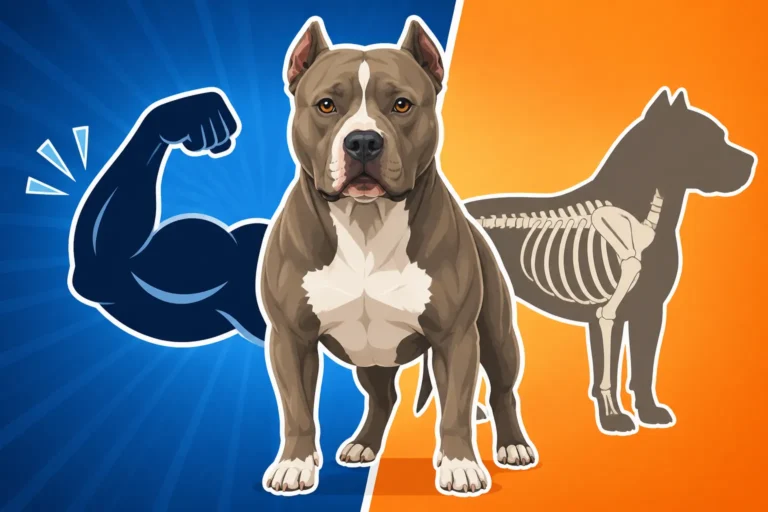
While Pit Bulls are known for their muscular build, muscle alone isn't the best insulator against extreme cold. Fat plays a more significant role in retaining body heat, and while a healthy Pit Bull has a reasonable layer of fat, it’s typically distributed to maintain a lean, athletic physique, not to serve as a thick blubber layer like some northern breeds. A fit Pit Bull often has a lower body fat percentage than some other breeds, which means less natural insulation.
Furthermore, their active nature means they generate a lot of heat when they're moving, but that heat dissipates quickly once they slow down or stop, especially if they're wet or the wind is strong. An older Pit Bull or one with a Pit Bull Heart and Thyroid Conditions might have a harder time regulating their body temperature, making them even more vulnerable. While that impressive musculature helps with power and endurance, it doesn't offer the same long-term thermal buffer as a dense undercoat or a thicker fat layer.
Recognizing Signs of Cold Stress in Pit Bulls
Your Pit Bull can't verbally tell you they're cold, but they certainly communicate it through their body language and behavior. Learning to spot these subtle (and not-so-subtle) cues is crucial for their well-being. Ignoring these signs can lead to serious health issues, so a vigilant eye is your best tool.
Shivering and Hunching
The most obvious sign that your Pit Bull is feeling the chill is shivering. Just like humans, dogs shiver involuntarily to generate heat when their body temperature starts to drop. This can range from a subtle tremble to uncontrollable shaking. You might also notice them hunching their back, tucking their tail tightly between their legs, and pulling their limbs closer to their body, trying to minimize exposed surface area and conserve warmth. They might walk with a stiff, unnatural gait, or seem to be walking on eggshells.
These behaviors indicate that their body is actively working to combat the cold. If you see your Pit Bull shivering, especially if they're also looking uncomfortable or anxious, it's a clear signal that they need to get warm immediately. Bring them inside, wrap them in a warm blanket, and ensure they have a cozy, dry spot to recover. A warm meal can also help raise their core temperature.
Behavioral Changes and Reluctance
Beyond the physical signs, cold stress can manifest in behavioral changes. A Pit Bull who usually loves their walks might suddenly become very reluctant to go outside, even for a quick potty break. They might try to bolt back inside as soon as they've done their business, or stand by the door whimpering. Once outside, they might move slowly, lift their paws frequently, or try to stick close to your legs, seeking any available warmth or shelter.
You might also notice them trying to burrow under blankets or seeking out sunbeams indoors more than usual. They may become less playful and more subdued. If your typically energetic Pit Bull is acting sluggish or seems uninterested in their usual activities during cold weather, consider it a strong indicator that the temperature is too low for their comfort. This isn't stubbornness; it's a genuine physiological response to feeling unwell due to the cold.
Physical Indicators of Hypothermia
While shivering and reluctance are early warnings, prolonged exposure to cold can lead to hypothermia, a dangerously low body temperature. Signs of mild hypothermia include continuous shivering, lethargy, weakness, and a general lack of coordination. Their gums might appear pale, and their skin might feel unusually cold to the touch, especially on their ears, paws, and tail.
As hypothermia progresses, the shivering might stop as their body loses the ability to generate heat. Their breathing might become shallow, heart rate may slow, and they could become unresponsive or collapse. This is a medical emergency requiring immediate veterinary attention. If you suspect hypothermia, wrap your Pit Bull in warm blankets, apply warm (not hot) towels to their chest and abdomen, and transport them to the nearest emergency vet immediately. Prevention is always key, but recognizing these severe signs could save their life.
Essential Gear for Winter Protection
Since our short-coated Pit Bulls don't have nature's built-in winter coat, it's up to us to provide them with the right gear. Investing in quality cold weather accessories isn't just about fashion; it's about protecting them from the elements and ensuring their comfort and safety.
Choosing the Right Winter Coat or Sweater
A good winter coat or sweater is probably the most important piece of cold weather gear for your Pit Bull. But not all coats are created equal. For Pit Bulls, you want something that offers full coverage of their chest and abdomen, as these areas are particularly vulnerable to cold. Look for materials that are insulated, waterproof or water-resistant, and windproof. Fleece-lined options are excellent for warmth, and an outer shell that repels snow and sleet is a huge bonus.
When selecting a coat, pay close attention to the fit. It should be snug enough to prevent cold air from seeping in but not so tight that it restricts movement or rubs. Many Pit Bulls have broad chests, so you might need to try a few brands to find one that fits comfortably without gapping at the neck or being too tight across the shoulders. A quality coat can make a world of difference for your Pit Bull's outdoor comfort, allowing them to enjoy their walks even when it's chilly. You can find a huge variety of options on sites like Chewy or Amazon, often with detailed sizing charts and customer reviews to help you pick the right one.
Here’s a quick comparison of common winter wear options:
| Type of Wear | Best For | Pros | Cons |
|---|---|---|---|
| Fleece Sweater | Mild to moderate cold, indoor warmth | Soft, comfortable, good insulation, lightweight | Not waterproof, offers little wind protection, can get wet easily |
| Insulated Coat | Moderate to severe cold, snowy conditions | Excellent warmth, often water-resistant/waterproof, good wind barrier | Can be bulkier, may limit mobility if not fitted well, higher cost |
| Rain Jacket | Wet, chilly weather (not freezing) | Waterproof, windproof, lightweight | Offers minimal insulation on its own, best for layering over a sweater |
| Winter Jumpsuit | Extreme cold, deep snow, full body protection | Maximum coverage (legs, body), keeps snow/ice out of fur (if applicable) | Can be difficult to put on/take off, some dogs dislike the full coverage |
Paw Protection and Booties
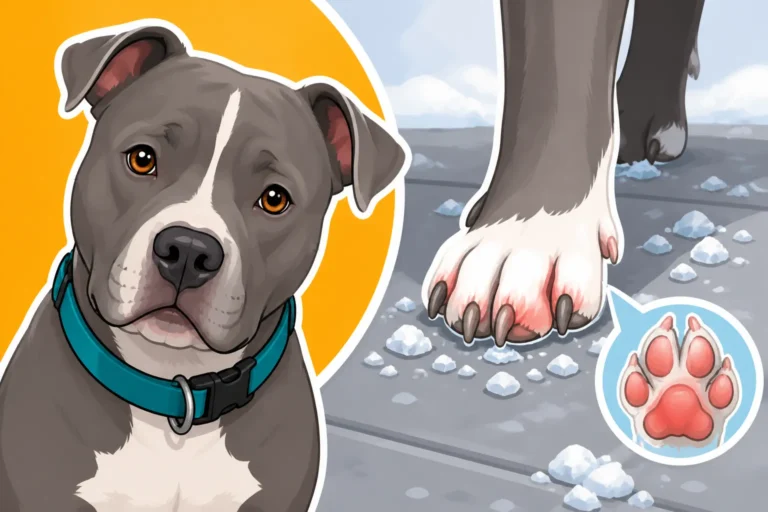
Your Pit Bull's paw pads are tough, but they're not impervious to extreme cold, ice, snow, and the harsh chemicals used on sidewalks, like rock salt. These elements can cause painful cracks, frostbite, and chemical burns. This is where paw protection comes in. Dog booties are an excellent solution, providing a barrier against the cold ground and corrosive materials.
When choosing booties, look for durable, waterproof options with good traction. It’s vital to get the right size; too loose, and they’ll fall off; too tight, and they’ll be uncomfortable. Many dogs need a little time to adjust to wearing booties, so start with short sessions indoors, gradually increasing the time. If booties aren't an option, a good paw balm can offer some protection by creating a barrier against salt and moisturizing the pads, but it won't protect against extreme cold or sharp ice. Remember to always clean your Pit Bull's paws thoroughly after walks in winter, whether they wear booties or not, to remove any salt or ice melt. Pit Bull Paw and Pad Care is essential year-round, but especially in winter.
Warm Bedding and Indoor Comfort
Even indoors, ensuring your Pit Bull has a warm, comfortable place to rest is vital. Cold floors can quickly draw heat from their bodies. Provide a soft, elevated bed if possible, or one with thick insulation. Orthopedic beds are a great choice, especially for older Pit Bulls who might suffer from Arthritis in a Pit Bull at Seven, as they provide both comfort and insulation.
Many Pit Bulls love to burrow, so offer them extra blankets or a covered bed where they can snuggle in and create their own warm nest. Placing their bed in a draft-free area, away from exterior doors or windows, will also help. Consider using a dog crate with warm bedding and a cover if your Pit Bull is crate trained; this creates a cozy, den-like space that retains heat well. Even if your house is heated, remember that the floor can still be significantly colder, and a warm, soft bed can make all the difference to their comfort levels during the long winter nights. Look for durable, washable options on Chewy or Amazon to stand up to your Pit Bull's natural tendencies.
Adjusting Exercise and Outdoor Time
While it’s tempting to just hunker down indoors during winter, your Pit Bull still needs regular exercise and mental stimulation. Their powerful bodies and intelligent minds require an outlet, but you need to adjust their routine to safely accommodate the cold weather.
Shorter, More Frequent Walks
Instead of one long walk, consider breaking up your Pit Bull's outdoor exercise into shorter, more frequent excursions. This allows them to get their necessary bathroom breaks and a burst of activity without prolonged exposure to bitter cold. A 10-15 minute brisk walk a few times a day might be much safer and more comfortable than a single 45-minute trek when temperatures are truly frigid. Always dress them in their winter coat for these outings.
Pay close attention to their behavior during these walks. If they start shivering, lifting paws, or trying to turn back home, it's time to head inside. Even with a coat, prolonged exposure can still be dangerous. Be especially mindful on very windy days, as wind chill can make the effective temperature feel much lower than what the thermometer reads. The goal is to keep them moving and engaged, but to prioritize their safety and warmth above all else. The Daily Exercise a Pit Bull Actually Needs needs to be balanced against the conditions.
Indoor Exercise and Mental Enrichment
When outdoor conditions are simply too harsh – think ice storms, blizzards, or dangerously low temperatures – you'll need to get creative with indoor exercise and mental stimulation. A bored Pit Bull with pent-up energy can quickly become a destructive Pit Bull, no matter how well-trained. Tug-of-war is a fantastic game for burning off physical energy, but remember to set clear rules about "drop it" and "take it" to maintain good manners. Fetch in a long hallway can also work wonders.
Mental enrichment is just as important as physical exercise. Puzzle feeders, which require your Pit Bull to solve a problem to get treats, can keep their minds busy for extended periods. Snuffle mats, where treats are hidden in fabric strips, also offer a great outlet for their natural sniffing instincts. Learning new tricks or practicing obedience commands in short, fun sessions can also tire them out mentally. Consider making some DIY puzzle toys with empty toilet paper rolls or cardboard boxes. These activities provide crucial stimulation when outdoor adventures are limited. Sites like Chewy and Amazon offer a wide array of excellent puzzle feeders that can stand up to a Pit Bull's enthusiasm. You might also want to read up on Indoor Trick Work for a Bored Pit Bull for more ideas.
Protecting Paws from Ice and Salt
Beyond cold, ice and rock salt pose significant threats to your Pit Bull's paws. Ice can accumulate between their paw pads, leading to painful ice balls that can cause chafing and frostbite. Rock salt and other de-icing chemicals are not only irritating to their skin but can also be toxic if ingested when your dog licks their paws.
Always be aware of surfaces you're walking on. Try to steer your Pit Bull away from heavily salted sidewalks and roads, opting for grassy verges or untouched snow when possible. As mentioned earlier, booties are the best defense. If booties aren't practical for every outing, a thorough paw cleaning ritual immediately after coming inside is essential. Use warm water and a clean towel to rinse off any salt or chemicals, and then dry their paws completely. This preventative measure helps prevent irritation and keeps their pads healthy. Applying a pet-safe paw balm can also help moisturize and protect their pads from cracking.
Nutrition and Hydration in Colder Months
Just as humans tend to crave heartier meals when it's cold, a Pit Bull's nutritional needs can shift slightly in winter. Keeping them well-fueled and properly hydrated is key to maintaining their health and their internal thermostat.
Maintaining Energy Levels
In colder temperatures, your Pit Bull's body expends more energy to maintain its core temperature. This means they might naturally burn more calories, even if their activity level remains the same or slightly decreases due to shorter outdoor times. For some active Pit Bulls, a slight increase in their calorie intake might be beneficial to support their energy levels and body warmth. This isn't about overfeeding them to make them gain weight, but ensuring they have enough fuel.
Consult your veterinarian before making any significant changes to their diet, as individual needs vary greatly based on age, activity level, and overall health. Your vet can help you determine if a small adjustment in portion size or a slightly more calorie-dense food is appropriate. For those interested in optimizing their dog's diet, exploring high-quality foods, perhaps even from brands like Ollie, can be an option to ensure they're getting nutrient-rich meals. Remember, a well-nourished body is better equipped to handle environmental stressors like cold.
Importance of Water Intake
Hydration is crucial year-round, but it's easy to overlook in winter. Dogs might seem to drink less because they're not panting as much from heat, but dry indoor air (from heating systems) and lower outdoor temperatures can still lead to dehydration. Dehydration can compromise their immune system and make them more susceptible to illness.
Always ensure your Pit Bull has access to fresh, clean water both indoors and outdoors. If you have outdoor water bowls, make sure they don't freeze over. Heated water bowls are an excellent investment for outdoor pets or for a Pit Bull who spends time in a heated garage or covered kennel. Encourage water intake by adding a little warm water to their food or offering ice cubes as treats. Proper hydration supports all bodily functions, including their ability to regulate temperature and fight off winter bugs.
Addressing Specific Cold Weather Hazards
Beyond just being chilly, winter presents a unique set of dangers that Pit Bull owners need to be aware of. Being proactive and informed about these hazards can prevent serious accidents and health crises.
Antifreeze and Toxins
One of the most insidious dangers in winter is antifreeze. Its sweet taste is appealing to dogs, but even a small amount can be deadly. Antifreeze poisoning can lead to kidney failure and is often fatal if not treated immediately. Spills can occur in driveways, garages, or even on the street. Always be hyper-vigilant when walking your Pit Bull, especially around parked cars or in areas where vehicles are serviced.
If you suspect your Pit Bull has ingested antifreeze, seek emergency veterinary care immediately. Time is critical. Keep all antifreeze products tightly sealed and stored out of reach in your own home and garage. Also, be mindful of other de-icing agents that contain chemicals like ethylene glycol or propylene glycol, as these can also be toxic. This also goes back to the importance of Cleaning a Pit Bull's Ears Weekly and checking their paws, ensuring no harmful residue lingers.
Frostbite Risks on Extremities
While Pit Bulls are generally hardy, their short coat means certain areas are more prone to frostbite. Their ears, tail, and paw pads are most vulnerable because these extremities have less fur and are farther from the core body temperature. Frostbite occurs when tissue freezes, leading to cell damage. In severe cases, it can result in permanent tissue damage, infection, and even amputation.
Signs of frostbite include pale, grayish, or bluish skin that feels cold and stiff. As the tissue thaws, it may become red, swollen, and painful, and blisters can form. In later stages, the affected area may turn black and slough off. If you suspect frostbite, do not rub the area, as this can cause further damage. Instead, gently warm the affected area with warm (not hot) water or warm compresses and seek immediate veterinary attention. Prevention through appropriate winter gear and limiting exposure in extreme cold is your best defense against this painful condition. When temperatures truly plummet, consider keeping outdoor excursions extremely brief, only for necessary potty breaks.
Disclaimer
This article is for general informational purposes only and does not constitute professional advice. Laws, prices and regulations vary by location and change over time. Consult a qualified professional for guidance on your specific situation.