A Pit Bull Puppy Stomach After Switching Food
Bringing home a Pit Bull puppy is such an exciting time, full of wagging tails and tiny nibbles. But many new owners quickly discover that their little furball's digestive system can be surprisingly sensitive, especially when you try to switch them from the food they arrived with to your chosen puppy kibble. It's a common frustration to see a perfectly happy pup suddenly dealing with an upset tummy, loose stools, or even vomiting, all because of a well-intentioned diet change. This guide is here to walk you through why these stomach issues happen, how to make food transitions as smooth as possible, and what steps to take if your Pit Bull puppy's stomach still struggles.
The Delicate Digestive System of a Pit Bull Puppy
It’s easy to think of puppies as miniature versions of adult dogs, but their internal systems are still very much under construction. Their digestive tracts, in particular, are quite immature and not yet equipped to handle sudden changes or a wide variety of foods. This makes food transitions a precarious journey that requires patience and understanding from us, their human companions.
Why Puppy Stomachs Are So Sensitive
Imagine going from a steady, predictable diet to something entirely new overnight – your own stomach might protest a bit, right? For a Pit Bull puppy, it’s even more pronounced. Their digestive enzymes aren't fully developed, meaning they struggle to break down and absorb nutrients from unfamiliar ingredients. A puppy’s gut microbiome, the complex community of bacteria living in their intestines that aids digestion and immunity, is also still establishing itself. A sudden shift in diet can throw this delicate balance completely off kilter, leading to all sorts of digestive distress.
Think about it: your puppy has just left its littermates and its mother, moved to a new home, and is encountering a whole new world of sights, sounds, and smells. This alone can be stressful, and stress can absolutely impact gut health. Then, on top of that, we introduce a new food. It’s a lot for a tiny system to manage! Even a slight variation in protein source, fat content, or fiber can trigger a reaction. This isn’t just about the brand; sometimes even different formulas within the same brand can cause issues if not introduced carefully. They don't have the robust, adaptable digestive systems of adult dogs yet, which is why we need to be extra vigilant and methodical.
Common Signs of Upset After a Food Switch
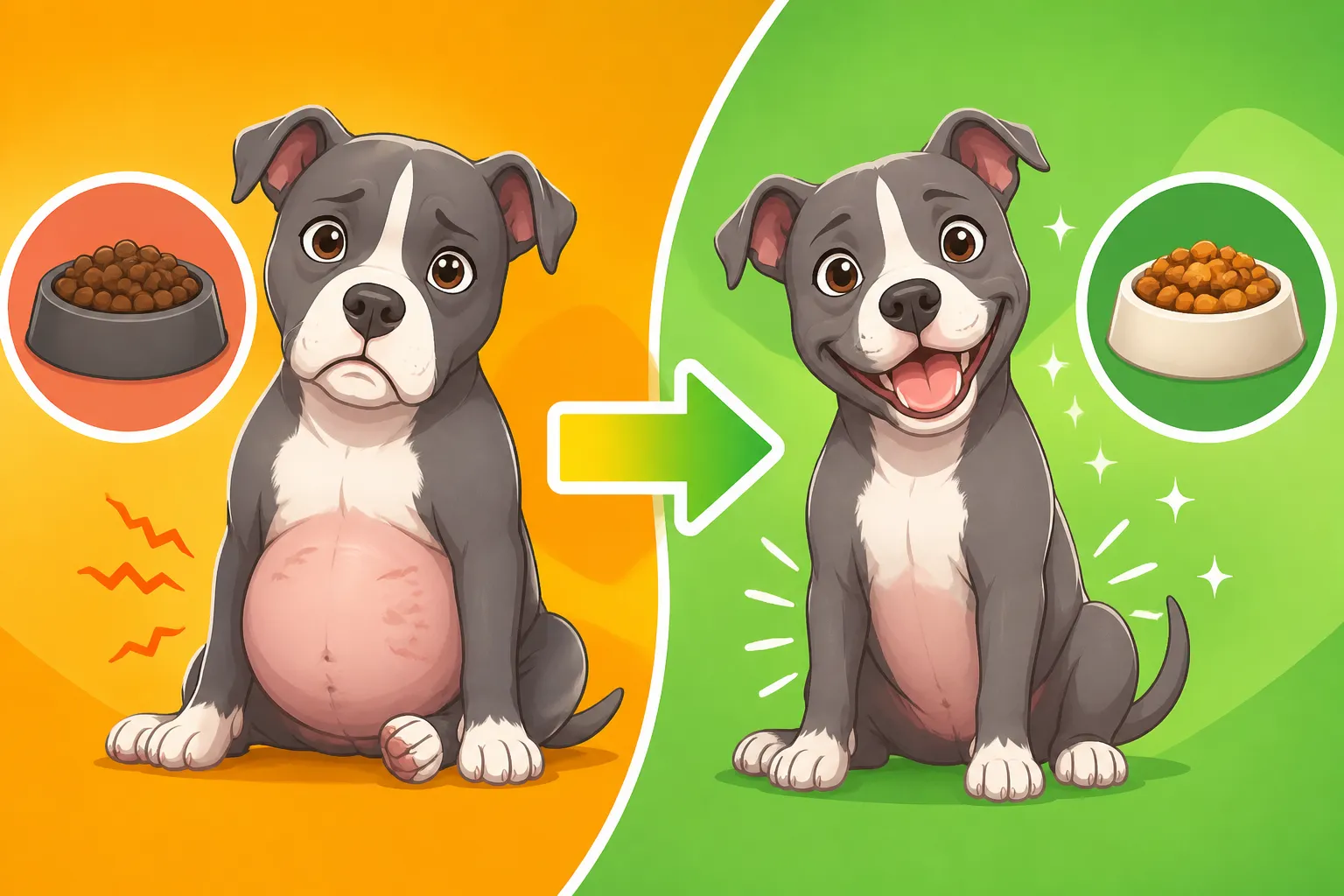
When your Pit Bull puppy’s stomach isn't happy after a food change, it won't be shy about letting you know. The most common sign, and often the most concerning for owners, is diarrhea. This can range from slightly soft stools to completely watery explosions. You might also notice an increase in gas, which can be particularly stinky and uncomfortable for your puppy, leading to restlessness or a general disinterest in play. Pit Bull Puppy Diarrhea in the First Week is a common concern, and it's important to differentiate it from simple food transition issues.
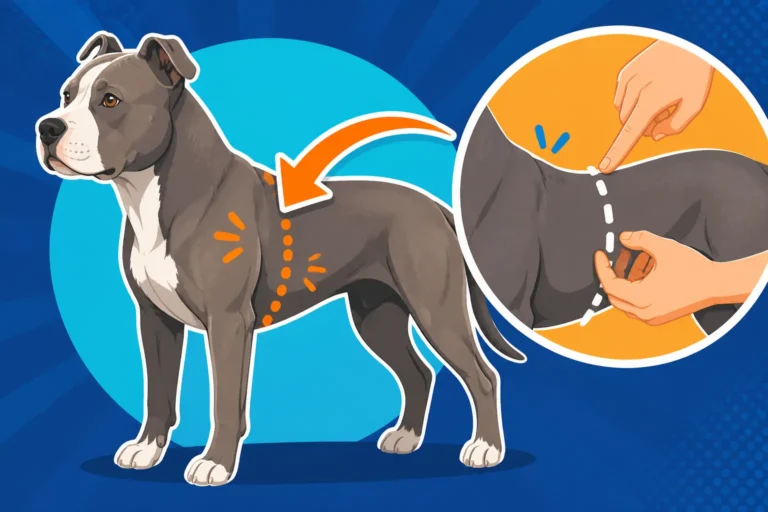
Vomiting is another clear indicator of digestive upset. Sometimes it's just a single regurgitation, but other times it can be persistent, which quickly becomes a concern due to the risk of dehydration, especially in small puppies. You might also observe your puppy showing a decreased appetite or even refusing to eat altogether. They might seem more lethargic than usual, not as bouncy or playful as a healthy puppy should be. Some puppies might also exhibit signs of abdominal discomfort, like a hunched posture, sensitivity when touched around the belly, or excessive licking of their lips. It's crucial to pay close attention to these signals, as they are your puppy's way of telling you that something isn't quite right.
Best Practices for a Smooth Food Transition
Navigating a food switch doesn't have to be a nightmare of messy cleanups and worried nights. With a thoughtful, gradual approach and careful selection of the new food, you can significantly reduce the chances of digestive upset for your Pit Bull puppy. It's all about mimicking nature's pace, not forcing a quick change.
The Gradual Approach: A Week to Ten Days
This is perhaps the single most important piece of advice you’ll get for switching your Pit Bull puppy’s food. Rushing the process is almost guaranteed to cause an upset stomach. Instead, think of it as a slow, gentle introduction, allowing their digestive system ample time to adjust to the new ingredients. A typical transition period should span at least seven to ten days, and for a particularly sensitive puppy, you might even extend it further.
Here’s a common, effective schedule:
- Days 1-2: Start by mixing about 25% of the new food with 75% of the old food. Serve this mixture for two full days, carefully observing your puppy's stool and general demeanor. If everything seems fine, you can proceed.
- Days 3-4: Increase the new food to 50% and mix it with 50% of the old food. Again, maintain this ratio for two days. This is often where you'll start to see if the new food is going to cause any trouble. If stools soften, slow down the transition.
- Days 5-6: Now, it's 75% new food and 25% old food. Your puppy’s system should be largely accustomed to the new ingredients by this point.
- Day 7 and Beyond: If all has gone well, you can now feed 100% of the new food. Continue to monitor for any signs of digestive upset for a few more days, just to be sure.
The key here is flexibility. If your puppy shows any signs of discomfort – even slightly softer stools – simply hold at the current ratio for an extra day or two until their system settles. There’s no prize for finishing fast. Slow and steady wins the race when it comes to puppy tummies. This methodical approach allows the gut microbiome time to adapt and produce the right enzymes for the new ingredients.
Choosing the Right New Food
Beyond the transition method, the choice of the new food itself plays a massive role in your Pit Bull puppy’s digestive health. Not all puppy foods are created equal, and what works for one breed or individual might not work for another. You want to set your puppy up for success right from the start.
First and foremost, always choose a high-quality puppy-specific formula. These are formulated to meet the intense nutritional demands of a growing puppy, providing the right balance of protein, fat, vitamins, and minerals. Avoid adult dog foods, as they often lack the calorie density and specific nutrient ratios a growing puppy needs. For Pit Bulls, who are typically robust and can grow to be quite muscular, a large-breed puppy formula might be a good consideration, as these often contain controlled calcium and phosphorus levels to support proper bone and joint development, which is crucial for preventing issues like Pit Bull Hip Dysplasia Showing at One to Two Years later on.
When you're looking at ingredients, aim for a food with a named meat source (e.g., "chicken meal" or "lamb") as one of the first few ingredients, rather than vague terms like "meat by-products." Whole grains like brown rice or oats are often easier to digest than corn or soy for many dogs, though individual sensitivities vary. Some brands like Ollie offer fresh, human-grade food options delivered to your door, which can be an excellent choice for sensitive puppies if your budget allows. Many owners also find great success with established kibble brands available at retailers like Chewy, where you can read detailed ingredient lists and customer reviews before making a decision. Pay attention to the fat content – extremely rich foods can sometimes trigger loose stools. If your puppy has a history of sensitivity, consider a limited ingredient diet (LID) even if they don't have diagnosed allergies, as fewer ingredients can sometimes mean less for a delicate system to react to. Always consult your veterinarian for specific dietary recommendations tailored to your Pit Bull puppy's needs and health history. The Age a Pit Bull Switches to Adult Food is something to keep in mind, as their nutritional needs will change as they mature.
What to Do When the Transition Goes Wrong
Even with the most careful planning, sometimes a food transition just doesn't go smoothly. It's disheartening to see your Pit Bull puppy feeling unwell, but knowing how to react can make all the difference. There's a fine line between managing mild upset at home and recognizing when professional veterinary help is essential.
Managing Mild Digestive Upset at Home
If your Pit Bull puppy experiences mild symptoms like slightly soft stools or a single bout of vomiting during the food transition, don't panic. The first step is usually to revert to the previous food or, if that's not possible, to offer a bland diet. A classic bland diet consists of plain, boiled, boneless, skinless chicken mixed with plain white rice. The ratio is typically one part chicken to two parts rice. Offer small, frequent meals of this mixture for a day or two until the digestive system settles. A Pit Bull Puppy Stomach After Switching Food is a common issue, and a bland diet can often reset things.
During this time, ensuring your puppy stays hydrated is paramount. Always have fresh water available, and consider offering an electrolyte solution specifically formulated for pets if you're concerned about dehydration, especially if vomiting or diarrhea has been significant. Probiotics can also be very helpful in restoring the balance of good bacteria in the gut. You can find canine-specific probiotic supplements at pet stores or online retailers like Amazon. Just make sure they are suitable for puppies. Only reintroduce the old food or continue the new food transition very slowly once your puppy's stools are firm and consistent again, adding an extra day or two to each step of the gradual transition schedule. Never try to push through severe symptoms; that's when it's time to call the vet.
When to Call the Vet for a Pit Bull Puppy
While mild digestive upset can often be managed at home, there are definite red flags that indicate your Pit Bull puppy needs immediate veterinary attention. Puppies can dehydrate very quickly, and serious digestive issues can escalate rapidly.
You should call your veterinarian immediately if you observe any of the following:
- Persistent Vomiting: If your puppy vomits multiple times in a short period, especially if it's projectile or contains blood.
- Severe or Bloody Diarrhea: Watery diarrhea that doesn't resolve within 24 hours, or any diarrhea that contains fresh blood (bright red) or digested blood (dark, tarry stools).
- Lethargy and Weakness: If your puppy is unusually tired, uninterested in playing, struggles to stand, or seems disoriented.
- Lack of Appetite: Refusing to eat for more than 12-24 hours.
- Pain or Distended Abdomen: Whining, crying, or showing signs of discomfort when their belly is touched, or if their abdomen appears swollen.
- Fever: Your vet can instruct you on how to check your puppy's temperature rectally, but any sign of fever (over 102.5°F or 39.2°C) is a concern.
- Visible Worms: While not directly related to food switching, if you see worms in their stool or vomit, they need deworming, which can often cause stomach upset themselves.
It's better to err on the side of caution with puppies. Their immune systems aren’t fully developed, and they are more vulnerable to severe consequences from illnesses like parvovirus or other infections, symptoms of which can mimic food sensitivity. Pit Bull Puppy Vaccination and Parvovirus is a critical preventative measure, but even vaccinated puppies can get sick. Don't hesitate to reach out to your vet; they are there to help and can provide peace of mind or timely intervention.
Long-Term Stomach Health for Your Pit Bull
Once you’ve successfully navigated the food transition, the journey to a healthy gut for your Pit Bull puppy isn't over. Establishing good long-term habits will help prevent future digestive issues and support their overall well-being as they grow into strong, athletic adults. A robust digestive system is foundational to a dog's health, impacting everything from energy levels to coat condition.
The Role of a Consistent Feeding Schedule
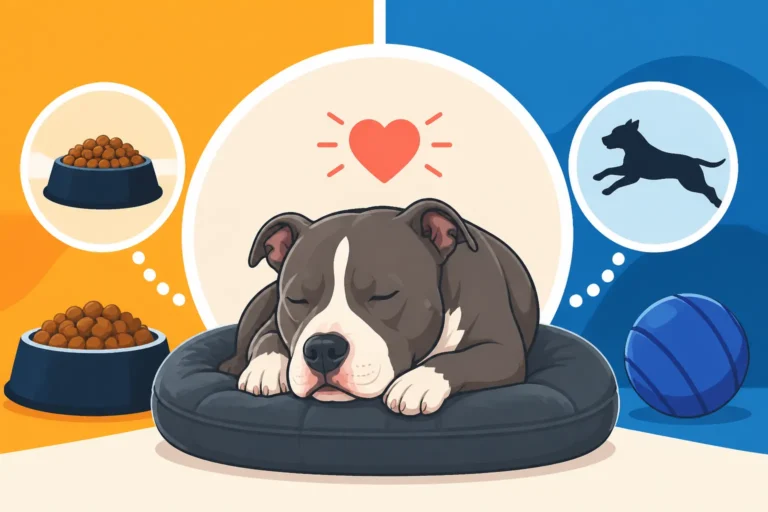
One of the simplest yet most effective ways to promote stable digestion in your Pit Bull is to maintain a consistent feeding schedule. Puppies thrive on routine, and their digestive systems benefit greatly from knowing when to expect meals. Instead of free-feeding, where food is left out all day, aim for two to three measured meals at roughly the same times each day. How Often a Pit Bull Puppy Should Eat often means multiple small meals to begin with, gradually reducing to two meals as they mature.
A consistent schedule allows the digestive enzymes to be released predictably, optimizing the breakdown and absorption of food. It also helps regulate bowel movements, making it easier to predict potty breaks and identify any deviations from a healthy stool. Portion control is also much easier with a schedule, helping prevent overfeeding, which can lead to obesity and put strain on developing joints. Pit Bull Obesity and Joint Strain is a serious concern, so getting their food right from the start is key. Use a measuring cup or scale to ensure you're giving the correct amount of food as recommended by the food manufacturer or your veterinarian, adjusting as your puppy grows and their activity levels change.
Probiotics and Digestive Support
Just as in humans, the balance of beneficial bacteria in a dog's gut plays a critical role in digestion, nutrient absorption, and immune function. Sometimes, a puppy's gut biome might need a little extra help, especially after antibiotics, stress, or even just a challenging food transition. This is where probiotics and other digestive support supplements can come in handy.
Probiotics introduce live beneficial bacteria to the gut, helping to re-establish a healthy flora. They can be particularly useful for puppies prone to loose stools, gas, or mild sensitivities. Prebiotics, on the other hand, are non-digestible fibers that act as food for the good bacteria, encouraging their growth. Many high-quality puppy foods now include prebiotics and probiotics, but if your vet recommends it, a separate supplement can be added to their diet. These can often be found readily available through online retailers like Chewy or Amazon. Remember, not all supplements are created equal, so always choose products specifically formulated for dogs and consult with your vet before introducing any new supplement into your Pit Bull puppy's diet. A healthy gut means a healthy pup, and sometimes a little targeted support can go a long way.
Avoiding Future Food Transition Pitfalls
You've learned the hard way that sudden food changes can wreak havoc on a Pit Bull puppy's stomach, but how do you apply this lesson moving forward? The golden rule remains: always transition slowly. Even when moving from a puppy formula to an adult formula, or if you decide to try a different brand or type of food (like switching from kibble to a fresh food like Ollie), adhere to the 7-10 day gradual introduction method. Never swap foods abruptly, no matter how tempting or convenient it might seem.
Beyond the transition, continue to be a diligent label reader. Understand the ingredients in your dog's food, and if your Pit Bull develops any sensitivities later in life, this knowledge will be invaluable. Food Allergies Behind Pit Bull Itching can sometimes manifest as digestive issues, so being aware of common allergens like certain proteins (e.g., beef, dairy, chicken) can help you make informed choices if problems arise. Keep a keen eye on your dog's stool consistency and general well-being. Any persistent change in stool, appetite, or energy could signal an underlying issue. Also, resist the urge to feed large quantities of human food or table scraps, as these can quickly upset a dog's finely tuned digestive system. Treat their diet as a carefully constructed system that needs stability and thoughtful adjustments, and your Pit Bull will thank you with years of happy, healthy digestion.
| Day Range | Old Food Ratio | New Food Ratio | Observation Notes (Puppy's Stool) |
|---|---|---|---|
| Days 1-2 | 75% | 25% | Should remain firm and consistent. |
| Days 3-4 | 50% | 50% | May soften slightly; if so, extend this stage. |
| Days 5-6 | 25% | 75% | Should be firm or only very slightly soft. |
| Day 7+ | 0% | 100% | Should be fully transitioned to the new food. |
Disclaimer
This article is for general informational purposes only and does not constitute professional advice. Laws, prices and regulations vary by location and change over time. Consult a qualified professional for guidance on your specific situation.