Pit Bull Puppy Vaccination and Parvovirus
Bringing home a rambunctious Pit Bull puppy is an incredibly exciting time, full of dreams about playtime, cuddles, and years of companionship. However, this early stage also carries a significant, terrifying risk: parvovirus. This brutal disease can turn a joyful homecoming into a nightmare, striking down seemingly healthy puppies with shocking speed and often leading to heartbreaking outcomes. This guide will walk you through everything you need to know about protecting your young Pit Bull from parvovirus, from understanding the virus itself to navigating crucial vaccination schedules and implementing preventative measures.
The Shadow of Parvovirus on Pit Bull Puppies
Parvovirus is a name that strikes fear into the hearts of puppy owners, and for good reason. It's a highly contagious, severe disease that can rapidly overwhelm a young dog's system. For Pit Bull puppies, with their boundless energy and sometimes robust, yet still developing, immune systems, understanding this threat is the first step in ensuring their long, healthy lives.
What Parvovirus Is and How It Attacks
Canine parvovirus, often simply called "parvo," is a highly resistant and pervasive virus that primarily attacks the rapidly dividing cells in a puppy's body. Think of it as a microscopic army targeting the most vital systems: the lining of the small intestine and, in very young puppies, the heart muscle. When it attacks the intestinal lining, it destroys the villi, which are crucial for nutrient absorption. This leads to the severe vomiting and diarrhea characteristic of the disease. Your puppy can't absorb food or water, leading to rapid dehydration and malnutrition, even if they try to eat. This widespread cellular damage also severely compromises the immune system, leaving the puppy vulnerable to secondary bacterial infections that complicate recovery. The virus itself is incredibly hardy, capable of surviving for months, even years, in the environment, defying many common household cleaners.
Why Pit Bull Puppies Are Particularly Vulnerable
While all puppies are susceptible to parvovirus, some breeds, including Pit Bulls, Rottweilers, Doberman Pinschers, and German Shepherds, appear to be at a higher risk for more severe outcomes if infected. The reasons for this aren't fully understood but are thought to involve factors like genetic predisposition impacting immune response, differences in how maternal antibodies transfer, or even higher viral loads in some bloodlines. Pit Bull puppies, due to their natural curiosity and tendency to explore everything with their mouths, can also be more prone to accidental exposure in contaminated environments. The period between weaning and the completion of their vaccination series, typically around 6 to 16 weeks of age, is the most perilous time. During these weeks, the protection from their mother's antibodies begins to wane, but their own immune system hasn't yet developed full immunity from vaccines, creating a dangerous "window of susceptibility." This makes understanding and adhering to the vaccination schedule paramount for your energetic young Pit Bull.
The Heartbreaking Reality of Parvo
The reality of a parvovirus infection is grim and emotionally draining for any owner. When a puppy contracts parvo, the disease progresses rapidly, often leaving little time to react. You might wake up to a seemingly normal puppy one morning, only to find them lethargic, vomiting, and experiencing severe, foul-smelling diarrhea by evening. The financial burden of treatment can also be staggering, easily running into thousands of dollars for hospitalization, IV fluids, antibiotics, anti-nausea medication, and supportive care. Even with intensive veterinary intervention, the survival rate, especially for severely affected puppies, is not 100%. Many families face the agonizing decision of choosing between costly treatment with uncertain outcomes and euthanasia. This is why prevention isn't just a recommendation; it's an absolute necessity to spare your family and your beloved puppy from this devastating experience.
Navigating the Core Vaccination Schedule
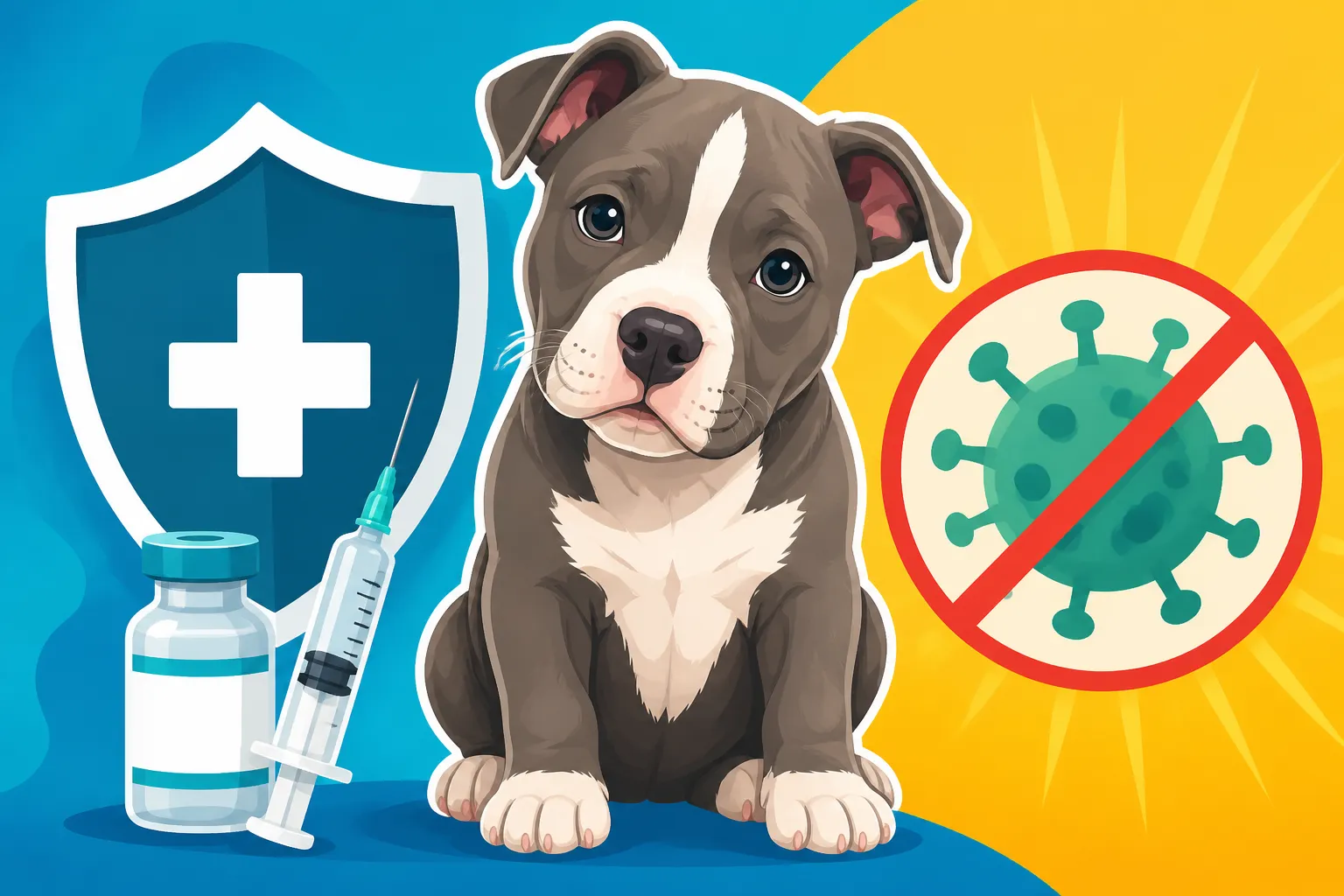
Vaccinations are your Pit Bull puppy's shield against devastating diseases like parvovirus. Understanding the schedule and sticking to it religiously is arguably the most critical responsibility you have as a new puppy parent. It's not just about one shot; it's a carefully timed series designed to build robust immunity.
The Standard Puppy Vaccination Series
The core vaccination series for puppies typically begins around 6 to 8 weeks of age. This first shot is crucial, but it's only the beginning. It's usually a combination vaccine, often referred to as the "DAPP" or "DHPP" shot, protecting against Distemper, Adenovirus (Hepatitis), Parvovirus, and Parainfluenza. Your Pit Bull puppy will then need boosters every 3 to 4 weeks until they are at least 16 weeks old. This staggered approach is vital because the maternal antibodies they received from their mother, which initially protect them, can also interfere with the vaccine's effectiveness. By giving multiple boosters, we ensure that as maternal antibody levels drop, the puppy's own immune system can respond effectively to the vaccine. Skipping a booster or delaying it significantly can leave your puppy vulnerable during that critical window. For many, the cost of these initial vet visits can feel daunting, but remember that the price of treatment for a preventable illness like parvo far outweighs the vaccine costs. You can learn more about The First Month Cost of a Pit Bull to help you budget for these essential early expenses.
Booster Shots and Ongoing Protection
Once your Pit Bull puppy completes their initial series of vaccinations, usually at around 16 weeks old, they'll typically receive another booster a year later. This "one-year booster" is extremely important as it solidifies their long-term immunity. After this, most core vaccines like the DAPP/DHPP are given every three years, though your veterinarian might recommend a different schedule based on your dog's individual risk factors, lifestyle, and local disease prevalence. Consistency is key here. Just because your dog is an adult doesn't mean they're immune forever; immunity can wane over time. Regular check-ups with your vet will help ensure your Pit Bull remains protected throughout their life. It's also a great opportunity to discuss any changes in their health and ensure their overall well-being. Keeping a comprehensive record of these visits is part of What a Pit Bull Health History Should Cover.
Understanding Vaccine Types and Effectiveness
Not all vaccines are created equal, and understanding the types can sometimes be helpful for informed discussions with your vet, though your vet will always guide the best choice. Most parvovirus vaccines are "modified live virus" (MLV) vaccines, which contain a weakened form of the virus. These are highly effective because they stimulate a strong, long-lasting immune response, mimicking a natural infection without causing the disease. Killed virus vaccines, while available for some diseases, are less common for parvovirus. While vaccines are incredibly effective, no vaccine offers 100% guaranteed protection. Factors like individual immune response, genetic predispositions (which some Pit Bull types may have), underlying health issues, or even stress can impact how well a vaccine works. This is why environmental control and avoiding high-risk areas until immunity is fully established are still critical components of preventing parvovirus. Ensuring your puppy receives the full series, on time, maximizes their chances of developing robust immunity.
| Age of Puppy | Recommended Core Vaccines | Common Non-Core Vaccines (Discuss with Vet) | Key Considerations |
|---|---|---|---|
| 6-8 Weeks | Distemper, Adenovirus, Parvovirus, Parainfluenza (DHPP/DAPP) | – | First shot of series. Avoid public areas. |
| 9-11 Weeks | DHPP/DAPP Booster | Leptospirosis, Bordetella (Kennel Cough) | Second booster. Continue limiting exposure. |
| 12-14 Weeks | DHPP/DAPP Booster | Leptospirosis, Bordetella, Lyme Disease | Final puppy series shot. Socialization can begin carefully in safe, known environments. |
| 16+ Weeks | Rabies (Legally Required) | Leptospirosis, Bordetella, Lyme Disease | Rabies required by law. Full immunity developing. |
| 1 Year | DHPP/DAPP Booster, Rabies Booster | Leptospirosis, Bordetella, Lyme Disease | First adult boosters. Establishes long-term immunity. |
| Every 1-3 Years (as advised by vet) | DHPP/DAPP, Rabies | Leptospirosis, Bordetella, Lyme Disease | Ongoing maintenance to ensure lifelong protection. |
Beyond Parvo: Other Critical Vaccinations for Pit Bulls
While parvovirus is a primary concern for young Pit Bulls, it's essential to remember that a comprehensive vaccination plan covers several other dangerous diseases. Your veterinarian will tailor a schedule that addresses the risks specific to your dog's lifestyle and geographic location, providing a holistic shield against illness.
Distemper, Adenovirus, and Parainfluenza
These three diseases are often grouped with parvovirus in the core "DAPP" or "DHPP" vaccine. Distemper is a highly contagious and often fatal viral disease that affects multiple body systems, including respiratory, gastrointestinal, and neurological systems. Symptoms can range from fever and coughing to seizures and paralysis. Adenovirus, or infectious canine hepatitis, can cause liver damage, fever, and vomiting, while parainfluenza virus contributes to kennel cough, a highly contagious respiratory infection. Vaccinating against these simultaneously with parvovirus streamlines the process and ensures broad protection. Because Pit Bulls are often active, social dogs, they are more likely to encounter other dogs at parks, training classes, or boarding facilities, increasing their risk of exposure to these widespread pathogens. Ensuring they are fully protected before engaging in these activities is paramount for their safety and the safety of other dogs.
Leptospirosis and Lyme Disease Considerations
Beyond the core vaccines, your vet might recommend several non-core vaccines based on your Pit Bull's environment and activities. Leptospirosis is a bacterial disease spread through contaminated water or urine from infected wildlife (like raccoons, deer, or rodents). It can cause severe kidney and liver damage and is zoonotic, meaning it can spread to humans. If you live in a rural area, your Pit Bull frequently goes hiking, plays in standing water, or has access to areas frequented by wildlife, the leptospirosis vaccine is a strong consideration. Lyme disease, transmitted by ticks, can cause lameness, fever, and joint pain. If you reside in a tick-endemic area or spend time outdoors in wooded or grassy areas, the Lyme vaccine could be beneficial. Discussion with your vet about these specific risks is vital. For example, a Pit Bull living in an apartment in a city might not need Lyme, but a Pit Bull regularly running trails in New England almost certainly would. Regular Year-Round Parasite Cover for a Pit Bull is also crucial, regardless of vaccination status, as vaccines don't prevent ticks or fleas themselves.
Rabies: The Legal and Life-Saving Shot
Rabies is a universally fatal viral disease that affects the brain and spinal cord of mammals, including humans. Because of its severity and the public health implications, rabies vaccination is legally mandated in nearly all states and jurisdictions across the United States. Your Pit Bull puppy will typically receive their first rabies vaccine at around 16 weeks of age, after which it's usually boosted one year later, and then every three years, depending on local regulations and the specific vaccine used. This vaccine is non-negotiable, not just for your dog's safety, but for yours and your community's. Proof of current rabies vaccination is often required for licensing your dog, traveling, or even in the unfortunate event of a bite incident. It's a fundamental part of responsible pet ownership, offering protection against a truly terrifying disease with no cure once symptoms appear.
Recognizing Parvovirus Symptoms and Reacting Quickly
The speed at which parvovirus can devastate a young Pit Bull puppy is one of its most terrifying aspects. Knowing what to look for and acting immediately can literally be the difference between life and death. Early detection and swift veterinary intervention are your puppy's best chances.
Early Warning Signs to Watch For
Parvovirus doesn't always announce itself with a bang; sometimes, the initial signs are subtle and easily mistaken for common puppy tummy troubles. The very first indication might be a slight decrease in energy or a reluctance to eat their usual meal. Your normally boisterous Pit Bull puppy might seem a bit more subdued, sleeping more than usual, or not responding to play. Following this, you might notice intermittent vomiting, which can quickly become persistent, and then the onset of diarrhea. Crucially, parvovirus diarrhea often has a distinct, foul odor, is typically watery, and can be streaked with blood. Any combination of lethargy, loss of appetite, vomiting, or diarrhea in a young, unvaccinated or partially vaccinated Pit Bull puppy should immediately raise a red flag. Do not wait to see if it improves; every hour counts. Even a case of Pit Bull Puppy Diarrhea in the First Week should be taken seriously and checked by a vet, especially if other symptoms are present.
The Rapid Progression of the Disease
Once parvovirus takes hold, its progression can be shockingly fast. A puppy who was merely "off" this morning can be severely debilitated by the afternoon or evening. The persistent vomiting and diarrhea quickly lead to severe dehydration, which can cause electrolyte imbalances and eventually hypovolemic shock. Their immune system is compromised, opening the door for secondary bacterial infections that can spread rapidly throughout the body. Puppies become increasingly weak, sometimes unable to lift their heads, and their gums might appear pale or even yellowish due to dehydration and poor circulation. They may also develop a fever or, paradoxically, a dangerously low body temperature. This rapid decline is why veterinary care cannot be delayed. By the time many owners recognize the severity of the symptoms, their puppy is often already in a critical state, requiring intensive care.
The Importance of Immediate Veterinary Intervention
If you suspect parvovirus, contacting your veterinarian immediately is non-negotiable. Don't wait for "office hours" if it's after hours; utilize emergency veterinary services. When you call, inform them of your suspicion so they can prepare to isolate your puppy upon arrival to prevent spreading the highly contagious virus to other patients. Upon examination, your vet will likely perform a rapid in-house test (a "parvo snap test") on a fecal sample to confirm the diagnosis. Treatment for parvo is primarily supportive and aggressive. It involves intravenous fluids to combat dehydration, anti-nausea medications to stop vomiting, antibiotics to fight secondary bacterial infections, and nutritional support. Some clinics also use antiviral medications like Tamiflu, though its effectiveness is debated. Hospitalization, often in an isolation ward, is usually required for several days. Early and aggressive treatment significantly improves a puppy's chances of survival, which is why acting without hesitation is so vital. Being prepared for unexpected veterinary costs, perhaps through a pet insurance plan like those offered by Healthy Paws, can greatly reduce the stress of making critical medical decisions during such a crisis.
Fortifying Your Home Against Parvovirus
Parvovirus is notoriously resilient and can survive for extended periods in the environment. Vaccinating your Pit Bull puppy is only half the battle; the other half involves meticulously cleaning and managing their environment to minimize exposure, especially during their vulnerable vaccination period.
Environmental Disinfection Protocols
One of the biggest challenges with parvovirus is its ability to linger in the environment. It can survive on surfaces, in soil, and on clothing for months, making thorough disinfection crucial. Standard household cleaners are generally ineffective against parvo. The gold standard for disinfection is a diluted bleach solution (1 part bleach to 32 parts water). This solution should be used to thoroughly clean all hard, non-porous surfaces your puppy has come into contact with: floors, kennels, food and water bowls, and even shoes. For porous items like bedding, blankets, and toys, washing them in hot water with bleach is recommended, or simply discarding them if heavily contaminated and not easily cleaned. Outdoor areas are trickier; direct sunlight can help degrade the virus over time, but soil can remain contaminated for many months, making it risky for new puppies. For this reason, avoiding areas where sick dogs have been is critical, and maintaining a strict cleaning regimen inside your home can save your puppy's life.
Limiting Exposure in High-Risk Situations
Until your Pit Bull puppy has completed their full vaccination series, typically around 16 weeks of age, and your vet confirms they have developed adequate immunity, limiting their exposure to potentially contaminated environments is paramount. This means avoiding public places where many dogs congregate, such as dog parks, pet stores, rest stops, or even communal grassy areas in apartment complexes. While socialization is important for puppies, it should be done in a controlled and safe manner. Consider arranging "playdates" with fully vaccinated, healthy adult dogs you know well, or enrolling in puppy classes that strictly require proof of vaccination and maintain excellent sanitation protocols. Even a quick trip to the vet should involve carrying your puppy and preventing them from touching the floor or communal waiting room furniture. Remember that Parvo Risk in a Shelter Pit Bull Puppy is often higher, so if you've adopted, be extra cautious with their initial environment.
Socialization Without Risk
The period for crucial socialization aligns almost perfectly with the period your Pit Bull puppy is most vulnerable to parvovirus. This can be a real dilemma for new owners! The good news is that you can socialize your puppy safely. Focus on exposing them to a wide variety of sights, sounds, textures, and smells in a controlled manner, without direct contact with unknown dogs or contaminated surfaces. Car rides, walks in a stroller or carrier (where they observe the world but don't touch the ground), and visits with trusted, fully vaccinated adult dogs in your home are excellent options. Enroll in a well-regarded puppy class that requires proof of vaccination for all participants and ensures the facility is routinely disinfected. It's about quality over quantity: a few positive, safe experiences are far better than a potentially dangerous encounter at a dog park. Remember, a Pit Bull puppy needs to experience the world to grow into a confident, well-adjusted adult, but not at the expense of their health. Think about the comprehensive approach outlined in The Weeks That Shape a Pit Bull Puppy to ensure a balance of health and behavioral development.
Addressing Parvovirus Myths and Vaccination Hesitancy
In today's information-rich, and sometimes misinformed, world, it's easy for myths and anxieties about vaccinations to take root. For Pit Bull owners, who often face scrutiny, it's especially important to be armed with accurate information to make the best health decisions for their beloved companions.
Common Misconceptions About Vaccines
One pervasive myth is that giving too many vaccines at once will overwhelm a puppy's immune system. In reality, a puppy's immune system is incredibly robust and capable of handling multiple antigens simultaneously, far more than what's in a single vaccine. The vaccines are carefully formulated to provide protection without causing illness. Another misconception is that puppies who spend all their time indoors don't need vaccines. This is dangerously false. Parvovirus can be tracked in on shoes, clothing, or other objects, meaning even a strictly indoor puppy is at risk. There's also the idea that "natural immunity" from exposure to a mild illness is better than vaccination. This overlooks the fact that parvovirus is rarely mild and often fatal without aggressive intervention. Vaccination provides a controlled, safe way for the immune system to build protection without the life-threatening consequences of natural infection. It's vital to rely on scientific consensus and veterinary advice rather than anecdotal evidence or misinformation found online.
The Reality of Vaccine Reactions
While vaccinations are overwhelmingly safe and effective, it's true that, like any medical procedure, they carry a small risk of side effects. These are typically mild and short-lived, such as soreness at the injection site, mild fever, lethargy, or a temporary decrease in appetite. These symptoms usually resolve within 24-48 hours and indicate that the puppy's immune system is responding to the vaccine. More severe reactions, though rare, can occur and might include facial swelling, hives, vomiting, diarrhea, or, in very rare cases, anaphylaxis. These severe reactions usually happen very quickly after vaccination, which is why your vet often asks you to wait in the clinic for a short period. If you notice any concerning symptoms after your Pit Bull's shot, contact your vet immediately. The risk of a severe vaccine reaction is minuscule compared to the devastating and often fatal consequences of contracting parvovirus. For more detailed information on managing potential side effects, you might find our guide on Pit Bull Vaccine Reactions helpful.
Making Informed Decisions for Your Pit Bull
Ultimately, the decision regarding your Pit Bull's vaccination schedule should be an informed one, made in close consultation with your trusted veterinarian. They understand the local disease prevalence, your puppy's individual health history, and your specific lifestyle, allowing them to recommend the most appropriate and effective vaccination plan. Don't hesitate to ask questions, voice concerns, or seek clarification on any aspect of the vaccination process. Remember that the goal is to provide your Pit Bull puppy with the best possible start to a long, healthy life, free from the threat of preventable diseases. This includes not just vaccinations, but also preventative care like regular deworming and appropriate nutrition. While vaccination costs are part of initial puppy ownership, the peace of mind and protection they offer are invaluable. Many owners consider pet insurance for their Pit Bulls, and policies from providers like Healthy Paws can offer significant financial relief should an unexpected illness, or even a severe vaccine reaction, occur. Be sure to check what policies cover in terms of preventative care versus emergency treatment, especially given potential Pit Bull Pet Insurance and Breed Exclusions. Proactive health management is always the best approach.
Disclaimer
This article is intended for informational purposes only and does not constitute medical advice. Always consult with a qualified veterinarian for any health concerns or before making any decisions about your Pit Bull's care or treatment. Individual situations may vary, and a veterinarian's professional advice is essential.