Sunscreen for a Pit Bull With a Pink Nose
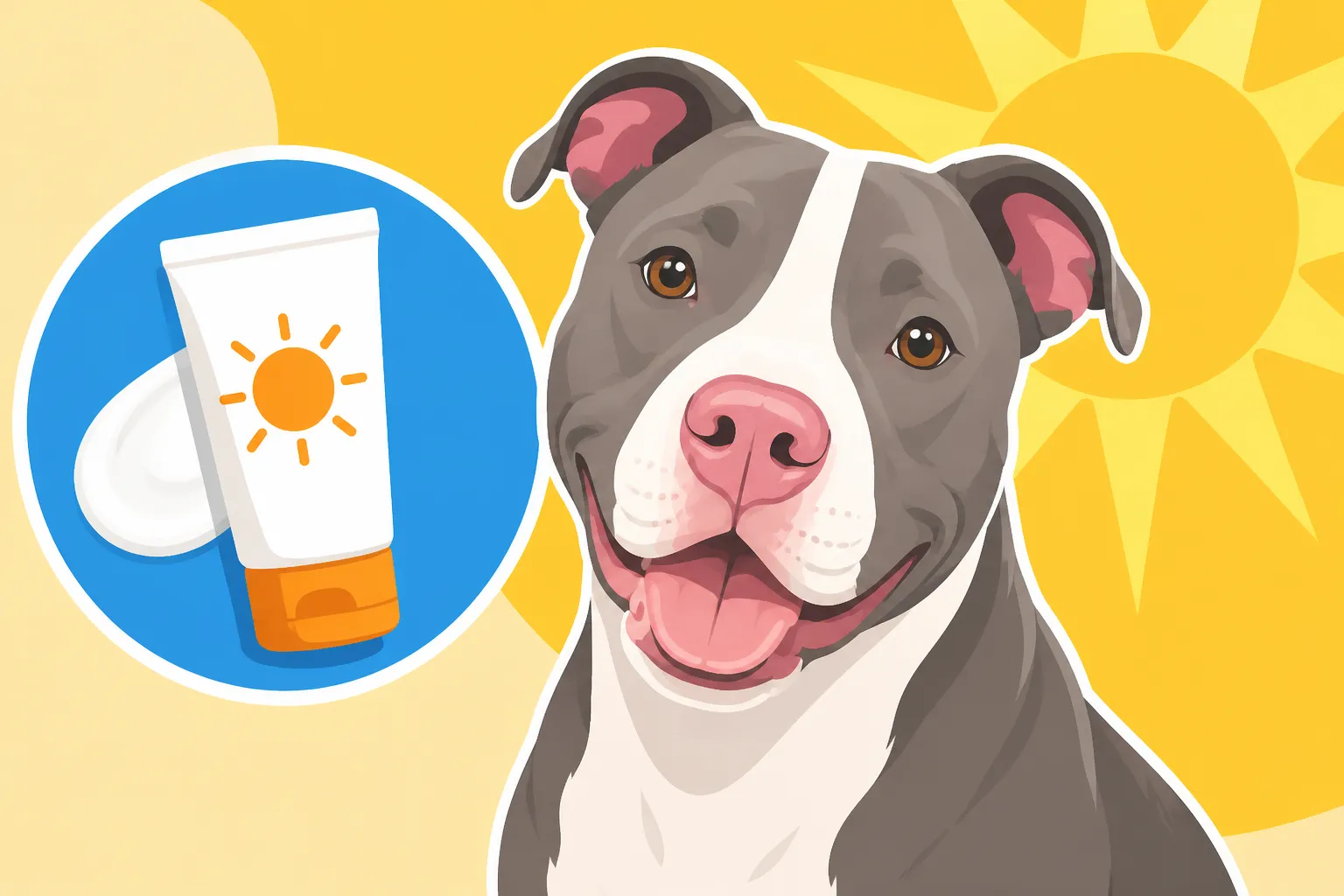
Oh, the pink nose! It’s absolutely adorable on our beloved Pit Bulls, giving them such a distinctive and sweet look. But let’s be honest, that beautiful pink pigment comes with its own set of challenges, especially when the sun is shining brightly. Many of us worry about our dogs getting too much sun, especially on those sensitive, unpigmented areas. This guide is all about understanding why your Pit Bull’s pink nose needs special protection from the sun, how to choose the right sunscreen, and how to make sun protection a stress-free part of your dog's routine to keep them healthy and happy for years to come.
Why a Pink Nose Needs Extra Protection from the Sun
You know that feeling when you forget to put sunscreen on your own nose and it gets a little too red? Well, imagine that for your Pit Bull, but with potentially more serious long-term consequences. That charming pink snout, while endearing, is far more vulnerable than its darker counterparts.
The Biology of Pigmentation and Vulnerability
The skin of a dog, much like our own, contains melanin, a pigment that helps protect against the sun's ultraviolet (UV) radiation. Dogs with dark noses, eyelids, and other skin areas have a higher concentration of melanin in these spots, providing a natural shield. Think of it as nature's built-in sunscreen.
However, a Pit Bull with a pink nose, or even areas of white fur around their muzzle or ears, simply lacks this melanin. This means there's no natural barrier to absorb or reflect those harmful UV rays. These areas are, quite literally, raw and exposed to the sun's powerful energy. It’s not just a cosmetic difference; it's a fundamental lack of protection that puts them at a much higher risk for sun-related problems. We often see similar vulnerabilities with dogs who have light-colored fur or sparse coats, but the nose is always the leading edge, facing the sun directly.
Risks of Sun Exposure to Unprotected Skin
Leaving a pink nose exposed to the sun isn't just about a temporary sunburn. While a red, tender nose is certainly uncomfortable for your Pit Bull, the risks run much deeper and can have lasting impacts on their health and quality of life. Understanding these dangers can help underscore just how vital diligent sun protection truly is.
First and foremost, just like in humans, prolonged sun exposure significantly increases the risk of skin cancer in dogs. Squamous cell carcinoma and hemangiosarcoma are two types of skin cancer that are more common in areas with little to no pigment, like a pink nose or ear tips. These cancers can be aggressive and may require extensive veterinary intervention, including surgery, radiation, or chemotherapy, which can be incredibly stressful and costly. Cancers That Show Up in an Older Pit Bull is a good read if you're concerned about general cancer risks.
Beyond cancer, repeated sunburns can lead to a condition called solar dermatitis. This chronic irritation can manifest as flaky, crusty, or thickened skin on the nose, often accompanied by hair loss (if there's any hair in the area) and a persistent discomfort that might lead your dog to rub or scratch at their face. This constant irritation can also make the area prone to secondary bacterial or yeast infections, turning a simple sunburn into a complex dermatological issue. You might notice your Pit Bull trying to rub their face on the carpet or furniture, which could be a sign of irritation. This kind of chronic skin problem often mirrors other allergic reactions, which are unfortunately common in Pit Bulls. If you notice persistent irritation, it might be worth exploring Pit Bull Skin Allergies and the Atopy Pattern.
The immediate discomfort of a sunburn should also not be underestimated. Imagine the stinging, itching, and tenderness of a severe sunburn on your own face. Your dog feels that too, and they can't simply apply aloe vera or avoid touching the area. This discomfort can affect their appetite, their willingness to play, and their overall demeanor. Preventing this pain is a key reason to be proactive.
Choosing the Right Sunscreen for Your Pit Bull
Now that we know why that pink nose needs protection, the next logical step is figuring out what to use. This isn't a "grab anything off the shelf" situation. Dogs can be sensitive to chemicals, and they have a habit of licking things, especially their noses. So, selecting the right product is absolutely paramount.
Key Ingredients to Look For in Dog Sunscreen
When you're sifting through options, whether online at Chewy or on Amazon, or at your local pet store, pay close attention to the active ingredients. The goal is effective protection without posing a risk if your Pit Bull inevitably licks some of it off.
Mineral-based sunscreens are generally considered the safest bet for dogs. Look for products that contain zinc oxide or titanium dioxide. These ingredients work by creating a physical barrier on the skin, deflecting UV rays. Think of them as tiny mirrors, bouncing the sun away.
- Titanium Dioxide: This is often the preferred choice because it's less likely to be absorbed by the skin or cause issues if ingested in small amounts. It's a very stable, gentle mineral filter.
- Zinc Oxide: While highly effective, zinc oxide can be toxic to dogs if ingested in larger quantities. This means if you choose a product with zinc oxide, you must ensure it's specifically formulated for dogs and apply it very sparingly to an area like the nose, supervising closely afterward to prevent licking until it's absorbed or dried. Many veterinary dermatologists recommend avoiding it on areas your dog can easily lick, or using it with extreme caution. The risk isn't from skin absorption, but from ingestion.
Some dog-specific sunscreens also incorporate natural oils known for their mild sun-protective qualities, such as coconut oil or shea butter. While these alone don't offer sufficient SPF, they can be moisturizing and provide a very low level of added protection when combined with mineral filters. However, always prioritize the mineral blockers for effective UV protection.
Ingredients to Absolutely Avoid
Just as important as knowing what to look for is knowing what to steer clear of. Many human sunscreens contain ingredients that are harmful to dogs.
- PABA (Para-aminobenzoic acid): This was a common ingredient in older human sunscreens and can be toxic to dogs if ingested. While less common now, always check.
- Oxybenzone and Octinoxate: These chemical UV filters are readily absorbed into the skin and can disrupt hormones. They are generally not recommended for dogs.
- Fragrances and Dyes: Many dogs have sensitive skin, and added fragrances or artificial dyes can cause irritation, itching, or allergic reactions. Given that Pit Bulls are already prone to skin sensitivities like Pit Bull Skin Fold and Belly Irritation, it's best to opt for fragrance-free and dye-free options.
- Essential Oils: While some essential oils are touted for various benefits, many are toxic to dogs, especially if ingested. It’s best to avoid sunscreens that heavily feature essential oils unless specifically formulated and approved by a vet for canine use.
Understanding Dog-Specific vs. Human Sunscreen
This is a critical distinction that can't be stressed enough: do not use human sunscreen on your Pit Bull without explicit veterinary guidance. The vast majority of human sunscreens are simply not safe for dogs.
Why? Primarily due to the ingredients. As mentioned, many human formulations contain chemicals that are harmless to us but can be toxic to dogs, either through skin absorption or, more commonly, through ingestion when they lick themselves. Dogs are meticulous groomers, and anything you apply to their skin, especially on their face, they are likely to consume. Human sunscreens often contain high levels of zinc oxide, salicylates, and other chemicals that can cause gastrointestinal upset, organ damage, or even zinc toxicosis in dogs. Even small amounts licked off repeatedly can add up.
Dog-specific sunscreens, on the other hand, are formulated with canine physiology in mind. They use non-toxic, pet-safe ingredients, typically mineral barriers like titanium dioxide, and are often made to be less appealing to lick or to be non-toxic if a small amount is ingested. Always look for products explicitly labeled "for dogs" or "pet safe" and, when in doubt, consult your veterinarian. They can offer specific recommendations based on your dog's individual needs.
Here's a quick comparison of common sunscreen characteristics:
| Feature | Human Sunscreen (General) | Dog Sunscreen (Pet-Specific) |
|---|---|---|
| Primary UV Filters | Chemical (Oxybenzone, Octinoxate) or Mineral (Zinc Oxide, Titanium Dioxide) | Mineral (Titanium Dioxide, Zinc Oxide with caution) |
| Ingestion Risk | High risk of toxicity from various chemicals (zinc oxide, PABA) | Formulated to be non-toxic if small amounts are ingested |
| Fragrances/Dyes | Often present, can irritate sensitive canine skin | Usually fragrance-free, dye-free to minimize irritation |
| Absorption Rate | Designed for human skin absorption rates | Designed for canine skin, less likely to cause issues |
| Recommended Use | Generally NOT recommended for dogs | Recommended for dogs on exposed, unpigmented areas |
| Application Areas | Any exposed human skin | Pink noses, ear tips, sparse bellies, white fur areas |
Application Techniques and Routine for Pink Noses
Once you've got the right sunscreen, the next hurdle is actually getting it onto your Pit Bull’s wiggling, curious nose. This is where patience, positive reinforcement, and making it a routine come into play. It's not just about slapping it on; it's about making it a comfortable, even pleasant, experience for your dog.
Getting Your Pit Bull Used to Sunscreen
Introducing anything new to your dog, especially on their face, needs a gentle approach. The goal is to create a positive association, not a wrestling match.
- Start with Short, Positive Sessions: Don't just spring the tube on them. Let your Pit Bull sniff the sunscreen tube or bottle. Offer a high-value treat while they investigate it. Repeat this a few times over a day or two without even opening it.
- Introduce the Scent and Texture: Put a tiny dab on your finger. Let them sniff it. If they tolerate it, briefly touch their nose with your finger (without sunscreen). Immediately follow with a treat and praise.
- The "Touch and Treat" Method: Once they're comfortable with your finger touching their nose, put a tiny dot of sunscreen on your finger and quickly dab it on their nose. Make it incredibly brief. As soon as you touch them, deliver a fantastic treat and lots of cheerful praise. This isn't about covering the whole nose yet; it's about building acceptance.
- Gradually Increase Application Time: Over several sessions, slowly increase the amount of sunscreen and the time you spend applying it. Always keep it positive, with treats flowing generously. If your Pit Bull starts to show signs of stress (pulling away, lip licking, yawning, stiffening), go back to the previous step where they were comfortable.
- Make it a Routine: Dogs thrive on routine. Try to apply sunscreen at the same time each day before you head out, perhaps right before their morning walk or after breakfast. They'll quickly learn that sunscreen means good things are about to happen, like playtime or a tasty reward. Using treats from their regular healthy diet, like those you might get from Ollie, can make this a beneficial part of their day.
How and Where to Apply Sunscreen
A pink nose isn't the only vulnerable spot, but it's certainly the most prominent. Think about all the areas that see direct sun exposure.
- The Nose: This is your primary target. Apply a small amount (think pea-sized for a typical Pit Bull nose) and gently rub it in until it's absorbed. Make sure to cover the top, sides, and even the edges where the nose meets the fur.
- Ear Tips: If your Pit Bull has lighter fur or thin skin on their ear tips, these are also highly susceptible to sunburn and skin cancer. Gently apply a small amount to the exposed skin, avoiding getting it into the ear canal. Pit Bull Ear Infections and What Drives Them covers general ear health, which is important to consider if your dog is sensitive in this area.
- Belly and Inner Thighs: For dogs that love to sunbathe on their backs, or those with sparse fur on their bellies and inner thighs, these areas can also burn. Don't forget these often-overlooked spots, especially if you have a dog with very light skin.
- Around the Eyes: Be incredibly careful here. The skin around the eyes is very delicate. If your dog has light pigmentation in this area, use an extra tiny dab and avoid getting any product into their eyes. If you're concerned, consult your vet for specific products or techniques for this sensitive spot.
- Reapplication is Key: Sunscreen isn't a "one and done" solution. Just like for humans, it wears off with activity, licking, and time. Reapply every 2-4 hours, especially if your Pit Bull is swimming, rolling in the grass, or spending extended time outdoors. If you're out on a long hike, remember that The Daily Exercise a Pit Bull Actually Needs means they'll be working up a sweat and potentially rubbing their face, necessitating more frequent reapplication.
Beyond Sunscreen: Holistic Sun Protection
Sunscreen is a fantastic tool, but it's part of a larger strategy for sun safety. Think of it as one layer of protection in your Pit Bull’s daily defense.
- Seek Shade: This is the most straightforward and effective method. During peak sun hours (typically 10 AM to 4 PM), keep your Pit Bull in the shade. If you're at the park, find a tree. In your backyard, use an umbrella or a shaded kennel. When you're driving, ensure they're not sitting in direct sunlight through a car window for extended periods.
- Adjust Outdoor Activity Times: Shift walks and outdoor play to earlier mornings or later evenings when the sun's intensity is lower. This is also crucial for preventing overheating, especially for a muscular Pit Bull. Heat Tolerance in a Short-Coated Pit Bull is essential reading for hot weather safety.
- Protective Clothing and Gear: Yes, doggie clothing can be functional! For light-skinned Pit Bulls, a lightweight, UV-protective dog shirt or vest can offer excellent coverage for their body. For the nose, there are specialized snoods or hats designed to shield the face, though getting a Pit Bull to tolerate these might require even more positive reinforcement training than sunscreen application. You can find these items on Chewy or Amazon.
- Indoor Enrichment: On super sunny days, keep your Pit Bull indoors during peak hours. Offer plenty of indoor games, puzzle toys, and training sessions to keep them mentally and physically stimulated. This reduces their overall sun exposure and keeps them comfortable.
- Regular Skin Checks: Make it a habit to regularly inspect your Pit Bull’s skin, especially the sensitive pink areas. This can be part of your Pit Bull Coat and Skin Care Week to Week routine. Look for any redness, irritation, peeling, scabs, or unusual lumps or bumps. Early detection of any issues is always best. Pay attention to their Pit Bull Paw Pad Injuries on Hard Ground too, as pads can also be sensitive.
Recognizing and Treating Sunburn on a Pit Bull's Nose
Even with the best intentions and diligent application, sometimes a sunburn can happen. Maybe you missed a spot, or they spent a little longer in the sun than anticipated. Knowing how to spot a sunburn and what steps to take is crucial for alleviating your Pit Bull's discomfort and preventing further complications.
Signs of Sunburn in Pit Bulls
Recognizing sunburn in your Pit Bull is quite similar to recognizing it in yourself, but you have to pay close attention as they can't tell you directly.
- Redness and Inflammation: The most obvious sign. The pink skin on their nose, ear tips, or any exposed area will appear visibly redder than usual, often inflamed or swollen. It might feel warm to the touch.
- Tenderness to Touch: Your Pit Bull might shy away when you try to touch their nose or face. They might vocalize softly or pull their head back if the area is painful.
- Licking or Rubbing: An attempt to soothe discomfort. Your Pit Bull might repeatedly lick their nose, rub their face against furniture, or paw at their ears if they are burned. This is similar to how they might behave with allergies, so it's important to consider the context of sun exposure.
- Flaking or Peeling Skin: As the sunburn heals, the skin might start to flake or peel, much like human skin after a burn.
- Blistering (Severe Cases): In more severe sunburns, small fluid-filled blisters might form on the skin. This is a sign of a significant burn and requires immediate veterinary attention.
- General Malaise: If the sunburn is extensive or severe, your Pit Bull might seem lethargic, have a reduced appetite, or generally act "off."
First Aid for Mild Sunburn
If you suspect a mild sunburn on your Pit Bull’s pink nose or other areas, there are a few things you can do at home to help soothe their discomfort.
- Get Out of the Sun: Immediately bring your Pit Bull indoors or into a heavily shaded area. Prevent any further sun exposure.
- Cool Compresses: Gently apply cool (not icy!) compresses to the affected area. A soft cloth dampened with cool water, or even a chilled (but not frozen solid) gel pack wrapped in a thin towel, can help reduce inflammation and pain. Apply for 5-10 minutes at a time, several times a day.
- Soothing Agents (Vet Approved): For very mild, non-blistered burns, your veterinarian might suggest a small amount of pure aloe vera gel (ensure it's pure, no additives, and that your dog won't lick it off immediately), or a topical soothing spray specifically designed for pets. Do NOT apply human lotions or creams without veterinary consultation, as many contain ingredients harmful to dogs.
- Prevent Licking: If you apply anything topically, you'll need to prevent your Pit Bull from licking it off. This might mean distracting them with a long-lasting chew toy or a puzzle feeder, or in some cases, using an Elizabethan collar (cone) for a short period.
- Monitor Closely: Keep a close eye on the burned area for any worsening, signs of infection (pus, increased redness, swelling), or blistering. Continue to monitor your Pit Bull's overall behavior and appetite.
When to See the Vet
While mild sunburns can often be managed at home, there are definite red flags that indicate a trip to the vet is necessary. Don't hesitate if you observe any of these signs:
- Blistering: Any sign of blisters on the burned skin means it's a second-degree burn or worse, and professional medical attention is needed. These can easily rupture and become infected.
- Severe Pain: If your Pit Bull is clearly in a lot of pain, continuously licking or rubbing the area, or becoming aggressive when you try to examine it, they need vet care for pain management.
- Signs of Infection: Increased redness, swelling, warmth, pus, foul odor, or fever are all indicators of a secondary infection setting in. Antibiotics might be required.
- Large Area Affected: If a significant portion of their body is sunburned, there's a higher risk of systemic issues like dehydration or shock.
- General Sickness: Lethargy, vomiting, diarrhea, loss of appetite, or any other signs of illness accompanying the sunburn warrant a vet visit.
- Persistent Redness or Skin Changes: Even if not severe, if the redness or irritation doesn't improve within a couple of days, or if you notice any unusual skin changes that don't resolve, it's best to have your vet examine the area. Chronic irritation can lead to more serious problems like the cancers discussed earlier. A vet check is also always a good idea if your Pit Bull develops any unusual lumps or bumps, as covered in Which Pit Bull Lumps Need a Needle.
Your Pit Bull's pink nose is a beautiful feature, but it's one that demands a little extra care and attention. By understanding the risks, choosing safe products, establishing a consistent routine, and knowing when to seek professional help, you can ensure your beloved companion stays comfortable, healthy, and protected from the sun's powerful rays, allowing you to enjoy countless adventures together.
Disclaimer
This article is for general informational purposes only and does not constitute professional advice. Laws, prices and regulations vary by location and change over time. Consult a qualified professional for guidance on your specific situation.