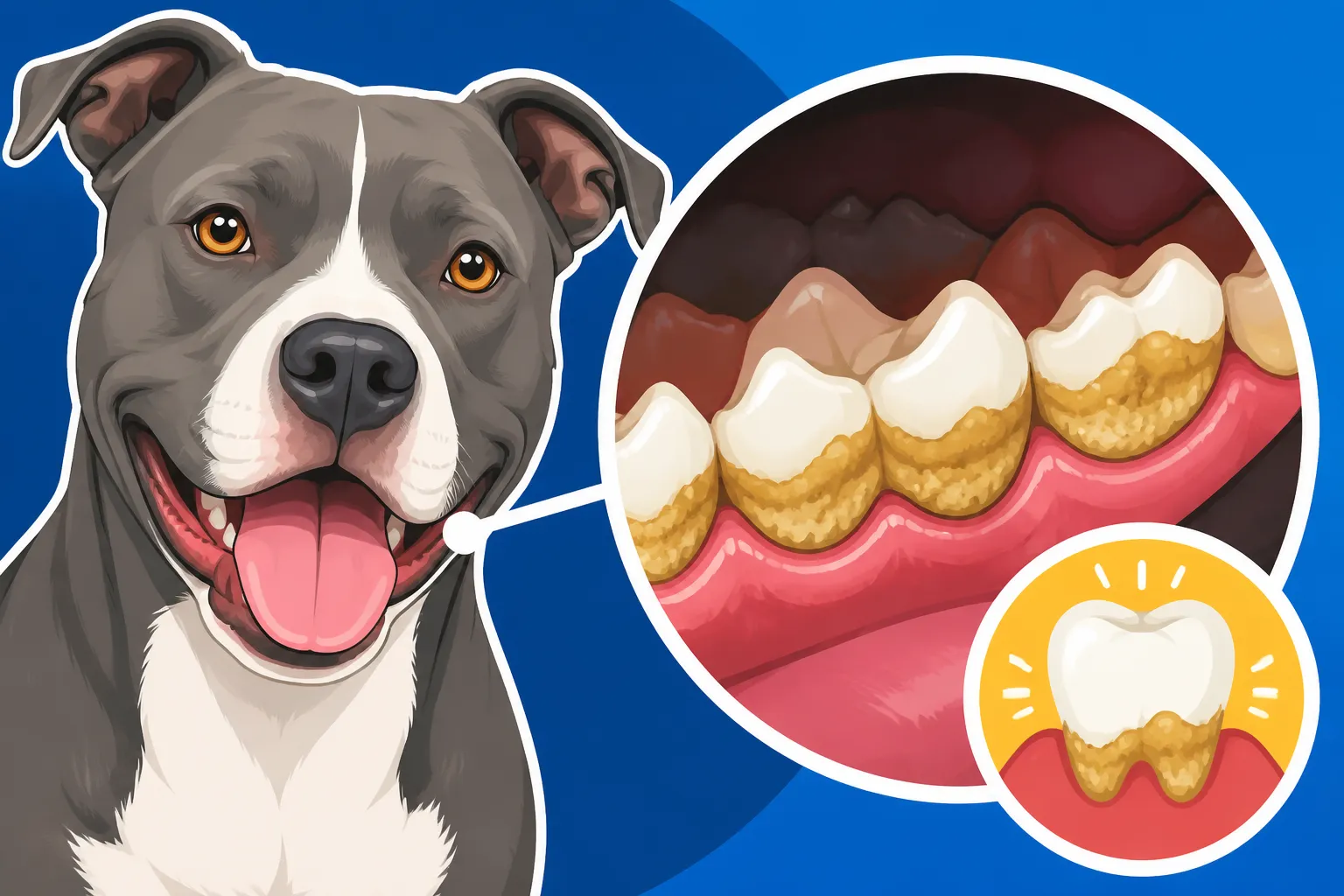
Tartar Building on Pit Bull Molars
It’s a scenario many Pit Bull owners face: you peek into your beloved dog’s mouth, maybe during a game of tug or while they’re yawning, and there it is – that unsightly yellow-brown crust clinging to their back molars. It’s frustrating because you try your best to keep them healthy, but dental issues often feel like a silent battle. This guide is here to walk you through everything you need to know about tartar buildup on your Pit Bull’s molars, from understanding why it happens to practical steps you can take to keep their pearly whites healthy.
Understanding Tartar Formation in Your Pit Bull's Mouth
That hard, rocky substance you see on your Pit Bull's teeth isn't just "doggy plaque." It's tartar, and it's a major player in canine dental disease. It starts subtly, a quiet buildup that many owners miss until it's quite advanced. But understanding how it forms, particularly in a strong-jawed breed like a Pit Bull, is the first step toward effective prevention and management.
The Silent Start: Plaque and Biofilm
Every time your Pit Bull eats, tiny food particles and bacteria combine to form a sticky, colorless film called plaque. Think of it like the film you feel on your own teeth before you brush. This plaque forms all over the teeth, but it's particularly stubborn around the gum line and on those large, grinding molars at the back of the mouth. If this plaque isn't removed regularly – ideally within 24-48 hours – it starts to harden. Minerals in your dog's saliva, like calcium, bond with the plaque, turning it into the concrete-like substance we call tartar, or dental calculus.
This process is continuous. Once tartar has formed, it's rough and porous, creating an even better surface for more plaque and bacteria to adhere to. It's a vicious cycle. The problem isn't just cosmetic; this bacterial haven constantly irritates the gums, leading to inflammation (gingivitis). If left unchecked, gingivitis can progress to more serious periodontal disease, causing pain, infection, tooth loss, and even systemic health problems as bacteria enter the bloodstream. It's truly a silent threat because dogs are incredibly stoic about oral pain. They'll often continue to eat, play, and live their lives with significant dental discomfort, making it easy for us to miss.
Why Pit Bull Molars Are Prone to Buildup
Pit Bulls, with their powerful jaws and broad mouths, often have teeth that are packed a bit more closely together, especially those molars at the back. This can create more nooks and crannies where food debris and bacteria can hide, making it harder for natural chewing action or even home brushing to reach every surface. Their strong chewing habits, while seemingly beneficial for dental health, can sometimes be a double-edged sword. While some appropriate Chews That Do Not Crack Pit Bull Teeth can help scrape away plaque, overly hard chews can actually cause more harm than good by fracturing teeth.
Beyond their anatomy and chewing habits, genetics also play a role. Some individual Pit Bulls are simply more predisposed to tartar buildup due to differences in their saliva composition or immune response. Diet can also be a factor; sticky, soft, or highly processed foods can contribute to plaque formation more readily than a diet of kibble designed for dental health, or even fresh food options that are well-balanced. It’s not uncommon to see a Pit Bull with significant buildup on their molars even if they seem to chew on toys regularly, because the contact might not be sufficient to clean all the tricky spots, especially on the inner surfaces of those back teeth.
Recognizing the Early Warning Signs of Tartar
It’s easy to miss the early signs of tartar because our dogs are so good at hiding discomfort. But being vigilant can make a huge difference in catching problems before they escalate. One of the first things you might notice, even before visible tartar, is bad breath. If your Pit Bull’s breath could knock a buzzard off a outhouse, it’s a big red flag. While "doggy breath" is a common phrase, genuinely foul breath is not normal and almost always indicates bacterial overgrowth in the mouth.
Beyond breath, take a moment to lift their lips regularly. Look for a yellowish or brownish discoloration, particularly on the outer surfaces of the upper molars. You might also notice a red line along the gum line where the tooth meets the gum – this is gingivitis. Swollen or bleeding gums, sensitivity when touching their mouth, reluctance to chew on hard toys they once loved, or even changes in eating habits (like chewing on one side of their mouth or dropping food) are all serious indicators that something is wrong. Don't wait for them to stop eating completely; by then, they're likely in considerable pain. Regular visual checks, even if brief, are crucial for staying ahead of the game.
Proactive Strategies to Combat Tartar at Home
Nobody wants their Pit Bull to endure painful dental issues, and thankfully, there's a lot we can do at home to keep those molars clear and healthy. It takes consistency and a bit of patience, but the effort pays off in terms of their comfort and overall well-being. Think of it as investing in their long-term health, just like you would with exercise or good nutrition.
The Power of Regular Toothbrushing
This is, hands down, the most effective home care method for preventing plaque from hardening into tartar. Just like with us, daily brushing is ideal, but even two or three times a week can make a significant difference. It might sound daunting, especially with a strong-willed Pit Bull, but it's totally achievable with patience and positive reinforcement. Start slow, letting them lick the dog-specific toothpaste off your finger (never use human toothpaste, as it contains xylitol and fluoride which are toxic to dogs). Gradually introduce a finger brush or a soft-bristled dog toothbrush.
Focus on the outer surfaces of the teeth, especially those molars, as these are where tartar tends to build up most. Lift their lip and gently brush in small circles. Keep sessions short and positive, always ending with praise and a favorite treat. The goal isn't perfection initially, but building a positive association. You'll be amazed at how quickly many dogs adapt once they realize it's a pleasant routine that comes with rewards. Consistency is key here. If you can get into A Weekly Toothbrushing Routine for a Pit Bull, you'll be giving your dog a massive advantage against dental disease.
Dental Chews and Appropriate Toys for Tartar Control
While brushing is king, dental chews and toys can be a fantastic supplementary tool. The mechanical action of chewing can help scrape away plaque before it hardens. However, it's crucial to choose wisely. Not all dental chews are created equal, and some can even be detrimental. Look for chews that are specifically VOHC (Veterinary Oral Health Council) approved, as these have been scientifically proven to reduce plaque and/or tartar. Brands like Greenies or OraVet chews are popular examples, and you can often find a good selection on platforms like Chewy or Amazon. Always supervise your Pit Bull with dental chews to ensure they chew safely and don't try to swallow large pieces whole.
When it comes to toys, the principle is similar: choose durable toys that encourage chewing without risking tooth fractures. Rubber toys, like those from Kong, or certain nylon chews can be effective. Avoid anything rock-hard, like antlers or real bones, as these are notorious for causing Pit Bull Broken Teeth From Hard Chewing, which can be incredibly painful and costly to fix. Interactive puzzle toys filled with dog-safe treats can also encourage healthy chewing and mental stimulation. The key is finding something that provides good friction against the tooth surface but is pliable enough not to damage enamel or teeth.
Dietary Considerations for Dental Health
What your Pit Bull eats can absolutely impact their dental health. While it's not a magic bullet, certain dietary choices can support healthy teeth and gums. Some premium kibbles are specifically formulated with a larger, more abrasive kibble shape designed to mechanically scrub the teeth as the dog chews. These often carry a "dental diet" label and can be a good option, particularly if your Pit Bull isn't keen on brushing. For those considering fresh food options, companies like Ollie offer pre-portioned, human-grade meals that, while not typically marketed for dental scrubbing, contribute to overall health which can include a robust immune system that fights oral bacteria.
However, the idea that simply feeding a raw diet or hard kibble alone will prevent all tartar is a myth. While it may help to some degree, it's generally not enough to fully prevent plaque and tartar buildup, especially on those hard-to-reach molars. Sticky, sugary, or highly processed treats can also contribute to plaque formation, so choose dental-friendly treats or offer fresh vegetables like carrots or apple slices (without seeds) in moderation. Ultimately, diet plays a supporting role; it works best in conjunction with regular brushing and appropriate dental chews. If your Pit Bull has Pit Bull Dental Disease and Hard Chewing, their diet might need specific adjustments, so always discuss this with your vet.
When Home Care Isn't Enough: Professional Dental Interventions
Despite our best efforts, sometimes tartar builds up to a point where home care just can't tackle it. This is where professional veterinary dental care becomes essential. It’s not just about aesthetics; it's about addressing pain, preventing serious health complications, and restoring your Pit Bull’s oral health. Don’t feel guilty if you reach this point; dental disease is incredibly common in dogs, and it's a testament to your care that you're seeking professional help.
The Veterinary Dental Cleaning Procedure
A professional dental cleaning for your Pit Bull is far more comprehensive than anything you can do at home. Because it involves sharp instruments and a thorough examination of every tooth, it must be performed under general anesthesia. This allows the veterinarian to safely scale away all the tartar, both above and below the gum line, where most of the damage occurs. They use specialized ultrasonic scalers, similar to what your own dentist uses, to remove that hardened buildup.
The procedure typically involves several steps:
- Pre-anesthetic Blood Work: To ensure your Pit Bull is healthy enough for anesthesia, especially if they are getting on in years or have underlying conditions. The Bloodwork an Old Pit Bull Should Have often includes a full panel to assess organ function.
- Anesthesia and Monitoring: Your dog will be intubated and carefully monitored throughout the procedure by trained veterinary staff.
- Scaling: Ultrasonic and hand scalers remove all visible and subgingival (below the gum line) tartar.
- Polishing: The teeth are polished to smooth out any microscopic scratches left by the scaling, which helps to slow down future plaque accumulation.
- Oral Examination and X-rays: This is perhaps the most critical part. Under anesthesia, the vet can thoroughly examine each tooth, probe the gum pockets for signs of periodontal disease, and take dental X-rays. These X-rays are vital because up to 60% of dental disease lies hidden below the gum line, unseen by the naked eye. They can reveal abscesses, bone loss, un-erupted teeth, or fractured roots that would otherwise go unnoticed.
- Extractions (if necessary): If severe disease or damaged teeth are found, extractions might be performed. The vet will discuss this with you beforehand.
The cost and recovery time will vary depending on the extent of the work needed, but investing in a Pit Bull Dental Cleaning Schedule is an investment in their overall health.
Addressing Advanced Tartar and Gum Disease
When tartar has progressed significantly, it’s rarely just a cosmetic issue. Advanced tartar means advanced gum disease, which can manifest as gingivitis (red, swollen gums), periodontitis (destruction of the tissues supporting the teeth, leading to bone loss and loose teeth), and even painful abscesses. If your Pit Bull's breath is truly awful, their gums are bleeding, or they are showing signs of oral pain like dropping food or rubbing their face, it’s past time for professional intervention.
The vet will assess the severity of the gum disease during the cleaning and through dental X-rays. If periodontitis is present, the treatment might involve deep cleaning, applying local antibiotics, or even surgical procedures to save certain teeth. In many cases, teeth that are too severely damaged or have lost too much bone support will need to be extracted. This might sound scary, but removing a diseased, painful tooth significantly improves your dog's quality of life. Dogs adapt incredibly well to missing teeth, especially molars, and are often much happier and more comfortable once the source of chronic pain and infection is gone. Addressing this advanced stage is critical because chronic oral infection can also impact distant organs, including the heart, kidneys, and liver.
Post-Procedure Care and Ongoing Maintenance
After a professional dental cleaning, your Pit Bull will likely be a bit groggy from the anesthesia, but should recover quickly. If extractions were performed, they might be on pain medication and antibiotics for a few days, and a soft food diet might be recommended to allow the extraction sites to heal. Companies like Chewy or Amazon can deliver prescription dental diets or soft food options directly to your door, making this recovery period a little easier.
Once your Pit Bull is fully recovered, the real work of ongoing maintenance begins. The goal is to prevent that tartar from building up again. This means re-committing to a consistent home dental care routine, primarily brushing their teeth regularly. Your vet might also recommend dental sealants, special water additives, or particular dental chews to help maintain their newly cleaned teeth. Remember, a professional cleaning isn't a cure-all; it's a reset button. Without diligent home care, tartar will inevitably return, often within a year or two. Regular check-ups with your vet will also help monitor their oral health and determine when another professional cleaning might be necessary. Your consistency is the single biggest factor in keeping your Pit Bull's smile bright and healthy for years to come.
Here's a quick overview of common dental issues and how they're addressed:
| Dental Issue | Appearance | Impact on Pit Bull | Common Treatments | Prevention at Home |
|---|---|---|---|---|
| Plaque | Sticky, colorless film | Precursor to tartar | Daily brushing | Daily brushing, dental chews |
| Tartar (Calculus) | Hard, yellow-brown deposits | Irritates gums, harbors bacteria | Professional dental scaling, polishing | Regular brushing, VOHC-approved dental chews |
| Gingivitis | Red, swollen, sometimes bleeding gums | Gum inflammation, can progress | Professional cleaning, improved home care | Daily brushing, good diet |
| Periodontitis | Gum recession, bone loss, loose teeth | Severe gum disease, painful, tooth loss | Deep cleaning, extractions, advanced dental surgery | Consistent home care, regular vet check-ups |
| Fractured Teeth | Chipped, cracked, or broken teeth, especially molars | Painful, risk of infection | Root canal, crown, or extraction | Avoid hard chews (antlers, bones, ice), supervise chewing |
| Oral Lesions/Masses | Lumps, bumps, discolored areas in mouth | Can be benign or malignant (cancerous) | Biopsy, surgical removal | Regular oral inspections, vet check-ups |
Investing in your Pit Bull's dental health is truly one of the best things you can do for their comfort and longevity.
Disclaimer
This article is for general informational purposes only and does not constitute professional advice. Laws, prices and regulations vary by location and change over time. Consult a qualified professional for guidance on your specific situation.