A Pit Bull Rolling in Grass After Every Walk
It's a scene many Pit Bull owners know all too well: you've just finished a wonderful walk, your dog has done their business, stretched their legs, and you're almost back to the door, only for them to suddenly throw themselves onto the nearest patch of grass and roll with an intensity usually reserved for a fresh bone. While it might look like pure joy, or perhaps a deliberate attempt to undo all your hard work keeping them clean, this seemingly innocent behavior can sometimes signal deeper issues. This guide will delve into the various reasons why your Pit Bull might be rolling in the grass after every walk, from simple canine instincts to underlying health concerns, and offer practical steps to understand and manage this common habit.
Decoding Your Pit Bull's Rolling Behavior
When your Pit Bull hits the ground and starts rolling, it’s not always just about getting dirty. There's often a complex mix of instinct, comfort, and sometimes, a call for help hidden within that energetic roll. Understanding the nuances of this behavior is the first step toward addressing it effectively.
The Joyful Post-Walk Ritual
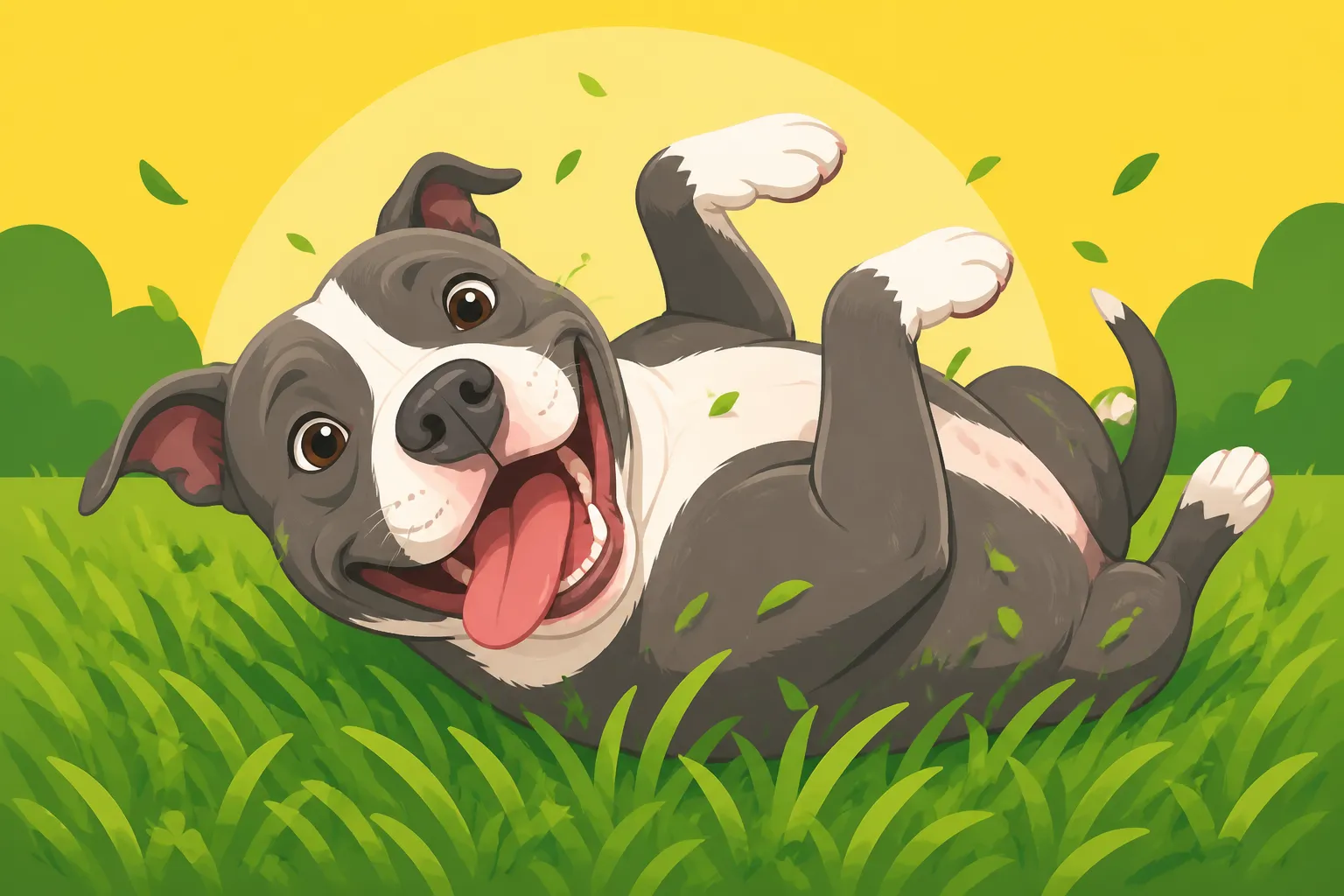
For many dogs, rolling in grass is simply a pure expression of happiness and contentment after a stimulating walk. Think of it as their way of decompressing and savoring the moment. Dogs experience the world through their noses and bodies, and a good roll can be deeply satisfying. They might be trying to spread their scent, marking the area as "theirs" in a subtle, natural way, or perhaps picking up interesting new smells to carry home. It's a primal instinct, a form of self-expression, and often, a clear sign that they had a fantastic time on their outing. This kind of rolling is usually accompanied by relaxed body language, a wagging tail, and an overall sense of bliss. It’s part of their canine charm, a playful release of energy after a good bout of exercise.
Beyond simple joy, a good roll can also serve as a way for your Pit Bull to scratch an itch they can't reach with their paws. If you notice them rubbing their back, shoulders, or neck into the grass with particular vigor, it might just be a convenient, albeit messy, back scratcher. This could be a fleeting itch, or it could be something more persistent, leading us to our next point. Sometimes, it’s just the sheer tactile pleasure of feeling the cool, soft blades against their coat, especially if they’ve been walking on hot pavement or a harder surface. This sensory input can be incredibly soothing for a dog, much like a good stretch for us humans.
Seeking Relief from Itchiness or Irritation
While a joyful roll is common, for Pit Bulls, this behavior very often points to underlying skin discomfort. These dogs, with their short, sensitive coats, are particularly prone to a range of skin issues. If your Pit Bull is rolling vigorously, especially if they’re also licking paws, scratching at their ears, or rubbing their face, it’s a strong indicator they’re trying to alleviate an itch or irritation. This isn't just a casual rub; it’s an urgent attempt to find relief.
Common culprits for this kind of itch include environmental allergies, known as atopy, which can be triggered by pollen, molds, and dust mites. Imagine walking through a field of allergens, and then trying to rub off the discomfort – that's what your Pit Bull might be doing. This type of rolling is often more frantic, focused on specific areas, and might leave you feeling frustrated, knowing your dog isn't truly comfortable. It’s a tell-tale sign that their skin barrier might be compromised or reacting to something they've encountered. You might also notice their skin looking a little red, bumpy, or flaky in the areas they frequently rub. This kind of persistent discomfort is what often drives these dedicated grass-rolling sessions, far beyond mere post-walk contentment. Understanding the nuances of their body language during these rolls can help differentiate between playful contentment and genuine distress.
Environmental Triggers and Contact Allergies
The environment your Pit Bull walks through is full of potential irritants, especially for a breed known for its sensitive skin. What might seem like an ordinary patch of grass to us can be a minefield of allergens and chemicals for them.
Common Outdoor Allergens
One of the most frequent reasons a Pit Bull might be rolling in the grass is a reaction to common outdoor allergens. Just like people can get hay fever, dogs can develop Pit Bull Skin Allergies and the Atopy Pattern, often manifesting as itchiness. Pollen from trees, grasses, and weeds are huge culprits. As your Pit Bull walks through these environments, pollen grains can settle on their short coat, particularly on their belly, chest, and paws – exactly the areas that come into direct contact with the ground. When they get home, the itch begins, and rolling becomes their immediate, albeit temporary, solution for relief.
It’s not just pollen, either. Mold spores, which are prevalent in damp leaves and shaded grassy areas, can also be significant allergens. The act of rolling effectively pushes these irritants deeper into their coat and onto their skin, exacerbating the problem. If you notice your Pit Bull rolling more during certain seasons, or after walks in specific types of vegetation, environmental allergies are a very strong suspect. This kind of allergic response can make walks, which should be enjoyable, turn into a source of constant discomfort for your dog, and a headache for you. This is where simple post-walk care, which we'll discuss later, becomes crucial.
Residual Irritants from the Walk
Beyond natural allergens, the places we walk our dogs often contain a host of man-made irritants. Think about sidewalks treated with de-icing salts in winter, or lawns sprayed with pesticides and fertilizers in spring and summer. These chemicals, even if present in small amounts, can cause contact dermatitis on a Pit Bull's sensitive skin. When your dog walks through these areas, the residues cling to their paws and underbelly. Once they settle down to roll, these irritants are pressed directly against their skin, causing an unpleasant sensation that they try to rub away.
Furthermore, dogs are drawn to interesting scents. Other animals' urine, feces, or even just their scent markings can be incredibly intriguing. While not always an irritant in the allergic sense, rolling in these spots can be a way for your Pit Bull to "perfume" themselves with exciting new smells, or perhaps to try and mask their own scent. It's an instinctive behavior, a remnant from their wild ancestors who might have rolled in carrion to camouflage their own smell from prey. This scent-marking or scent-masking behavior might not cause physical irritation, but it definitely results in a dirty dog. Therefore, what seems like a simple, dirty habit can often be traced back to what they encountered during their walk, be it chemical residues or fascinating odorous trails. Implementing a routine of Rinsing Pollen Off a Pit Bull After Walks can help mitigate some of these external exposures.
Internal Health Issues Contributing to Rolling
Sometimes, the root cause of excessive grass rolling isn't just what's on the grass, but what's going on inside your Pit Bull's body. Internal health issues, though less direct, can manifest as skin irritation and lead to the same frantic rolling behavior.
Food Allergies and Their Skin Manifestations
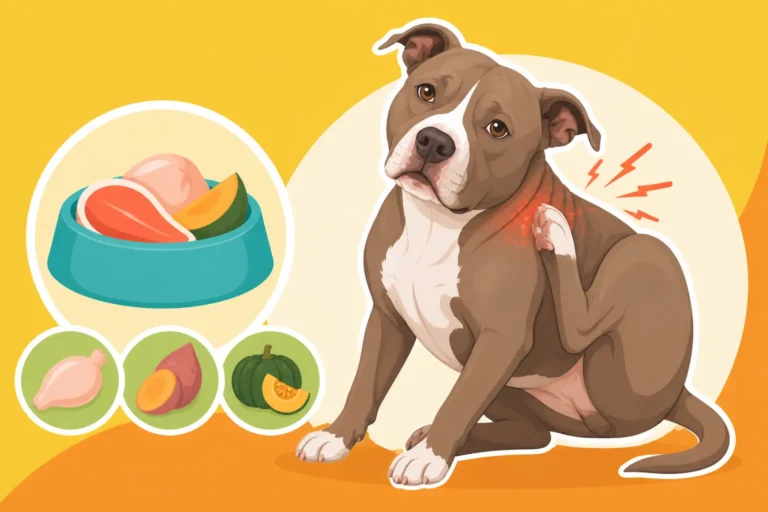
It might seem counterintuitive, but what your Pit Bull eats can significantly impact the health and comfort of their skin. Food allergies in dogs don't always present as digestive upset; very often, they show up as chronic skin issues, including generalized itchiness. If your Pit Bull is reacting to an ingredient in their kibble, like a specific protein source or grain, their entire body can become inflamed and itchy. This pervasive itch won't be relieved by just a quick scratch – it's deep-seated and persistent, driving them to seek relief through rubbing and rolling.
For a Pit Bull suffering from a food allergy, that patch of grass becomes a temporary, albeit ineffective, scratching post for their whole body. This can be particularly frustrating because the source of the problem isn't visible on their skin, yet the discomfort is very real. Identifying and eliminating food allergens requires a dedicated process, often involving a strict elimination diet under veterinary guidance. This might mean trying a novel protein or a hydrolyzed diet for several weeks to see if the skin symptoms improve. Products from brands like Ollie or specialized veterinary diets found on Chewy or Amazon can be part of this trial. Addressing Food Allergies Behind Pit Bull Itching can lead to a dramatic reduction in overall itchiness and, consequently, less frantic grass rolling.
Parasites and Other Skin Conditions
Even with regular preventive care, parasites can sometimes sneak past our defenses and cause significant irritation, leading to intense rolling. Fleas, for example, are tiny but mighty irritants. A single flea bite can trigger an allergic reaction in sensitive dogs, causing widespread itchiness that your Pit Bull will desperately try to rub away. Mites, such as those responsible for Demodex Mange in a Pit Bull or sarcoptic mange, can also cause severe skin irritation, leading to intense scratching, licking, and yes, rolling. These conditions might not always be immediately obvious to the naked eye, but the discomfort they cause is undeniable.
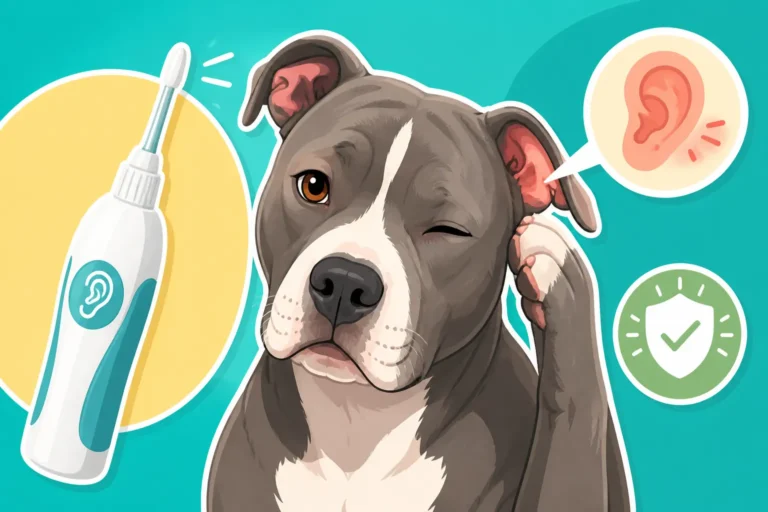
Beyond parasites, other skin conditions like yeast infections (often secondary to allergies) or bacterial pyoderma can make your Pit Bull's skin incredibly uncomfortable. If the skin is already inflamed, red, or broken, rolling in the grass can actually introduce more bacteria and make the situation worse, leading to a frustrating cycle of itching and infection. Regularly checking your Pit Bull's skin, especially in their armpits, groin, and between their toes, can help you catch these issues early. If you suspect any of these conditions, a trip to the vet for a proper diagnosis and treatment plan, which might include skin scrapes or medicated treatments, is essential. Understanding Pit Bull Ear Infections and Allergy Links can also offer clues, as ear issues often accompany broader skin problems.
Practical Solutions to Manage Grass Rolling
Once you've started to pinpoint why your Pit Bull is rolling in the grass, you can implement practical strategies to either curb the behavior or alleviate the underlying cause. It's often a multi-faceted approach, combining management with veterinary care.
Post-Walk Cleaning Routine
One of the most immediate and effective ways to reduce rolling, especially if environmental allergens or irritants are the cause, is to implement a consistent post-walk cleaning routine. This doesn't have to be an elaborate bath every time. A quick wipe-down with a damp cloth or specialized pet wipes can make a huge difference. Focus on their paws, legs, and belly – the areas that come into direct contact with the grass. This helps remove pollen, dust, and any chemical residues before they have a chance to settle and cause irritation.
For dogs with more severe sensitivities, a quick rinse of their lower body with plain water might be beneficial. You don't need shampoo for every rinse; simply washing off the irritants can provide immense relief. Keep a towel specifically for this purpose by the door. If you find your Pit Bull frequently licks or chews their paws after walks, a targeted wipe of their feet can be particularly helpful. You can find excellent pet-specific wipes on platforms like Chewy or Amazon, making this routine simple and quick. This small step can prevent a lot of discomfort and keep your Pit Bull from feeling the need to roll. For more detailed advice, check out Wiping Pit Bull Paws After Grass.
Targeted Allergy Management
If your Pit Bull's rolling behavior is consistently linked to itchiness, it's crucial to consult your veterinarian to explore targeted allergy management. This is especially true given how common skin allergies are in the breed. Your vet can help determine if it's environmental atopy, food allergies, or another skin condition. They might recommend Pit Bull Skin Allergy Testing to identify specific triggers, or suggest a controlled food trial if a dietary component is suspected.
Treatment options can vary widely. For environmental allergies, your vet might prescribe medications like antihistamines, corticosteroids, or newer immunomodulatory drugs. Medicated shampoos can also play a vital role in soothing irritated skin and removing allergens. Consistency is key with medicated baths; follow your vet’s instructions regarding frequency and contact time to get the most benefit. If food allergies are diagnosed, transitioning to a specialized diet with novel proteins or limited ingredients is crucial. Brands like Ollie offer fresh, limited-ingredient options that might be suitable, or your vet might recommend specific prescription diets available through Chewy. For severe cases, immunotherapy (allergy shots) might be an option, helping your Pit Bull build tolerance to their specific environmental allergens over time. This long-term approach can significantly improve their quality of life. Consider reading Eight Weeks of Nothing Else for an Itchy Pit Bull for more insight into dietary changes.
Environmental Controls and Gear
Sometimes, managing the environment or using specific gear can help mitigate grass rolling. If you know certain areas are heavily treated with pesticides or have particularly high pollen counts, try to adjust your walking routes. Opt for paved paths or areas with less vegetation if possible, especially during peak allergy seasons.
Dog booties, while sometimes met with canine skepticism, can be incredibly effective if your Pit Bull's paw pads are sensitive to ground irritants or if they are prone to paw licking and chewing. Booties provide a protective barrier against chemicals, hot pavement, or sharp debris. Similarly, a lightweight, breathable coat or vest could offer some protection for their belly and chest if contact with grass triggers severe reactions, although this is less common.
Table: Common Causes of Grass Rolling and Solutions
| Cause | Signs to Look For | Immediate Action | Long-Term Solution |
|---|---|---|---|
| Joy/Contentment | Relaxed body, wagging tail, general bliss | Allow brief roll, then gentle clean | None, this is natural positive behavior |
| Environmental Allergies (Atopy) | Seasonal, accompanied by paw licking, scratching ears, face rubbing | Wipe down thoroughly after walks, especially belly/paws | Vet consultation for allergy testing, medications (e.g., Apoquel, Cytopoint), medicated baths, immunotherapy |
| Contact Irritants (Chemicals) | Rolling after walking on treated lawns, redness on belly/paws | Rinse or wipe thoroughly with water/pet wipes | Avoid treated areas, consider booties, consistent post-walk cleaning |
| Food Allergies | Year-round itch, often accompanied by ear infections, paw licking | Discuss with vet | Strict elimination diet, novel protein or hydrolyzed food trial, specialized veterinary diets (e.g., Ollie via Chewy) |
| Parasites (Fleas, Mites) | Visible fleas/flea dirt, intense scratching, skin lesions | Check for parasites, use appropriate preventive | Vet diagnosis, prescription antiparasitics, consistent year-round parasite control |
| General Skin Discomfort (Dryness) | Dull coat, flaky skin | Moisturizing shampoo, omega supplements | Balanced diet, hydration, regular grooming with appropriate products (e.g., from Amazon) |
Finally, consider the overall health and comfort of your Pit Bull. A well-nourished dog with a healthy skin barrier is less likely to react severely to environmental factors. Ensure they are on a high-quality diet. Many owners find success with premium kibble or fresh food services like Ollie, which often use fewer common allergens and provide balanced nutrition. Regular grooming, including gentle brushing, also helps distribute natural oils and removes loose hair and dander that can trap irritants. By taking a proactive approach, you can help your Pit Bull enjoy their walks without feeling the overwhelming urge to roll away their discomfort.
Disclaimer
This article is for general informational purposes only and does not constitute professional advice. Laws, prices and regulations vary by location and change over time. Consult a qualified professional for guidance on your specific situation.