Trimming Whiskers and Face Hair on a Pit Bull
It's completely understandable to want your Pit Bull to look its absolute best, with every hair perfectly in place. Maybe you've noticed a few stray hairs around their eyes or a bit of unevenness around their chin, and the thought crosses your mind: "Should I just trim that?" While tidying up certain areas can be beneficial, the face, especially your Pit Bull's whiskers, requires a very careful approach. This guide will walk you through why those facial hairs are so important and how to safely manage your Pit Bull's face grooming without causing them unnecessary distress or sensory impairment.
Understanding Your Pit Bull's Whiskers: More Than Just Looks
When we look at our Pit Bulls, their sturdy build and expressive faces are often what we notice first. Those stiff hairs protruding from their muzzle, above their eyes, and on their chin might just seem like part of their charm. However, these aren't just decorative hairs; they are highly specialized sensory organs, critical to how your Pit Bull interacts with and understands its environment.
The Science Behind Vibrissae: Why They're Essential Sensory Organs
Scientifically, what we call whiskers are known as vibrissae. Unlike the regular fur on your Pit Bull's body, vibrissae are deeply rooted in areas rich with nerves and blood vessels. At the base of each whisker follicle, there's a complex network of sensory nerves that transmit information directly to your dog's brain. Think of them as ultra-sensitive antennae, constantly gathering data from the world around them. Even the slightest touch or air movement on a whisker sends a signal, telling your Pit Bull about its surroundings. This system is far more advanced than just feeling a physical object; it's about detecting subtle changes in air currents, vibrations, and even humidity, which can indicate the presence of nearby objects or creatures.
For a Pit Bull, whose ancestors relied on keen senses for navigating varied terrain and interacting with their world, these vibrissae are an evolutionary marvel. They provide a crucial layer of sensory input that their eyes alone cannot. This is why you'll often see your Pit Bull using its face to investigate new smells or tight spaces; those whiskers are actively "reading" the environment, providing a detailed mental map.
How Whiskers Guide Your Pit Bull Through Their World
Imagine trying to navigate a dark room blindfolded. You'd likely extend your hands to feel your way, right? Your Pit Bull uses its whiskers in a very similar fashion. They act as spatial awareness tools, helping your dog determine the width of an opening, avoid bumping into objects in low light, or even gauge the distance to a piece of food in their bowl. When your Pit Bull pokes its head into a narrow gap, its whiskers fan out, touching the sides and feeding information back to its brain about how much space there is. This helps them decide if they can fit or if they need to adjust their approach.
Beyond simply avoiding collisions, whiskers play a role in communication and emotional expression. A Pit Bull's whiskers can flair or droop, subtly indicating their mood or level of alertness. They also aid in hunting, helping dogs detect prey movement even in dense undergrowth or at night. For dogs that are playing, their whiskers can help them keep track of other dogs' movements, especially during rough-and-tumble games where visual cues might be obscured. Essentially, they extend your Pit Bull's sense of touch into a highly refined, distant-sensing capability that is indispensable for their daily life and well-being.
The Potential Harms of Trimming Whiskers on a Pit Bull
Given their vital sensory role, trimming a Pit Bull's whiskers is generally strongly discouraged by veterinarians and animal behaviorists. Doing so is not merely a cosmetic choice; it can profoundly disorient and distress your dog. Think of it like a human suddenly losing their peripheral vision or the feeling in their fingertips – it would make navigating the world far more challenging and potentially anxiety-inducing.
When a Pit Bull's whiskers are trimmed, they lose an immediate and constant source of environmental information. This can lead to them bumping into furniture, misjudging distances, or becoming more hesitant and less confident, especially in unfamiliar or dimly lit surroundings. They might seem clumsier, less coordinated, or even more easily startled because their primary navigational tools have been compromised. This sensory deprivation can cause unnecessary stress and anxiety, potentially altering their behavior. It's a bit like taking away a crucial communication tool from someone who relies on it daily. Our Pit Bulls are magnificent creatures, and allowing them to retain all their natural sensory equipment ensures they can live their fullest, most comfortable lives.
When and How to Safely Trim Non-Whiskered Face Hair
While cutting whiskers is a big no-no, there are instances where managing other, non-sensory face hair on your Pit Bull might be necessary or beneficial. Pit Bulls generally have short, low-maintenance coats, but sometimes a few hairs can grow a bit longer or become bothersome around specific areas. The key is knowing what can be trimmed safely and what should be left completely alone.
Identifying What Can Be Trimmed: Areas Away From Whiskers
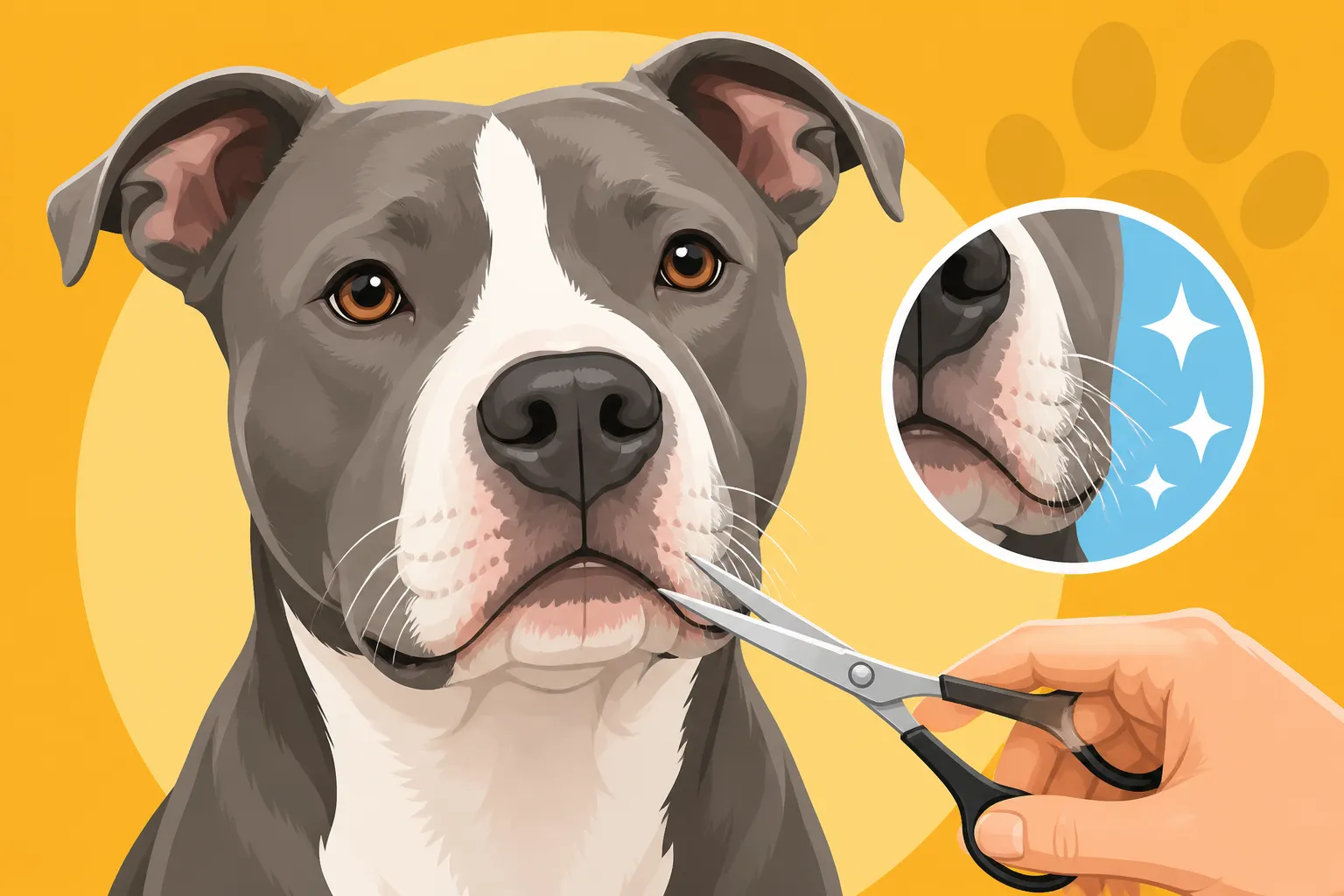
When considering any trimming on your Pit Bull's face, the golden rule is to always stay far, far away from the whiskers. These include the long, stiff hairs on their muzzle, above their eyes (sometimes called eyebrow whiskers), and on their chin. These are distinct from the finer, softer fur that makes up the rest of their coat.
Areas where minor trimming might be considered for hygiene or neatness include:
- Around the eyes: Sometimes, very fine hairs might grow into the eye, causing irritation or interfering with vision. This is a delicate area and requires extreme caution. Only trim if absolutely necessary and only the specific hairs causing an issue, never the whiskers above the eye.
- Around the mouth/chin: While Pit Bulls typically have short fur here, some might develop slightly longer tufts that collect food or drool. Keeping this area clean is important, especially for dogs prone to skin irritation or those with Pit Bull Skin Fold and Belly Irritation. Trimming here is purely for hygiene and should be minimal.
- Small, stray hairs: If there are a few genuinely stray, non-whisker hairs that stick out awkwardly and make your dog look unkempt for a show or special occasion, these could potentially be tidied. However, always prioritize your dog's comfort and function over aesthetics.
Before attempting any trimming, carefully identify the whiskers. They are thicker, stiffer, and rooted deeper. If in doubt, don't trim. A quick chat with your vet or a professional groomer can help clarify what is safe to trim.
Step-by-Step Guide to Gentle Face Grooming Excluding Whiskers
If you've determined that a small, non-whisker area of your Pit Bull's face needs attention, here's how to approach it with safety and patience:
- Gather Your Tools and Set the Scene: Ensure you have sharp, blunt-nosed grooming scissors (the blunt tip is crucial for safety around eyes) or small, quiet clippers designed for pets. Have some high-value treats on hand. Choose a calm, well-lit environment where your Pit Bull feels comfortable. A non-slip mat can also help keep them steady.
- Ensure Your Dog is Relaxed: Never try to trim a stressed or wiggly Pit Bull. Start with a cuddle session, some gentle petting, or a short play session to get them relaxed. If your dog is anxious about face handling, you might need to spend several sessions just practicing gentle touches before even introducing tools. Refer to Making Face Handling a Positive Experience for Your Pit Bull for more tips.
- Positioning and Holding: Have your Pit Bull sit or lie down comfortably. If you have a helper, they can gently hold your dog, providing reassurance. If you're alone, use one arm to gently steady their head. Always use your non-dominant hand to shield sensitive areas or hold the hair you intend to cut. For example, if trimming around the eyes, place your fingers between the hair and the eye to prevent accidental pokes.
- The "Comb Before You Cut" Rule: Before cutting, use a fine-toothed comb to gently brush the hair you want to trim away from the surrounding fur. This helps you isolate the specific strands and ensures an even cut. It also helps to visually confirm that you're not accidentally catching a whisker.
- Trim Small Amounts, Slowly: When trimming with scissors, always point the blunt tips away from your dog's eyes and body. Make very small snips, cutting only a tiny amount at a time. It's always better to take off too little than too much. For clippers, ensure they are clean, oiled, and cool. Use a very fine blade and go against the direction of hair growth in short, controlled passes. Always watch for any skin folds.
- Praise and Reward Extensively: Throughout the process, offer continuous verbal praise and periodically reward your Pit Bull with treats. Keep sessions extremely short, especially when starting out. If your dog shows any signs of stress, stop immediately and try again later. The goal is for them to associate face grooming with positive experiences.
- Clean Up: Once done, gently wipe your Pit Bull's face with a damp, soft cloth to remove any stray hairs that might irritate their eyes or nose.
Remember, less is always more when it comes to face trimming. If you're ever unsure or uncomfortable, a professional groomer is your best resource.
Tools of the Trade: Choosing the Right Gear for Pit Bull Face Care
Having the right tools is paramount for safe and effective face grooming for your Pit Bull. Using inappropriate or dull tools can lead to nicks, cuts, or unnecessary stress for your dog.
Here's a breakdown of essential tools:
| Tool | Purpose | Why It's Important for Pit Bulls | Where to Find It (Brands) |
|---|---|---|---|
| Blunt-Nosed Scissors | Trimming small, stray hairs around eyes, mouth, or chin. | The blunt tips drastically reduce the risk of accidental pokes or cuts in sensitive areas. | Available from grooming supply sections on Chewy or Amazon. Look for brands like Hertz, Safari. |
| Small, Quiet Clippers | Tidying small areas like the chin or around the muzzle for hygiene. | Less likely to accidentally cut skin than scissors; quiet operation reduces dog anxiety. | Wahl, Andis, or Oster often make small, precision clippers for paws/faces, found on Amazon or Chewy. |
| Fine-Toothed Comb | Separating and guiding hair before trimming; checking for mats. | Essential for isolating the specific hairs to be trimmed and avoiding whiskers. | Any pet supply store, Amazon, Chewy. Look for metal combs for durability. |
| Soft Damp Cloth/Wipes | Cleaning face after grooming; daily hygiene for eyes and mouth. | Removes stray hairs, eye boogers, and drool, preventing skin irritation. | Pet-specific wipes (fragrance-free) or just warm water and a microfiber cloth. |
| High-Value Treats | Rewarding good behavior during grooming sessions. | Creates positive associations, making future grooming much easier. | Ollie treats (portion out small pieces), Zuke's, freeze-dried liver, or your Pit Bull's favorite. |
When purchasing tools, look for quality. Sharp, well-maintained tools make the job quicker, cleaner, and safer. Dull scissors can pull hair and cause pain, while cheap clippers can overheat or snag. You can find a wide range of reliable grooming supplies on online retailers like Chewy or Amazon, offering options to suit various budgets and needs. Always remember to clean and sanitize your tools after each use.
Incorporating Face Care into Your Pit Bull's Overall Grooming Routine
Grooming your Pit Bull's face shouldn't be an isolated, stressful event. Instead, it should be a natural and positive part of their overall care routine. By integrating face care into regular handling and health checks, you build trust and make the experience less intimidating for your dog.
Making Face Handling a Positive Experience for Your Pit Bull
Building a positive association with face handling is crucial, whether you're trimming or simply checking for health issues. Here's how to do it:
- Start Early and Gradually: Begin handling your Pit Bull's face, ears, and mouth gently from a young age. If you have an adult rescue, start with very short, positive sessions.
- Gentle Touch First: Without any tools, simply touch your dog's face, chin, and around their eyes. If they tolerate it, give a small, high-value treat immediately. Repeat this many times. The goal is to create a "touch = treat" connection. Brands like Ollie often provide delicious, easy-to-break-up treats perfect for positive reinforcement.
- Introduce Tools Slowly: Once they're comfortable with your hands, introduce the tools. Let them sniff the clippers (while off), show them the blunt-nosed scissors. Don't do anything with the tools yet, just let them see and smell. Treat heavily.
- Simulate and Practice: Turn the clippers on briefly (away from your dog's face) so they get used to the sound. Touch the back of the clippers (when off) to their face. Practice holding their chin or lifting an ear flap, mimicking the positions you'll need for actual grooming.
- Keep Sessions Short and Sweet: Always end on a positive note, even if you only managed a few seconds of handling. The aim is to build confidence and trust, not to complete the task in one go.
- Regularity is Key: Incorporate these positive face handling sessions into your daily routine. This isn't just for grooming; it also helps prepare them for vet visits or if they ever need medication applied to their face. Consistency builds confidence, and a confident Pit Bull is a calmer Pit Bull during any type of handling. Positive Reinforcement Training With a Pit Bull offers excellent strategies that apply directly to grooming.
Beyond Trimming: Essential Face and Ear Health Checks
Grooming time isn't just about looking neat; it's a prime opportunity to perform vital health checks that can catch potential issues early. For a Pit Bull, whose short coat means less to hide, these checks are even more straightforward and important.
- Eyes: Gently look at your Pit Bull's eyes. Are they clear and bright? Is there any excessive discharge, redness, or cloudiness? A small amount of clear discharge might be normal, but green or yellow discharge could indicate an infection. Notice if they are squinting or pawing at their eyes.
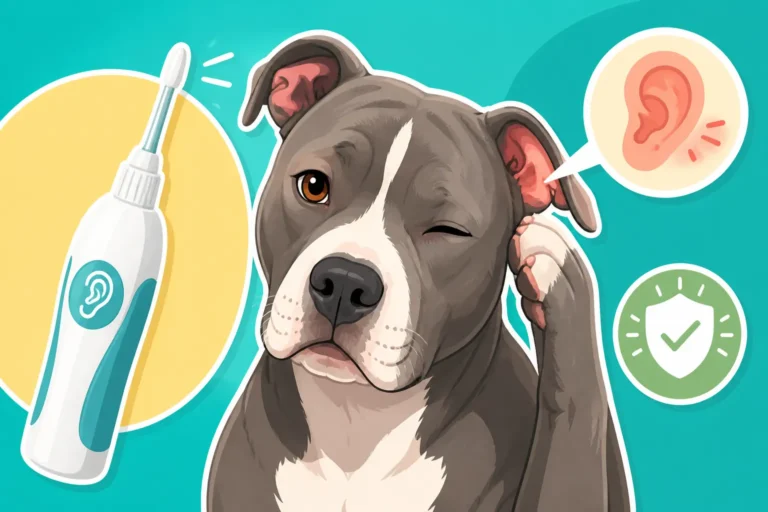
- Ears: Pit Bulls can be prone to ear issues, especially if they have allergies. Lift their ear flaps and look inside. The skin should be clean, pink, and free of excessive wax, redness, or odor. A strong, yeasty smell or dark discharge can signal an ear infection. Pay attention to any head shaking or ear scratching. Regular gentle cleaning is essential. For more detailed guidance, check out Pit Bull Ear Infections and What Drives Them and Cleaning a Pit Bull Ear Properly.
- Mouth and Gums: While you're at their face, a quick check of their mouth is a good habit. Lift their lips and look at their gums (they should be pink, not pale or inflamed) and teeth. Note any broken teeth, excessive tartar buildup, or bad breath. Regular dental care is crucial. Pit Bull Dental Cleaning Schedule provides further information.
- Skin Folds and Chin: Pit Bulls, especially those with looser skin or more prominent jowls, can sometimes develop irritation in skin folds on their chin or around their mouth where moisture can get trapped. Check for redness, bumps, or dampness. Gently clean these areas with a soft, damp cloth. Similarly, inspect the skin for any unexplained lumps, bumps, or rashes, which could indicate Pit Bull Skin Allergies and the Atopy Pattern or other dermatological concerns.
These routine checks, performed during calm grooming sessions, empower you to be proactive about your Pit Bull's health.
Seeking Professional Help for Challenging Pit Bull Grooming
Sometimes, despite your best efforts, certain grooming tasks can feel overwhelming or your Pit Bull might have specific needs that are beyond your comfort level. This is perfectly normal, and there's no shame in seeking professional help. In fact, a good professional groomer can be an invaluable partner in your Pit Bull's care.
- Expertise in Difficult Areas: If your Pit Bull is particularly sensitive about having its face handled, or if you're worried about trimming around delicate areas like the eyes, a professional groomer has the experience and specialized tools to do it safely and efficiently. They understand canine behavior and can often work with a dog more calmly than an owner who might be stressed.
- Identification of Skin Issues: Groomers are often the first to spot subtle skin conditions, lumps, or ear problems during a routine session. Their trained eyes can identify issues that might otherwise go unnoticed, prompting you to visit your vet.
- Building Positive Associations: A skilled groomer uses positive reinforcement techniques to make the grooming experience less stressful. They can help your Pit Bull build a more positive association with handling, which can carry over to your at-home routine.
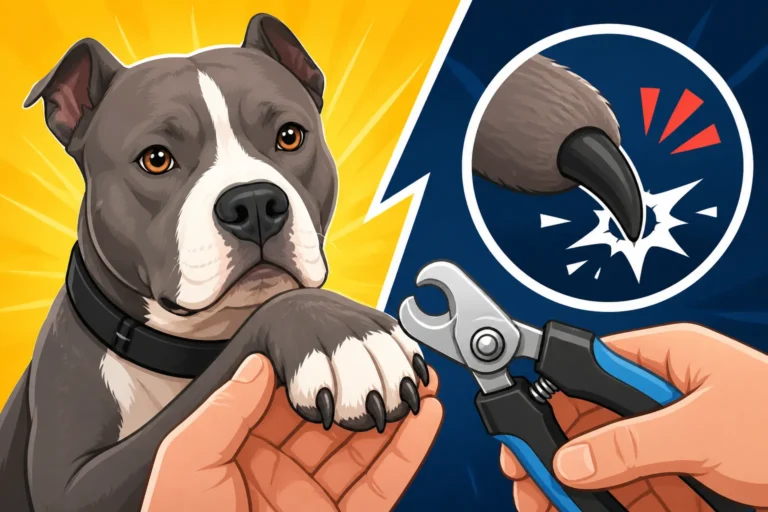
- Nail Trimming and Other Services: Beyond face care, professional groomers can handle nail trims (especially for those tough Pit Bull Nail Bed Infections or if your dog has thick, hard-to-trim nails), baths, and de-shedding treatments. While Pit Bulls are short-coated, they still shed, and professional bathing can help manage this.
When choosing a groomer, look for someone with experience with powerful, active breeds like Pit Bulls. Ask about their approach to handling sensitive or nervous dogs. A good groomer prioritizes your dog's safety and well-being above all else. They can provide advice tailored to your Pit Bull's specific coat and skin needs, becoming a valuable member of your dog's care team.
Addressing Common Misconceptions About Pit Bull Face Trimming
There are many myths and misunderstandings floating around about pet grooming, and face trimming for Pit Bulls is certainly one of them. Clearing up these misconceptions is vital for ensuring your beloved companion receives the best possible care.
Why "Just a Little Snip" Can Have Big Consequences
The phrase "just a little snip" often comes from a good place – a desire for neatness or to remove what appears to be an annoying hair. However, when it comes to a Pit Bull's whiskers, even a small snip can lead to significant issues. As we've discussed, whiskers are not like other hairs; they are sensory organs. Cutting even a few of them can be like partially deafening or blinding your dog in a subtle way that many owners don't immediately recognize.
The consequences aren't always dramatic bumps and bruises. Often, the effect is more subtle: a decrease in confidence, increased hesitation in navigating familiar spaces, or a heightened state of anxiety in low-light conditions. Your Pit Bull might become more prone to startling, or simply seem "off" without you being able to pinpoint why. It's a fundamental disruption of their natural sensory apparatus. Imagine trying to read Braille with numb fingertips; it's still possible to move your fingers over the bumps, but the critical information isn't being relayed to your brain effectively. For a Pit Bull, those whiskers provide a constant stream of information that allows them to move gracefully and confidently through their world. Taking that away, even partially, means they lose a vital connection to their surroundings, which is an unnecessary burden to place on them.
Pit Bulls vs. Other Breeds: Grooming Needs and Expectations
One common source of confusion regarding face trimming is the difference in grooming needs between breeds. Many terrier breeds, poodles, schnauzers, and other long or wiry-haired dogs require regular face trims to prevent hair from growing into their eyes, becoming matted with food, or simply for breed-standard aesthetics. These breeds often have hair that grows continuously and thickly around their muzzle and eyes, which genuinely can impede vision or hygiene if left untrimmed.
Pit Bulls, on the other hand, have a short, smooth, close-lying coat. Their facial hair, aside from their distinct whiskers, generally does not grow long enough to cause problems with vision or hygiene. This means that extensive facial trimming, beyond the occasional stray non-whisker hair as discussed, is simply not necessary for most Pit Bulls. Their whiskers are also more exposed and prominent compared to breeds with dense facial hair, making them more vulnerable to accidental trimming if an owner is unaware of their importance.
Therefore, applying the same grooming expectations or techniques used for a Poodle's elaborate facial trim to a Pit Bull would be a mistake. Their physiological structure and coat type mean their grooming needs are different, particularly when it comes to the face. The emphasis for Pit Bulls is typically on maintaining their clean, healthy skin, managing shedding, and ensuring their powerful nails are kept short, rather than intricate facial styling. Understanding these breed-specific differences helps ensure your Pit Bull gets the right kind of care without unnecessary or potentially harmful interventions.
Disclaimer
This article is for general informational purposes only and does not constitute professional advice. Laws, prices and regulations vary by location and change over time. Consult a qualified professional for guidance on your specific situation.