Grass Awns Between Pit Bull Toes
If you've ever had a Pit Bull who suddenly starts limping, relentlessly licking their paw, or even acting downright miserable after a romp in the park or a walk through tall grass, you might be dealing with one of nature's most insidious little troublemakers: grass awns. These tiny, barbed seeds can burrow deep into your dog's skin, especially between their strong, muscular toes, causing agonizing pain and serious infections. This guide is here to help you understand what grass awns are, how to spot them before they cause real trouble, and what steps you can take to protect your active Pit Bull.
What Exactly Are Grass Awns and Why Are They Such a Menace for Pit Bulls?
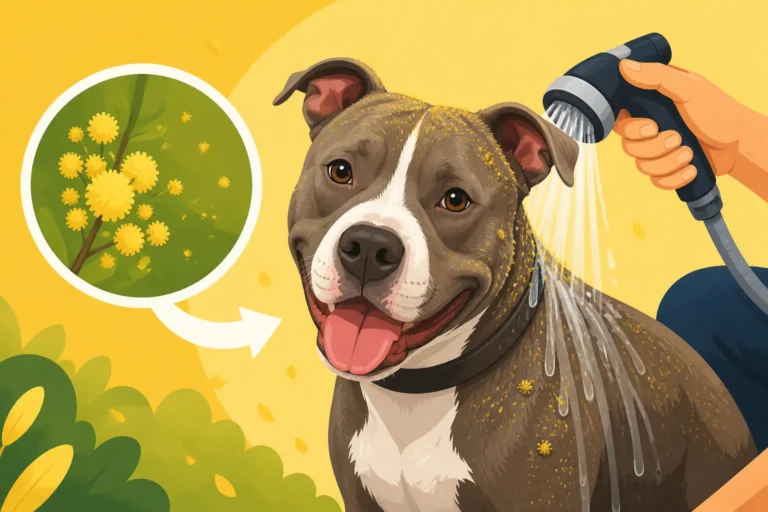
Grass awns, often called foxtails, burrs, or grass seeds, are the dried, barbed seed heads of certain types of grasses. They're designed by nature to hitch a ride on passing animals, burrowing into fur and skin to find a place to sprout. While this is great for the grass, it's a nightmare for our dogs, especially our robust Pit Bulls who love to run and explore.
The Anatomy of a Menace: How Grass Awns Work
Imagine a tiny, sharp arrow covered in microscopic barbs. That's essentially what a grass awn is. Once it catches onto fur, its design means it can only move in one direction: forward. Every movement your Pit Bull makes – walking, jumping, even just scratching – can drive the awn deeper into the skin. They don't just sit on the surface; they migrate. These awns can pierce the skin, travel under the surface, and sometimes even reach internal organs or body cavities, causing abscesses, serious infections, and in severe cases, life-threatening complications. Unlike a splinter that your body can often push out, these barbs actively resist being expelled.
The danger isn't just external. These tenacious little seeds can enter through various orifices. While we're focusing on paws, it's crucial to remember they can also get into ears, eyes, nostrils, and even be inhaled. Once inside, they cause irritation and infection, and because they don't break down easily, they require physical removal. It’s a frustrating reality for many dog owners, especially those who live near fields or areas with wild grasses.
Why Pit Bull Paws Are Especially Vulnerable
Pit Bulls, with their energetic nature and love for outdoor activities, are particularly susceptible to grass awn issues in their paws. Their powerful strides and tendency to bound through tall grass mean their paws are constantly interacting with these potentially harmful seeds. Even though their coats are short, the fur between their toes and paw pads can be quite dense, providing a perfect trap for these tiny invaders. Once caught, the awn can quickly work its way into the soft skin of the paw.
Furthermore, a Pit Bull's incredible pain tolerance, a trait sometimes admired for their resilience, can paradoxically be a disadvantage here. They might not show immediate, dramatic signs of discomfort even as an awn begins to burrow. They might just seem a little "off," perhaps favoring a paw slightly, which can be easily overlooked until the problem has become more entrenched or infected. Their eagerness to please and keep going can mask the subtle early warning signs, meaning by the time you notice something is definitely wrong, the awn might have already done significant damage. This makes regular, thorough paw checks absolutely non-negotiable for Pit Bull owners.
Spotting the Silent Invaders: Signs of Grass Awns in Your Pit Bull's Paws
Catching a grass awn early can make all the difference in preventing a minor irritation from escalating into a serious health crisis. It requires a keen eye and a routine check, especially if your Pit Bull spends time in areas where these grasses are prevalent. Don't underestimate the deceptively small nature of these seeds; their impact can be massive.
Visible Clues: What to Look For During a Paw Check
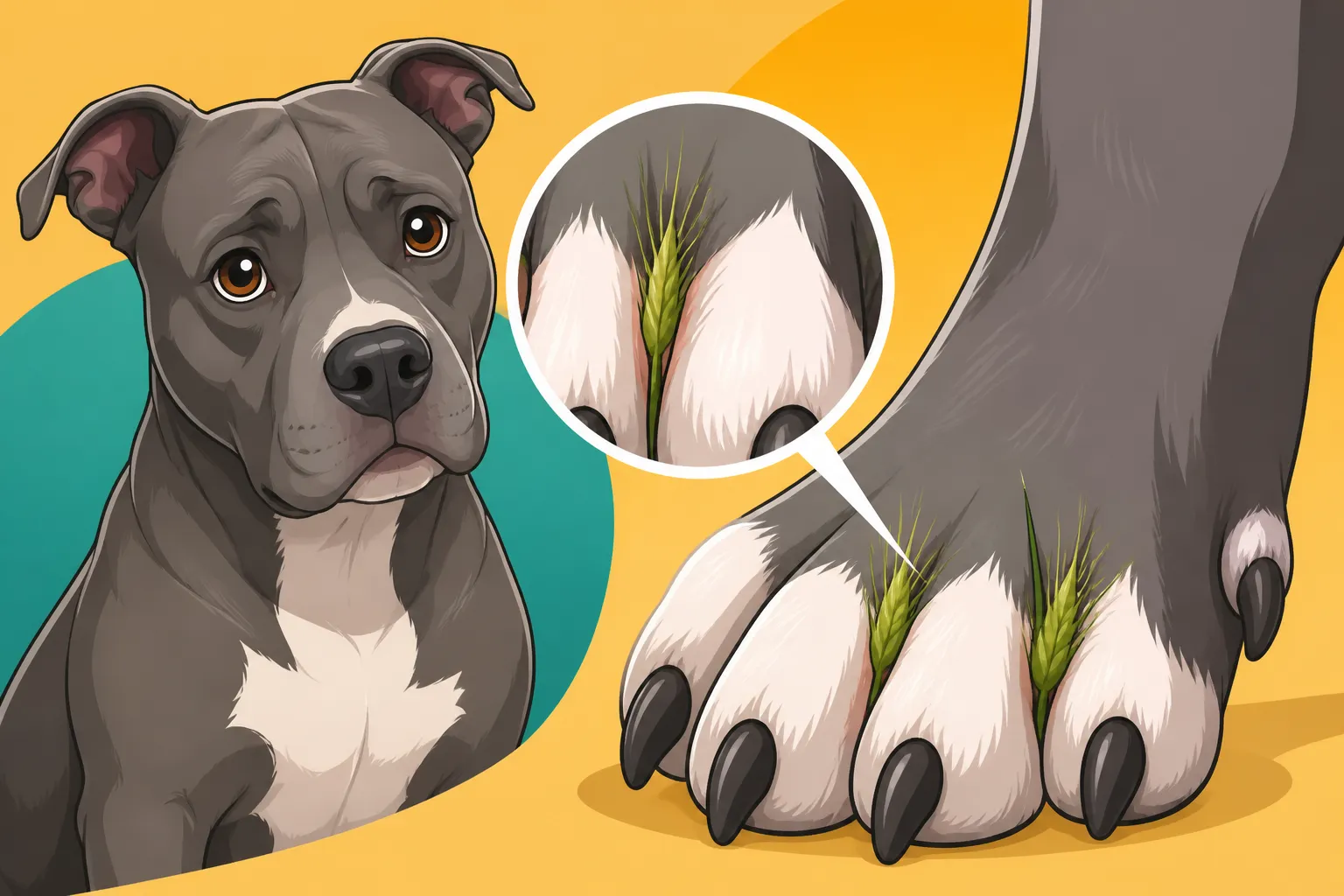
After every walk, especially if you've been in grassy or wild areas, make a habit of thoroughly inspecting your Pit Bull's paws. You're looking for anything unusual. Start by gently spreading their toes apart. Look for any red, swollen areas, small puncture wounds, or a tiny, dried piece of grass sticking out. Sometimes, you might see a small lump or a pimple-like lesion, which could be an early abscess forming around a migrating awn. The color of the skin between the pads might be inflamed, or there could be crusting or discharge.
Pay close attention to the webbing between the toes, as this is a prime entry point. Feel for any subtle bumps or areas that seem unusually warm to the touch. If your Pit Bull has lighter colored fur on their paws, you might even spot discoloration from inflammation or minor bleeding. Don't forget to check the paw pads themselves for any embedded seeds, though these are less common than between the toes where the skin is softer. Early detection during these checks is your best defense.
Behavioral Changes: When Your Pit Bull Tells You Something's Wrong
Beyond visible signs, your Pit Bull’s behavior will often be the first indicator that something is amiss. One of the most common signs is persistent licking and chewing of the paw. This isn't just casual grooming; it's often frantic, obsessive licking that your dog can't seem to stop. They might focus on one particular paw or even a specific spot on a paw. You might notice them limping or holding one paw up, reluctant to put weight on it. This can range from a very subtle favoring of a leg to a pronounced lameness. Pit Bull Paw Licking and Chewing is often an immediate red flag.
Other signs can include sudden sensitivity when you touch their paw, whining, or even growling if you try to examine the affected area – behavior that's unusual for your normally tolerant Pit Bull. They might become restless, unable to settle, constantly shifting their weight. In more advanced cases, a deep infection can cause lethargy, loss of appetite, and a general feeling of malaise. They might even develop a fever. If you see any of these behavioral changes, especially after outdoor activity, it’s time for an immediate, thorough paw inspection and potentially a vet visit.
Deep Dives: When Awns Travel Beyond the Toes
While paw awns are incredibly common, it’s important to remember that these sneaky seeds can travel. Sometimes, an awn that entered through the paw can migrate up the leg, causing swelling and discomfort higher up the limb. In very rare but serious cases, they can even move into the body cavity. This can lead to persistent coughing if inhaled, repeated sneezing if in the nose, or even an eye infection if lodged in the eyelid or conjunctiva. Pit Bull Ear Infections and What Drives Them can also be a result of awns burrowing into the ear canal.
The challenge with migrating awns is that the original entry point might have healed, leaving no obvious trace, while the problem continues to fester internally. If your Pit Bull presents with unexplained lameness, a persistent cough that isn't resolving, or recurrent infections that don't respond to typical treatment, and you live in an area with grass awns, it's crucial to inform your veterinarian. They might need to perform imaging or even exploratory surgery to locate and remove the foreign body. This underscores why early and diligent checking of the paws, ears, and overall coat is so vital.
First Aid and Follow-Up: What to Do When You Suspect Grass Awns
Finding a grass awn can be alarming, but knowing what steps to take can help manage the situation effectively and prevent serious complications. Quick action, coupled with appropriate veterinary care when necessary, is key to your Pit Bull's well-being.
Immediate Steps for Superficial Awns
If you spot a grass awn that is clearly visible and has not yet burrowed deep into the skin, you might be able to remove it yourself. This is most likely if you catch it immediately after a walk. Use a pair of clean tweezers (disinfect them first with rubbing alcohol) to grasp the awn firmly at its base and pull it straight out in the direction it entered. Make sure you get the entire seed head. After removal, clean the area thoroughly with an antiseptic solution designed for pets, such as a mild povidone-iodine or chlorhexidine wash. Keep a close eye on the spot for the next few days for any signs of swelling, redness, or discharge, which could indicate a secondary infection.
However, if the awn is already embedded, if there's any bleeding, significant swelling, or if your Pit Bull is in considerable pain, do not attempt to dig it out yourself. You risk pushing it deeper or leaving fragments behind, which can cause more harm. In these scenarios, it's always best to err on the side of caution and seek professional help. Emergency Signs That Cannot Wait in a Pit Bull can include severe pain, lethargy, or refusal to bear weight.
When to Seek Professional Veterinary Help
Any time you suspect a grass awn has embedded itself deeply, or if you see signs of infection like pus, significant swelling, or persistent lameness, it's time to call your vet. They have the tools and expertise to safely locate and remove the awn. This might involve sedating your Pit Bull to thoroughly probe the area, especially if the awn is hidden beneath the skin. They can also prescribe antibiotics to combat any secondary bacterial infections that have set in.
If an awn has migrated or caused a deep abscess, your vet might need to perform a minor surgical procedure to retrieve it. This can be more involved than a simple removal. Don't delay seeking care, as the longer an awn remains embedded, the greater the risk of serious infection, chronic pain, and more complicated treatment. Remember, your vet is your best ally in these situations. Regular check-ups are always important for catching subtle issues.
Proactive Prevention: Protecting Your Pit Bull's Paws
Prevention is always better than cure, especially with something as persistent as grass awns. The most effective way to prevent them is to avoid areas with tall, dry, seeding grasses, particularly during late spring, summer, and fall. If you can't avoid these areas, consider protective measures. Dog boots, available on sites like Chewy or Amazon, can be a game-changer. It might take some training to get your Pit Bull used to them, but they offer an excellent physical barrier. Whether a Pit Bull Should Wear Boots in Summer goes into more detail on this.
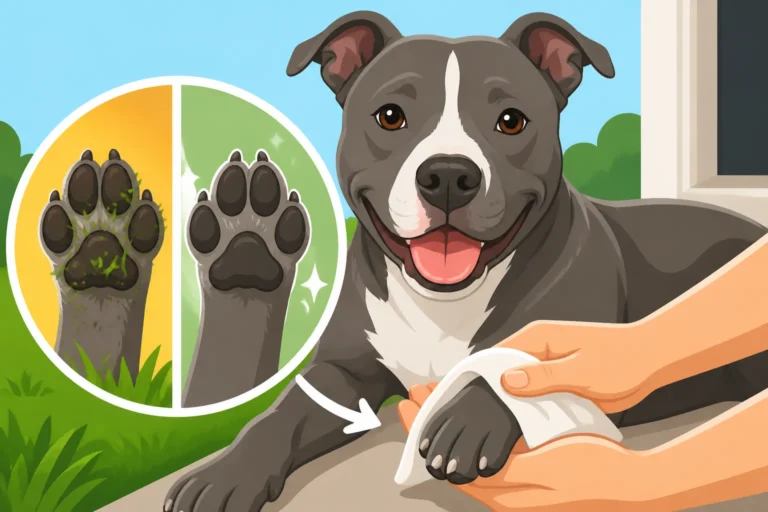
Another crucial preventative measure is regular grooming and inspection. After every walk, take a few minutes to brush your Pit Bull's coat, paying special attention to their paws, armpits, and ears. Use a fine-toothed comb to thoroughly check between their toes. You can also trim the fur between their paw pads to reduce the surface area where awns can cling. Keep the grass in your own yard mowed short. Consider using paw balms (also available on Amazon) to keep paw pads healthy, as healthy skin is generally more resilient to minor irritations, although it won't stop a determined awn.
Here’s a quick overview of what to do:
| Action | Description | When to Do It |
|---|---|---|
| Avoid Risky Areas | Steer clear of fields with tall, dry, seeding grasses. | During walks, especially late spring through fall. |
| Regular Paw Checks | Spread toes, inspect for redness, swelling, punctures, or visible awns. | After every walk, particularly in grassy areas. |
| Trim Paw Fur | Keep the fur between paw pads short to minimize awns catching. | Every few weeks, or as needed. |
| Consider Dog Boots | Use protective dog booties to create a physical barrier. | When walking in high-risk areas. |
| Gentle Removal | For superficial awns, use clean tweezers to pull straight out. | Immediately after discovery, if awn is not deeply embedded. |
| Clean Area | After removal, clean the affected spot with pet-safe antiseptic. | Immediately after awn removal. |
| Vet Visit | If awn is deeply embedded, causes pain, swelling, discharge, or if your dog is limping persistently. | As soon as symptoms are noted or if self-removal isn't possible/safe. |
Even with the best preventative care, sometimes an awn will find its way in. Don't beat yourself up about it; they are incredibly sneaky. Just be prepared to act quickly and wisely. Pit Bull Paw and Pad Care provides broader advice on maintaining healthy paws. By being diligent and informed, you can significantly reduce the risk and severity of grass awn problems for your beloved Pit Bull.
Disclaimer
This article is for general informational purposes only and does not constitute professional advice. Laws, prices and regulations vary by location and change over time. Consult a qualified professional for guidance on your specific situation.