Wiping Pit Bull Paws After Grass
It's such a common sight, isn't it? Your muscular Pit Bull, after a joyful romp through the local park or even just your backyard, comes trotting in, only to immediately start licking and gnawing at their paws. For many Pit Bull owners, this isn't just a minor annoyance; it’s often the first tell-tale sign of irritation, allergies, or a general discomfort that can quickly escalate. This guide is all about tackling that particular frustration head-on, showing you why wiping those paws after grass exposure is so crucial and how to do it effectively to keep your loyal companion happy and healthy.
Why Grass Can Be a Problem for Pit Bull Paws
You might think grass is just grass, right? A natural part of the outdoor world. But for a Pit Bull, especially one with a genetic predisposition to sensitive skin or allergies, grass can be a minefield of microscopic irritants. Understanding what lurks in that lush green carpet is the first step to protecting your pup.
Pollen and Other Environmental Allergens
Pollen is often the biggest culprit when it comes to itchy paws, especially during certain seasons. Just like us, dogs can suffer from environmental allergies, and their paws are a primary point of contact. As your Pit Bull bounds through a field or even just walks on your lawn, tiny pollen grains from grasses, trees, and weeds cling to their fur, especially the sensitive skin between their paw pads.
Once they come inside, those pollen particles transfer to your floors, furniture, and often, right into your dog's mouth as they lick their paws. This ingestion, combined with skin absorption, can trigger a full-blown allergic reaction. You'll see them chewing, licking, and sometimes even rubbing their face on the carpet in an attempt to alleviate the itch. It's a frustrating cycle, and for many Pit Bulls, this manifests as classic signs of Pit Bull Atopy and Seasonal Itching. The problem is that once the skin barrier is compromised from all the licking and chewing, it becomes much easier for secondary infections to take hold, turning a simple itch into a much more serious issue.
Irritants and Chemical Residues
Beyond natural allergens, the grass itself can harbor substances that are downright irritating or even harmful. Think about it: our lawns and public parks are often treated with a cocktail of chemicals. Pesticides, herbicides, and fertilizers are regularly applied, and while they might be "pet-safe" according to the label, they can still cause contact dermatitis in sensitive individuals. Imagine walking barefoot through a recently treated lawn – that tingly, itchy feeling is what your dog might be experiencing.
Then there are the mechanical irritants. Certain types of grass can be sharp or coarse, especially if they’re dry. Small burrs, thorns, or even tiny pieces of gravel or debris can get lodged between paw pads, causing discomfort or even minor cuts. If left unchecked, these minor abrasions can become entry points for bacteria, leading to pain and potential infection. It’s not just chemicals or sharp objects, though; even perfectly healthy grass can simply be too much for an overly sensitive Pit Bull if they’re prone to contact reactions.
Preventing Issues Before They Start
While wiping paws after the fact is essential, there are proactive steps you can take. If you know your Pit Bull is particularly sensitive to certain types of grass or pollen, try to adjust your walking routine. This might mean avoiding freshly cut fields during peak pollen season or opting for paved paths instead of grassy trails. Consider walking earlier in the morning or later in the evening when pollen counts tend to be lower.
Another option is temporary paw protection, like dog booties. While some dogs take to them easily, others find them quite a challenge to get used to. If your dog tolerates them, booties can provide an excellent barrier against both allergens and chemical residues. However, for many of us, getting a Pit Bull to happily wear boots for every potty break just isn't realistic. That's where diligent paw wiping really shines.
The Benefits of Wiping Pit Bull Paws
So, we know grass can be troublesome. Now, let's talk about the massive difference a simple paw wipe can make. It might seem like a small task, but its impact on your Pit Bull's comfort and overall health is significant.
Reducing Allergy Symptoms
The primary benefit of wiping your Pit Bull's paws after every outing, especially those involving grass, is the dramatic reduction in allergen exposure. By physically removing pollen, dust mites, mold spores, and other environmental triggers from their paws, you're directly preventing them from being licked off and ingested, or absorbed through the skin. This simple act can break the cycle of itching and self-trauma.
When those allergens are removed, your dog is less inclined to obsessively lick, chew, or scratch their paws. This means fewer opportunities for the skin barrier to be damaged, which in turn reduces the risk of secondary bacterial or yeast infections that often complicate environmental allergies. Think of it as a mini-shower for their feet. You'll notice a marked decrease in redness, swelling, and the tell-tale moistness that often accompanies persistent Pit Bull Paw Licking and Chewing. Consistently clean paws are happy paws, and a happy dog means a happier owner!
Preventing Irritation and Infection
Beyond allergies, wiping paws removes the mundane but still irritating stuff: dirt, mud, small pieces of debris, and those unwelcome chemical residues we discussed. This proactive cleaning helps maintain the integrity of your Pit Bull's paw pads and the delicate skin between their toes.
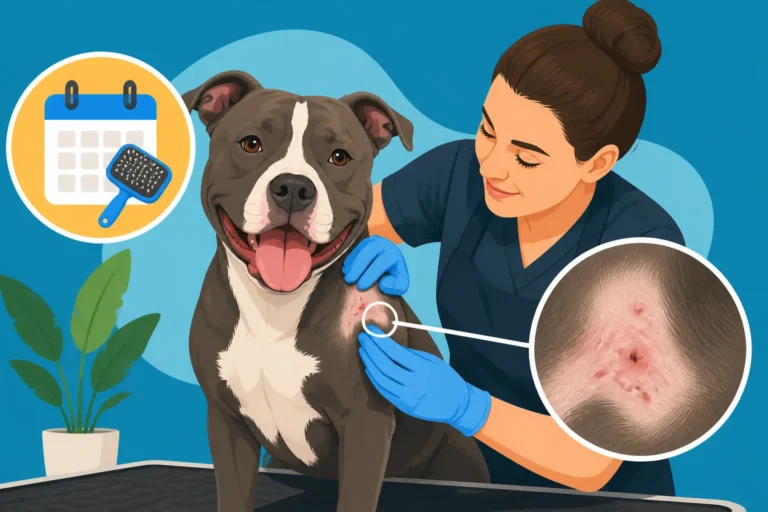
If dirt or chemicals are left on the skin, they can cause contact irritation, leading to discomfort and a strong urge to lick. Constant moisture from dirty paws can also create a breeding ground for yeast and bacteria, which love warm, damp environments. You might have experienced or heard of Pit Bull Hot Spots and Secondary Infection, and often, these start with an innocent itch on the paw that gets licked raw. Regular wiping helps keep the skin dry and clean, minimizing the chances for these opportunistic infections to take hold. It's a preventative measure that saves discomfort and potentially expensive vet visits down the line.
Maintaining Household Cleanliness
Let's be honest, this benefit is probably high on our list as owners! A Pit Bull coming in from a walk inevitably tracks the outdoors indoors. Whether it's mud, dust, pollen, or bits of leaves, it ends up on your floors, carpets, and furniture. If you’ve ever found tiny grass seeds embedded in your couch or a faint trail of muddy paw prints leading straight to your fresh laundry, you know exactly what I'm talking about.
By wiping their paws diligently, you're not just helping your dog; you're also significantly reducing the amount of grime and allergens brought into your living space. This is particularly important for households with children, other pets, or family members who suffer from allergies. A quick paw wipe can save you hours of vacuuming and dusting, keeping your home feeling fresher and cleaner, and letting you relax without constantly worrying about what your dog is tracking in.
How to Effectively Wipe Your Pit Bull's Paws
Now that we understand why it's so important, let's get down to the how. It's a simple routine, but doing it correctly makes all the difference for both effectiveness and your Pit Bull's cooperation.
Choosing the Right Wipes or Cleaning Solution
You have a few excellent options when it comes to cleaning your Pit Bull's paws:
- Commercial Pet Wipes: These are incredibly convenient. Brands like Earth Rated, Pogi's Pet Supplies, or various house brands found on Chewy or Amazon offer wipes specifically formulated for pets. Look for unscented, hypoallergenic options free of harsh chemicals, alcohol, or parabens. Many include soothing ingredients like aloe vera or oatmeal, which are great for sensitive skin. They're perfect for on-the-go or quick clean-ups by the door.
- Warm Water and a Cloth: Sometimes, the simplest solution is the best. A soft washcloth dampened with plain warm water is often all you need, especially if your dog's paws aren't heavily soiled or if you're trying to avoid introducing new ingredients to sensitive skin. This is particularly useful for removing pollen.
- Mild Soap Solution: For tougher grime or if your dog has been through something a bit muckier, you can use a very mild, pet-safe soap (like an oatmeal-based shampoo diluted in water) on a cloth. Ensure you rinse the paws thoroughly afterwards to remove all soap residue, as leaving soap behind can cause irritation.
- Medicated Wipes/Solutions: If your Pit Bull already has irritated or infected paws, your vet might recommend specific medicated wipes or foot soaks. These often contain antifungal or antibacterial ingredients to treat existing conditions while also cleaning. Always follow your vet's instructions for these specialized products.
Whatever you choose, make sure it’s something your Pit Bull tolerates. Some dogs dislike the smell or feel of certain products, so be prepared to experiment a little.
The Step-by-Step Wiping Process
Making paw wiping a positive and consistent experience is key. Here’s how to do it:
- Gather Your Supplies: Have your chosen wipes or damp cloth, and perhaps a small, high-value treat, ready before you call your dog over.
- Choose a Calm Spot: A designated "paw-wiping station" near the door works well. Make sure it's a place where your Pit Bull feels secure and comfortable.
- Approach Calmly: Gently call your Pit Bull to you. If they're a bit squirmy, you might need to have them sit or lie down. Offer a treat right away as a positive association.
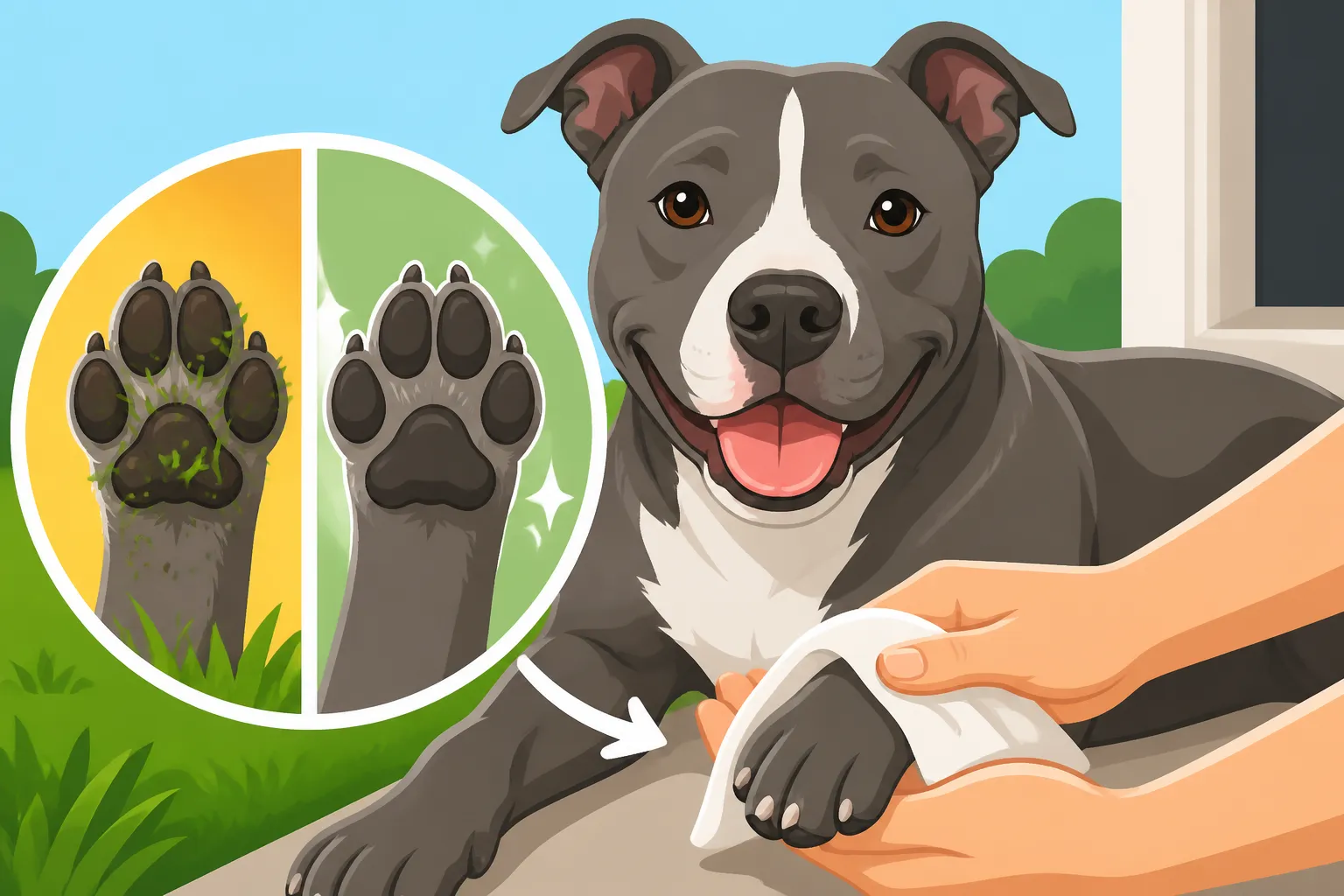
- Hold a Paw Gently: Take one paw in your hand, being careful not to grip too tightly. Start with a paw your dog is most comfortable with. Some dogs are sensitive about having their feet touched, so go slowly and be reassuring. If your Pit Bull tries to pull away, release the paw and try again after a brief pause, perhaps with another treat.
- Clean Each Pad and Between the Toes: Use your wipe or damp cloth to clean the top of the paw, then meticulously clean each paw pad. Pay close attention to the crevices between the toes, as this is where pollen and debris love to collect. Spread the toes gently to get into all the nooks and crannies. You might be surprised at what comes off!
- Check for Irritation or Injury: As you wipe, take a moment to visually inspect the paw. Look for any redness, swelling, cuts, scrapes, foreign objects (like thorns or burrs), or signs of excessive licking. This regular inspection can help you catch problems early.
- Repeat for All Four Paws: Work your way through all four paws, being patient and continuing to offer praise and small treats.
- Dry Thoroughly (if using a wet cloth/solution): If you used a very wet cloth or a solution, ensure the paws are thoroughly dried, especially between the toes, to prevent moisture-related skin issues. A clean towel works perfectly.
Making this a consistent, positive routine with treats and praise can turn paw wiping into a pleasant bonding experience rather than a dreaded chore.
Frequency and Timing
How often should you be wiping those paws? It depends on a few factors:
- After Every Walk: This is the ideal scenario, especially if your Pit Bull is prone to allergies or if you've been in areas with high pollen or known chemical treatments. It takes only a minute or two and makes a huge difference.
- During Peak Allergy Seasons: If your Pit Bull suffers from seasonal allergies, ramp up your paw wiping efforts during those specific times of the year. This might mean wiping after every short potty break, not just longer walks.
- After Significant Outdoor Play: If your Pit Bull has been running through long grass, playing in muddy areas, or spending extended time outdoors, a thorough paw cleaning is definitely in order.
- Adjust to Individual Sensitivity: Some Pit Bulls might need less frequent wiping, while others with extreme sensitivities might benefit from more. Pay attention to your dog's symptoms – if the licking starts up, it's a sign you need to be more diligent.
Consistency is really the secret ingredient here. Building this into your daily routine will not only keep your Pit Bull more comfortable but also help you stay on top of their paw health.
What to Do If Paw Issues Persist
Despite your best efforts with paw wiping, some Pit Bulls might still struggle with paw irritation. This is where you need to be vigilant and know when to seek professional help.
Recognizing Signs of Deeper Problems
Paw licking is often the first sign, but keep an eye out for these indicators that suggest something more persistent or serious is going on:
- Persistent, obsessive licking or chewing: If your Pit Bull is still constantly gnawing at their paws even after diligent cleaning, it's a red flag.
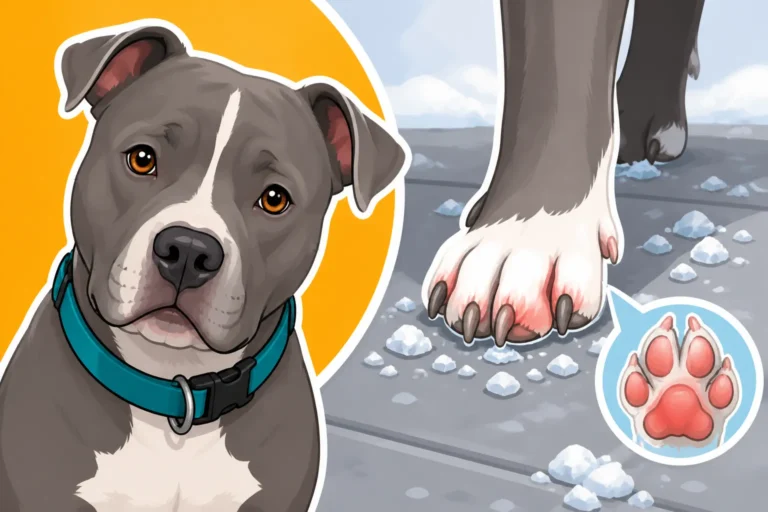
- Redness, swelling, or inflammation: The skin between the toes or on the paw pads might appear irritated, hot to the touch, or even swollen.
- Odor: A yeasty or sickly sweet smell, particularly emanating from between the toes, is a strong sign of a yeast or bacterial infection.
- Discharge: Pus or fluid coming from a sore or between the toes indicates infection.
- Hair loss or discoloration: Chronic licking can lead to staining (often reddish-brown from saliva) or thinning hair on the paws.
- Lameness or limping: If your Pit Bull is favoring a paw or limping, it could indicate pain from an infection, an embedded foreign object, or an injury. This is a clear sign that you need to investigate further.
- Reluctance to walk or bear weight: Again, a sign of significant discomfort or pain.
These symptoms often point towards underlying issues like environmental allergies, food allergies, or even deeper infections that require more than just a surface clean. They might be experiencing a full-blown flare-up of Pit Bull Skin Allergies and the Atopy Pattern.
When to Consult Your Veterinarian
If you observe any of the persistent signs mentioned above, or if you simply can't get your Pit Bull's paw issues under control with consistent wiping, it's definitely time to schedule a visit with your veterinarian. Don't delay, as minor issues can quickly escalate.
Your vet will be able to properly diagnose the root cause of the problem. This might involve:
- Skin scrapes or cytology: To check for mites (like those causing Demodex Mange in a Pit Bull) or identify the type of bacterial or yeast infection present.
- Allergy testing: If environmental allergies are suspected, your vet might recommend testing to pinpoint specific triggers.
- Food trials: If Food Allergies Behind Pit Bull Itching are a possibility, an elimination diet trial might be necessary to identify dietary triggers.
- Prescribing medications: This could include antibiotics, antifungals, anti-inflammatory drugs, or allergy medications (like Apoquel or Cytopoint, or even immunotherapy shots).
- Recommending medicated shampoos or foot soaks: For severe cases, specific medicated baths or soaks might be part of the treatment plan, often involving a longer contact time for the product to work effectively, similar to how Medicated Baths for a Pit Bull With Atopy would be applied.
Remember, you are your Pit Bull's advocate. If something doesn't seem right, trust your gut and get professional advice. Early intervention often leads to a quicker resolution and less discomfort for your beloved companion.
Paw Cleaning Methods Comparison
To help you decide which paw cleaning approach is best for your Pit Bull, here’s a quick comparison of common methods:
| Method | Pros | Cons | Best For |
|---|---|---|---|
| Commercial Pet Wipes | Convenient, portable, pre-moistened, often soothing ingredients | Can be more expensive, some dogs may react to ingredients | Daily quick clean-ups, travel, after short walks, sensitive Pit Bulls |
| Warm Water & Cloth | Inexpensive, natural, hypoallergenic, gentle | Less effective for heavy grime, need to wash cloth regularly | Removing pollen/dust, Pit Bulls with very sensitive skin, light dirt |
| Mild Soap Solution | Effective for heavy dirt/mud, good for general cleaning | Requires thorough rinsing, potential for skin irritation if residue left | After very muddy walks, occasional deeper cleaning, follow-up with thorough drying |
| Medicated Wipes/Soaks | Targets specific infections (yeast/bacteria), vet-prescribed | More expensive, require vet consultation, specific application instructions | Treating existing paw infections or severe irritation, as part of a vet-prescribed treatment plan |
| Paw Washer Cup | Excellent for deep cleaning between pads, contains mess | Some dogs dislike the sensation, needs regular cleaning | Pit Bulls who tolerate it, after very muddy or sandy outings |
By understanding the options and your Pit Bull's individual needs, you can create a paw care routine that keeps them comfortable and happy.
Disclaimer
This article is for general informational purposes only and does not constitute professional advice. Laws, prices and regulations vary by location and change over time. Consult a qualified professional for guidance on your specific situation.