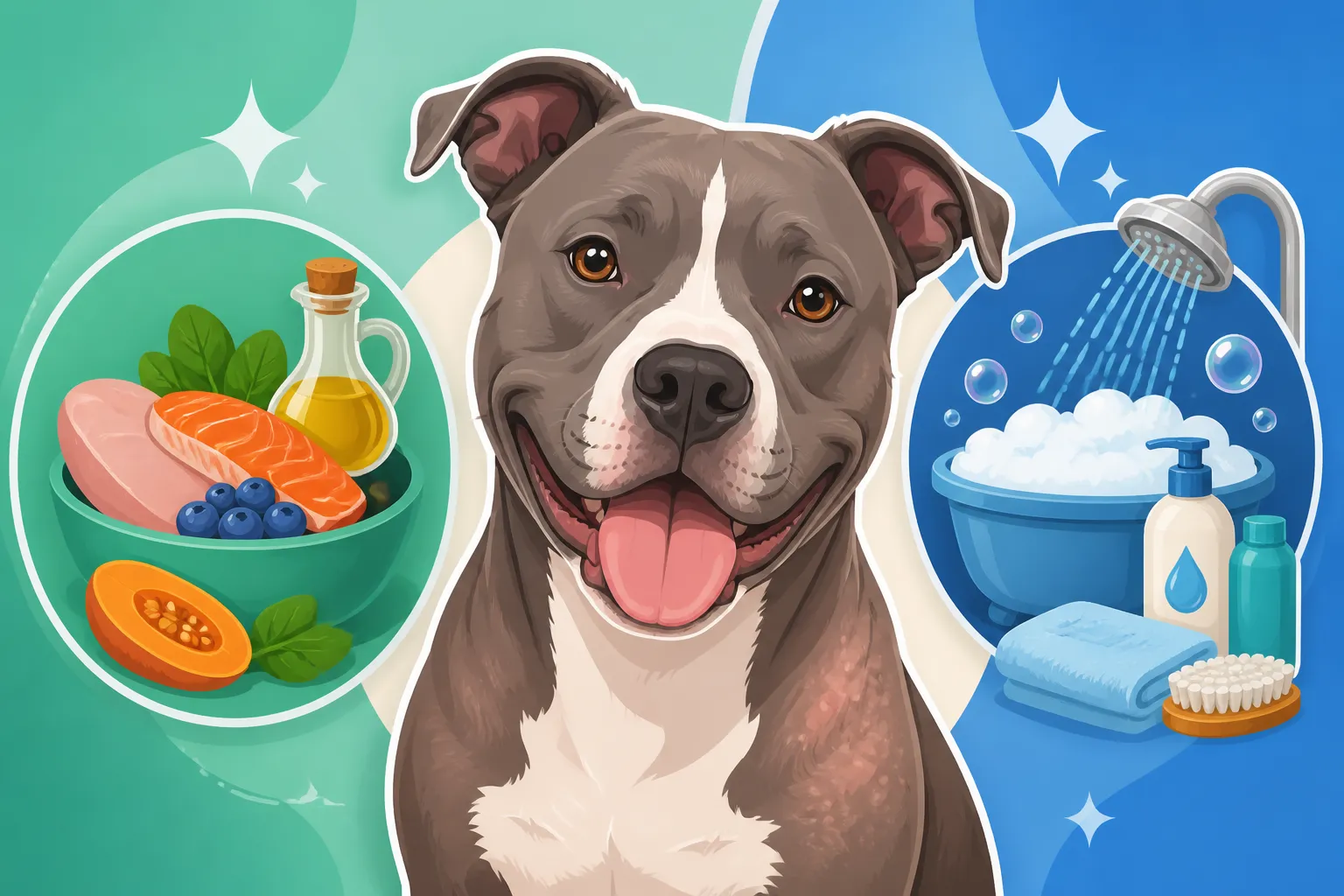
Managing Pit Bull Skin Through Diet and Bathing
It's incredibly frustrating when your beloved Pit Bull starts scratching, chewing, or developing red, irritated patches on their skin. You feel helpless seeing them uncomfortable, constantly itching, and you just want to find a solution that works. This guide is all about diving deep into how we can tackle these persistent skin issues, focusing specifically on how diet and bathing routines can make a world of difference for your Pit Bull's skin health and overall comfort.
Understanding Pit Bull Skin Sensitivities
Pit Bulls, like many short-coated breeds, often have a genetic predisposition to skin issues. It’s not just bad luck; their lineage and specific physical traits can make them more susceptible to certain conditions. As an owner, you're not imagining things when it feels like their skin is a constant battleground. It really can be a more frequent challenge for them than for some other breeds, and understanding why is the first step toward effective management.
Common Skin Problems in Pit Bulls
When you see your Pit Bull constantly scratching or developing bumps, it’s often a sign of one of several common skin ailments. The most prevalent culprit is atopic dermatitis, also known as environmental allergies. This is where their immune system overreacts to common substances like pollen, dust mites, or mold spores, much like people get hay fever. Instead of sneezing, dogs tend to get itchy skin, especially on their paws, belly, face, and armpits. Pit Bull Skin Allergies and the Atopy Pattern goes into more detail on this, but it’s a big one for our blocky-headed friends.
Beyond atopy, we also frequently see contact dermatitis, where a reaction occurs from direct skin contact with an irritant, perhaps a new laundry detergent on their bedding or certain plants in the yard. Food allergies are another significant factor, often manifesting as incessant itching and skin irritation, sometimes accompanied by gastrointestinal upset. Food Allergies Behind Pit Bull Itching highlights just how pervasive this can be. Then there are secondary infections – bacterial pyoderma or yeast infections – which often crop up because the constant scratching breaks the skin barrier, allowing opportunistic microbes to take hold. These secondary infections can make the primary itching much, much worse, creating a vicious cycle of discomfort and inflammation.
Genetic Predispositions and Their Role
The strong genetics behind Pit Bull type dogs mean they’ve inherited a particular set of characteristics, and unfortunately, a susceptibility to certain skin conditions is often part of that package. Their short, often sparse coats can leave their skin more exposed and less protected than breeds with thick double coats. Many Pit Bulls also have naturally oilier skin, which can create a breeding ground for yeast and bacteria if not managed properly.
Furthermore, some lines are known to carry genes that make them more prone to conditions like ichthyosis (a dry, scaly skin condition) or certain autoimmune disorders that affect the skin. It’s not always about breeding faults; sometimes it’s just the luck of the genetic draw for a breed type that has been historically bred for specific physical traits. While you can’t change their genes, understanding this predisposition helps you be more proactive and diligent in their care, realizing that prevention and consistent management are often key to keeping them comfortable.
The Role of Diet in Skin Health
You wouldn't believe how many skin issues trace back to what's in your dog's bowl. It's not just about stopping the itching in the moment; it's about building a strong foundation for healthy skin from the inside out. For Pit Bulls, who can be particularly prone to sensitivities, paying close attention to their diet is absolutely crucial. What goes in can literally show up on their skin.
Identifying Food Allergies and Sensitivities
This is often the trickiest part, and it requires some serious detective work and a whole lot of patience. If your Pit Bull is itchy, has chronic ear infections, or develops recurrent skin issues, a food allergy or sensitivity should always be on the suspect list. Unlike environmental allergies, which often have a seasonal component, food reactions tend to be year-round. The most common culprits are proteins like beef, chicken, dairy, and wheat – ingredients found in many commercial dog foods.
The gold standard for diagnosing a food allergy is an elimination diet, or food trial. This isn't just switching brands; it means feeding a novel protein and carbohydrate source that your dog has never encountered before for a strict period, typically eight to twelve weeks. Think venison and potato, or duck and pea – something truly new. During this time, absolutely no other foods, treats, or flavored medications are allowed. It's tough, but it's the only way to definitively tell if food is the problem. Eight Weeks of Nothing Else for an Itchy Pit Bull gives a comprehensive look at how to approach this. If symptoms improve dramatically during the trial, you then gradually reintroduce previous ingredients one by one to pinpoint the exact allergen. It’s a commitment, but the relief it can bring your dog is priceless.
Choosing the Right Diet for Sensitive Skin
Once you've identified potential triggers (or even if you're just trying to support generally sensitive skin), selecting the right diet is paramount. You'll want to look for limited ingredient diets (LIDs) or prescription diets specifically formulated for skin sensitivities. LIDs typically contain fewer ingredients, minimizing the chances of hitting an allergen. Brands often offer options like salmon and sweet potato, or lamb and rice, which use less common protein sources.
When you're shopping, read labels carefully. Look for foods with high-quality, easily digestible ingredients and a primary protein source that aligns with your dog’s needs. Many owners find success with hydrolyzed protein diets, where the proteins are broken down into such tiny molecules that the immune system doesn't recognize them as allergens. Another option that's gaining popularity is fresh, human-grade food. Companies like Ollie deliver freshly prepared meals tailored to your dog's specific needs, which can be fantastic for controlling ingredients. Just remember, any diet change should be gradual to avoid stomach upset. For some dogs, a truly balanced home-cooked diet might be an option, but this must be done under veterinary guidance to ensure it's nutritionally complete.
Strategic Bathing for Skin Management
Bathing might seem simple, but for a Pit Bull with sensitive skin, it’s a crucial therapeutic tool. It’s not just about getting them clean; it’s about applying medicinal ingredients, soothing irritation, and removing allergens from their coat and skin. Done correctly, it can bring immense relief. Done incorrectly, or with the wrong products, it can exacerbate the problem.
Frequency and Technique for Bathing
How often should you bathe your itchy Pit Bull? It really depends on the severity of their condition and the type of shampoo you’re using. For dogs with active infections or severe allergies, your vet might recommend bathing as frequently as every other day initially, gradually reducing the frequency as their skin improves. For maintenance, once or twice a week is often a good baseline for managing chronic allergies. Medicated Baths for a Pit Bull With Atopy delves into this in more detail.
The technique itself is vital. Start by thoroughly wetting your Pit Bull’s coat down to the skin with lukewarm water. Apply the shampoo, working it into a rich lather all over their body, paying extra attention to common problem areas like the paws, belly, armpits, and skin folds. This isn't a quick rinse! Most medicated shampoos require a contact time of at least 10-15 minutes to be effective. This means lathering up and then letting them stand with the shampoo on them. This can be the hardest part, especially if your dog isn’t a fan of baths. You can make it more tolerable by distracting them with a lick mat smeared with peanut butter stuck to the shower wall, or by giving them gentle massages. Once the contact time is up, rinse, rinse, and rinse again. Any residual shampoo can itself be an irritant, so be incredibly thorough. Follow up with a good conditioner designed for sensitive skin or one that helps to rehydrate the skin barrier.
Selecting Medicated and Soothing Shampoos
The shampoo aisle at the pet store can be overwhelming, but for a Pit Bull with skin issues, you need to be very specific. Your veterinarian is your best resource for recommending appropriate medicated shampoos. These might include:
- Antifungal Shampoos: Containing ingredients like miconazole or ketoconazole, these are for yeast infections.
- Antibacterial Shampoos: With chlorhexidine as a common active ingredient, these tackle bacterial pyoderma.
- Antipruritic (Anti-itch) Shampoos: Often containing oatmeal, aloe vera, pramoxine, or hydrocortisone, these help soothe the itch.
- Hypoallergenic/Sensitive Skin Shampoos: These are free from harsh dyes, fragrances, and common irritants, focusing on gentle cleansing and moisturizing.
You might even be prescribed a combination shampoo that addresses multiple issues, like a chlorhexidine/miconazole blend for concurrent bacterial and yeast infections. For general soothing, oatmeal-based shampoos can be wonderfully calming for irritated skin. I find that something readily available at places like Chewy, which has a wide variety, can be a lifesaver. Look for products that are pH-balanced for dogs, as human shampoos can be too harsh and strip essential oils from their skin. Always follow the instructions on the shampoo label and your vet's specific guidance.
Beyond Diet and Bathing: Environmental Factors
While diet and bathing are cornerstones of skin health management, they're not the only pieces of the puzzle. Environmental factors play a huge role, especially for Pit Bulls with atopic dermatitis. It's about creating a holistic approach to minimize exposure to irritants and allergens that can trigger those frustrating flare-ups.
Managing Environmental Allergens
If your Pit Bull is itchy year-round, or if their itching peaks during certain seasons, environmental allergens are a likely suspect. These can be outdoor culprits like pollen from trees, grasses, and weeds, or indoor nasties like dust mites, mold spores, and even human dander. Completely eliminating these is impossible, but managing exposure can significantly reduce their impact.
During peak allergy seasons, limit outdoor walks during times of high pollen count (often morning and late afternoon). After outdoor adventures, a quick wipe-down of your Pit Bull’s paws and belly with a damp cloth or a Rinsing Pollen Off a Pit Bull After Walks rinse can remove a significant amount of allergens before they track them into the house. Inside, frequent vacuuming with a HEPA filter vacuum, washing bedding weekly in hot water, and using air purifiers can help reduce dust mites and other indoor allergens. Consider allergy-proof covers for dog beds. If your dog spends time on furniture, cover it with washable throws that you can clean regularly. These small, consistent efforts can add up to a big difference in their comfort levels.
Paw and Body Wiping Routines
For many Pit Bulls, the paws are ground zero for itching and irritation. They pick up allergens from grass and pavement, and then the licking and chewing begins, leading to inflamed skin and often secondary yeast or bacterial infections between their toes or on their paw pads. Establishing a consistent paw-wiping routine, especially after every outdoor excursion, can be a game-changer.
Keep a bowl of water with a little pet-safe antiseptic solution (like dilute chlorhexidine or apple cider vinegar, as advised by your vet) or simply plain water and a clean towel by the door. Gently wash or wipe down each paw, making sure to get between the toes and around the paw pads. Don't forget their belly and inner thighs, which often come into contact with grass and allergens. This simple act reduces the allergen load on their skin and prevents them from tracking irritants throughout your home, where they can settle into bedding and carpets. If you find your Pit Bull frequently Pit Bull Paw Licking and Chewing, this routine is non-negotiable. It’s also a great way to bond and perform a quick check for any cuts, scrapes, or burrs they might have picked up.
Supplements and Topical Treatments
Sometimes, diet and bathing aren’t quite enough, or you need to provide additional support to fortify your Pit Bull’s skin from both the inside and out. That's where targeted supplements and topical treatments come into play. They can complement your core routine, helping to reduce inflammation, strengthen the skin barrier, and provide extra relief.
Omega Fatty Acids and Other Oral Supplements
Omega-3 fatty acids, particularly EPA and DHA, are renowned for their anti-inflammatory properties and their ability to support skin and coat health. They work from the inside out to improve the skin's barrier function, making it more resilient and less reactive to allergens. You can find these in fish oil supplements, krill oil, or even some algal oils. When choosing a supplement, look for a reputable brand that provides clear dosage instructions based on your dog's weight. Omega Oils for Pit Bull Skin and Coat explains why these are so beneficial. Consistency is key here; it takes time for these supplements to build up in the system and show their full effects, so don't expect overnight miracles.
Other oral supplements that can support skin health include probiotics, which help balance gut flora and can indirectly influence immune response and skin health, and certain antioxidants like Vitamin E. Some specialized joint supplements also contain ingredients that can support connective tissues in the skin. Always discuss any new supplements with your vet to ensure they're appropriate for your Pit Bull and won't interact negatively with any other medications or conditions.
Topical Sprays and Conditioners
Beyond medicated shampoos, there's a world of topical sprays, mousses, and leave-on conditioners designed to provide localized relief and enhance the skin barrier. These can be incredibly useful for targeting specific itchy spots or providing ongoing moisture between baths.
- Hydrocortisone Sprays/Mousses: These can offer quick, temporary relief for localized itching and inflammation. They often contain a low dose of steroids, so use them sparingly and under vet guidance.
- Antiseptic Wipes/Sprays: For areas prone to yeast or bacterial overgrowth, such as skin folds (e.g., around the tail or chin for some Pit Bulls) or between toes, wipes and sprays containing chlorhexidine or miconazole can help keep microbial populations in check. Yeast Infections in Pit Bull Skin Folds can often be managed with these.
- Moisturizing Sprays/Conditioners: Ingredients like ceramides, essential fatty acids, and humectants (like glycerin) in leave-on products help to replenish the skin’s moisture barrier, reducing dryness and flakiness. These are particularly beneficial after medicated baths, which can sometimes be a bit drying. Look for products that are non-greasy and quick-drying, making them easier to apply. You can often find a good selection of these kinds of products on Amazon, making it convenient to pick up what you need.
Recognizing When to Seek Veterinary Help
While home care with diet, bathing, and supplements can go a long way, there are definitely times when you need to call in the professionals. Ignoring severe or worsening symptoms can lead to more serious complications and prolonged discomfort for your Pit Bull. Your vet is your most important partner in managing chronic skin issues.
Signs of Infection or Severe Irritation
It's crucial to recognize the red flags that indicate a need for a vet visit. If your Pit Bull's skin is:
- Excessively Red, Swollen, or Painful: Beyond mild irritation, deep redness, swelling, or pain when touched can signal a significant infection or severe inflammation.
- Oozing, Crusted, or Bleeding: Any discharge, scabbing, or active bleeding is a clear sign that the skin barrier is severely compromised and likely infected.
- Developing Pus-Filled Bumps (Pustules) or Foul Odor: These are classic signs of bacterial pyoderma or a deep yeast infection, both of which require specific medical treatment.
- Hot Spots That Appear Overnight: Pit Bull Hot Spots That Appear Overnight are acute, intensely itchy, and rapidly spreading lesions that typically require immediate veterinary attention to prevent further self-mutilation and deep infection.
- Causing Lethargy or Loss of Appetite: If your Pit Bull is so uncomfortable that their general demeanor or eating habits are affected, it’s a serious indicator.
- Not Responding to Home Care: If you’ve been diligently following your diet and bathing regimen for a few weeks and see no improvement, or if things are getting worse, it’s time to consult your vet.
Don't wait until things are dire. Catching these signs early can often lead to quicker resolution and less suffering for your dog.
Working with Your Vet for a Diagnostic Plan
When you bring your Pit Bull to the vet for skin issues, be prepared to give a detailed history. This includes:
- When did the symptoms start?
- Are they seasonal or year-round?
- What foods and treats do you feed?
- What grooming products do you use?
- Have you noticed improvement or worsening with any changes?
- Any other symptoms (e.g., ear infections, gastrointestinal upset)?
Your vet will likely perform a thorough physical examination. They might also recommend diagnostic tests, such as:
- Skin scrapings: To look for mites like Demodex or Sarcoptes.
- Cytology: Examining samples from the skin (using tape strips or swabs) under a microscope to identify yeast or bacteria.
- Fungal cultures: To rule out ringworm.
- Blood tests: To check for underlying conditions like hypothyroidism, which can impact skin health.
- Allergy testing: If environmental allergies are strongly suspected, intradermal skin testing or blood tests can identify specific allergens, which can then guide treatment like immunotherapy (allergy shots). Apoquel and Cytopoint for an Itchy Pit Bull are often prescribed for severe environmental allergies, but your vet will determine if these are right for your dog.
It’s a partnership. Be open with your vet about your observations, challenges, and what you’ve already tried. Together, you can create the most effective diagnostic and treatment plan for your Pit Bull's unique needs.
Long-Term Management and Prevention
Managing Pit Bull skin issues isn't a one-time fix; it's an ongoing journey. The goal is to establish a sustainable routine that keeps their skin healthy, comfortable, and prevents frustrating flare-ups. Consistency and vigilance are your best friends in this endeavor.
Establishing a Consistent Routine
Once you and your vet have identified the triggers and effective treatments for your Pit Bull’s skin issues, the next step is to integrate these into a consistent daily and weekly routine. This might look something like this:
| Category | Action Items | Frequency | Key Benefit |
|---|---|---|---|
| Diet | Feed chosen sensitive skin/LID/prescription diet | Daily (2 meals) | Minimizes food allergen exposure, supports skin barrier |
| Supplements | Administer Omega-3 fatty acids/probiotics | Daily | Reduces inflammation, strengthens skin health |
| Bathing | Medicated or soothing bath with prescribed shampoo | Weekly or Bi-weekly | Removes allergens, treats infections, soothes skin |
| Wipe-Downs | Paw & belly wipes after outdoor activity | After every walk | Reduces environmental allergen load |
| Ear Cleaning | Inspect and clean ears | Weekly | Prevents secondary ear infections often linked to allergies |
| Environmental | Vacuum with HEPA filter, wash bedding | Weekly/Bi-weekly | Reduces indoor allergens, dust mites |
This table provides a framework, but your specific routine will be tailored to your Pit Bull. The most important thing is adherence. Skipping baths or becoming lax with the special diet can quickly undo progress and lead to a setback. Think of it as a wellness regimen for their skin, just like you might have one for your own health. It takes discipline, but seeing your Pit Bull happy and itch-free is worth every effort.
Monitoring for Recurrence and Flare-Ups
Even with the best routine, some Pit Bulls with chronic allergies might still experience occasional flare-ups. The key is to catch them early before they escalate into full-blown crises. Regularly examine your Pit Bull’s skin. During your weekly bath or daily cuddle time, run your hands over their body, checking for any redness, bumps, scabs, or hot spots. Pay close attention to their paws, ears, armpits, and groin – these are common trouble spots.
Watch for subtle behavioral cues:
- Are they scratching more than usual?
- Are they licking their paws obsessively?
- Is their breath smelling a bit "yeasty"?
- Are their ears looking red inside or smelling foul? Pit Bull Ear Infections and Allergy Links are often related to skin allergies.
If you notice any early signs of recurrence, you can often address them quickly. This might mean an extra medicated bath, a few days of a prescribed topical spray, or a quick call to your vet to discuss whether a short course of an anti-inflammatory like Apoquel and Cytopoint for an Itchy Pit Bull is needed. Having a clear plan with your vet for what to do during a minor flare-up empowers you to act quickly and prevent severe discomfort. Remember, skin health for a Pit Bull is a marathon, not a sprint, and your consistent, loving care is their best defense.
Disclaimer
This article is for general informational purposes only and does not constitute professional advice. Laws, prices and regulations vary by location and change over time. Consult a qualified professional for guidance on your specific situation.