Emergency Steps After a Pit Bull Eats Something
It's every Pit Bull owner's nightmare: you turn your back for a second, and suddenly, your beloved companion has ingested something they absolutely shouldn't have. Whether it's a dropped chocolate bar, a medication bottle, a mystery plant from the yard, or a chemical spill, those frantic moments are terrifying. This guide will walk you through the immediate, critical steps to take when your Pit Bull eats something dangerous, helping you act quickly and effectively to protect their health and well-being.
The First Few Moments: What to Do Immediately
When you discover or suspect your Pit Bull has eaten something potentially harmful, panic is a natural first reaction. However, the most crucial thing you can do is to remain calm and act swiftly. The initial moments after ingestion can significantly impact the outcome, so having a plan in mind and executing it without delay is vital. Every minute counts when dealing with toxins.
Assess the Situation and Gather Information
Before you do anything else, try to get as much information as possible. What exactly did your Pit Bull eat? How much of it? When did they eat it? These details are going to be absolutely critical for your veterinarian. If it's a medication bottle, note the name of the drug, the dosage, and how many pills are missing. If it’s a plant, try to identify it or take a clear picture. If it's food, check the ingredients list if possible. Don't waste time trying to clean up every trace, but grab the packaging or a sample of the substance if you can do so quickly and safely. This information will help your vet determine the toxicity level and the best course of action.
For instance, if your Pit Bull decided to sample the sugar-free gum left on the coffee table, the key information is xylitol. Knowing that ingredient is present and roughly how many pieces were consumed is far more important than knowing the brand. Similarly, if they got into rat poison, knowing the specific type (anticoagulant, bromethalin, cholecalciferol, etc.) is paramount, as treatments vary wildly. Gathering this info efficiently means you can communicate effectively with emergency services, saving precious time.
Contact Your Veterinarian or Emergency Vet Clinic
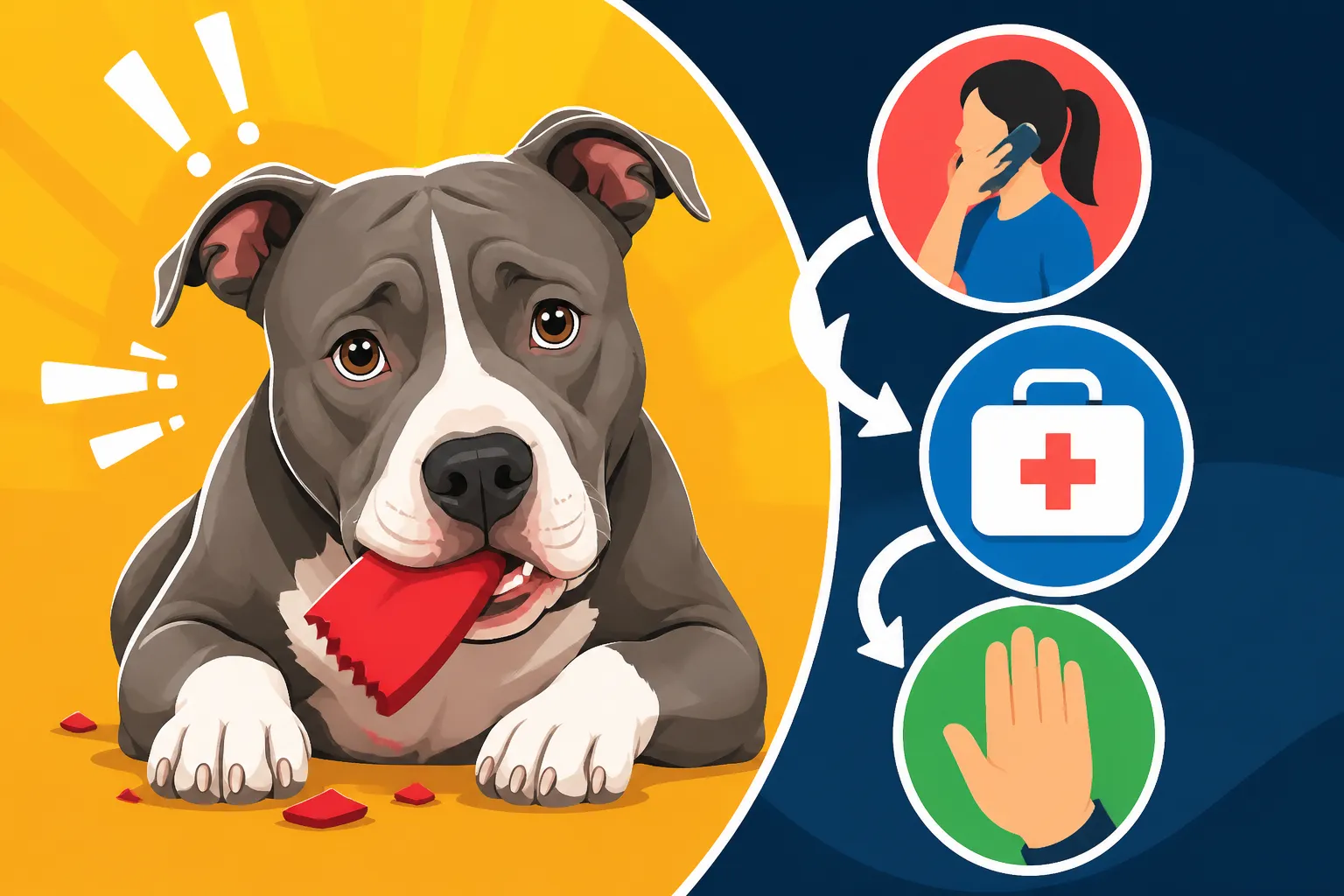
As soon as you have gathered initial information, call your veterinarian immediately. Do not wait for symptoms to appear. Many toxins work quickly, and early intervention can make a huge difference. If it's outside of your regular vet's hours, call an emergency veterinary clinic. Keep their number stored in your phone, perhaps even taped to your fridge, for just such an event. They can advise you on whether it's safe to induce vomiting at home (which is not always the case and can be dangerous with certain substances) or if you need to bring your dog in right away.
When you call, be ready to provide all the details you just gathered: what was eaten, how much, when, and any immediate symptoms you're observing (vomiting, lethargy, tremors, hyperactivity, etc.). The veterinary team will guide you. They might ask you to bring the packaging or a sample of the ingested item with you to the clinic. It’s better to err on the side of caution and call, even if you’re unsure if the item is truly toxic. A quick phone call can alleviate worry or prompt life-saving action. If you're advised to bring your Pit Bull in, make sure you know the fastest route and have someone else drive if possible, so you can focus on your dog. This is also a good moment to mentally prepare for potential Emergency Vet Visit Costs.
Understanding the Threat: Common Toxins and Their Dangers
Pit Bulls are famously tenacious and often possess a strong chew drive, which means they can get into things other dogs might ignore. Knowing the common household items that pose a significant threat is your first line of defense in preventing an emergency, and understanding their effects helps you recognize symptoms faster if an accident occurs.
Household Hazards Your Pit Bull Might Find
Our homes are full of things that are perfectly safe for humans but deadly for dogs. Medications, both prescription and over-the-counter, are a huge culprit. Things like NSAIDs (ibuprofen, naproxen), acetaminophen, antidepressants, heart medications, and even vitamins can cause severe organ damage or neurological issues. Always keep all medications locked away, well out of reach.
Food items are another frequent source of trouble. Chocolate is well-known, but xylitol (a sugar substitute found in gum, diet foods, and some peanut butters) is incredibly toxic, causing rapid blood sugar drops and liver failure. Grapes and raisins can lead to kidney failure. Onions, garlic, chives, and leeks can cause red blood cell damage. Alcohol and caffeine are also dangerous. Even seemingly innocuous items like yeast dough can expand in the stomach, causing severe bloat. Many of these items are detailed further in Pantry Items That Poison a Pit Bull.
Out in the garage or garden, antifreeze is notoriously lethal, even in tiny amounts, often licked up because of its sweet taste. Rodenticides (rat and mouse poison) come in various forms, each with different toxic effects and delayed symptoms, making them particularly insidious. Insecticides, slug bait (metaldehyde), fertilizers, and even certain common plants can also be highly dangerous. This is why knowing about Yard Plants That Poison a Pit Bull is so crucial for Pit Bull owners.
Recognizing Symptoms of Poisoning
Symptoms vary widely depending on the type and amount of toxin ingested, as well as your Pit Bull's individual sensitivity. Some signs are immediate and dramatic, while others can be subtle and delayed.
Immediate symptoms might include:
- Vomiting or diarrhea: Often one of the first signs the body is trying to expel something.
- Excessive drooling: Especially if the substance is bitter or irritating.
- Lethargy or weakness: Your normally energetic Pit Bull might suddenly be quiet and listless.
- Hyperactivity or restlessness: Some toxins can act as stimulants.
- Tremors, seizures, or muscle twitching: Indicating neurological effects.
- Difficulty breathing: Coughing, wheezing, or rapid, shallow breaths.
- Changes in gum color: Pale, yellowish, or brick-red gums can signal serious issues.
- Collapse or loss of consciousness.
Delayed symptoms can be much harder to link to an ingestion event:
- Increased thirst or urination: Kidney damage can manifest this way, particularly with grape/raisin toxicity.
- Jaundice (yellowing of skin/eyes): Liver damage from toxins like xylitol.
- Bruising or unexplained bleeding: A classic sign of anticoagulant rodenticide poisoning, which can take days to appear.
- Changes in appetite or refusal to eat: A Pit Bull That Refuses Food for a Day might be a symptom of ongoing internal distress.
The appearance of any of these symptoms after a suspected ingestion warrants an immediate call to your vet. Do not wait for more symptoms to develop.
Here's a quick guide to some common household toxins and what they do:
| Toxin Category | Examples | Potential Symptoms (Acute) | Immediate Action |
|---|---|---|---|
| Human Medications | Ibuprofen, Tylenol, Antidepressants, Cold Meds | Vomiting, diarrhea, lethargy, tremors, seizures, kidney/liver failure | Call vet immediately, bring packaging. Do NOT induce vomiting unless instructed. |
| Chocolate | Dark chocolate, baking chocolate, cocoa powder | Vomiting, diarrhea, restlessness, increased thirst, tremors, seizures, heart issues | Call vet immediately, note type/amount. |
| Xylitol | Sugar-free gum, candy, some peanut butters | Vomiting, weakness, collapse (rapid), seizures, liver failure (delayed) | Call vet immediately, bring packaging. |
| Grapes/Raisins | All forms (fresh, dried) | Vomiting, lethargy, diarrhea, abdominal pain, kidney failure (delayed) | Call vet immediately. |
| Onions/Garlic | Fresh, powdered, cooked | Vomiting, diarrhea, lethargy, pale gums, weakness, red blood cell damage | Call vet immediately. |
| Antifreeze | Ethylene Glycol | Drunken gait, increased thirst/urination, vomiting, kidney failure (delayed) | URGENT vet visit, even small amounts are deadly. |
| Rodenticides | Rat/mouse baits | Vomiting (sometimes bloody), internal bleeding, weakness, pale gums (delayed onset) | Call vet immediately, bring packaging (know type of poison). |
| Household Cleaners | Bleach, detergents, drain cleaners | Vomiting, oral burns, excessive drooling, difficulty swallowing | Call vet immediately. Do NOT induce vomiting. |
| Plants | Lilies (cats), Sago Palm, Oleander, Azalea | Vomiting, diarrhea, lethargy, tremors, cardiac issues, kidney/liver damage | Call vet immediately, identify plant or bring sample/photo. |
This table is not exhaustive, but covers some of the most common and dangerous items your Pit Bull might ingest.
When Every Second Counts: Getting to the Vet
Once you've contacted your vet, they will provide specific instructions. Sometimes, they might tell you to monitor your Pit Bull at home. Other times, they will tell you to come in immediately. Knowing the difference and being prepared for a rapid departure can literally save your Pit Bull's life.
Emergency Versus Watchful Waiting
Your vet will make this determination based on the substance ingested, the estimated amount, your Pit Bull's size, and any symptoms already present. For something like a tiny crumb of milk chocolate, they might advise watchful waiting. For anything containing xylitol, certain medications, or a significant amount of dark chocolate, they will almost certainly recommend an immediate visit.
If your vet advises immediate action: Don't delay. Head directly to the clinic. Time is of the essence for inducing vomiting (if appropriate for the toxin), administering activated charcoal to absorb toxins, or starting other life-saving treatments. Trying home remedies or waiting to see if symptoms worsen can lead to the toxin being fully absorbed, making treatment much more difficult or impossible.
If your vet advises watchful waiting: Follow their instructions precisely. They might suggest giving your dog some water, bland food, or a specific dose of an over-the-counter medication (only if instructed!). You'll need to keep a close eye on your Pit Bull for any changes in behavior or the onset of new symptoms. Have your vet's number ready for an immediate call back if things take a turn. If your Pit Bull is on a specialized diet, like those from Ollie, make sure to inform your vet, as their usual feeding routine might need to be adjusted during this time.
Preparing for Your Veterinary Visit
Even in a rush, there are a few things you can do to make the vet visit smoother and more effective:
- Gather the Evidence: Bring the packaging of the ingested item, any remaining pieces, or a sample. A photo of the plant or pill works too. This helps the vet identify the exact toxin.
- Pet Records: If you have a physical copy, bring your Pit Bull's vaccination records, especially if it's an emergency clinic you haven't visited before. Knowing their baseline health history, weight, and any existing conditions (like Pit Bull Skin Allergies and the Atopy Pattern which might mean they're sensitive to certain medications) is helpful.
- Transportation: Ensure your Pit Bull can be transported safely. If they are vomiting, bring towels or a blanket to keep your car clean. If they are having seizures or are unstable, ensure they are secured in a way that prevents further injury to themselves or you. If your Pit Bull is large or difficult to handle when stressed, a muzzle (if they are muzzle-conditioned) might be wise to protect the vet staff.
- Payment: Be prepared for potential costs. Emergency veterinary care can be expensive, especially if your Pit Bull needs hospitalization, IV fluids, or specialized treatments. While no one wants to think about money in an emergency, having a plan for this can reduce stress later. Many clinics offer payment plans or work with pet insurance providers.
When you arrive, clearly and calmly explain what happened to the reception staff, and they will likely triage your Pit Bull for immediate assessment.
Aftercare and Prevention
Surviving an emergency ingestion is just the first hurdle. The recovery period and establishing robust preventative measures are equally important for your Pit Bull's long-term health and your peace of mind.
Supporting Your Pit Bull During Recovery
After a scary incident, your Pit Bull might be feeling pretty rough, even after receiving veterinary care. They might be nauseous, tired, or just generally out of sorts. Your vet will give you specific instructions for their recovery, which could include:
- Medication: Anti-nausea drugs, stomach protectants, pain relief, or specific antidotes for the toxin. Follow the dosage and schedule precisely.
- Dietary Adjustments: Often, a bland diet (boiled chicken and rice) is recommended for a few days to soothe their digestive system. Gradually reintroduce their regular food, perhaps their usual kibble or a fresh food option if they're typically on something like Ollie's balanced meals.
- Rest and Monitoring: Provide a quiet, comfortable place for them to rest. Continue to watch for any lingering or new symptoms, and report them to your vet. Keep their water bowl full and easily accessible.
- Emotional Support: Your Pit Bull might be scared or confused. Offer plenty of gentle reassurance, cuddles (if they want them), and a calm environment.
Remember that recovery isn't always linear. There might be good days and bad days. Stick to your vet's plan and don't hesitate to call if you have concerns.
Dog-Proofing Your Home and Yard
The best emergency step is prevention. Taking proactive measures to dog-proof your home and yard can save you a world of heartache and expense. Pit Bulls are intelligent and can be surprisingly resourceful, so think like a dog when you're looking for potential hazards.
- Secure Medications and Chemicals: This is paramount. Keep all human and pet medications, cleaning supplies, automotive fluids, and garden chemicals in locked cabinets or on high shelves that are truly inaccessible. Don't leave pill bottles on counters or nightstands. A child-proof lock can be a dog-proof lock too.
- Food Safety: Never leave human food unattended where your Pit Bull can reach it. This includes countertops, dining tables, and even open pantry doors. Educate all family members and guests about dangerous foods. Store toxic foods (like chocolate or xylitol-containing products) in securely sealed containers that are out of reach. For treats, ensure you're providing appropriate Chews That Do Not Crack Pit Bull Teeth from a reputable source like Chewy or Amazon instead of letting them chew on anything they find.
- Trash Management: Use sturdy trash cans with secure lids that your Pit Bull cannot open or knock over. Consider motion-activated lids if your dog is particularly adept at trash diving.
- Plants: Identify all plants in your home and yard. Remove any that are toxic to dogs or block access to them. A quick search on Amazon for pet-safe storage containers or plant barriers can yield helpful results.
- Small Objects and Toys: Keep small objects like batteries, coins, jewelry, and children's toys (especially small, swallowable parts) off the floor and out of reach. Remember, if it fits in their mouth, a Pit Bull might try to chew or swallow it. Invest in durable Toys That Survive Pit Bull Jaw Strength to redirect their chewing instincts.
- Training: Reinforce commands like "leave it" and "drop it" from a young age. This can be a lifesaver if you see your Pit Bull about to ingest something dangerous. Consistent training helps build impulse control, which is essential for a powerful breed.
By being vigilant and proactive, you can significantly reduce the risk of your Pit Bull having another dangerous ingestion incident. It takes effort, but the safety and well-being of your loyal companion are worth every bit of it.
Disclaimer
This article is for general informational purposes only and does not constitute professional advice. Laws, prices and regulations vary by location and change over time. Consult a qualified professional for guidance on your specific situation.