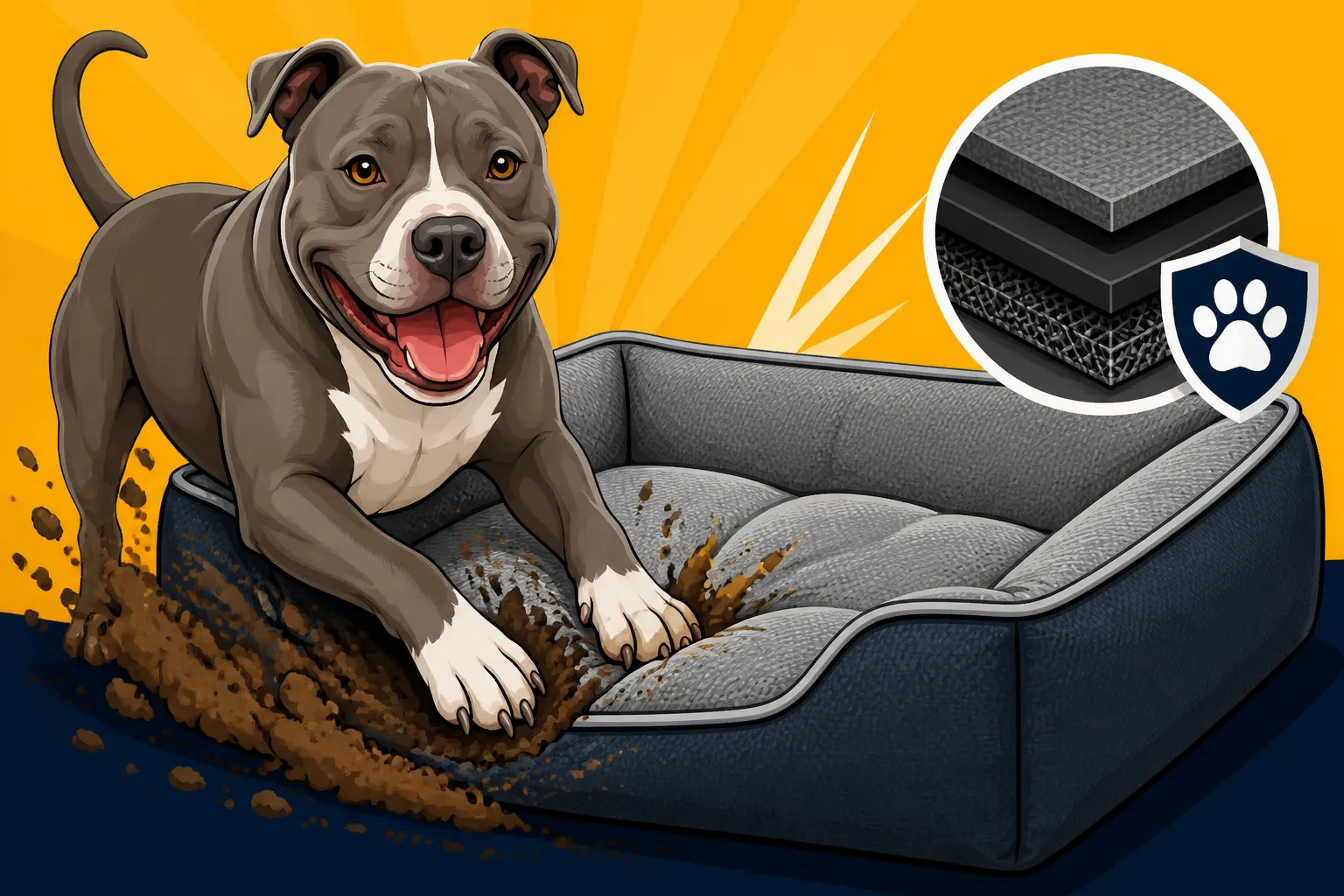
Pit Bull Bedding That Survives Digging
Anyone who shares their home with a Pit Bull knows the struggle: you invest in what seems like a perfectly good dog bed, only to find it shredded into a snowy landscape of stuffing within days, sometimes hours. It's incredibly frustrating to constantly replace bedding, not to mention the worry about your dog ingesting foam or fabric. This guide is here to help you navigate the world of dog bedding designed to withstand even the most determined digging and chewing, offering practical solutions and insights into why our beloved Pits turn their beds into confetti.
Understanding Why Your Pit Bull Digs at Bedding
It’s easy to feel like your Pit Bull is just being mischievous when they start tearing into a brand-new bed. But more often than not, this behavior stems from deep-seated instincts or unmet needs, rather than a desire to annoy you. Understanding the root cause can help you choose the right bedding and implement strategies to reduce the behavior.
Instinctual Behaviors and Nesting
Dogs, including our Pit Bulls, carry genetic echoes of their wild ancestors. In nature, canids would often dig and rearrange their sleeping areas to create a comfortable, secure den. This might involve scraping away loose earth, pushing leaves and grass into a pile, or digging a shallow depression to escape the elements. When your Pit Bull digs at their bed, they are often simply trying to replicate this natural nesting behavior. They might be trying to shape the bed to better conform to their body, creating a sense of enclosure and safety, or simply making it "just right" for settling down. It’s not necessarily a destructive act in their mind; it’s an attempt to create the perfect resting spot. For a dog that loves to burrow and feel secure, a flat, unyielding bed just doesn't offer the same primal satisfaction.
Anxiety, Boredom, or Excess Energy
Sometimes, digging isn't about comfort at all, but a symptom of underlying emotional or physical states. A Pit Bull with pent-up energy, who hasn't had enough physical exercise or mental stimulation, might turn to digging as an outlet for that excess drive. Think about it: digging is a physical activity, and for a dog whose mind isn't engaged, or whose body isn't tired, it can be an easy way to release some of that energy. Similarly, dogs experiencing anxiety, particularly separation anxiety when left alone, might engage in destructive behaviors like digging, chewing, or even scratching at furniture or doors. The act can be a self-soothing mechanism, a way to cope with stress, or an attempt to escape. It's crucial to consider if your Pit Bull’s daily routine provides enough appropriate stimulation before assuming the digging is simply a bed preference. Regularly scheduled walks, play, and training can make a huge difference.
Comfort and Temperature Regulation
Another practical reason for digging lies in seeking optimal comfort and temperature. Imagine trying to get comfortable on a lumpy mattress, or one that's too warm. Dogs experience similar sensations. They might dig to fluff up the stuffing in a soft bed, attempting to redistribute it for better support or a softer surface. With their short coats, Pit Bulls can also be sensitive to temperature fluctuations. On a warm day, they might dig to try and find a cooler spot on the floor beneath their bed, or push aside layers of bedding that are trapping heat. Conversely, if they're feeling a bit chilly, they might dig and burrow to create a warmer, more insulated nest. Observing when and how your Pit Bull digs can offer clues. Do they dig more in the summer? Do they circle and dig before immediately settling, or do they dig frantically? These details can guide your choices.
Key Features of Indestructible Pit Bull Bedding
If you're tired of replacing shredded beds, it's time to get strategic. "Indestructible" is a strong word, and while no bed is truly 100% immune to a determined Pit Bull, there are features that dramatically increase a bed's chances of survival against digging, scratching, and chewing.
Materials That Withstand Abuse
The first line of defense is the material. Forget flimsy fleece or standard cotton blends; these are no match for a Pit Bull’s nails and teeth. You need heavy-duty fabrics designed for rugged use. Ballistic nylon is a fantastic choice, often used in luggage and military applications due to its tight weave and incredible tear resistance. It's tough, water-resistant, and surprisingly easy to clean. Another great option is heavy-duty canvas, especially industrial-grade versions. Look for terms like "rip-stop" or "puncture-resistant" in the product description. Some beds even incorporate Cordura fabric, which is known for its durability and abrasion resistance. Beyond the main fabric, pay attention to the stitching. Double-stitched seams, reinforced corners, and hidden zippers (or zippers with protective flaps) are crucial. A bed made with robust materials but weak stitching is still a weak bed. When shopping online, particularly on sites like Chewy or Amazon, make sure to read reviews specifically mentioning durability against strong chewers and diggers. Brands like K9 Ballistics often come up in discussions about truly resilient bedding.
Design Considerations for Durability
Beyond the fabric, the overall design of the bed plays a huge role in its longevity. Simplistic designs are often best. Beds with lots of fussy seams, piping, or decorative elements create more weak points for your Pit Bull to target. A seamless or minimalist design reduces the opportunities for them to get a tooth or nail into an edge and start tearing.
Consider elevated dog beds, also known as cot-style beds. These are fantastic because they remove the "stuffing" element entirely. Your Pit Bull sleeps on a taut fabric stretched over a sturdy frame, so there's nothing to dig into or shred. They offer excellent airflow, which can be a huge benefit for temperature regulation, especially in warmer climates. For dogs prone to Pit Bull Skin Allergies and the Atopy Pattern, the increased airflow can also help keep their skin drier and healthier.
Another design element to look for is internal zippers or zippers that are completely recessed and covered by a fabric flap. An exposed zipper is an invitation for a Pit Bull to chew, and once the zipper fails, the stuffing is fair game. Some beds even feature a "chew-proof" perimeter, where the edges are reinforced with tougher materials or constructed in a way that makes them difficult to get a grip on. Don't underestimate the power of a solid, heavy-duty frame or base, especially for the truly destructive digger.
Washability and Hygiene
Even the most durable bed needs to be kept clean, especially for active Pit Bulls or those prone to skin issues. A bed that can't be easily cleaned will quickly become unpleasant, regardless of its chew-proof claims. Look for beds with removable, machine-washable covers. Ideally, the cover should be easy to take off and put back on without a wrestling match. Water-resistant or waterproof liners protecting the inner cushion are also a huge plus, as they prevent accidents, sweat, or outdoor grime from seeping into the core of the bed. This is not just about smell; moisture trapped in bedding can lead to mildew and bacterial growth, which can exacerbate skin problems. Even if your Pit Bull isn't actively destroying their bed, a washable cover makes routine care so much simpler. Think about how often you clean your own bedding; your dog's bed deserves similar attention.
Top Types of Dig-Resistant Beds for Pit Bulls
Choosing the right type of bed is paramount. It’s not just about what looks good, but what can genuinely stand up to the robust nature of a Pit Bull.
Elevated Dog Beds Cot Style
Elevated dog beds are often the first recommendation for a digger. They typically consist of a sturdy metal or PVC frame with a heavy-duty fabric (like ballistic nylon or mesh) stretched tightly across it. The beauty of these beds is their simplicity: there's no stuffing to dig out, no corners to shred. This design completely eliminates the most common targets for destructive behavior.
Pros:
- Dig-proof: The primary benefit, as there's no loose material to manipulate.
- Airflow: Excellent for temperature regulation, keeping your Pit Bull cool in summer and off cold floors in winter. This also helps prevent moisture buildup, which can be beneficial for skin health.
- Durability: The frames are often very strong, and the fabric is usually heavy-duty, designed to hold substantial weight.
- Easy to Clean: A quick wipe-down or hose-off is usually all it takes, and the fabric often dries quickly.
- Joint support: Getting a dog off the hard floor can be beneficial for older Pit Bulls or those with Pit Bull Joint and Ligament Injuries.
Cons:
- Comfort: Some dogs might not find them as "cozy" as a traditional soft bed. You might need to add a thin, durable blanket (though beware, they might dig at the blanket).
- Initial Acceptance: Some dogs need time to adjust to an elevated surface.
- Aesthetics: They might not fit seamlessly into every home decor.
Many pet supply retailers, including Chewy and Amazon, offer a wide range of elevated beds. Look for brands known for strong frames and durable, chew-resistant fabrics.
Chew-Proof Armored Beds
These beds take durability to the next level, specifically designed for extreme chewers and diggers. They often feature internal frames, metal components, or exceptionally dense and robust materials that are nearly impossible to tear or penetrate. Some might look like a heavily reinforced mattress, while others might incorporate a solid, heavy plastic base with a thin, durable cushion.
Pros:
- Ultimate Durability: These are built to withstand the most aggressive chewing and digging.
- Longevity: While a higher upfront cost, they can save money in the long run by not needing constant replacement.
- Peace of Mind: You won't have to worry about your Pit Bull ingesting stuffing or tearing up expensive bedding.
Cons:
- Cost: These are typically the most expensive option.
- Weight/Bulk: They can be quite heavy and less portable than other beds.
- Comfort: Depending on the design, some armored beds might be less plush than traditional beds, though many now offer orthopedic foam cores within their tough exteriors.
- Limited Variety: Fewer options exist compared to standard beds.
Brands specializing in truly indestructible pet products are your go-to here. Online marketplaces like Amazon will often feature these higher-end, niche brands that cater specifically to strong dogs. Read the reviews carefully and focus on how long the beds have lasted for other powerful breeds.
Memory Foam or Orthopedic Beds with Durable Covers
For Pit Bulls who need more cushioning, perhaps due to age or conditions like arthritis, memory foam or orthopedic beds are excellent. However, the key to their survival lies entirely in the outer cover.
Pros:
- Superior Comfort and Support: Memory foam conforms to your dog's body, providing excellent pressure relief for joints and muscles. This is crucial for larger, muscular breeds like Pit Bulls, especially as they age or if they're dealing with issues like Arthritis in a Pit Bull at Seven.
- Insulation: The dense foam offers good insulation, keeping them warm.
- Less Inviting to Dig (the foam itself): While they might still dig at the cover, the solid block of foam inside isn't as appealing to "fluff" as loose stuffing.
Cons:
- Cover is Critical: If the cover isn't ballistic nylon or equally tough, the memory foam underneath is vulnerable. A standard fabric cover will be shredded just as easily as any other.
- Heat Retention: Some memory foam can retain heat, which might be an issue for some dogs in warmer climates unless ventilation features are built into the design.
- Weight: Memory foam beds can be heavy and bulky.
When selecting one of these, scrutinize the cover material. Look for ballistic nylon, rip-stop canvas, or similar tough fabrics, preferably with internal or well-protected zippers. Some brands, like those found on Ollie or Chewy, offer orthopedic beds specifically designed for larger, more active breeds, often featuring more robust covers as a standard.
| Bed Type | Dig-Resistance | Comfort Level | Cleaning Ease | Typical Cost | Best For |
|---|---|---|---|---|---|
| Elevated Dog Beds | High | Medium | High | Moderate to High | Extreme diggers, hot climates, joint support |
| Chew-Proof Armored Beds | Very High | Medium to High | Moderate | High | Relentless chewers/diggers, long-term investment |
| Durable-Covered Orthopedic | Medium to High | High | Moderate to High | Moderate to High | Dogs needing comfort, mild-moderate diggers |
Strategies to Reduce Digging Behavior
While durable bedding is essential, addressing the underlying reasons for your Pit Bull's digging can provide a more holistic solution. It’s about managing the behavior, not just replacing the casualties.
Meeting Exercise and Mental Stimulation Needs
A tired Pit Bull is a good Pit Bull, and often, a less destructive Pit Bull. These are intelligent, athletic dogs with a considerable amount of energy. If they're not getting enough appropriate physical exercise or mental engagement, they will find their own ways to release that energy, and sometimes that's by redesigning their bed.
Practical Steps:
- Daily Exercise: Aim for at least 60-90 minutes of vigorous exercise daily. This could be long walks, runs, fetch, or structured playtime. Remember, a brisk walk around the block might not be enough for a fit Pit Bull. Explore activities like Pit Bull Exercise for a Powerful Athletic Dog.
- Mental Games: Incorporate puzzle toys, scent work, or training sessions into their day. Teaching new tricks, practicing obedience commands, or even hiding their kibble around the house can be incredibly tiring for their minds. Products found on Chewy or Amazon, such as snuffle mats or interactive treat dispensers, can provide valuable mental stimulation.
- Structured Training: Consistent training not only builds manners but also provides mental challenge and strengthens your bond. Consider working on advanced obedience or dog sports if your Pit Bull enjoys them.
When a dog is thoroughly exercised both physically and mentally, they are much more likely to settle peacefully on their bed rather than trying to excavate it.
Redirection and Positive Reinforcement
Punishing your Pit Bull for digging after the fact rarely works and can damage your relationship. Instead, focus on redirecting the behavior and rewarding desirable actions.
Practical Steps:
- Offer Alternatives: Provide appropriate chew toys, especially durable ones designed for strong jaws. When you see your Pit Bull starting to dig at their bed, calmly interrupt the behavior and offer a high-value chew toy instead. This teaches them what is acceptable to chew or dig. Look for toys that truly stand up to a Pit Bull's jaw strength.
- Teach "Place" or "Bed": Train your Pit Bull to go to and settle on their bed calmly. Use positive reinforcement, like treats and praise, for lying quietly on the bed. Start with short durations and gradually increase the time they spend there. Teaching a Pit Bull to Hold a Place can be incredibly useful.
- Reward Calmness: Catch your Pit Bull being good! Whenever you see them lying calmly on their bed, especially if it's the durable one, offer a quiet praise or a gentle pet. This reinforces the idea that relaxing on the bed is a rewarding activity. For training, use High-Value Treats That Hold a Pit Bull's Focus to make learning more impactful.
Consistency is key here. Everyone in the household needs to be on board with the redirection and rewarding calm behavior.
Crate Training and Management
For some Pit Bulls, especially those who are particularly destructive when unsupervised, crate training can be an invaluable management tool. A crate provides a safe, secure den, and it can be a place where bedding destruction is minimized or avoided entirely.
Practical Steps:
- Proper Crate Introduction: Ensure your Pit Bull views their crate as a positive, comfortable space. Never use it for punishment. Make it inviting with safe toys and treats. For tips on how to get your dog to love their crate, refer to Getting a Pit Bull to Choose Its Crate.
- Choosing the Right Crate: A strong, heavy-gauge wire crate or even a heavy-duty impact-resistant crate is essential for a Pit Bull. They are powerful dogs, and flimsy crates won't hold up. Check out The Crate a Pit Bull Cannot Break Out Of for insights into durable options.
- Bedding in the Crate: Start with no bedding, or a very thin, durable mat that your Pit Bull can't easily tear up. Once they are consistently calm and not attempting to destroy the minimal bedding, you can gradually introduce a more substantial, dig-proof bed inside the crate. Monitor them closely during this transition.
- Supervised Freedom: Only allow your Pit Bull unsupervised access to softer, more comfortable beds outside the crate once you are confident they won't destroy them. When you can't actively supervise, the crate with its durable (or no) bedding provides a safe alternative. This is especially helpful if their digging stems from anxiety or boredom when left alone.
Managing a powerful, intelligent dog like a Pit Bull requires a multi-faceted approach. By understanding their instincts, providing appropriate outlets, and choosing wisely, you can find bedding solutions that offer comfort without constant frustration.
Disclaimer
This article is for general informational purposes only and does not constitute professional advice. Laws, prices and regulations vary by location and change over time. Consult a qualified professional for guidance on your specific situation.