Pit Bulls in American Shelters
It’s a heart-wrenching reality that anyone who has spent time in an American animal shelter knows intimately: the sheer volume of "Pit Bull type" dogs waiting for homes. You walk through the kennels, past countless hopeful faces, and the vast majority gazing back at you are powerful, blocky-headed dogs with short coats, often labeled simply as "Pit Bull" or a "Pit Bull mix." This guide will delve deep into why these dogs are so prevalent in American shelters, the unique challenges they face, and what we, as a community, can do to help these wonderful animals find the loving families they deserve.
The Overrepresentation of Pit Bulls in Shelters
The presence of Pit Bull type dogs in American shelters is undeniable, often making up a significant, sometimes even overwhelming, percentage of the dogs awaiting adoption. It’s a complex issue stemming from several interconnected factors, from how dogs are identified to societal prejudices and practical challenges in finding them homes. This isn't just a number on a spreadsheet; it represents thousands of individual lives, each with their own story, hopes, and potential.
Visual Identification and Breed Labels
One of the foundational issues contributing to the perceived overrepresentation is how dogs are actually identified as "Pit Bulls" in the first place. There's no single breed officially named "Pit Bull" recognized by major kennel clubs like the American Kennel Club (AKC). Instead, "Pit Bull" is a blanket term, a type that generally encompasses breeds like the American Pit Bull Terrier (recognized by the United Kennel Club, UKC), the American Staffordshire Terrier (AKC), and sometimes even the Staffordshire Bull Terrier. Why Pit Bull Is a Type and Not a Breed
When a dog enters a shelter, staff often rely on visual assessment to determine its breed, which can be highly inaccurate, especially for mixed-breed dogs. A dog might have a broad head, a muscular build, and a short coat, leading it to be labeled as a "Pit Bull" even if its DNA panel would tell a different story, showing a mix of several different breeds. This visual identification leads to a skewed perception, where many dogs that are only partially or not at all "Pit Bull" in heritage are still categorized and treated as such, further inflating the numbers. How Shelters Decide a Dog Is a Pit Bull
Breed Restrictions and Housing Challenges
Perhaps one of the most frustrating and persistent challenges facing Pit Bull type dogs and their potential adopters is the widespread presence of breed-specific legislation (BSL) and breed restrictions. Many cities and counties still have laws that prohibit or severely restrict ownership of Pit Bulls, imposing requirements like mandatory sterilization, special permits, specific enclosure rules, or even outright bans. These laws often force owners to surrender their beloved pets if they move to a restricted area, or prevent potential adopters from bringing a Pit Bull into their community. Where Pit Bull Legislation Still Applies
Beyond government-mandated BSL, private entities like landlords, apartment complexes, and homeowners' associations (HOAs) frequently impose their own breed restrictions. These restrictions often single out "Pit Bull type dogs," making it incredibly difficult for families to find suitable housing that will welcome their canine companion. Imagine falling in love with a sweet shelter dog, only to find out your apartment complex won't allow you to bring them home. This heartbreaking scenario plays out daily across the country, limiting the pool of eligible adopters for these dogs and contributing to their prolonged stays in shelters. Even if an adopter finds a place, securing Getting Home Insurance With a Pit Bull can be a huge headache, as many insurance carriers refuse to cover homes with specific breeds.
High Intake and Low Adoption Rates
The confluence of visual misidentification and pervasive breed restrictions inevitably leads to a critical imbalance: a high intake of Pit Bull type dogs coupled with relatively low adoption rates. Shelters receive a constant influx of these dogs for various reasons, including owner surrenders due to housing issues, stray pickups (which are often over-identified as Pit Bulls), and unfortunately, sometimes even abandonment.
Once inside the shelter system, these dogs often face longer waiting periods. The stigma associated with the "Pit Bull" label, combined with the practical hurdles of finding appropriate housing and insurance, means that fewer families are able or willing to adopt them. This creates a bottleneck; as new dogs arrive, those already waiting remain, leading to overcrowded kennels, increased stress for the animals, and immense pressure on shelter resources. It’s a vicious cycle that makes the situation for these dogs particularly dire in many regions.
The Impact of Breed Labeling on Shelter Outcomes
The label "Pit Bull" carries a heavy burden, often shaping a dog's fate from the moment it enters a shelter. This isn't just about semantics; it has real, tangible consequences for their well-being, their chances of adoption, and ultimately, their lives. Understanding these impacts is crucial to changing the narrative and improving outcomes for these deserving dogs.
The "Pit Bull" Stigma and Public Perception
For decades, Pit Bull type dogs have been unfairly demonized in media and popular culture, painted with a broad brush as inherently aggressive or dangerous. This pervasive negative stereotype, often fueled by sensationalized headlines and misinformation, has created a significant "Pit Bull" stigma. Potential adopters, influenced by these narratives, might bypass a friendly, gentle Pit Bull type dog in the shelter, opting for a breed perceived as "safer" or "more predictable."
This stigma can manifest in subtle ways – a nervous glance from a passerby on a walk, a landlord's automatic refusal, or even a friend's hesitant reaction. It creates an uphill battle for these dogs, who must often work twice as hard to prove their gentle nature and loving disposition. It’s a tragic reality that a dog's appearance, and the label assigned to it, can overshadow its individual personality and temperament, leaving many wonderful animals overlooked simply because of a societal misconception. Pit Bulls in Culture and Public Perception can deeply affect their chances.
Longer Stays and Increased Euthanasia Risks
The direct consequence of this stigma and the practical barriers is that Pit Bull type dogs, on average, face significantly longer stays in shelters compared to other breeds or types. A longer stay isn't just about boredom or missing a family; it brings its own set of challenges. Kennel environments, while necessary, can be incredibly stressful for dogs. Prolonged stress can lead to behavioral issues, making a dog appear less adoptable, even if these behaviors are simply coping mechanisms for their environment.
Unfortunately, in overcrowded shelters, a longer stay can also directly correlate with an increased risk of euthanasia. When space is limited and new dogs continue to arrive, difficult decisions must sometimes be made. Pit Bull type dogs, already facing a disadvantage due to their numbers and the stigma, are disproportionately affected by these grim realities. It's a heartbreaking truth that their very identification can make them more vulnerable to the ultimate outcome, highlighting the urgent need for systemic change. Euthanasia Rates for Pit Bull Type Dogs are often higher for this group.
DNA Testing vs. Visual Identification in Shelters
The debate around visual identification versus DNA testing in shelters is growing, particularly concerning Pit Bull type dogs. As mentioned, visual identification is notoriously unreliable. Many dogs that are visually labeled as "Pit Bull" turn out, upon DNA analysis, to be complex mixes of various breeds, with the so-called "Pit Bull breeds" often making up a smaller percentage than assumed, or even being absent entirely.
Some shelters are beginning to embrace DNA testing, or at least adopting "breed neutral" labeling practices, to move away from the stereotypes. By focusing on individual temperament and needs rather than an arbitrary breed label, shelters can present dogs more accurately to potential adopters. While DNA testing can be an added expense, the insights it provides can sometimes open doors for dogs previously restricted by breed rules. However, the cost and practicalities of DNA testing every dog in a high-intake shelter present their own challenges. Ultimately, the goal is to shift focus from what a dog looks like to who a dog is as an individual. Whether DNA Should Decide a Pit Bull Label is a discussion many shelters are having.
Challenges in Adopting a Pit Bull from a Shelter
Adopting any dog is a commitment, but bringing a Pit Bull type dog into your home can present a unique set of hurdles that potential owners need to be aware of. It's not just about finding the right dog; it's about navigating a landscape of rules, perceptions, and responsibilities that often don't apply to other breeds.
Stringent Adoption Requirements
Many shelters, understandably, have adoption requirements designed to ensure their dogs go to safe, responsible, and permanent homes. For Pit Bull type dogs, these requirements can sometimes be even more stringent. This might include home visits to assess secure fencing, a history of responsible pet ownership, or even a requirement for landlord approval in writing, explicitly stating that a Pit Bull is allowed. Some shelters might even require potential adopters to have prior experience with "strong" breeds or specific training plans in place.
While these measures are often well-intentioned, aiming to protect the dogs and prevent returns, they can inadvertently create additional barriers for otherwise loving and capable families. It's a delicate balance: ensuring responsible placement while not making the process so difficult that deserving dogs remain in kennels. Potential adopters should be prepared for thorough screenings and view these as part of the shelter's commitment to their animals' welfare, even if it feels a bit like an interrogation.
Navigating Breed-Specific Legislation (BSL)
Breed-Specific Legislation (BSL) remains a significant barrier. If you live in a city or county with BSL against Pit Bull type dogs, adoption may be impossible, or require adherence to strict and often costly regulations. These can include:
- Mandatory Spay/Neuter: Often a prerequisite for ownership.
- Special Licensing/Permits: Extra fees and paperwork on top of standard dog licenses.
- Microchipping: A requirement for identification, and a great idea for any dog regardless. You can often find durable, high-quality microchip scanners and supplies on sites like Chewy if you're involved in rescue.
- Secure Enclosures: Specific fencing requirements, often dictating height and construction.
- Liability Insurance: Some jurisdictions demand a certain level of liability insurance coverage.
Before even considering adopting a Pit Bull type dog, it is absolutely crucial to research the local laws in your area. Moving to a new place can become a nightmare if you suddenly find your beloved pet is illegal. This legislative patchwork creates immense stress for owners and significantly limits the geographical reach of adoptions for these dogs. Moving to a City With a Pit Bull Ban is a serious consideration.
Finding Housing That Accepts Pit Bulls
Finding rental housing that permits Pit Bulls is often the biggest hurdle for potential adopters, and a primary reason for owner surrenders. Landlords and property managers frequently have blanket bans on certain breeds, often including Pit Bulls, regardless of the individual dog's temperament or training. This is often driven by insurance company policies that decline coverage for properties housing certain breeds, or simply by outdated fears and stereotypes. Getting a Landlord to Accept a Pit Bull can feel like an impossible quest.
Even if you own your home, you might face challenges with homeowners' insurance. Many insurance providers have "dangerous dog" lists that include Pit Bulls, making it difficult to secure coverage or leading to higher premiums. This means that even if you're personally ready and able to offer a loving home, external factors entirely unrelated to the dog's behavior can dictate whether you can adopt. It’s a systemic issue that traps many well-behaved Pit Bull type dogs in the shelter system. Finding Renters Insurance That Accepts a Pit Bull is often a necessary first step for many.
How Shelters and Rescues Are Adapting
Despite the significant challenges, many American shelters and rescue organizations are actively working to improve outcomes for Pit Bull type dogs. These dedicated professionals and volunteers are innovating, advocating, and educating to dismantle stereotypes and create more opportunities for these dogs to find forever homes. Their efforts are crucial in a landscape often shaped by prejudice and outdated policies.
"Breed Neutral" Adoption Policies
A growing number of shelters are moving away from traditional breed labeling altogether, adopting "breed neutral" or "breed agnostic" adoption policies. Instead of labeling a dog as a "Pit Bull," they might describe them by their physical characteristics (e.g., "medium-sized, muscular dog with a short coat") or focus entirely on their personality and observed behaviors (e.g., "friendly, playful dog who loves people"). This approach aims to reduce the immediate bias that comes with the "Pit Bull" label. What Happens When Shelters Drop the Pit Bull Label is often a positive change.
The idea is that an adopter should choose a dog based on its individual temperament, energy level, and compatibility with their lifestyle, rather than a speculative breed label. This shift in language and focus encourages adopters to meet the dog and experience its unique personality, rather than making assumptions based on appearance or breed myths. It helps to ensure that dogs are seen as individuals, increasing their chances of being considered by a broader range of potential families.
Behavior Assessments and Training Programs
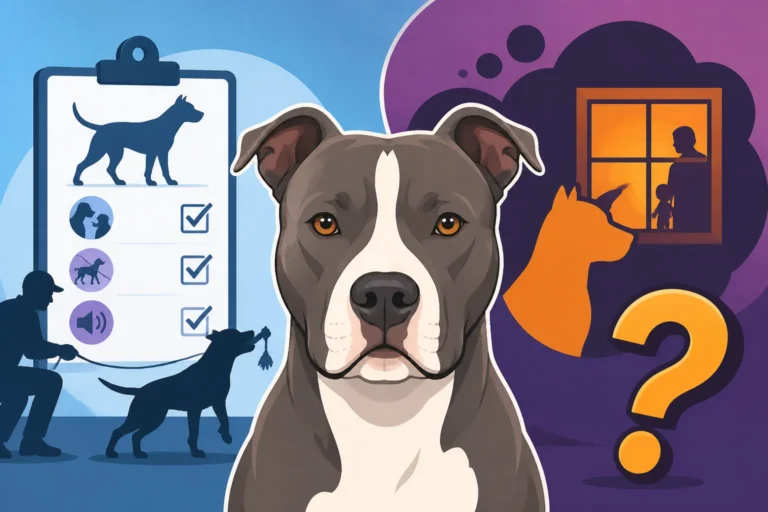
Recognizing that a dog's behavior is far more important than its perceived breed, shelters are increasingly investing in robust behavior assessment programs. These assessments evaluate a dog's reaction to various stimuli, such as people, other dogs, loud noises, and handling, to understand their individual temperament. This information allows shelters to make better matches between dogs and adopters, ensuring that a dog's needs align with a family's expectations.
Furthermore, many shelters and rescues offer or recommend training programs specifically designed for their Pit Bull type dogs. This might include basic obedience, leash manners, or even advanced training to help manage specific behaviors. Some organizations actively work on Canine Good Citizen certification, which can be a huge asset. These programs not only make the dogs more adoptable by showcasing their good manners but also equip adopters with the tools and knowledge to continue their dog's education at home. It demonstrates that these dogs are eager to learn and thrive with consistent, positive reinforcement. Many necessary training tools and high-value treats can be found readily on sites like Chewy.
Foster Networks and Advocacy
Foster programs have become indispensable in helping Pit Bull type dogs. Living in a home environment, even temporarily, can significantly reduce a dog's stress, improve their behavior, and allow the foster family to provide valuable insights into their true personality. A foster parent can tell potential adopters exactly how a dog behaves in a home setting – how they interact with children, other pets, or if they are house-trained – which is impossible to gauge in a kennel. Foster Programs for Shelter Pit Bulls are truly lifelines.
Beyond fostering, many organizations are strong advocates for Pit Bull type dogs, working to educate the public, challenge discriminatory laws, and promote responsible ownership. They share success stories, debunk myths, and highlight the loving, loyal nature of these dogs. This advocacy is vital in shifting public perception and creating a more accepting environment for Pit Bulls in communities across the nation. They fight for Breed Neutral Law Means for Pit Bulls to be implemented.
Supporting Pit Bulls in Your Community
If you're looking for ways to make a tangible difference for Pit Bull type dogs in shelters, there are many avenues open to you. Every action, no matter how small, contributes to a larger effort to give these deserving animals a better chance at life and a loving home. Your involvement can truly change a dog's world.
Volunteering and Donating
Shelters and rescue organizations are often stretched thin, relying heavily on the kindness of volunteers and donors. Volunteering your time can mean walking dogs, playing with them in outdoor runs, cleaning kennels, or helping with administrative tasks. Even spending a few minutes talking to a dog in its kennel can provide much-needed enrichment and human interaction, helping to reduce stress and improve their behavior. For Pit Bulls, who often face longer stays, this human connection is especially vital.
Financial donations, no matter the size, are also incredibly valuable. They help cover the costs of food, medical care, vaccinations, and training programs. Many shelters partner with retailers like Chewy for discounted supplies, so your donation can go a long way in providing essential items. Consider setting up a recurring donation, as the needs are constant, or donating specific items like durable toys that stand up to strong chewers, which Pit Bulls often are.
Fostering and Adopting
One of the most impactful ways to help is to open your home to a Pit Bull type dog, either temporarily through fostering or permanently through adoption. Fostering provides a dog with a much-needed break from the stressful kennel environment, allowing them to decompress, learn house manners, and showcase their true personality. Foster parents provide invaluable information to the shelter, helping to find the perfect adoptive match. Plus, every dog fostered or adopted frees up a kennel space for another animal in need. How Many Pit Bull Type Dogs Shelters Hold means every space matters.
Adopting a Pit Bull type dog means giving a deserving animal a second chance at life and offering it a stable, loving home. It's a commitment that requires patience, understanding, and a willingness to be a responsible ambassador for the breed type. By adopting, you not only save a life but also help challenge the negative stereotypes surrounding these dogs, showing your community the wonderful companions they truly are. Taking a Pit Bull Home From a Shelter is a truly rewarding experience.
Educating Others and Advocating
Knowledge is power, and educating yourself and others about Pit Bull type dogs is a crucial step in changing public perception. Share accurate information about their temperament, debunk common myths, and highlight positive stories. When you encounter someone with misconceptions, engage in a calm, factual discussion rather than confrontation. Point them to reliable resources that showcase the truth about these dogs.
Beyond individual conversations, consider becoming an advocate for breed-neutral policies. Support local and national organizations working to repeal BSL and other discriminatory practices. Write letters to your local representatives, share petitions, and participate in community awareness events. By speaking up and advocating for fair treatment, you can help create a more just and understanding world for all dogs, regardless of their appearance or label. This includes supporting initiatives that allow Whether a DNA Test Settles the Pit Bull Question to influence breed identification.
The Journey from Shelter to Forever Home
Bringing a Pit Bull type dog home from a shelter is a journey with many steps, each designed to ensure the best possible outcome for both the dog and its new family. It’s a process built on care, assessment, and finding the perfect match, laying the groundwork for a lifetime of companionship.
Initial Assessment and Care
When a Pit Bull type dog first arrives at a shelter, whether as a stray or an owner surrender, the first priority is a comprehensive intake process. This includes a full health check by a veterinarian, ensuring they are free from injuries or illnesses. They’ll be vaccinated, dewormed, and typically spayed or neutered if they haven't been already. Pit Bull Puppy Vaccination and Parvovirus is a key part of this process for younger dogs. Behavior assessments are also conducted to gauge their temperament, stress levels, and interactions with people and other dogs. This initial care is fundamental, as it addresses immediate health needs and helps the shelter staff understand the individual dog's personality.
During this period, the dog is given time to decompress from the often-stressful experience of entering a new, loud environment. Shelter staff and volunteers provide enrichment through walks, playtime, and quiet cuddle sessions, all aimed at helping the dog settle in and reveal its true nature. This critical first phase sets the stage for the rest of their journey, ensuring they are as healthy and emotionally ready as possible for adoption.
Matching with the Right Family
The goal of every shelter is to find a "forever home" – a loving, stable environment where a dog can thrive for the rest of its life. For Pit Bull type dogs, this matching process is particularly meticulous. Shelters strive to understand the potential adopter's lifestyle, living situation, experience with dogs, and expectations. Do they have other pets? Small children? A securely fenced yard? Are they active or prefer a couch potato companion? A Pit Bull in a House With Children needs careful consideration.
They then seek to match these factors with the individual dog's known temperament, energy level, and any specific needs. For example, a dog that prefers to be an only pet might be matched with a family without other animals. A high-energy dog might go to an active family, while a quieter dog might be perfect for an older couple. This careful matchmaking is vital, especially given the existing biases against Pit Bulls, to ensure a successful placement and prevent returns to the shelter. This is where What a Shelter Assesses in a Pit Bull truly comes into play.
Post-Adoption Support and Resources
A responsible shelter or rescue doesn't just send a dog home and wash their hands of it. Many offer crucial post-adoption support and resources to ensure a smooth transition for both the dog and the new family. This might include follow-up calls or emails, access to discounted training classes, behavioral advice, or recommendations for vets experienced with Pit Bulls. Some even provide initial supplies, often sourced through partnerships with retailers like Chewy, to help new owners get started.
This ongoing support can make all the difference, especially if new owners encounter unexpected challenges or have questions as their dog settles into its new environment. It reinforces the idea that adoption is a partnership, and the shelter remains a resource. By providing this safety net, shelters empower adopters to succeed, further cementing the bond between dog and family and ensuring that more Pit Bull type dogs find and keep their loving homes. This continuous commitment underlines the true dedication of these organizations.
| Factor | Challenge for Pit Bulls in Shelters | How Shelters/Community Address It |
|---|---|---|
| Identification | Visual misidentification leads to overrepresentation and perpetuates stereotypes. | Shifting to "breed neutral" labeling; focusing on individual dog's personality and behavior rather than appearance. |
| Stigma/Perception | Negative stereotypes cause fear and reduce adoption interest. | Educational campaigns, sharing positive stories, promoting responsible ownership, highlighting individual temperaments. |
| Legal/Housing Restrictions | Breed-specific legislation (BSL) and landlord bans severely limit eligible homes. | Advocating for BSL repeal, assisting adopters with landlord negotiations, fostering programs to circumvent housing issues. |
| Length of Stay | Longer stays in stressful kennel environments lead to behavioral decline and higher euthanasia rates. | Increased volunteer interaction, foster programs, comprehensive behavior assessments, targeted training. |
| Financial Burden | High costs for care, especially for dogs with medical needs, strain shelter resources. | Fundraising, donations (including supplies from retailers like Chewy), volunteer support to reduce operational costs. |
| Finding Matches | Difficulty in matching dogs with appropriate families due to perceived challenges. | Thorough adopter screening, detailed behavioral profiles, post-adoption support and resources. |
Disclaimer
This article is for general informational purposes only and does not constitute professional advice. Laws, prices and regulations vary by location and change over time. Consult a qualified professional for guidance on your specific situation.