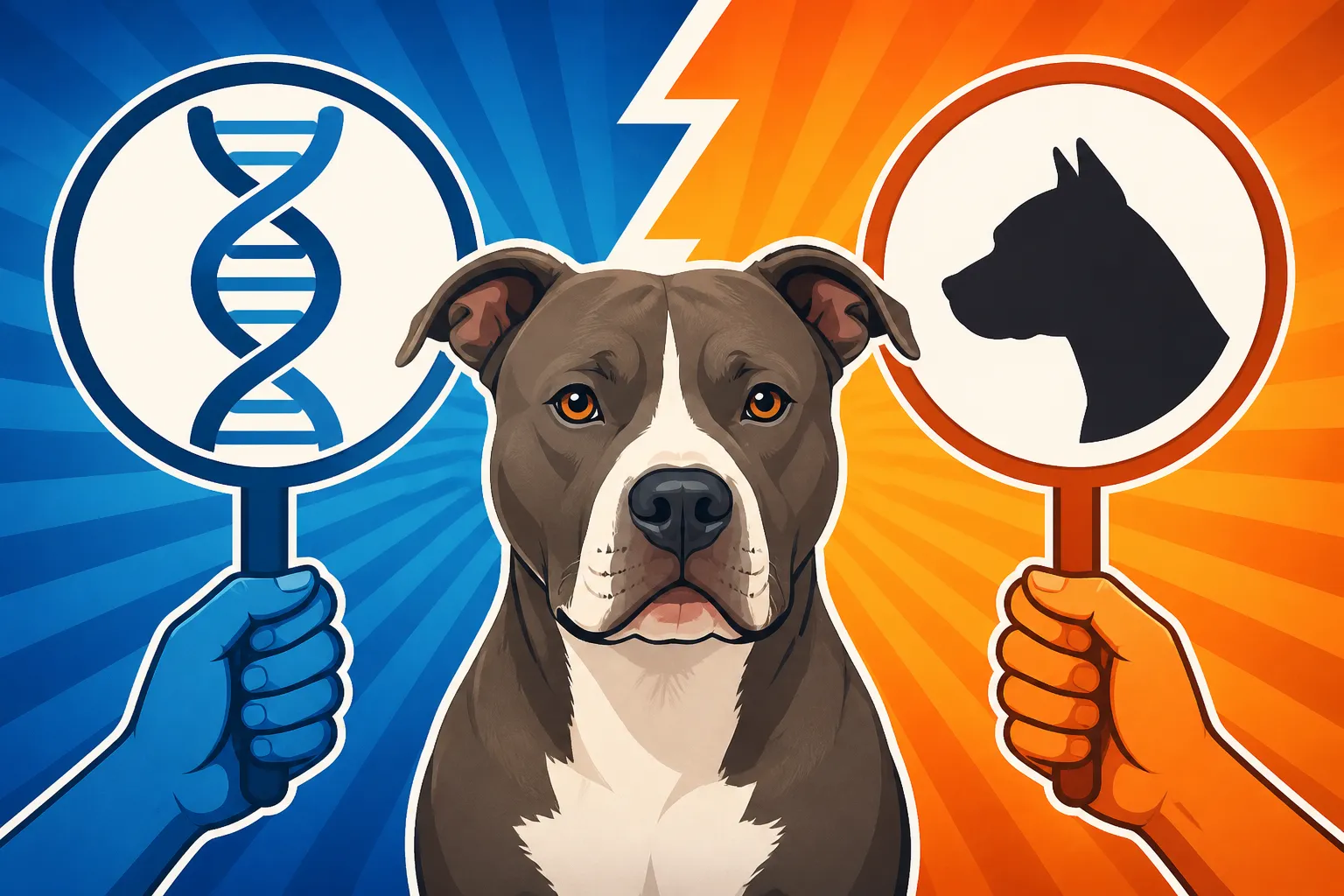
Whether DNA Should Decide a Pit Bull Label
It's incredibly frustrating, isn't it? You love your dog, you know its personality, but because of how it looks, it gets slapped with a label that brings with it a whole host of assumptions, restrictions, and sometimes, outright discrimination. Many Pit Bull owners grapple with this exact issue – their dog is visually identified as a "Pit Bull type" by landlords, insurance companies, or even strangers on the street, and it can feel like you're constantly fighting an uphill battle. This guide will delve into whether DNA testing can cut through that visual prejudice, exploring what these tests can and cannot do when it comes to defining your dog's breed and how those results might impact your life together.
The Frustration with "Pit Bull" Labels: Why Visual ID Falls Short
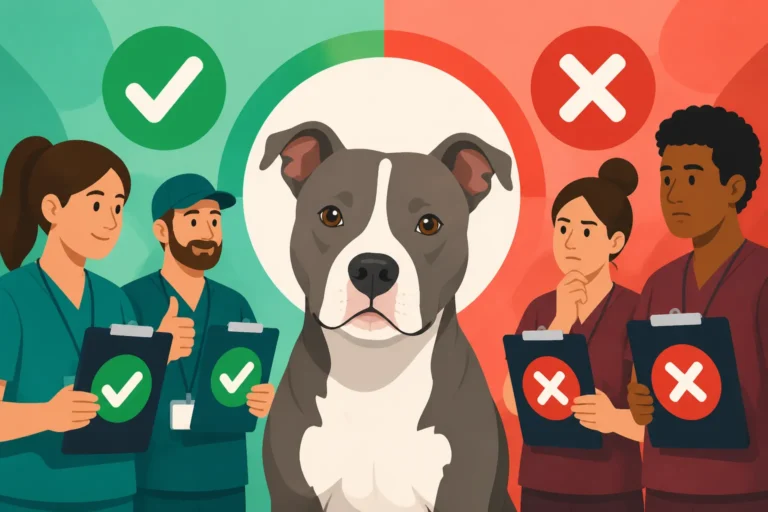
For years, people have judged dogs by their cover, so to speak. The moment a dog with a broad head, muscular build, and a certain look enters a room, many automatically think "Pit Bull." This immediate visual identification, while common, is often deeply flawed and carries heavy consequences for dogs and their owners.
The Subjectivity of Visual Breed Identification
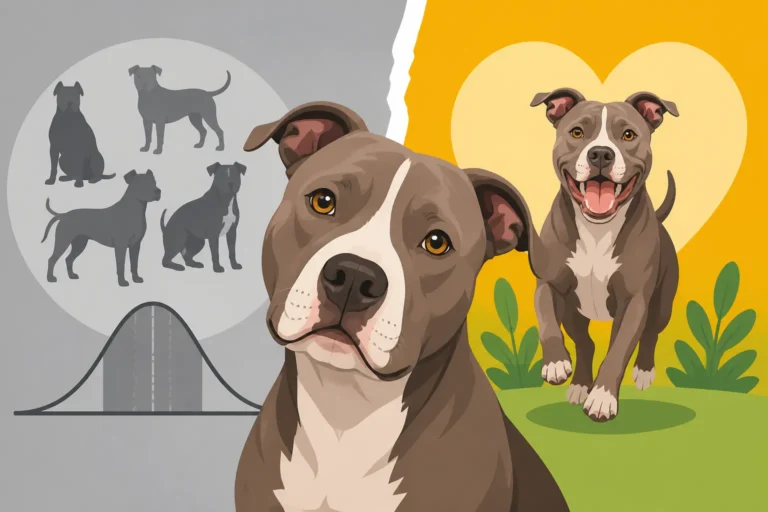
Think about it: how many times have you seen a dog that "looks" like a Pit Bull, only to find out it's actually a Boxer mix, a Labrador mix, or something else entirely? The term "Pit Bull" itself isn't a single, universally recognized breed in the same way a Golden Retriever or a German Shepherd is. It's an umbrella term, a type, that often includes breeds like the American Pit Bull Terrier, American Staffordshire Terrier, Staffordshire Bull Terrier, and even dogs mixed with various bully breeds, Boxers, or Mastiffs. This means that a wide array of dogs with similar physical characteristics get lumped into this one category.
The problem is that this visual assessment is incredibly subjective. What one person calls a "Pit Bull" another might identify as a "Boxer mix." Even seasoned animal professionals in shelters, with all their experience, frequently misidentify breeds based on looks alone. Studies have shown that visual identification, even by experts, is often wrong, sometimes by a significant margin. This puts owners in a difficult position, as they may know their beloved companion is a unique mix, but the world insists on labeling them something else entirely. It's like being told your dog is a certain kind of fruit because it's round, when in reality, it's a completely different (and equally wonderful) produce.
Consequences of a Misinformed Visual Label
The implications of this visual labeling are far-reaching and can significantly impact a dog's life and its family. Perhaps the most immediate frustration comes with housing. Many apartment complexes and rental properties have strict breed restrictions, with "Pit Bulls" almost always at the top of the prohibited list. A potential landlord might take one look at your otherwise perfectly behaved dog and deny your application, simply because of a perceived breed. We've heard countless stories from families struggling to find a home because of these blanket bans, forcing difficult choices or expensive compromises. Renters Insurance That Will Cover a Pit Bull can be a major hurdle, let alone finding a place to live.
Beyond housing, insurance companies often follow suit. Homeowners and renters insurance policies frequently include "aggressive breed" clauses, listing "Pit Bulls" as uninsurable or requiring significantly higher premiums. This means a family might be denied coverage or face exorbitant costs, all based on a visual assessment by someone who has never even met their dog. Furthermore, in areas with breed-specific legislation (BSL), a visual label can dictate whether a dog can even legally reside in a city or county, sometimes requiring special permits, muzzling in public, or even leading to confiscation. These consequences are not just inconveniences; they can severely limit a dog's opportunities for a happy, integrated life and put immense stress on their human companions. How a City Decides a Dog Is a Pit Bull often relies on visual cues, which, as we know, can be problematic.
What DNA Testing Can (and Cannot) Reveal About Your Dog
In an age of advanced genetics, it's natural to wonder if a simple DNA test can finally set the record straight and provide definitive proof of your dog's lineage, thereby sidestepping the issues that come with visual identification. The truth is, DNA testing offers valuable insights, but it's not a magic bullet.
The Science Behind Canine DNA Breed Identification
Canine DNA breed identification tests work by analyzing specific genetic markers in your dog's saliva. These markers are unique to different dog breeds. The sample is sent to a lab where the dog's DNA is compared against a vast database of genetic profiles from hundreds of recognized dog breeds. The test then identifies which breeds are present in your dog's genetic makeup, often breaking it down by percentage, sometimes going back several generations. You can easily find these test kits at major pet retailers, or online on sites like Chewy.
The accuracy of these tests is generally quite good for identifying recognized breeds. If your dog is a purebred Golden Retriever, the test will likely confirm that with high confidence. If it's a mix of, say, German Shepherd and Labrador, the test will usually pick up those components. However, it's crucial to understand the limitations. The accuracy depends heavily on the size and diversity of the reference database the testing company uses. Newer, rarer breeds, or specific regional landraces, might not be as well represented, leading to less precise results for those components. Moreover, most tests identify breeds that are recognized by major kennel clubs.
Why "Pit Bull" Isn't a Single Breed for DNA Testing
Here's where the nuance truly comes in: most commercial DNA tests do not have a category that simply says "Pit Bull." As we discussed, "Pit Bull" is a descriptive term for a type of dog, not a singular breed in the eyes of many major registries like the American Kennel Club (AKC). Instead, if your dog has what people visually identify as "Pit Bull" characteristics, its DNA test might show a combination of:
- American Staffordshire Terrier (AmStaff): Recognized by the AKC.
- American Pit Bull Terrier (APBT): Recognized by the United Kennel Club (UKC) but not the AKC. Some DNA databases include genetic markers for this distinct lineage.
- Staffordshire Bull Terrier: Recognized by both the AKC and UKC.
- Other bully breeds like the American Bulldog, Boxer, or even various Mastiff types.
So, while a DNA test might confirm that your dog has a significant percentage of American Staffordshire Terrier and some Boxer, it won't give you a result that simply says "Pit Bull." This distinction is incredibly important. When someone asks if your dog is a "Pit Bull," and your DNA results show "30% American Staffordshire Terrier, 25% Boxer, 20% Labrador, 25% mixed breed," you have a more nuanced answer. This can be a powerful tool for education, but it's not always accepted as a definitive denial of the "Pit Bull" label by those who only recognize visual cues. Understanding What a DNA Panel Says About a Pit Bull can help you interpret the results accurately.
The Real-World Impact of a DNA-Backed "Pit Bull" Label
So, you've invested in a DNA test, and you have a detailed breakdown of your dog's ancestry. Now what? The hope is that this scientific evidence will magically resolve all the issues stemming from visual identification. In some cases, it can help, but often, the real world is still catching up to the science.
Navigating Housing and Insurance with DNA Results
This is often the primary reason owners pursue DNA testing: to bypass breed restrictions in housing or insurance. The effectiveness of DNA results in these situations can be a mixed bag, largely depending on the specifics of the policy or lease, and the willingness of the landlord or insurer to accept scientific evidence over visual assessment.
For housing, if your lease specifically names "American Pit Bull Terrier" or "American Staffordshire Terrier" as prohibited breeds, and your DNA test shows a significant percentage of one or both, then the results might not help you. However, if your dog is clearly not one of those breeds according to the DNA, but is being visually labeled as a "Pit Bull," you might have a stronger case. For example, if your dog looks like a Pit Bull but the DNA test reveals it's a mix of Chow Chow, German Shepherd, and Bulldog, you could present that evidence to your landlord. Some landlords and HOAs (Homeowners Associations) are becoming more open to DNA evidence, especially when presented politely and clearly. However, many still operate under broad "Pit Bull type" clauses that can be quite encompassing, and a DNA test proving a complex mix might not sway them if a "bully breed" component is present. You can find useful information about HOA Bylaws That Restrict Pit Bulls that are important to consider.
When it comes to insurance, the situation is similar. Some progressive insurance carriers might be more receptive to DNA results, especially if it helps reclassify a dog that was visually identified as a high-risk breed into a less restricted category. However, many insurers still rely on a pre-defined list of breeds considered "dangerous" or high-risk, and these lists are often quite broad. Even if your dog's DNA report shows a complex mix without a single dominant "Pit Bull type" breed, if it looks like one of those breeds, the insurance company might still deny coverage or charge a higher premium. It truly varies from provider to provider, so it's always best to inquire directly with your insurance agent about their specific policies regarding DNA test results. It's often asked Whether a DNA Test Gets a Pit Bull Insured, but the answer is not always a simple yes.
The Limitations of DNA in BSL Areas
Perhaps the most challenging arena for DNA results is in areas with breed-specific legislation (BSL). These laws, often enacted at municipal or county levels, frequently define "Pit Bull type" dogs based on physical characteristics rather than genetic makeup. An animal control officer or municipal official might have the authority to declare a dog a "Pit Bull" based on visual assessment alone, regardless of what a DNA test might show.
In such cases, even with scientific proof of a mixed heritage, challenging a BSL designation can be an uphill battle, requiring legal counsel and potentially costly appeals. The definition of a "Pit Bull" in BSL ordinances can be frustratingly vague, often including "any dog that has the appearance and characteristics of" certain breeds. This leaves a lot of room for subjective interpretation, and a DNA test identifying, say, 25% American Staffordshire Terrier might still fall under their "type" definition, especially if combined with the visual assessment. It's a harsh reality that scientific evidence, while valuable for personal knowledge and advocacy, doesn't always trump deeply entrenched legal definitions and public perception. Knowing Where Pit Bull Restrictions Still Stand can help you understand the specific challenges you might face.
When to Consider a DNA Test for Breed Identification
Given the complexities, deciding whether to pursue a DNA test for your dog is a personal choice that balances curiosity with practical considerations. It's not a decision to be taken lightly, especially if you're hoping for a specific outcome.
Personal Curiosity vs. Practical Necessity
Many Pit Bull owners choose to get a DNA test simply out of personal curiosity, and that's a perfectly valid and wonderful reason! Understanding your dog's background, where they come from genetically, can be incredibly rewarding. It can shed light on certain behaviors you observe, help you understand their physical traits, and deepen your bond as you learn more about their unique heritage. For many, it's about connecting with their dog's story, and you can pick up a kit from Chewy and have fun with the results.
However, if you're considering a DNA test out of practical necessity – primarily to address housing or insurance issues – you need to temper your expectations. While the results can sometimes be helpful, they are not a guaranteed solution. Before you send off that swab, consider the specific challenges you're facing. Is your landlord's policy vague on breed restrictions, or does it explicitly name specific breeds? Has your insurance company indicated they would consider DNA evidence? If your goal is primarily to use the DNA results to challenge a label, it's wise to do some preliminary research with the relevant parties (landlord, insurance agent) to gauge their openness to such evidence. Sometimes, a "mixed breed" designation might be more advantageous than one confirming a percentage of a prohibited breed, even if small.
Understanding What the Results Mean for You
No matter your reason for testing, it's essential to approach the results with an open mind and a realistic understanding of what they mean for your specific situation. If your dog gets labeled visually as a "Pit Bull" and the DNA test comes back showing significant percentages of American Staffordshire Terrier or American Pit Bull Terrier, you'll have scientific confirmation of that ancestry. This doesn't make your dog any different, but it provides a factual basis for understanding why the visual label exists. It’s important to remember that the term Why Pit Bull Is a Type and Not a Breed is a key component to understanding the DNA results.
On the other hand, if the DNA test shows no "Pit Bull type" breeds at all, but your dog still looks like one, you'll have solid evidence to present. Even then, be prepared that some people or institutions might still rely on their visual assessment. The results are a tool, a piece of objective data, but they might not override ingrained prejudices or blanket policies. The best approach is to use the DNA information to educate yourself and others, to advocate for your dog's true identity, and to champion responsible dog ownership, regardless of what label someone tries to place on them. Knowing How Accurate a Visual Pit Bull Call Is can help you explain the discrepancies between looks and genetics.
Ultimately, while DNA testing offers fascinating insights into our dogs' genetic heritage, its power to unilaterally decide or override a "Pit Bull" label in societal contexts is still evolving. It's a step towards clarity, but one that often requires ongoing advocacy and education from dedicated owners like you.
Disclaimer
This article is for general informational purposes only and does not constitute professional advice. Laws, prices and regulations vary by location and change over time. Consult a qualified professional for guidance on your specific situation.