Pit Bull Size, Color and Physical Type
It's incredibly frustrating when you're trying to understand your dog's heritage or predict their needs, only to be met with a confusing array of terms like "Pit Bull" that seem to mean everything and nothing all at once. The truth is, what most people refer to as a "Pit Bull" isn't a single, officially recognized breed, but rather a type of dog with a broad range of physical characteristics. This guide will dive deep into the diverse world of Pit Bull size, color, and physical type, helping you navigate the nuances and understand the beautiful, powerful dogs that fall under this much-discussed umbrella.
Understanding the "Pit Bull" Umbrella
When you hear someone say "Pit Bull," what image immediately springs to mind? For many, it's a muscular, short-coated dog with a powerful head and an intense gaze. But the reality is far more complex and varied. This term has become a catch-all, encompassing several distinct breeds and countless mixes, each with their own specific standards and histories. This broad definition is precisely why there's so much confusion, and why understanding the distinctions is crucial.
Why "Pit Bull" Isn't a Single Breed
Let's get this out of the way upfront: there is no single, universally recognized breed called "Pit Bull" by major kennel clubs. This is perhaps the biggest source of misunderstanding and debate. When people use the term, they're generally referring to a collection of breeds that share common ancestors and a similar physical appearance. These are often dogs with a strong, athletic build, short coats, and distinctive head shapes, rooted in bull-and-terrier crosses from centuries past. Because of this, two dogs that look very "Pit Bull-like" could actually be entirely different breeds, or a mix of several. It's like calling all tissue paper "Kleenex" – it's a generic term that's become common usage but doesn't reflect the specific product.
The history of these dogs is intertwined with various purposes, from working on farms to baiting sports (which, thankfully, are long outlawed). As different bloodlines were developed for specific traits, distinct breeds emerged, yet the colloquial "Pit Bull" label persisted, lumping them all together. This lack of a precise definition can be a real headache for owners dealing with breed-specific legislation, insurance companies, or even just trying to explain their dog's background to curious strangers. It's why diving into What the Word Pit Bull Actually Covers is so important for new owners.
The Main Breeds Under the Banner
While "Pit Bull" isn't a breed, several specific breeds are consistently grouped under this descriptive term. Understanding these individual breeds is key to appreciating the diversity within the type and dispelling some myths.
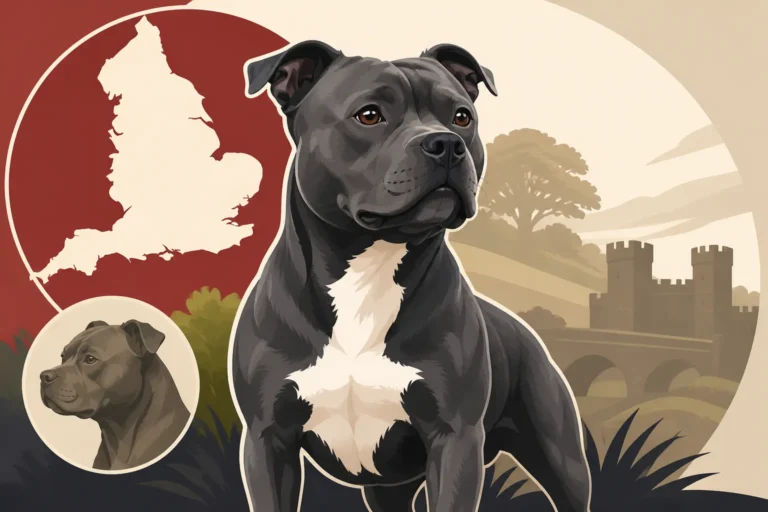
The most commonly recognized breeds associated with the "Pit Bull" type are the American Pit Bull Terrier (APBT), the American Staffordshire Terrier (AmStaff), and the Staffordshire Bull Terrier (Staffie). Each has its own distinct breed standard, history, and characteristics, even though they share a common ancestry and often get visually confused. The APBT is primarily recognized by the United Kennel Club (UKC) and the American Dog Breeders Association (ADBA). The AmStaff is recognized by the American Kennel Club (AKC), which generally aims for a slightly heavier-boned, stockier dog than the APBT. The Staffie, originating in England, is significantly smaller than its American cousins and is recognized by both the AKC and the UKC. More recently, the American Bully has also emerged, often deriving from Pit Bull type dogs but bred for an even more exaggerated, massive, and powerful physique. These distinctions, while sometimes subtle to the untrained eye, are significant to breeders and enthusiasts.
It's also worth noting that many dogs labeled "Pit Bull" in shelters are actually mixed breeds, often containing a blend of these bully breeds along with others. Their physical appearance simply falls into what the general public, or even shelter staff, perceives as a "Pit Bull." This makes visual identification a really tricky business, and often inaccurate, as we’ll explore later.
Size and Build: The Athletic Physique
One of the defining characteristics of the Pit Bull type is their athletic, muscular build. These are dogs bred for strength, agility, and stamina. However, there's quite a range in size and structure, even among the recognized breeds within the type. You wouldn't mistake a compact Staffie for a robust AmStaff if you knew what to look for, but the nuances are often lost in casual observation.
American Pit Bull Terrier (APBT) Dimensions
The American Pit Bull Terrier, often considered the archetypal "Pit Bull," embodies a balance of strength and agility. When you think of a lean, powerful dog with a determined expression, the APBT often fits that image. Their build is typically more refined and athletic compared to some of their bulkier cousins, emphasizing function over sheer mass.
A typical adult male APBT might stand anywhere from 18 to 21 inches tall at the shoulder, with females being slightly smaller, usually between 17 and 20 inches. Weight can vary quite a bit, generally ranging from 35 to 60 pounds for males, and 30 to 50 pounds for females. However, don't let those numbers fool you; they pack a lot of muscle into that frame. They possess a deep chest, well-sprung ribs, and a strong, tapered neck that flows into muscular shoulders. Their legs are straight and strong, allowing for powerful propulsion and quick turns. They should appear lean, not heavy, with visible muscle definition and a tucked-up abdomen that speaks to their athleticism. This breed standard, detailed further in The American Pit Bull Terrier as the UKC Defines It, highlights their working dog heritage and the importance of a fit, well-proportioned body.
American Staffordshire Terrier (AmStaff) Characteristics
The American Staffordshire Terrier shares a common ancestry with the APBT but has been selectively bred, particularly under the American Kennel Club (AKC) standard, for a slightly different physical impression. While still incredibly athletic and strong, the AmStaff tends to be a bit stockier, heavier-boned, and more "cobby" in build than the APBT. This distinction reflects different breeding goals and preferences over the decades since the breeds diverged.
AmStaffs typically stand between 17 and 19 inches tall at the shoulder, with males often at the higher end. Their weight range is generally 50 to 70 pounds, often appearing more substantial than an APBT of similar height. They have a broader head, a more pronounced stop, and a heavier overall bone structure. Their chest is deep and wide, and their muscular frame gives them a powerful, confident stance. While still active and agile, their build suggests more raw power and less of the "greyhound-like" lean athleticism sometimes seen in APBTs. You can delve deeper into their specific traits in The American Staffordshire Terrier Standard, which lays out the ideal characteristics for this magnificent breed.
Staffordshire Bull Terrier (Staffie) Size
Now, if you want to see a significant size difference within the "Pit Bull" type, look no further than the Staffordshire Bull Terrier. These charming dogs are often mistakenly identified as Pit Bull puppies, but they are a distinct, smaller breed. Their compact size makes them ideal for many households, but they retain all the courage, intelligence, and muscularity of their larger cousins.
Staffies are much shorter, typically standing only 14 to 16 inches tall at the shoulder for both males and females. Their weight usually falls between 24 and 38 pounds. Despite their smaller stature, they are incredibly robust and muscular, giving the impression of a "pint-sized powerhouse." They have a distinctly broad skull and a very powerful jaw for their size, with well-developed cheek muscles. Their short, dense coat highlights their impressive musculature. They are famously affectionate and often called "nanny dogs" in their native England, a testament to their reputation with children, though no dog should ever be left unsupervised with kids. Their origins and specific characteristics are wonderfully detailed in The Staffordshire Bull Terrier and Its English Origin, which emphasizes their balanced, active, and thoroughly engaging nature.
Coat Colors and Patterns: A Kaleidoscope of Possibilities
One of the most visually striking aspects of Pit Bull type dogs is the incredible array of coat colors and patterns they display. From solid hues to intricate brindles, there's a huge spectrum that makes each dog unique. This diversity sometimes leads to special descriptive terms, which can be confusing if you don't understand their genetic basis.
Common and Accepted Colors
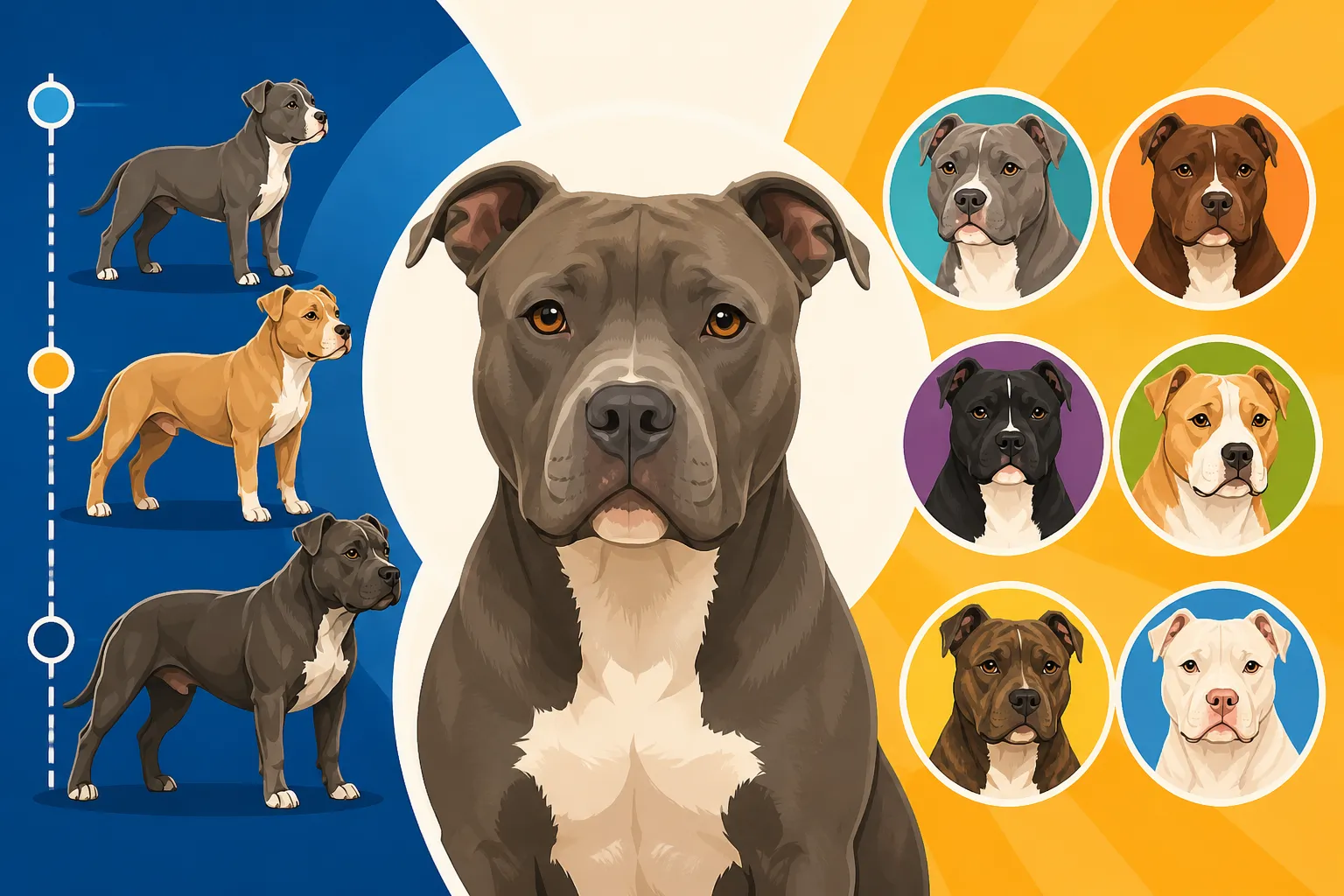
Pit Bull type dogs come in almost every canine coat color imaginable. This extensive palette is part of their appeal and a testament to their diverse genetic heritage. You'll commonly see solid colors like black, white, fawn (a light tan), red, and blue (which is actually a diluted black, appearing as a soft grey). Cream and buckskin are also popular, often with darker masks. Brindle patterns are incredibly common and cherished, featuring stripes of one color over another, such as black brindle over a red or fawn base. Piebald (large patches of color on a white background) is also frequently seen and accepted.
Most breed standards for APBTs and AmStaffs accept a wide variety of colors and patterns, often with very few disqualifications based on color alone, unlike some other breeds. The emphasis is typically on overall health and structure rather than a rigid color scheme. This means you could have two perfectly standard, well-bred Pit Bull types that look entirely different in terms of color, from a sleek black dog with piercing amber eyes to a striking red brindle with a white chest. It's truly a spectrum of beauty.
"Blue Nose" and "Red Nose": Understanding Pigmentation
These terms, "Blue Nose" and "Red Nose," are incredibly popular and often generate a lot of discussion, but they don't refer to separate breeds. Instead, they are descriptive labels based on the pigmentation of a dog's nose, paw pads, and often eye rim and lip color, which is directly linked to their coat color genetics.
A "Blue Nose Pit Bull" is simply a Pit Bull type dog with a dilute black gene, which results in a grey or "blue" coat and, crucially, a blue-grey nose, blue eyes (often as a puppy, sometimes remaining in adulthood), and blue-grey paw pads and eye rims. The entire genetic package is diluted, not just the coat. These dogs are quite striking and often sought after for their unique appearance. However, beyond the visual, there's no inherent difference in temperament or health between a "blue nose" and any other color. The term is purely aesthetic. To learn more about this specific phenotype, check out Blue Nose Pit Bulls and What the Term Means.
Similarly, a "Red Nose Pit Bull" refers to a dog with a recessive red gene that results in a copper, rust, or red-colored coat, paired with a pinkish, brick-red, or liver-colored nose, light eyes (often amber or gold), and corresponding lighter pigmentation on their paw pads and lips. This particular phenotype is often associated with older, well-established bloodlines, especially the "Old Family Red Nose" strain, which was historically known for certain traits. Like blue noses, "red nose" is a color description, not a separate breed or an indication of a specific temperament or ability. You can find a deeper dive into their background and characteristics in Red Nose Pit Bulls and the Old Family Line.
Controversial and Disqualified Colors (Merle)
While Pit Bull type dogs exhibit a wide range of accepted colors, there are some patterns that are generally not accepted by reputable breed registries and can even be linked to health concerns. The most prominent example here is the "merle" pattern.
Merle is characterized by mottled patches of color and lighter areas, often with blue or parti-colored eyes. While beautiful in breeds where it's naturally occurring (like Australian Shepherds or Border Collies), merle is not a naturally occurring color in the original bull-and-terrier lineage that formed the Pit Bull type breeds. Its presence indicates that other breeds with the merle gene (such as various Collies, Shepherds, or Dachshunds) have been introduced into the bloodline at some point. For this reason, merle is universally considered a disqualifying fault by the UKC for the APBT and is not recognized for AmStaffs by the AKC. Beyond breed standards, breeding merle dogs, especially merle-to-merle, carries significant health risks. Dogs with two copies of the merle gene (double merle) often suffer from severe eye defects (microphthalmia, blindness) and hearing impairments (deafness). This makes breeding for merle in Pit Bulls an irresponsible practice from a health standpoint, and it's why registries largely reject it, as discussed in Why Registries Reject Merle Pit Bulls.
Head Shape and Jaw Structure: The Powerful Features
When most people picture a Pit Bull, the head is often the first thing they notice. It's a hallmark of the type: powerful, broad, and often conveying an intense, intelligent expression. This strong head, combined with their formidable jaws, contributes to their reputation, sometimes unfairly.
Distinctive Head Shapes Across Types
The head is perhaps the most defining physical feature across the Pit Bull type, and while sharing a general powerful appearance, there are subtle yet important differences between the breeds. Generally, Pit Bull type dogs possess a broad, deep skull, often with prominent cheek muscles that give them a distinctive "blocky" or "brick-like" appearance. Their muzzle is typically medium length, often tapering slightly from the stop to the nose, and well-developed.
For the American Pit Bull Terrier, the head is usually described as being of medium length, broad, and deep, with a strong, distinct stop (the indentation between the eyes). The overall impression is powerful but not overly massive, maintaining a sense of refinement. The American Staffordshire Terrier, by contrast, tends to have an even broader head and a more pronounced stop, giving them a more "chunky" or "bulldog-like" appearance, in keeping with their heavier build. Staffordshire Bull Terriers, despite their smaller size, also boast a very broad skull for their body, with pronounced cheek muscles and a relatively short, deep muzzle. These variations, though sometimes subtle, are key identifiers for those familiar with the individual breed standards.
The Truth About "Locking Jaws"
This is perhaps the most enduring and damaging myth associated with Pit Bulls: the idea that they possess "locking jaws." It's a sensational claim that has fueled fear and misunderstanding for decades, but it is, quite simply, false. No dog breed, including any of the Pit Bull types, has a physiological mechanism that allows their jaws to "lock" in place. There are no special hinges, interdigitating teeth, or unique bone structures that enable this.
The perception of a "locking jaw" comes from their incredible tenacity and the powerful way they can hold onto something once they've engaged. These dogs were selectively bred for purposes where holding on was paramount—whether it was to livestock in working roles or to opponents in historical, cruel sports. Their strength comes from extremely well-developed jaw muscles, a wide gape, and an inherent drive to grip and hold. This combination can make it feel like their jaws are locked, but it is purely muscular and behavioral, not mechanical. Understanding Whether Pit Bulls Have Locking Jaws is vital to debunking harmful stereotypes and promoting accurate information about these dogs.
Jaw Strength and Bite Force
While the "locking jaw" is a myth, it doesn't diminish the fact that Pit Bull type dogs possess impressive jaw strength and bite force. Their muscular heads and powerful jaws are a hallmark of their bull-and-terrier heritage, where they were bred for strength and the ability to hold.
Studies on canine bite force have shown that larger breeds generally have higher bite pressures, simply due to their size and musculature. Pit Bulls, being medium to large, athletic dogs, naturally fall into the category of breeds with significant bite potential. This isn't unique to them; many breeds, from German Shepherds to Rottweilers, possess comparable, if not greater, bite force. The key difference often lies in the Pit Bull's willingness to engage and their tenacity in holding. This strong bite requires responsible ownership, including proper training in bite inhibition from a young age, providing appropriate, durable chew toys (you'll find great options on Chewy for even the most determined chewers), and focusing on building a dog with impulse control. Acknowledging their physical capabilities is part of being a responsible owner, without resorting to exaggerations or myths.
Ear Types and Tail Set: Form and Function
Beyond the head and body, the ears and tail also contribute significantly to the overall appearance of Pit Bull type dogs. While natural ear sets are becoming more widely appreciated, the practice of ear cropping remains a visual identifier for many, often sparking debate. The tail, while less dramatic, also has its characteristic carriage.
Natural Ear Shapes
When left untouched, Pit Bull type dogs display a range of natural ear shapes that beautifully frame their expressive faces. The most common natural ear types include "rose ears," which are small, fold back, and lie flat against the head, with the fold breaking just above the skull. "Semi-prick ears" are also seen, where the ear stands erect at the base but the tip folds forward. Some dogs may also have "drop ears," where the entire ear hangs down flat against the side of the head.
These natural ear sets are becoming increasingly common as ear cropping declines in popularity and legality in many places. They allow the dog to express themselves more clearly through ear movements, and are generally considered healthier, as they avoid the potential pain, infection risk, and stress of surgery. Observing a Pit Bull with natural ears gives a softer, often more approachable look, allowing their inherent charm to shine through without alteration.
Ear Cropping: History and Controversy
Ear cropping is a surgical procedure where a portion of the dog's ear flap is removed, typically to make the ears stand upright. Historically, this practice was common in working dogs to prevent ear injuries during tasks like fighting or hunting. For Pit Bull type dogs, it became an aesthetic standard, particularly in the American Pit Bull Terrier and American Staffordshire Terrier, giving them a more alert, fierce, or "game" appearance.
Today, ear cropping is a highly controversial practice. It is banned or restricted in many countries, including most of Europe and Australia, due to animal welfare concerns. In regions where it's still legal (like parts of the United States), it's typically performed by a veterinarian, often between 8 and 12 weeks of age, followed by a period of taping to train the ears to stand. Advocates argue it's part of the breed's traditional look and can prevent ear infections (though scientific evidence is mixed on this). Opponents, however, view it as a painful, unnecessary cosmetic surgery that serves no functional purpose for a companion animal. For many, it represents an outdated practice that prioritizes human aesthetics over animal welfare. The debate around Why Pit Bull Ears Are Still Cropped highlights these conflicting viewpoints.
Tail Set and Carriage
The tail of a Pit Bull type dog is typically a medium-length appendage, often described as a "pump handle" or "whip" tail. It's usually set low and carried low, tapering to a fine point. When the dog is relaxed or focusing, the tail hangs loosely or is gently curved. However, don't mistake a low-carried tail for a sign of fear or submission; it's simply their natural carriage.
When excited, happy, or actively engaged, a Pit Bull's tail can wag with incredible enthusiasm, often described as a full-body wag that causes their entire hindquarters to wiggle. Unlike some breeds with curled or high-set tails, their tail rarely curls over their back. A kinked, short, or excessively long tail would generally be considered a fault in most breed standards. Their tail acts as a crucial communication tool, capable of conveying a wide range of emotions, from playful joy to focused concentration.
Distinguishing Features and Common Misidentifications
The challenge with Pit Bulls is that their distinct look is actually a type that many breeds and mixes fit into. This makes accurate identification incredibly difficult, which has real-world consequences for owners and their dogs. Understanding these nuances is key to navigating public perception and breed-specific issues.
Visual Identification Challenges
If you've ever tried to guess a dog's breed just by looking, you know how tricky it can be. With Pit Bull types, it's exponentially harder. The traits associated with the "Pit Bull" look—a muscular body, broad head, and short coat—are shared by dozens of breeds and countless mixed-breed dogs. This means that a visual identification, even by experienced professionals, is notoriously inaccurate. A study published in the Journal of the American Veterinary Medical Association found that shelter staff, despite their experience, frequently misidentified the breeds of dogs, especially those perceived as Pit Bulls. Dogs with no Pit Bull DNA were often labeled as such, and vice-versa.
This issue is critical because a visual "Pit Bull" label can literally be a life-or-death decision in some areas with breed-specific legislation or within shelters. It impacts adoption rates, insurance coverage, and housing options. It’s why relying solely on how a dog "looks" to determine its breed is deeply flawed and often unfair. This widespread misidentification is a huge frustration for many owners, and learning How Accurate a Visual Pit Bull Call Is can shed light on the systemic problem.
Comparing Pit Bull Types to Similar Breeds
The "Pit Bull" visual can be confusingly similar to several other powerful, short-coated breeds. For example, many people confuse Boxers or even certain types of Bulldogs with Pit Bulls due to their muscular build and head shape. American Bulldogs, for instance, are often mistaken for larger, heavier Pit Bulls, but they are a distinct breed with different historical development and characteristics. Bull Terriers, with their unique egg-shaped head, are another bully breed that gets lumped into the general Pit Bull category by the uninformed public.
Even among the specific breeds under the Pit Bull umbrella, distinguishing them can be challenging without knowing their lineage. Telling an APBT from an AmStaff, for example, often comes down to subtle differences in overall bone structure, head proportion, and gait—differences that are more apparent to breed enthusiasts and judges. This is where DNA testing can offer clarity, although even then, many tests group "Pit Bull type" dogs under a broad "American Staffordshire Terrier/Pit Bull" category due to their intertwined history. It's a complex web, and understanding the differences can help advocate for your dog.
The Impact of Physical Stereotypes
The distinct physical appearance of Pit Bull type dogs, unfortunately, comes with a heavy burden of stereotypes. Their powerful build, strong jaws, and sometimes cropped ears contribute to a perception of aggression or danger, regardless of an individual dog's temperament or training. This stereotype is deeply ingrained in public consciousness and has tangible, negative consequences for these dogs and their owners.
From outright bans in certain cities and towns (Breed Specific Legislation, or BSL) to restrictions in housing (landlords often have breed clauses explicitly naming Pit Bulls) and exclusions from homeowners insurance policies, the physical stereotype of a "Pit Bull" directly impacts their lives. A family might be denied an apartment or face exorbitant insurance premiums simply because their beloved, gentle dog looks like a Pit Bull, even if it's a mixed breed with no aggressive tendencies. It's a frustrating reality that often forces owners into difficult decisions. Understanding What a Landlord Looks At Before Refusing a Dog can provide crucial insights into these challenges.
Caring for Their Physical Needs
Having explored the diverse physical characteristics of Pit Bull type dogs, it's equally important to understand how to care for their specific physical needs. Their robust build, short coat, and athletic nature dictate particular considerations for grooming, nutrition, and exercise to ensure they live a healthy, happy life.
Coat Care and Grooming
One of the upsides of a Pit Bull type dog is their relatively low-maintenance coat. Most Pit Bulls have a short, stiff, single coat that lies close to the body. This means you won't be dealing with mats or extensive brushing routines like you would with a long-haired breed. However, "low-maintenance" doesn't mean "no-maintenance."
Pit Bulls do shed, and surprisingly, their short, coarse hairs can really weave themselves into carpets and upholstery! Regular brushing, about once a week, with a rubber curry brush or a shedding blade, is highly effective at removing loose hair, distributing natural skin oils, and stimulating circulation. Many owners find Rubber Curry Brushes for a Pit Bull to be particularly effective for their short coats. Bathing can be done as needed, typically every few weeks to a month, or if they get particularly dirty. Using a good quality dog shampoo will help keep their skin healthy and coat shiny. Because of their short coats, they are susceptible to sunburn on exposed skin (like pink noses or bellies) and can get chilly in cold weather, so appropriate protection is important. Regular nail trims are also crucial, as overgrown nails can cause pain and lead to paw problems.
Nutrition for a Muscular Build
Given their naturally muscular and athletic physique, proper nutrition is paramount for Pit Bull type dogs. They need a high-quality diet that supports their energy levels, muscle mass, and overall health without leading to excessive weight gain. Obesity in any dog, but especially in a powerful, compact breed, puts undue strain on joints and organs.
Look for a dog food that lists a high-quality meat source as the first ingredient. The caloric needs will vary depending on their activity level, age, and individual metabolism, so it's essential to consult with your veterinarian and follow feeding guidelines carefully. Avoid free-feeding; measured meals twice a day are generally recommended to help manage weight and monitor appetite. For very active dogs, a diet with adequate protein and healthy fats will fuel their workouts. Conversely, for less active or aging dogs, careful calorie management is vital to prevent them from becoming overweight, which can sneak up on you under all that muscle. You can dive deeper into this topic in Feeding a Pit Bull to Keep Muscle Without Fat, which emphasizes balancing their diet to maintain that lean, powerful frame. Chewy offers a wide range of high-quality dog foods that can support their nutritional needs, from performance formulas to sensitive stomach options.
Exercise for a Powerful Dog
Pit Bull type dogs are athletic and intelligent, and they thrive with consistent, appropriate exercise and mental stimulation. They are not couch potatoes by nature, although a well-exercised Pit Bull will certainly enjoy lounging with their family! Under-exercised Pit Bulls can become bored, leading to destructive behaviors like chewing, digging, or excessive barking.
Aim for at least 60-90 minutes of vigorous exercise daily, which can be broken into multiple sessions. This could include brisk walks, jogging, hiking, fetch, or structured playtime in a securely fenced yard. They often excel in dog sports like agility, obedience, or even weight pull, which engage both their bodies and minds. Tug-of-war is another favorite, but always ensure it's played with clear rules to prevent resource guarding. Due to their tenacity and strength, consistent leash training is essential, as is a secure harness or collar (Chewy has many options designed for strong pullers). Remember that puppies and young dogs need exercise tailored to their growth plates; excessive jumping or high-impact activities should be limited until they are fully grown. Understanding The Daily Exercise a Pit Bull Actually Needs will help you create a routine that keeps your Pit Bull happy, healthy, and well-behaved.
| Breed Type | Typical Height (Shoulder) | Typical Weight | General Build | Head Shape |
|---|---|---|---|---|
| American Pit Bull Terrier | 17-21 inches | 30-60 lbs | Athletic, lean, agile | Medium length, broad, deep; distinct stop |
| American Staffordshire Terrier | 17-19 inches | 50-70 lbs | Stocky, heavy-boned, powerful | Broader, more pronounced stop; "blockier" |
| Staffordshire Bull Terrier | 14-16 inches | 24-38 lbs | Compact, very muscular | Very broad for size; pronounced cheekbones |
Disclaimer
This article is for general informational purposes only and does not constitute professional advice. Laws, prices and regulations vary by location and change over time. Consult a qualified professional for guidance on your specific situation.