Ear Cropping in Pit Bull Type Dogs
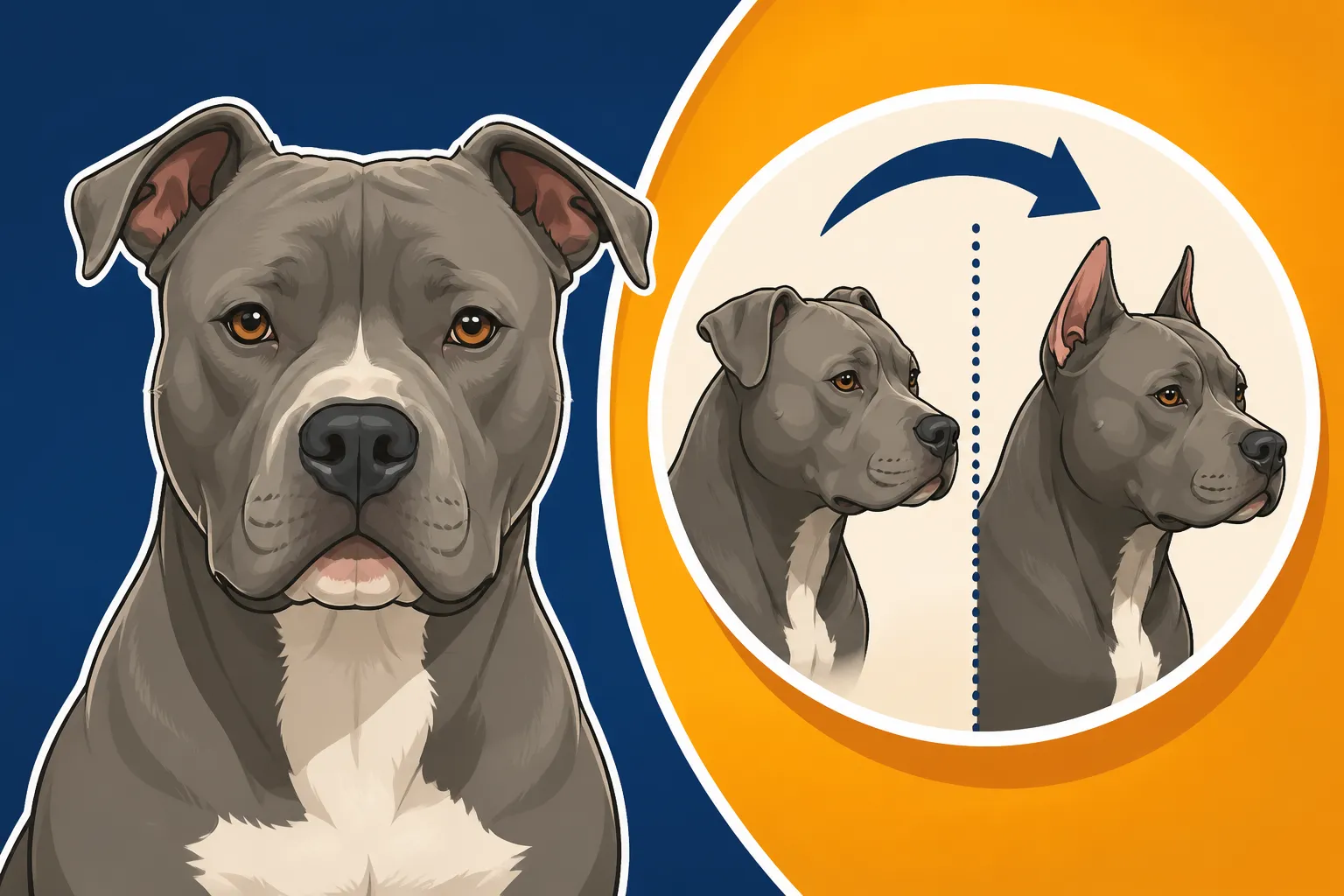
You’ve probably seen plenty of Pit Bull type dogs with those distinctive, upright ears, giving them a very sharp and alert look. It’s a classic image, ingrained in many people’s minds. But then you see others with their natural, soft, floppy ears, and it can leave you wondering: why the difference? Is one better than the other? What’s the deal with ear cropping anyway? This guide is here to untangle the history, the procedure, the real-world implications, and the ongoing debate surrounding ear cropping in Pit Bull type dogs, helping you understand the choices owners face.
The Historical Context of Ear Cropping in Pit Bull Type Dogs
The practice of ear cropping isn't something new; it has roots that stretch back centuries, far before our modern understanding of animal welfare. For Pit Bull type dogs, in particular, this history is often intertwined with their original roles.
Origins in Working Roles
Back in the day, when Pit Bull ancestors were first being developed, their primary functions were often working roles that put them in challenging and sometimes dangerous situations. Think about the rough and tumble world of baiting large animals like bulls or bears, or even dog-on-dog combat (which, thankfully, is illegal and condemned today). In these brutal environments, a dog's ears, being soft and exposed, were vulnerable.
A dog with floppy ears in such a scenario could have its ears torn, bitten, or ripped, leading to painful injuries, excessive bleeding, and a high risk of infection. For working animals, any injury that put them out of commission or compromised their fighting ability was a huge disadvantage. Cropping the ears, therefore, was a crude but effective way to minimize this risk. The idea was simple: if there was less ear to grab or injure, the dog would be safer and more effective in its role. It wasn't about aesthetics then; it was about what was perceived as practical survival in a harsh existence. This utilitarian purpose, however grim, laid the groundwork for the practice.
Aesthetic Preferences and Breed Standards
As the working roles of these dogs evolved, and eventually, some moved into companion animal roles or structured dog sports, the practice of ear cropping began to shift from pure utility to something more aesthetic. The "look" became associated with the breed type, symbolizing strength, alertness, and a certain traditional appearance. People became accustomed to seeing these dogs with cropped ears, and it became part of their visual identity.
For specific breeds that fall under the "Pit Bull type" umbrella, like the American Pit Bull Terrier, recognized by the United Kennel Club (UKC), or the American Staffordshire Terrier, recognized by the American Kennel Club (AKC), ear cropping was often allowed or even described in their respective breed standards. These standards are essentially blueprints for what an ideal dog of that breed should look like. While they don't mandate cropping, they have historically outlined acceptable crop styles, which subtly encourages the practice for those aiming to show their dogs or maintain a traditional image. You can explore this further in The American Pit Bull Terrier as the UKC Defines It or The American Staffordshire Terrier Standard. Over time, this perpetuates the idea that cropped ears are the "correct" or most desirable look for these powerful dogs, even if their lives no longer involve the activities that originally necessitated the procedure.
The Ear Cropping Procedure Itself
When we talk about ear cropping today, it's important to understand that it's a specific surgical procedure, not just a simple trim. It requires skill, proper facilities, and dedicated aftercare.
The Surgical Process and Anesthesia
Ear cropping is not something you do at home with a pair of scissors. It's a full-fledged surgical operation, which means it must be performed by a licensed veterinarian. The puppy, usually between 8 to 12 weeks old, is placed under general anesthesia. This isn't a minor sedative; it's a full anesthetic that carries inherent risks, just like any other major surgery. During the procedure, a portion of the ear flap is surgically removed. The specific amount removed and the shape of the cut vary depending on the desired outcome and the "style" of the crop (e.g., show crop, pet crop).
Once the desired shape is achieved, the edges of the remaining ear are sutured (stitched) together. The goal is a clean, precise cut that will heal well and stand erect when fully developed. This is a delicate procedure, as the vet needs to ensure symmetry, proper blood supply, and a shape that complements the dog's head. It’s also crucial that the procedure is done on puppies because their cartilage is still soft and malleable, making it more likely that the ears will stand after the posting process. Attempting it on an older dog is generally not recommended and less likely to succeed, not to mention significantly more invasive and painful.
The Aftercare and Posting Process
The surgery is only the first step. The true commitment comes with the extensive aftercare and posting process, which can last for weeks or even months. Immediately after surgery, the puppy will need pain management, typically through prescribed medications. The surgical sites must be kept clean and dry to prevent infection, and the puppy will likely wear an Elizabethan collar (the "cone of shame") to prevent them from scratching or messing with their healing ears. This initial healing period is critical for preventing complications like infection or dehiscence (where the incision opens up).
Once the initial stitches are removed and the ears have begun to heal, the posting begins. This involves taping the ears to firm supports, often rolled up paper towels or specialized foam, to encourage them to stand upright. The ears are taped straight up on the head, pulling them into the desired erect position. This posting needs to be done meticulously, often every few days to a week, with careful cleaning and inspection of the ears in between changes. If not done correctly, it can lead to skin irritation, sores, infections, or even permanent damage to the ear cartilage, resulting in a "pocket" or ears that never fully stand. This can be a very time-consuming and frustrating process for owners, requiring patience and a good understanding of proper technique. Many owners find it difficult to get right, and it’s common to see puppies with ears posted for several months, sometimes even up to a year, depending on the individual dog’s ear cartilage and how well they respond. You'll want to have a good supply of medical tape, cotton, and ear cleaning solutions, which you can often find readily on platforms like Chewy, to keep up with this demanding routine.
Risks, Complications, and Ethical Concerns
While ear cropping has a long history, it's far from a universally accepted practice today. There are significant risks involved, and ethical questions that weigh heavily on many people's minds.
Surgical Risks and Potential Complications
Any surgical procedure, no matter how routine, carries inherent risks, and ear cropping is no exception. First and foremost, placing a young puppy under general anesthesia is never without its dangers. While modern anesthesia is much safer than in the past, individual reactions, underlying health issues (which might not be fully known in a young puppy), and unforeseen complications can always arise. In rare cases, severe adverse reactions or even death can occur.
Beyond the anesthesia, there are specific risks associated with the ear surgery itself. Infection is a primary concern. The surgical site, if not kept impeccably clean during recovery, can easily become a breeding ground for bacteria. This can lead to painful infections that require antibiotics, further veterinary visits, and in severe cases, could compromise the healing and the final appearance of the ear. Poor healing, scarring, or the incision opening up (dehiscence) are also possibilities. Sometimes, despite the surgeon's best efforts and the owner's diligent posting, the ears may not stand symmetrically, or one ear might "flop" while the other stands perfectly, leading to a mismatched look. In some instances, nerve damage can occur, though this is less common. Furthermore, the pain associated with the surgery and the subsequent posting can be significant, even with prescribed pain relief. Puppies are often uncomfortable and irritable during the weeks or months of posting, which can impact their initial socialization and overall well-being.
Ethical and Welfare Debates
The ethical landscape surrounding ear cropping has dramatically shifted over the years. What was once a common practice is now viewed with increasing scrutiny by animal welfare organizations, veterinary associations, and a significant portion of the general public. Many veterinary medical associations around the world, including the American Veterinary Medical Association (AVMA), oppose routine ear cropping for purely cosmetic reasons, arguing that it causes unnecessary pain and suffering without any medical benefit to the animal.
The core of the ethical debate centers on whether it's justifiable to subject an animal to a painful surgical procedure and prolonged recovery purely for aesthetic purposes. Critics argue that dogs are born with natural ears that function perfectly well, and that altering them for human preference is a form of mutilation. This viewpoint has led to bans on ear cropping in many countries, particularly across Europe and Australia, where it's considered illegal except in rare medical necessity cases. Even within the United States, where it's still legal in most states, fewer veterinarians are willing to perform the procedure due to these ethical concerns. Some states are also beginning to consider or have implemented legislation to restrict or ban the practice. If you are considering it, it’s worth researching local laws and finding a vet who is comfortable and experienced, which can be difficult these days. For more on this, you might find Why Pit Bull Ears Are Still Cropped interesting.
Impact on Dog Communication
One often-overlooked aspect of ear cropping is its potential impact on a dog's ability to communicate. Dogs rely heavily on body language to express themselves, not just to other dogs but also to humans. Their ears are a crucial part of this communication repertoire. Floppy ears can swivel, flatten, perk up, and move in myriad subtle ways that convey a wide range of emotions and intentions – from curiosity and happiness to fear, aggression, or submission.
When ears are cropped and forced into a stiff, upright position, much of this subtle communication is lost. A dog with cropped ears might struggle to signal their mood effectively to another dog, potentially leading to misunderstandings or conflicts. For example, a dog that is trying to signal deference or fear by flattening its ears might not be able to do so as clearly with a cropped ear, which could be misinterpreted as confidence or challenge by another dog. Similarly, it can be harder for humans to read the emotional state of a dog with cropped ears, making it more challenging to understand their needs or anticipate their reactions. While dogs certainly use other body language cues (tail, eyes, posture), losing a significant part of their natural communication toolkit is a real welfare consideration.
Reasons Owners Choose to Crop or Not to Crop
The decision to crop a Pit Bull's ears is a deeply personal one, often influenced by a complex mix of tradition, aesthetics, and individual beliefs about canine welfare. Understanding these motivations can help shed light on why the practice persists.
Proponents' Arguments for Cropping
For many owners who choose to crop their Pit Bull type dog's ears, the primary driver is often an aesthetic preference. They feel that cropped ears create a powerful, alert, and distinctive look that is historically associated with the breed. This "traditional" appearance might be what they grew up seeing, what they associate with famous Pit Bulls, or what they believe an ideal example of the breed should look like. For those involved in conformation showing, a correctly cropped ear might be seen as adhering more closely to a breed standard, even if natural ears are now often permitted. The visual impact of a dog with upright ears is undeniable and resonates with some owners who want their dog to embody a certain strong image.
Another argument sometimes put forth, though largely unsupported by scientific evidence, is the perceived reduction in ear infections. The theory suggests that by removing the floppy ear leather, airflow to the ear canal improves, thus reducing moisture buildup and the likelihood of bacterial or yeast infections. While it's true that some breeds with very heavy, pendulous ears can be more prone to infections due to poor ventilation, the evidence doesn't strongly suggest that cropping significantly alters this risk for most Pit Bull type dogs, which generally have medium-sized, semi-erect or rose ears naturally. In fact, improper cropping or poor aftercare can increase the risk of infection. Often, good hygiene and regular cleaning of natural ears are far more effective at preventing issues than a surgical alteration. So, while this reason is sometimes cited, it’s usually secondary to the aesthetic desire.
Arguments Against Cropping and the Natural Look
On the flip side, a growing number of Pit Bull owners are choosing to embrace their dogs' natural ears, and for compelling reasons. The most significant argument against cropping is rooted in animal welfare. Many owners simply don't believe in subjecting their healthy dog to an elective surgical procedure that provides no proven health benefit and involves pain, recovery time, and potential complications. They prioritize their dog's comfort and well-being over a particular aesthetic. This ethical stance aligns with the views of many veterinary professionals and animal rights advocates who see cosmetic surgery on animals as unnecessary and potentially cruel.
Another practical consideration is the increasing legal and veterinary landscape. As mentioned earlier, ear cropping is illegal in many parts of the world, and even in areas where it is legal, fewer veterinarians are willing to perform it due to ethical objections. This can make finding a qualified surgeon challenging and costly. Moreover, there's a growing acceptance, and even preference, for natural ears within dog sports and showing. Many breed clubs and judges now view natural ears as perfectly acceptable, and in some cases, even preferred, reflecting a broader shift in public opinion. The natural ear, with its soft folds and expressive movements, is increasingly celebrated for its intrinsic beauty and for allowing the dog to fully communicate its emotions. Owners who opt for natural ears often feel they are choosing a path that respects their dog's natural state and avoids unnecessary intervention.
Living with Natural Ears and General Ear Health
For Pit Bull owners, whether their dog has cropped or natural ears, understanding proper ear care is crucial for preventing common problems and ensuring their dog's comfort.
Routine Care for Natural Pit Bull Ears
Even though natural ears might appear low-maintenance, they still require regular attention to stay healthy. Pit Bull type dogs, like many breeds, can be prone to ear issues, often linked to allergies or their environment. Therefore, a consistent routine of checking and cleaning their ears is a must. Aim to check your dog's ears weekly. This isn't just about cleaning, but also about visually inspecting the ear flap and the opening of the canal. Look for redness, swelling, unusual odors (a yeasty smell is often a giveaway), discharge, or excessive scratching. You might also notice your dog rubbing its face against furniture or shaking its head more than usual – these are all signs that something might be amiss.
When it comes to cleaning, you don't need to deep-clean every week unless advised by your vet. A gentle wipe with a soft cloth or a cotton ball dampened with a veterinarian-approved ear cleaning solution is usually sufficient for routine maintenance. The goal is to remove any visible dirt, wax buildup, or debris from the outer ear canal and the folds of the ear flap. Never use cotton swabs deep inside the ear canal, as this can push debris further in or even damage the eardrum. Always use a solution specifically formulated for dogs; human products can be irritating. You can find excellent ear cleaning solutions and cotton rounds from retailers like Chewy, making it easy to keep up with your routine. For a deeper dive into ear cleaning techniques, check out Cleaning a Pit Bull Ear Properly. This proactive care can go a long way in preventing more serious issues down the line.
Addressing Common Ear Issues in Pit Bulls
Despite the best routine care, Pit Bulls can still encounter ear problems. One of the most common culprits behind recurrent ear infections in Pit Bulls, especially those with natural ears, is underlying allergies. Just like humans, dogs can suffer from environmental allergies (atopy) or food allergies, and often, the first place these manifest is in their skin and ears. An allergic reaction causes inflammation in the ear canal, creating a warm, moist, and itchy environment that is perfect for opportunistic bacteria and yeast to thrive. If your Pit Bull seems to get ear infections every few months, it's highly likely that allergies are playing a significant role. You can learn more about this connection in Whether Allergies Cause Pit Bull Ear Infections and Pit Bull Atopy and Seasonal Itching.
Beyond allergies, yeast and bacterial infections are common secondary invaders. You might notice a greasy, reddish-brown discharge with a strong odor for yeast, or a yellowish-green discharge for bacteria. These require veterinary attention and specific medicated ear drops or oral medications. Another issue that can arise, particularly if your dog shakes its head vigorously due to an itch or infection, is an aural hematoma. This is a blood blister that forms between the cartilage and skin of the ear flap when tiny blood vessels rupture. It causes the ear flap to swell dramatically and is very painful, usually requiring surgical drainage. For more information on this, see A Pit Bull Ear Swollen From Shaking. Regular veterinary check-ups are paramount. Your vet can not only diagnose and treat existing infections but also help you develop a long-term management plan, especially if allergies are suspected. Remember, prompt action at the first sign of discomfort can prevent minor issues from becoming major, painful problems for your beloved Pit Bull. This kind of diligent care contributes significantly to their overall health, including topics like Pit Bull Dental Cleaning Schedule and generally maintaining their wellness into old age, as discussed in Caring for a Pit Bull in Its Second Decade.
Cropped Versus Natural Ears: A Comparative Look
When making a decision about your Pit Bull's ears, or simply understanding the choices others have made, it can be helpful to weigh the considerations for both cropped and natural ears. This table offers a straightforward comparison of factors that owners often ponder.
| Feature | Cropped Ears | Natural Ears |
|---|---|---|
| Aesthetic | Sharp, alert, traditional, powerful look | Soft, expressive, natural, gentle appearance |
| Procedure | Surgical, general anesthesia, sutures, post-op pain | No surgery, no pain, no recovery time |
| Aftercare | Intensive posting for weeks/months, cleaning, meds | Routine cleaning and checks (less intensive than posting) |
| Cost | Significant vet fees (surgery, meds, check-ups) | Minimal (cleaning solution, cotton) |
| Health Risks | Anesthesia risks, infection, poor healing, asymmetry | None directly from ear type (but prone to common ear issues) |
| Communication | Reduced ability to express subtle ear movements | Full range of ear movement for clear canine communication |
| Legal/Ethical View | Increasingly controversial, illegal in many regions | Widely accepted, aligns with modern animal welfare standards |
| Breed Standard | Historically allowed/preferred in some standards | Increasingly accepted and preferred by many breed enthusiasts |
This table highlights that while the aesthetics differ, the primary divergences lie in the invasiveness, cost, and ethical considerations. Ultimately, the health and well-being of the dog remain the most crucial factors, regardless of ear style.
Conclusion
The topic of ear cropping in Pit Bull type dogs is one steeped in history, tradition, and evolving ethical viewpoints. From its origins as a utilitarian measure to protect working dogs, to its current status as a largely cosmetic procedure, the journey of ear cropping reflects broader changes in our relationship with our canine companions. We've explored the surgical procedure itself, the intensive aftercare involved, and the very real risks and complications that puppies face. We've also delved into the significant ethical considerations, including the impact on a dog's ability to communicate and the growing opposition from veterinary professionals and animal welfare advocates.
For many owners, the decision boils down to balancing a desired aesthetic with their dog's comfort and well-being. Whether you prefer the sharp, alert look of a cropped ear or the soft, expressive charm of natural ears, what truly matters is a commitment to your Pit Bull's health. This includes understanding the potential for ear infections, often linked to allergies, and maintaining a consistent routine of ear checks and gentle cleaning, ensuring your dog can live a comfortable, happy life. Ultimately, the choice rests with individual owners, but an informed decision, prioritizing compassion and welfare, is always the best path forward for these incredible dogs.
Disclaimer
This article is for general informational purposes only and does not constitute professional advice. Laws, prices and regulations vary by location and change over time. Consult a qualified professional for guidance on your specific situation.