Whether Allergies Cause Pit Bull Ear Infections
Few things are quite as frustrating for a Pit Bull owner as those relentless, recurring ear infections. You clean them, you treat them with drops, and for a short while, your beloved companion seems okay, only for the head shaking and pawing to start all over again. It feels like a never-ending battle, and many of us wonder if there’s some deeper issue at play. This guide will delve into the often-overlooked connection between allergies and those chronic ear woes in Pit Bulls, offering insights into why it happens and what you can do about it.
The Unmistakable Link Between Allergies and Pit Bull Ear Infections
It’s a common misconception that ear infections are just a standalone problem, perhaps due to poor hygiene or a swimming mishap. While those can certainly be factors, for many Pit Bulls, especially those with persistent ear trouble, the root cause isn't just external; it's often internal, stemming from an allergic reaction. Think of it this way: your Pit Bull’s ear isn't just an isolated organ; it's an extension of their skin. And when a dog suffers from allergies, the skin is usually the first place to show it, with the ears being a particularly vulnerable hotspot.
The Inflammatory Cascade and Its Ear Impact
When a Pit Bull encounters an allergen, whether it's something they breathe in, eat, or touch, their immune system overreacts. This isn't just a localized itch; it triggers a systemic inflammatory response throughout their body. In dogs, this inflammation frequently targets the skin, and given the unique structure of a dog's ear canal, it becomes a prime location for problems to escalate. The lining of the ear canal swells, becomes red, and can produce more wax and moisture.
Imagine your own nose getting stuffy and runny during allergy season – that's similar to what's happening inside your Pit Bull's ears. This inflamed, moist, and warm environment is an absolute paradise for opportunistic invaders like yeast and bacteria, which are normally present in small numbers but now find the perfect conditions to multiply out of control. This secondary overgrowth is what actually causes the infection, leading to that terrible smell, discharge, and intense discomfort for your dog. It's a vicious cycle: allergy causes inflammation, inflammation leads to infection, and the infection further irritates the ear, perpetuating the problem.
Anatomy and Predisposition in Pit Bulls
While any dog can develop ear infections due to allergies, Pit Bulls can sometimes be particularly susceptible, partly due to their genetic predisposition to certain skin conditions. Many Pit Bull-type dogs, including American Pit Bull Terriers and American Staffordshire Terriers, are prone to atopic dermatitis, or environmental allergies. This inherent sensitivity means their skin, including the delicate skin lining their ear canals, is more reactive to allergens. Furthermore, some Pit Bulls have ear canals that might be slightly narrower or have more hair than other breeds, which can trap moisture and debris more easily when inflammation kicks in. When you combine this anatomical quirk with an underlying allergic tendency, you have a recipe for recurrent ear infections. It’s not a failing on your part as an owner; it's just how their body unfortunately responds to allergens.
How Different Allergy Types Manifest in Pit Bull Ears
It’s easy to think of allergies as just causing sneezing or hives, but in dogs, especially Pit Bulls, the signs are often skin-deep, and the ears are a huge indicator. Pinpointing the type of allergy is crucial because it directly influences how you'll manage those persistent ear issues. It's not a one-size-fits-all problem; different allergens can trigger similar-looking ear infections, yet require vastly different approaches for long-term relief.
Environmental Allergies (Atopy)
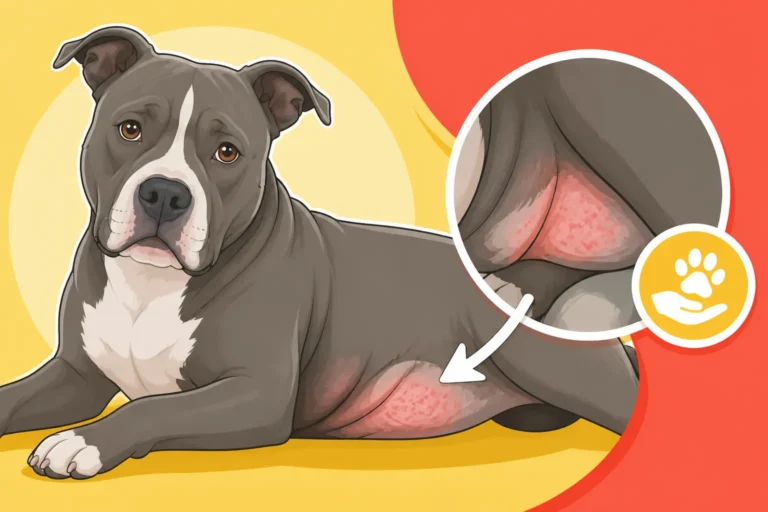
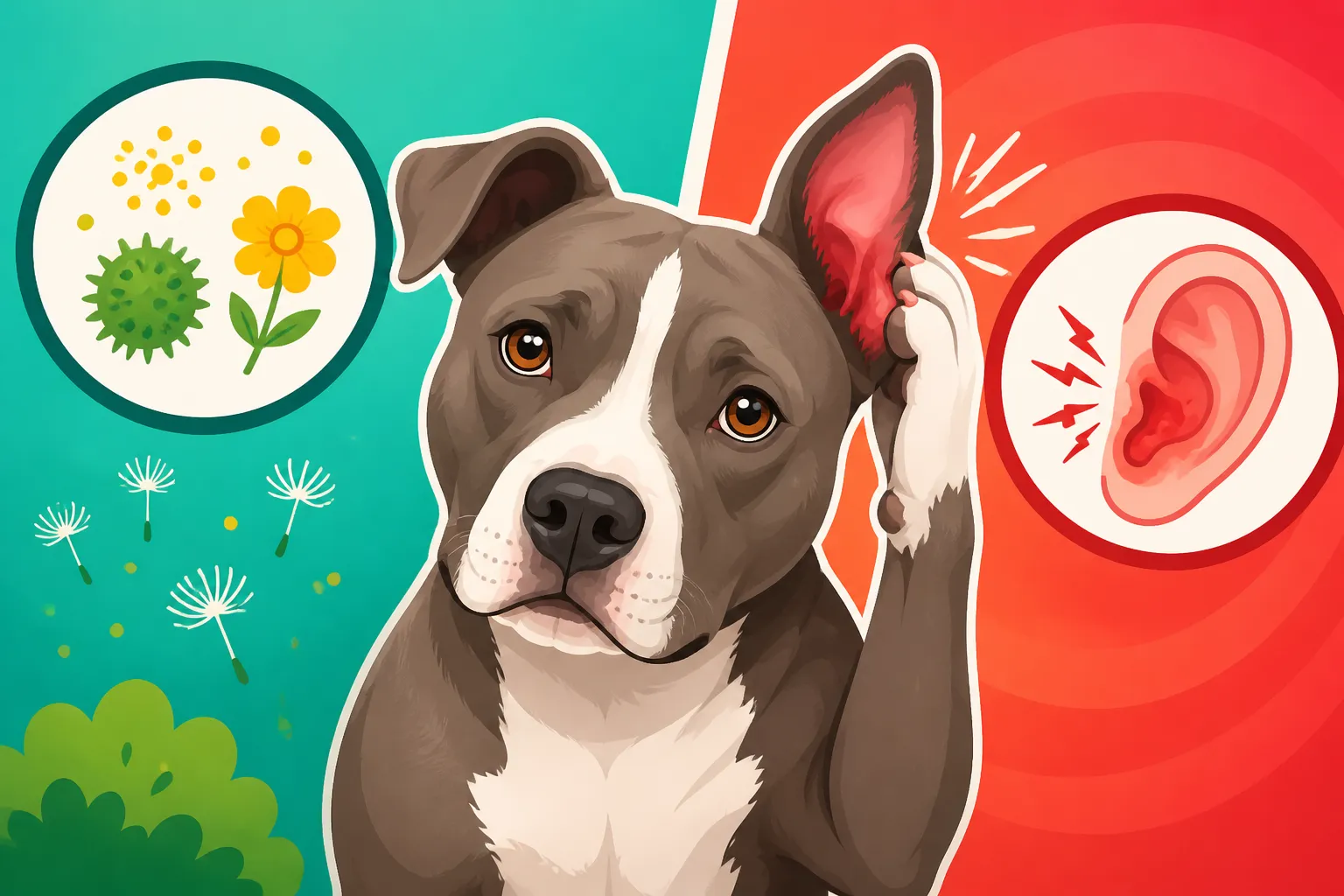
Environmental allergies, often referred to as atopy, are incredibly common in Pit Bulls. These are triggered by allergens present in their surroundings, similar to hay fever in humans. We're talking about pollen from trees, grasses, and weeds, dust mites thriving in our homes, and even mold spores. The frustrating thing about environmental allergies is their seasonality, but they can also be year-round depending on the specific allergen. For example, your Pit Bull might suffer from severe ear infections every spring and fall when pollen counts are high. You can often see other symptoms alongside the ear issues, such as excessive Pit Bull Paw Licking and Chewing, generalized itching, and sometimes even red, irritated skin on their belly or armpits.
The ears, particularly the inner ear flap and the canal itself, become red and itchy. Your dog will shake their head, scratch at their ears, or rub them against furniture. This self-trauma only makes things worse, potentially breaking the skin barrier and making secondary infections more likely. If you notice your Pit Bull's ear issues seem to flare up during specific times of the year, or if they're constantly scratching and licking other areas, environmental allergies are a very strong suspect. Understanding these patterns is key to managing their comfort, and often involves treatments that address the underlying allergic response. You can learn more about how these patterns manifest in Pit Bull Atopy and Seasonal Itching.
Food Allergies
While less common than environmental allergies, food allergies are definitely a significant cause of chronic ear infections in Pit Bulls. The tricky part is that food allergies in dogs don't always present with digestive upset like vomiting or diarrhea. Often, the only visible signs are skin-related, and recurrent ear infections are right at the top of that list. The most common culprits are proteins found in common dog foods, such as chicken, beef, dairy, wheat, soy, or corn. It’s important to distinguish this from food sensitivities, which might cause mild digestive upset but rarely trigger the severe, chronic inflammation seen with true allergies.
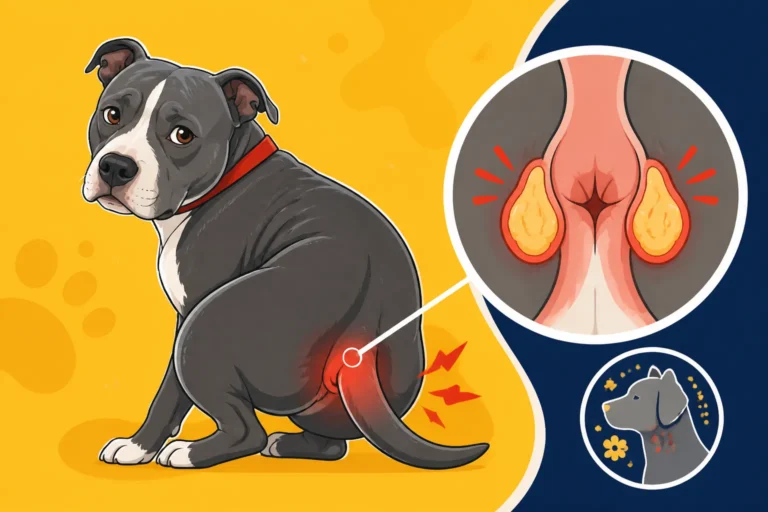
With food allergies, your Pit Bull might experience ear infections year-round, without any clear seasonal pattern. They might also have itchy skin, particularly around their face, paws, or rear end, and sometimes even chronic anal gland issues. Diagnosing a food allergy can be a bit of a journey because it requires a strict elimination diet, often called an "eight-week food trial." During this time, your dog eats only a novel protein (one they’ve never had before, like duck or venison) or a hydrolyzed protein diet (where the proteins are broken down so small the immune system doesn't recognize them as allergens). If the ear infections clear up during the trial and then return when the old food is reintroduced, you've likely found your answer. For a deeper dive into this, check out An Eight Week Food Trial on an Itchy Pit Bull or Food Allergies Behind Pit Bull Itching.
Contact Allergies
Contact allergies, though less frequently a cause of chronic, recurrent ear infections than environmental or food allergies, can certainly cause localized irritation and infection. These occur when your Pit Bull's skin comes into direct contact with an irritating substance. For example, some dogs might react to certain materials in their bedding, shampoo residues left in the ear during bathing, or even plant material if they spend a lot of time with their ears dragging through grass.
The signs of a contact allergy in the ears would typically be limited to the areas that came into contact with the irritant. You might see redness, irritation, or even small bumps on the outer ear flaps or the very opening of the ear canal. The inflammation usually subsides once the irritant is removed. While contact allergies are generally easier to identify and manage (simply remove the offending item), it’s vital to consider all possibilities when dealing with persistent ear issues. However, if your Pit Bull has truly recurrent, deep ear infections, it’s far more likely to be environmental or food allergies causing that widespread inflammatory response.
Recognizing the Signs of Ear Infections and Underlying Allergies
Spotting an ear infection in your Pit Bull isn’t usually hard; the signs are often pretty obvious and quite uncomfortable for your dog. What’s harder is understanding that these infections are often just the tip of the iceberg, symptoms of a deeper allergic problem. Learning to distinguish between the immediate infection and the subtle cues of underlying allergies is crucial for effective, long-term management.
Clinical Signs of Ear Infections
When your Pit Bull has an active ear infection, they are usually going to let you know. Their ears are probably bothering them quite a bit. Here are the common signs you’ll likely observe:
- Head Shaking: This is often one of the first and most noticeable signs. Your Pit Bull might shake their head vigorously and frequently, trying to dislodge whatever is irritating their ear.
- Ear Scratching or Pawing: They'll constantly paw at or rub their ears with their back legs, sometimes even dragging their ear along the carpet or furniture. This intense itching is a huge red flag.
- Redness and Swelling: When you look inside the ear flap, you’ll likely see redness, especially around the opening of the ear canal. The tissue might also appear swollen and inflamed.
- Discharge: Ear infections often produce discharge. This can range from dark, waxy debris (often associated with yeast infections) to yellow, pus-like discharge (more common with bacterial infections). The discharge can sometimes smell quite foul.
- Odor: A distinct, often unpleasant odor emanating from the ear is a classic sign. Yeast infections tend to have a sweet or yeasty smell, while bacterial infections can smell pungent or putrid.
- Pain or Sensitivity: Your Pit Bull might yelp or flinch when you try to touch their ear. They might also hold their head tilted to one side or be reluctant to have their head petted.
- Hearing Changes: In severe or chronic cases, the inflammation and swelling can temporarily impair hearing.
It’s important to remember that these signs indicate an infection, which needs immediate veterinary attention. Ignoring them can lead to more serious conditions, including painful ear hematomas (blood blisters from excessive head shaking) or even damage to the eardrum.
Diagnosing the Underlying Allergy
Treating the infection is step one, but if you want to stop the cycle, you need to uncover the allergy causing it. Your vet will approach this systematically.
First, they will collect a sample from your Pit Bull's ear for cytology. This involves looking at the ear discharge under a microscope to identify whether yeast, bacteria, or both are present, and in what quantities. This guides the choice of medication to clear up the immediate infection. Sometimes, if the infection is particularly stubborn or recurrent, a culture and sensitivity test might be recommended to identify specific bacteria and which antibiotics will be most effective.
Once the acute infection is under control, the real detective work begins to find the underlying allergy. This is where pet insurance, like a plan from Healthy Paws, can be incredibly beneficial, as diagnostic tests for allergies can sometimes be a bit costly.
- Elimination Diet Trial: If food allergies are suspected, your vet will likely recommend a strict An Eight Week Food Trial on an Itchy Pit Bull. This is the gold standard for diagnosing food allergies. It involves feeding a novel protein or hydrolyzed diet for 8-12 weeks, with absolutely no other treats or foods. If symptoms improve, old food ingredients are slowly reintroduced to identify the culprit.
- Allergy Testing: For environmental allergies (atopy), two main types of tests are available:
- Intradermal Skin Testing: Considered highly accurate, this is performed by a veterinary dermatologist. Small amounts of various allergens are injected into the skin, and the dermatologist observes for reactions.
- Blood Tests (Serology): These tests measure antibodies to common environmental allergens in your dog’s blood. While convenient, their accuracy can sometimes be debated compared to intradermal testing.
Understanding Pit Bull Skin Allergy Testing can help you prepare for these conversations with your vet. Regardless of the method, the goal is to pinpoint the specific allergens so a long-term management plan can be put into place, ultimately reducing those frustrating ear infections.
Comprehensive Management and Treatment Strategies
Dealing with allergic ear infections in your Pit Bull isn't just about clearing up the current infection; it's about breaking the cycle and providing long-term relief. This often requires a multi-faceted approach that tackles both the infection and the underlying allergic response. It can feel overwhelming at times, but with persistence and your vet's guidance, you can significantly improve your Pit Bull's comfort and quality of life.
Treating the Acute Infection
When your Pit Bull has an active ear infection, the first priority is always to alleviate their discomfort and clear up the existing problem. Your veterinarian will typically prescribe a combination of treatments:
- Ear Cleaners: Specially formulated veterinary ear cleaners are essential. These help to break down wax, dry the ear canal, and create an environment less hospitable to yeast and bacteria. Your vet will demonstrate the proper way to clean your Pit Bull's ears, often recommending specific solutions that suit an allergic Pit Bull. For detailed instructions, see Cleaning a Pit Bull Ear Properly.
- Topical Medications: Most ear infections are treated with ear drops that contain a combination of antibiotics, antifungals, and anti-inflammatory steroids. These address the bacterial or yeast overgrowth and reduce the inflammation and itching. It’s crucial to administer these medications exactly as prescribed and complete the entire course, even if the ear looks better after a few days. Stopping too soon can lead to a relapse and antibiotic resistance.
- Oral Medications: In more severe cases, or if the infection has spread deeper into the ear, your vet might prescribe oral antibiotics or antifungals. Oral steroids might also be used short-term to quickly reduce severe inflammation and itching, providing faster relief for your dog.
It's tempting to try over-the-counter remedies, but for recurrent infections, it's really best to get a vet's diagnosis first. What works for a simple, one-off issue might not touch a deep-seated allergic infection and could even make things worse.
Long-Term Allergy Management
Once the immediate infection is controlled, the focus shifts to preventing future flare-ups by managing the underlying allergy. This is where the real commitment comes in, and it's also where the costs for ongoing care can accumulate, making pet insurance from providers like Healthy Paws a valuable asset.
- Immunotherapy (Allergy Shots/Drops): If environmental allergies (atopy) are diagnosed via allergy testing, immunotherapy is often the most effective long-term solution. This involves administering small, increasing doses of the specific allergens your Pit Bull is sensitive to, either through injections (allergy shots) or oral drops. The goal is to desensitize their immune system so it no longer overreacts. This isn't a quick fix; it can take months to see full results, but it targets the root cause of the allergy, and many dogs experience significant improvement. For more on this, you might find What Allergy Shots Cost a Pit Bull Owner helpful.
- Dietary Management: For food allergies, the answer is a lifelong commitment to a specific diet that avoids the identified allergens. This means sticking to a novel protein or hydrolyzed protein diet. It also means being incredibly vigilant about treats, chews, and even incidental ingestion of other foods.
- Anti-Inflammatory and Anti-Itch Medications: For some Pit Bulls, especially those with severe or year-round environmental allergies, ongoing medication might be necessary to control the allergic response. Medications like Apoquel (oclacitinib) or Cytopoint (lokivetmab) can effectively reduce itching and inflammation, thereby lessening the chances of ear infection flare-ups. These are not cures for allergies but manage the symptoms very well. You can learn more about these options in Apoquel and Cytopoint for an Itchy Pit Bull.
- Medicated Shampoos and Wipes: Regular bathing with medicated shampoos can help manage skin allergies and prevent secondary skin infections, which are often linked to ear problems. Wipes can be used to clean skin folds and paw pads, reducing allergen load. For guidance on bathing, refer to Medicated Baths for a Pit Bull With Atopy.
It's a marathon, not a sprint. You and your vet will work together to find the right balance of treatments to keep your Pit Bull comfortable and minimize those frustrating, recurrent ear infections.
Preventive Care and Home Routines
Prevention is truly the best medicine when it comes to allergic ear infections. Establishing a consistent home care routine can make a world of difference, reducing the frequency and severity of flare-ups, and helping you catch potential issues before they become full-blown infections.
- Regular Ear Checks and Cleaning: Even when your Pit Bull seems fine, make it a habit to check their ears weekly. Look for any redness, swelling, discharge, or odor. If your Pit Bull is prone to allergies, regular cleaning with a vet-approved ear cleanser (even weekly) can help keep the ear canal healthy. This is especially important after swimming or bathing, as moisture can exacerbate problems. Knowing Which Ear Solutions Suit an Allergic Pit Bull is key here.
- Manage Known Allergens: If you know your Pit Bull is allergic to certain environmental triggers, try to minimize exposure. This might mean wiping their paws and face after outdoor walks (especially during high pollen seasons), using air purifiers in your home, and regularly cleaning bedding to reduce dust mites.
- Consistent Diet: For food-allergic Pit Bulls, strict adherence to their prescribed diet is non-negotiable. Even small slip-ups can trigger a full-body allergic reaction, including an ear infection.
- Maintain Overall Health: A strong immune system and healthy skin barrier can better fend off infections. Ensure your Pit Bull is on a high-quality diet, gets appropriate exercise, and has regular veterinary check-ups. Discuss supplements like omega-3 fatty acids with your vet, as these can support skin health.
- Be Proactive: Don't wait until your Pit Bull is frantically shaking their head and scratching. If you notice early signs of itching or mild redness, contact your vet. Sometimes, early intervention with a prescribed ear cleanser or topical medication can prevent a full-blown infection from taking hold. Being proactive not only keeps your dog more comfortable but can also help manage costs, as emergency visits for severe infections tend to be more expensive. A solid pet insurance plan, such as those offered by Healthy Paws, can certainly help cushion the financial blow of ongoing care for chronic conditions like these. Addressing Pit Bull Ear Infections Every Few Months requires this consistent, proactive approach.
By being diligent and working closely with your veterinarian, you can significantly reduce the impact of allergies on your Pit Bull's ear health, leading to a much happier, more comfortable life for your cherished companion.
Common Allergens and Associated Ear Symptoms in Pit Bulls
| Allergy Type | Common Allergens | Typical Ear Symptoms (Beyond Obvious Infection) | Other General Allergy Signs |
|---|---|---|---|
| Environmental | Pollen (trees, grasses, weeds), Dust mites, Mold | Redness, chronic itching inside ear, waxy debris | Paw licking/chewing, facial rubbing, belly rash |
| Food | Chicken, Beef, Dairy, Wheat, Soy, Corn | Chronic, year-round ear infections, often bilateral | Itchy skin (face, paws, anal area), gastrointestinal upset (less common) |
| Contact | Certain shampoos, cleaning products, bedding fabrics | Localized redness/irritation on outer ear flap or canal opening | Skin irritation limited to contact area |
Disclaimer
The information provided in this article is for general informational purposes only and is not a substitute for professional veterinary advice. Always consult with a qualified veterinarian for any health concerns or before making any decisions related to your pet's health and treatment.