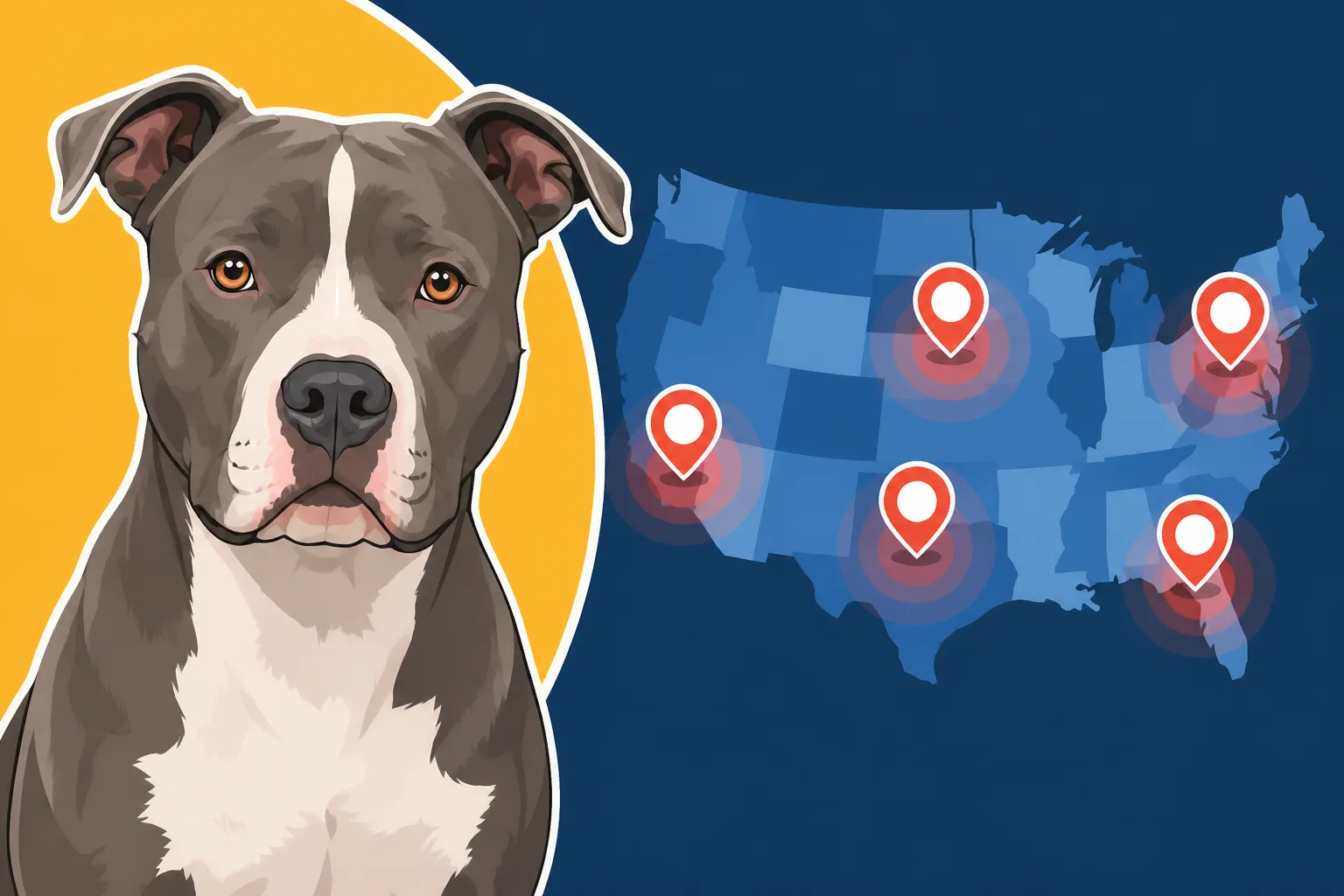
Where Pit Bull Type Dogs Are Most Common
One of the most common questions I hear from folks considering a Pit Bull, or simply curious about them, is often about where they seem to be everywhere. It’s a valid observation, and frankly, it speaks to a lot of misconceptions and realities about this type of dog. This guide is going to dig into where Pit Bull type dogs are most commonly found, both geographically and within different contexts, helping you understand the real picture.
Understanding "Pit Bull" Beyond a Single Breed
Before we dive into locations, it’s absolutely crucial to clear up some confusion about what "Pit Bull" actually means. Many people think it's a single, officially recognized breed, but that's not quite accurate. This misunderstanding plays a huge role in why they seem so prevalent in certain places.
The Breed Type vs. Specific Breeds
When someone says "Pit Bull," they're usually referring to a group of breeds and their mixes that share similar physical characteristics. It’s more of a descriptive term for a type of dog rather than a single, distinct breed recognized by all major kennel clubs. The primary breeds typically included under this umbrella are the American Pit Bull Terrier (recognized by the United Kennel Club, or UKC), the American Staffordshire Terrier (recognized by the American Kennel Club, or AKC), and the Staffordshire Bull Terrier (also recognized by the AKC). Sometimes, the American Bully, a more recently developed companion breed, is also lumped into this category.
This broad definition means that many dogs that look like a Pit Bull, even if they have a diverse genetic background, will be labeled as such. Think about it: a dog with a blocky head, muscular build, and short coat often gets tagged as a Pit Bull, regardless of its exact lineage. This broad classification alone inflates the perceived numbers, because a vast array of mixed-breed dogs, even those with only a distant Pit Bull ancestor, might be identified this way by the general public, shelter staff, or even veterinarians. What the Word Pit Bull Actually Covers
Visual Identification and DNA Testing
The truth is, visual identification of dog breeds, especially "Pit Bull" types, is notoriously unreliable. Studies have shown that even experienced shelter staff can misidentify a dog's primary breed when relying solely on appearance. This visual bias means that a dog might be labeled a "Pit Bull" simply because it has a certain look – a strong jawline, a wide chest, or a particular stance. This isn't to say these dogs aren't wonderful, loving companions, but it highlights why the "Pit Bull" label casts such a wide net.
For example, a mixed-breed dog might have some Boxer, Labrador, or even Bulldog genetics, and if it carries certain physical traits, it could easily be labeled a Pit Bull. This happens all the time in shelters. It's why DNA testing has become more popular, revealing the truly diverse heritage of many dogs previously identified as purebred Pit Bulls or Pit Bull mixes. A rescue dog that was unequivocally called a Pit Bull might surprise everyone when its DNA panel shows a mosaic of five or six different breeds. This reality underlines that the numbers we often hear about "Pit Bulls" are based on a very subjective, visual assessment rather than genetic fact. If you're curious about your own dog's background, a DNA panel can be truly eye-opening. The DNA Panel Worth Running on a Rescue Pit Bull
Geographical Hotspots: Where Pit Bulls Are Seen More Often
Given the broad definition, it’s not surprising that Pit Bull type dogs appear to be concentrated in certain areas, particularly when you look at population density and local regulations.
Urban Centers and Shelter Populations
If you spend any time volunteering at or even just visiting animal shelters in major metropolitan areas across the United States, you’ll quickly notice a disproportionate number of Pit Bull type dogs. They are, sadly, the most common type of dog found in shelters nationwide. This isn't necessarily because more people are breeding them irresponsibly (though that can be a factor), but because of a confluence of social, economic, and legislative issues.
Urban environments often have higher populations, and with that comes a higher number of stray animals, surrenders due to housing restrictions, or simply owners who are unable to care for them. Many rental properties and homeowner associations (HOAs) in cities have breed restrictions that specifically target Pit Bull type dogs, leading to difficult choices for owners who are forced to move. This means a loving family might have to surrender their cherished companion just because they can’t find housing that will accept them. This contributes significantly to their overwhelming presence in city shelters. Pit Bulls in American Shelters
Regions with Fewer Breed-Specific Laws
The prevalence of Pit Bull type dogs also correlates strongly with the presence or absence of Breed-Specific Legislation (BSL). In areas where BSL is strictly enforced, you might see fewer openly owned Pit Bulls, as owners either move, hide their dogs, or are forced to surrender them. However, in states and cities that have repealed BSL or never enacted it, Pit Bull type dogs are often more visible and openly owned.
Take Florida, for example. For decades, it had a state-wide ban on BSL, but local ordinances could still exist. More recently, however, legislation has shifted, leading to a greater push to end breed discrimination. This allows more people to own Pit Bulls without fear of legal repercussions, thus increasing their visible presence. Why Florida Removed Its Pit Bull Bans Similarly, states like Pennsylvania, New Jersey, and Massachusetts have laws that prohibit municipalities from enacting BSL or prevent insurance companies from discriminating solely based on breed. This creates a more permissive environment for Pit Bull ownership, naturally leading to a higher concentration of these dogs in such regions. This isn’t necessarily about more people preferring Pit Bulls, but rather about where people are allowed to have them without facing legal hurdles or housing discrimination.
States with Higher Pet Ownership and Less Housing Discrimination
Beyond explicit BSL, the general attitude towards pet ownership and housing discrimination also plays a huge role in where Pit Bull type dogs are most common. States that have strong tenant protections for pet owners, or states where the general culture is more accepting of diverse dog breeds, tend to have more Pit Bulls in homes.
In contrast, in areas where landlords can easily deny housing based on breed, or insurance companies can hike premiums or refuse coverage outright for certain breeds, you'll find fewer Pit Bulls in private residences, pushing more of them into the shelter system. Some states are actively working to prevent this kind of discrimination, making it easier for Pit Bull owners to find stable housing. States Where Insurers Cannot Ask About a Pit Bull These legislative and cultural shifts are vital in allowing these dogs to be kept in family homes rather than ending up in a kennel. It really does come down to the ability to find a place to live that will accept your whole family, including your dog.
Contextual Prevalence: Beyond Geography
It's not just about where on a map Pit Bulls are found, but also in what contexts you see them appearing more often. Their presence often tells a story about their resilience, versatility, and the challenges they face.
In Rescues and Shelters
As mentioned, Pit Bull type dogs are tragically overrepresented in animal shelters and rescue organizations across the country. They often make up the largest percentage of the available dog population, and they also tend to wait longer for adoption than other breeds. This isn't a reflection of their temperament, but rather a direct consequence of breed stereotypes, housing restrictions, and the sheer volume of unwanted dogs.
Many dedicated Pit Bull specific rescues work tirelessly to place these dogs in loving homes, offering support and education to potential adopters. These organizations often have a deep understanding of the individual dog's needs and temperaments, aiming to break down the misconceptions that keep these dogs in kennels. It's a sad reality that while they are abundant in shelters, finding them suitable homes remains a significant challenge, sometimes leading to heartbreaking outcomes. Euthanasia Rates for Pit Bull Type Dogs The staff at these shelters and rescues, often working with limited resources, do their best to manage, but the sheer volume is daunting. How Often Shelter Staff Agree on a Pit Bull Label What Happens When Shelters Drop the Pit Bull Label
In Dog Sports and Working Roles
Despite the unfair stereotypes, Pit Bull type dogs excel in a variety of dog sports and working roles, showcasing their intelligence, athleticism, and eagerness to please. You'll find them actively competing (and often winning!) in sports like weight pull, dock diving, agility, obedience, and even flyball. Their strength, agility, and powerful drive make them natural athletes.
Owners who engage their Pit Bulls in these activities often become passionate advocates, demonstrating the true capabilities and stable temperaments of their dogs. It’s in these environments that you really see their potential shine, breaking down the preconceived notions of what a Pit Bull is "supposed" to be. They prove time and again that with proper training and dedication, these dogs can be incredible partners in almost any canine endeavor. You can find gear and training aids on sites like Chewy that cater to active dogs, from durable tug toys to specialized harnesses for sports. Pit Bull Type Dogs in Sport and Weight Pull
As Family Companions
Ultimately, the most common place you'll find Pit Bull type dogs is, and always has been, in family homes. For generations, these dogs have been cherished family companions, known for their loyalty, affectionate nature, and unwavering devotion to their people. The "nanny dog" myth, while largely unfounded, speaks to a historical perception of their gentleness with children.
With proper socialization, training, and responsible ownership, Pit Bulls thrive as integral members of a family. They often adore children, though supervision is always essential with any dog and child interaction. A Pit Bull in a House With Children They can also coexist peacefully with other pets, though their individual temperaments and early experiences play a huge role. Many Pit Bull owners invest heavily in training classes and certifications like the Canine Good Citizen (CGC) test, not just for their dog's benefit, but to demonstrate to the wider community that their Pit Bull is a well-mannered, responsible member of society. You can find excellent training resources and durable chew toys on Chewy to support your Pit Bull's development and enrichment. Pit Bull Training and Certification Costs
The Shifting Landscape of Pit Bull Ownership
The conversation around Pit Bulls is constantly evolving, and with it, the places where they are seen and accepted are changing too.
Changing Public Perception
For a long time, Pit Bull type dogs were unfairly demonized in the media, leading to widespread fear and misunderstanding. However, thanks to the tireless efforts of rescue organizations, responsible owners, and advocacy groups, public perception is slowly but surely beginning to shift. More and more people are realizing that a dog's behavior is primarily influenced by its upbringing, training, and individual personality, rather than solely by its breed.
Documentaries, social media campaigns, and simply seeing well-behaved Pit Bulls out and about with their families are helping to normalize their image. While there's still a long way to go, particularly in areas with entrenched BSL, the tide is turning. This shift is critical because as public perception improves, so does their acceptance in homes, communities, and public spaces, which directly impacts their presence beyond the shelter system. Pit Bulls in Culture and Public Perception
Responsible Ownership and Community Integration
The rising prevalence of Pit Bull type dogs in homes and communities also underscores the vital importance of responsible ownership. For these dogs to be truly integrated and accepted, owners must be proactive in training, socialization, and ensuring their dogs are well-behaved members of society. This includes everything from consistent leash manners and recall training to secure containment and being a good neighbor.
A well-trained Pit Bull that walks calmly on a leash, greets people politely, and is a joy to be around is the best ambassador for the type. It’s about challenging stereotypes one positive interaction at a time. As more owners step up to this challenge, the places where Pit Bulls are "common" will hopefully expand beyond shelters to include more parks, cafes, and open, welcoming communities, free from prejudice. Making sure you have the right gear, like a sturdy leash and harness from a reputable retailer like Chewy, can make a world of difference in your daily walks and training.
Disclaimer
This article is for general informational purposes only and does not constitute professional advice. Laws, prices and regulations vary by location and change over time. Consult a qualified professional for guidance on your specific situation.