Why Shelters Over-Identify Pit Bull Type Dogs
It’s a frustratingly common scenario for anyone looking to adopt a dog: you fall in love with a sweet, goofy face online or at the shelter, only to see it labeled as a "Pit Bull type," often with very little explanation or even concrete evidence. This label can instantly trigger concerns about housing restrictions, insurance woes, or preconceived notions, leaving you wondering why so many dogs seem to get this blanket identification. This guide will delve into the complex reasons why shelters frequently over-identify dogs as Pit Bull types, and what that means for both the dogs and their potential forever homes.
The Visual Guessing Game and Its Flaws
Let's be honest, trying to guess a dog's breed just by looking at them is incredibly difficult, even for seasoned professionals. Our eyes can play tricks on us, and what we think a certain breed looks like might not be what's actually in their DNA. This challenge is at the heart of why so many shelter dogs get labeled as Pit Bulls.
Why "Looks Like a Pit Bull" Isn't Scientific
When you walk through a shelter, you’ll see many dogs with similar physical characteristics: a broad head, a muscular build, a short, sleek coat, and sometimes a particular stance. These traits are often associated with the "Pit Bull look." However, the truth is, many different breeds and countless mixed-breed dogs can exhibit these features. A Boxer mix, a Labrador Retriever mix, or even certain bully breeds that aren't technically "Pit Bulls" might possess a stocky physique or a blocky head.
Shelter staff, who are typically incredibly dedicated but not always trained geneticists, often have to make a quick assessment based on visual cues. They're looking at what the dog phenotypically presents, meaning its observable traits, rather than its actual genetic makeup. This can lead to a lot of guesswork. A dog might be 10% American Staffordshire Terrier, 20% Labrador, 30% Boxer, and 40% other breeds, but if that 10% AmStaff influence gives it a strong jawline and a dense body, it might be labeled a Pit Bull type. The problem is, this visual identification is notoriously unreliable. Studies have repeatedly shown that even experienced veterinarians, trainers, and shelter workers often misidentify breeds based on looks alone. It's a testament to how diverse our canine companions truly are.
The Broad Umbrella of "Pit Bull Type"
One of the biggest hurdles in accurate identification is that "Pit Bull" isn't a single, universally recognized breed. Instead, it's a broad, informal category that encompasses several distinct breeds and a multitude of mixed breeds. The main breeds typically referred to as "Pit Bulls" include the American Pit Bull Terrier (recognized by the United Kennel Club, or UKC), the American Staffordshire Terrier (recognized by the American Kennel Club, or AKC), and sometimes the Staffordshire Bull Terrier. Beyond these, you also have American Bullies, and many crosses involving Bulldogs, Boxers, Mastiffs, and various terriers. You can learn more about this distinction in our article Why Pit Bull Is a Type and Not a Breed.
Because there's no singular, agreed-upon standard for what constitutes a "Pit Bull" outside of specific breed registries, shelters often cast a very wide net. They might be trying to manage public perception, or simply don't have the resources or time to delve into the nuanced genetic background of every dog. So, a dog with a strong jaw, a short coat, and a confident gait might simply be designated as a "Pit Bull type" to cover all bases. This widespread, informal categorization makes it incredibly challenging to get a clear picture of a dog's true heritage without further investigation, and it can heavily influence how the dog is perceived and treated, even before an adopter meets them. Our article How Shelters Decide a Dog Is a Pit Bull explores this further.
Operational Pressures and Public Perception in Shelters
Shelters are often caught between a rock and a hard place. They face enormous pressure from various stakeholders, and how they label dogs can be influenced by these external forces, sometimes at the expense of accuracy for the individual dog.
Managing Public Safety Concerns or Perceptions
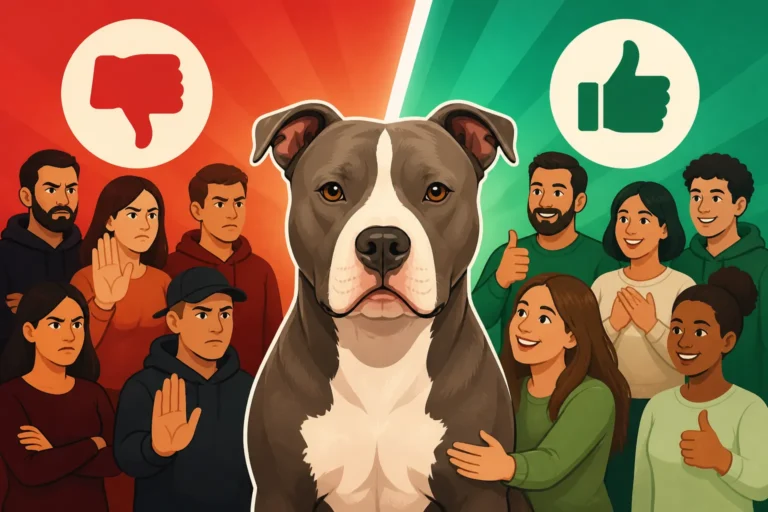
It’s an unfortunate reality that certain breeds, or types of dogs, carry a public stigma, and Pit Bull types are often at the top of that list. This stigma, fueled by sensationalized media and breed-specific legislation, leads to real concerns among the public, landlords, and even insurance companies. Shelters, in their effort to safely rehome animals and mitigate any perceived risks, might err on the side of caution when assigning breed labels.
Sometimes, a "Pit Bull" label is applied not because the dog is inherently dangerous, but because the shelter feels it must disclose what the public might perceive as a Pit Bull. This is a defensive strategy, aimed at preventing returns or negative incidents that could further tarnish the shelter's reputation or the breed group as a whole. Imagine a scenario where a dog that looks like a Pit Bull is adopted, and then an incident occurs. The shelter might face criticism for not labeling it as such, even if its actual breed makeup or temperament had little to do with the incident. This pressure creates a cycle where over-identification becomes a default, making it harder for these dogs to find homes and perpetuating the very stigma the shelter is trying to navigate.
Housing and Insurance Restrictions as Driving Factors
One of the most significant practical reasons for over-identification stems directly from the widespread existence of breed-specific legislation, housing restrictions, and insurance exclusions. Many rental complexes, homeowners' associations (HOAs), and even entire cities still have outright bans or severe restrictions on "Pit Bull type" dogs. Similarly, numerous home insurance carriers either refuse to cover homes with these dogs or charge significantly higher premiums. You can explore this further in Apartment Complexes That Ban Pit Bulls Outright.
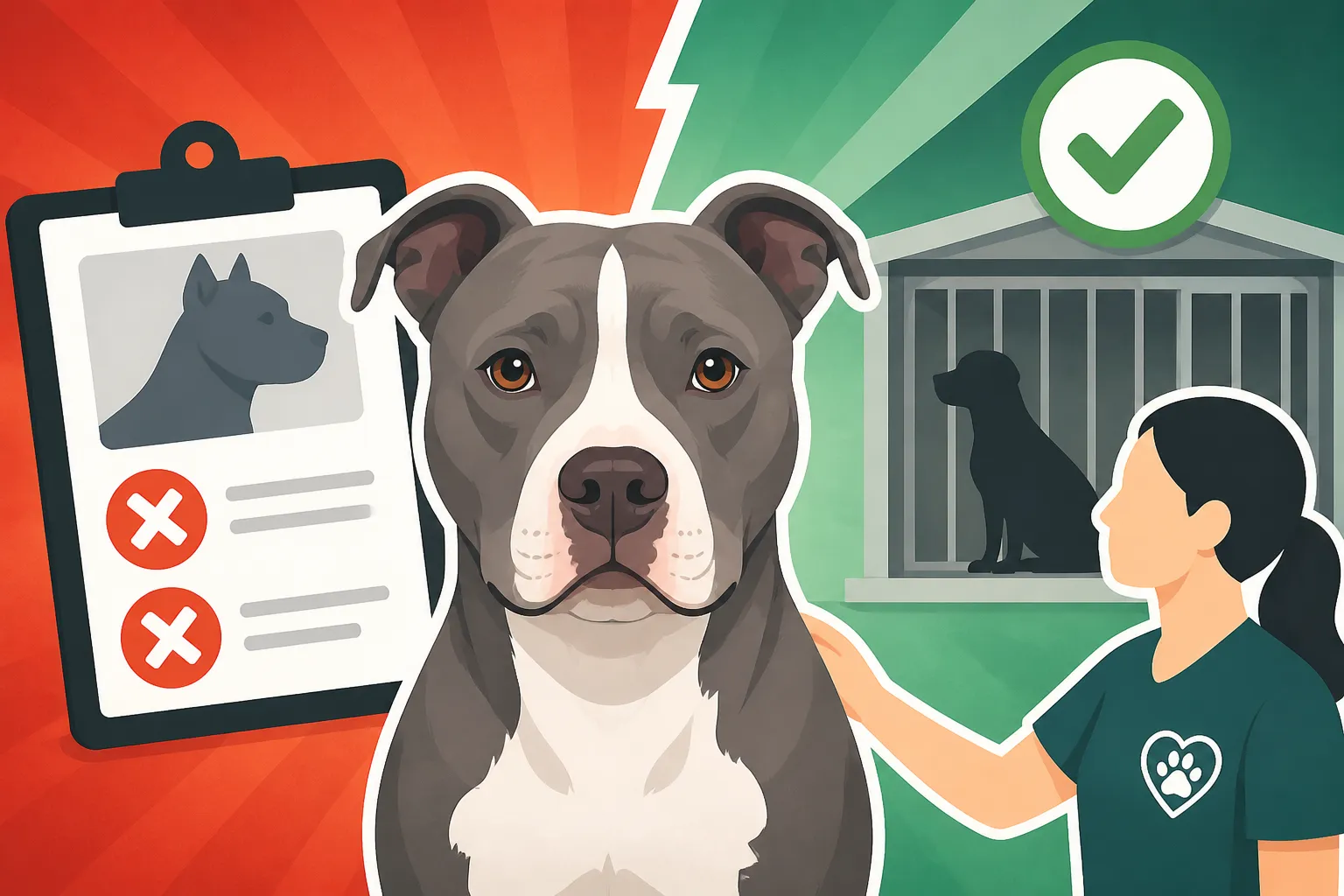
When a dog enters a shelter, staff are acutely aware that a "Pit Bull" label could impact its chances of adoption. They might label a dog as a Pit Bull because it was surrendered due to such restrictions, or they might label it preemptively to inform potential adopters about the challenges they might face. For instance, a family might fall in love with a dog, but if their apartment complex explicitly bans Pit Bulls, the shelter might feel compelled to inform them even if the dog is only a partial mix. This puts shelters in an impossible position: accurately identifying a mixed breed might open the door to adoption, but inaccurately labeling it as a Pit Bull might save an adopter from a difficult housing situation down the line. It's a system that punishes dogs for their appearance and puts shelters in a no-win situation, often leading to longer stays for these labeled dogs.
The Impact of Over-Identification on Dogs and Adopters
The practice of over-identifying dogs as Pit Bull types isn't just a matter of semantics; it has profound, often heartbreaking, consequences for the dogs themselves and the families who wish to adopt them.
The Stigma and Its Adoption Barriers
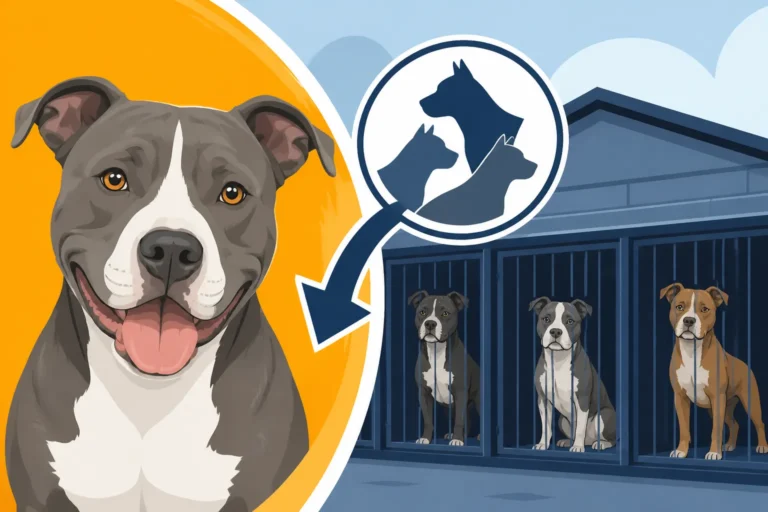
The "Pit Bull" label, even when inaccurate, carries a heavy stigma. This stigma translates into concrete barriers to adoption. Dogs labeled as Pit Bulls often wait significantly longer in shelters to find homes compared to other breeds or visually distinct mixed breeds. This is a tragic reality, as many of these dogs are gentle, loving, and well-behaved, but their perceived breed overshadows their individual personalities.
Potential adopters might skip over a fantastic dog just because of the label, influenced by negative stereotypes or fear of breed restrictions. This leads to overcrowded shelters and, sadly, higher euthanasia rates for dogs that fall under the "Pit Bull type" umbrella. Imagine a sweet, timid dog, perhaps a mix of Labrador and something else, sitting in a kennel for months, overlooked because its broad head triggered a "Pit Bull" label. This isn't just unfair to the dog; it’s a disservice to the community when wonderful companions are denied homes based on visual guesswork. Our article How Long a Labelled Pit Bull Waits for Adoption really highlights this challenge.
DNA Testing Versus Visual Guesswork
Given the challenges of visual identification and its consequences, the question naturally arises: why not just use DNA testing? DNA tests for dogs have become increasingly accessible and accurate, offering a scientific way to determine a dog's breed composition. These tests can reveal the percentage of various breeds in a mixed-breed dog, providing a much clearer picture than a visual guess.
| Feature | Visual Identification (Shelter Label) | DNA Identification (Genetic Test) |
|---|---|---|
| Basis | Physical appearance, subjective opinion | Genetic markers, scientific analysis |
| Accuracy | Low, often inaccurate for mixed breeds | High, reveals specific breed percentages |
| Cost | Free for shelter (staff time) | Moderate (kit cost, lab processing) |
| Ease of Application | Quick, no special equipment | Requires sample collection, lab processing time |
| Impact on Adoptions | Can create barriers due to stigma | Provides factual clarity, can alleviate stigma |
| Value for Adopters | Limited, can be misleading | High, offers insight into traits/needs |
While DNA testing offers a promising solution, it's not without its limitations for shelters. Cost is a significant factor; running a DNA test on every dog that enters a shelter would be financially prohibitive for many non-profits already stretched thin. However, for adopters, conducting a DNA test after bringing a dog home can be incredibly insightful. Companies like Chewy offer various DNA testing kits that you can purchase and use at home to finally put those breed questions to rest. Knowing your dog's actual genetic makeup can help you understand potential health predispositions, typical energy levels, and even help you counter breed stereotypes if your dog doesn't fit the mold. You can read more on this in What a DNA Panel Says About a Pit Bull and Whether DNA Should Decide a Pit Bull Label.
What Adopters and Advocates Can Do
It's easy to feel disheartened by the challenges surrounding Pit Bull identification in shelters, but there's a lot that potential adopters and passionate advocates can do to make a positive difference.
Looking Beyond the Label
The most impactful thing any potential adopter can do is to look past the breed label and focus on the individual dog standing before them. A dog's breed might give some general insights into potential size or coat type, but it tells you very little about its actual personality, temperament, or how it will behave in a home environment.
When visiting a shelter, spend time with the dog. Ask shelter staff about the dog's known history, how it interacts with people, other dogs, and various stimuli. Observe its behavior in the play yard or during a quiet moment in its kennel. Does it make eye contact? Is it shy or outgoing? Does it respond to commands? A dog's individual behavior assessment, which many shelters now conduct (see Shelter Behavior Evaluations on a Pit Bull), is far more valuable than a visual breed guess. A friendly, well-socialized dog, regardless of its appearance, is generally a good candidate for adoption. Don't let a label stop you from meeting a truly wonderful companion. Remember, a dog’s personality and temperament are what will truly determine if they are the right fit for your family, not a generic visual identification.
Advocating for Breed-Neutral Policies
Beyond individual adoption choices, we can all contribute to broader systemic change. Supporting and advocating for breed-neutral legislation is crucial. These laws focus on responsible pet ownership and individual dog behavior rather than blanket bans or restrictions based on breed appearance. If a dog is well-behaved, doesn't pose a public nuisance, and its owners are responsible, its breed should not be a factor in housing, insurance, or public perception. Our article What Breed Neutral Law Means for Pit Bulls delves into the specifics of this type of legislation.
You can also support shelters that are actively working to move away from breed labeling, embracing DNA testing, or focusing on comprehensive behavior assessments. Engage with your local politicians, write letters, or join community groups that champion fair treatment for all dogs. For adopters, demonstrating responsible ownership, enrolling your dog in training classes, and achieving certifications like the Canine Good Citizen (CGC) can also help change public perception, one well-behaved dog at a time. Many resources, from training treats to sturdy leashes and harnesses, are available from retailers like Chewy to help you ensure your dog is set up for success in training and everyday life, regardless of its appearance. Documenting your dog's training journey, as discussed in Documenting a Pit Bull's Training Record, can be a powerful tool in advocating for your dog and its right to be judged on its individual merits.
Disclaimer
This article is for general informational purposes only and does not constitute professional advice. Laws, prices and regulations vary by location and change over time. Consult a qualified professional for guidance on your specific situation.