DNA Testing Against a Shelter Pit Bull Label
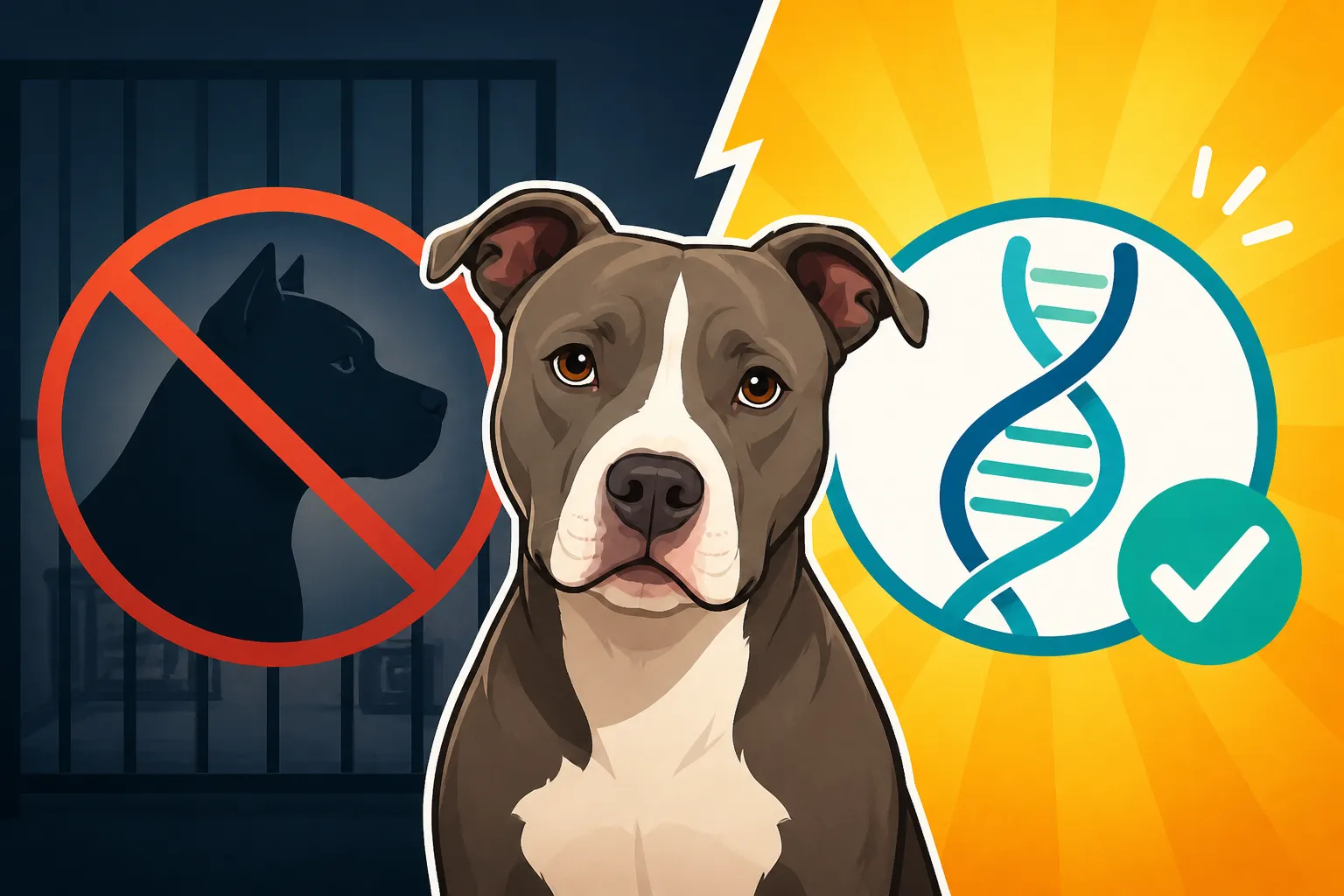
It can be incredibly frustrating and even heartbreaking when you fall in love with a dog at the shelter, only to have them labeled in a way that creates immediate hurdles. Many times, shelter staff rely on visual cues to identify a dog's breed, especially for "Pit Bull type" dogs, which can lead to mislabeling and subsequent challenges for potential adopters. This comprehensive guide will delve into how visual identification often goes wrong, what DNA testing can reveal, and how understanding your dog's true genetic makeup can impact everything from housing to public perception, helping you navigate these complex situations.
The Visual Pit Bull Label in Shelters
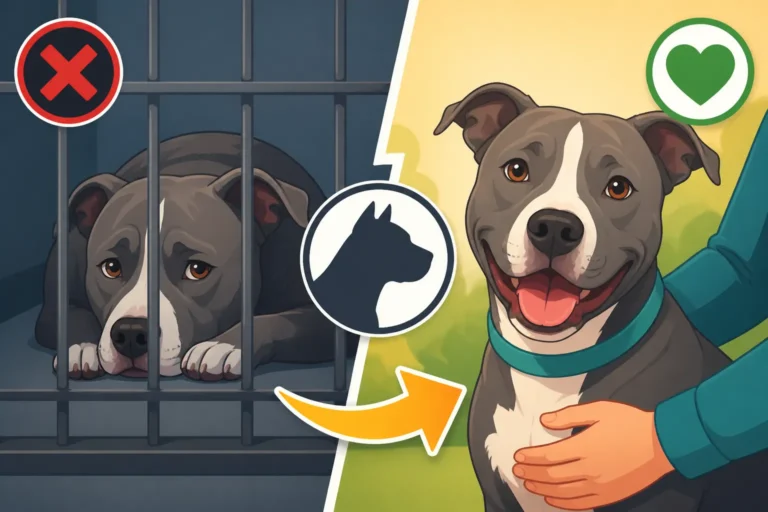
Let's face it, walking into a shelter and seeing a beautiful, blocky-headed dog with a strong physique often leads to the immediate label "Pit Bull." For many, this isn't just a breed identification; it carries a heavy weight of public perception, breed-specific legislation, and even insurance restrictions. The reality, however, is far more nuanced, and this visual labeling can be a huge source of stress for adopters trying to give a loving dog a home.
Visual Identification Challenges
The truth is, even experienced dog professionals, including veterinarians and shelter staff, are often incorrect when identifying a dog's breed based solely on appearance. A study or two have even shown that visual identification of breeds, especially mixed breeds, is notoriously unreliable. Why? Because many breeds share similar physical characteristics. A broad chest, a certain head shape, or a short coat can be found across numerous breeds, not just those traditionally lumped into the "Pit Bull type." Imagine a Boxer mix, a Bulldog mix, or even a Labrador mix – they can all display traits that lead to that common "Pit Bull" visual label. This isn't a failing on the part of the shelter staff; it's simply the inherent difficulty in guessing genetics from outward appearance. The sheer variety in How Many Breeds Get Called Pit Bulls contributes to this challenge, making it a guessing game rather than a scientific assessment.
This reliance on visual cues can have significant repercussions. A dog that might be mostly American Bulldog or Staffordshire Bull Terrier could be broadly categorized as a "Pit Bull," triggering specific policies that might not even apply if its true genetic makeup were known. This creates an unfair disadvantage for many adoptable dogs. It's a frustrating situation because you know your dog is an individual, but a quick glance can pigeonhole them into a category that dictates much of their future.
Consequences of Mislabeling
The consequences of a visual "Pit Bull" label can be far-reaching and incredibly impactful on an adopter's life. First and foremost, housing becomes a major issue. Many landlords, apartment complexes, and homeowner associations (HOAs) have strict breed restrictions, often explicitly naming "Pit Bulls" or "Pit Bull types." A shelter label, even if inaccurate, can mean the difference between securing an apartment or being denied a rental. You might find yourself constantly searching for Renters Insurance That Will Cover a Pit Bull or landlords who are willing to look past the label.
Beyond housing, insurance can be a nightmare. Many homeowners insurance policies have breed exclusions, and a "Pit Bull" label can lead to higher premiums, denial of coverage, or the need to seek out specialized, often more expensive, policies. Even travel plans can be affected, with airlines and hotels having their own breed restrictions. These hurdles aren't about the dog's actual temperament or behavior; they're based purely on a perceived breed identity. This is why understanding Why a Pit Bull Label Changes a Shelter Outcome is so crucial for potential adopters. It's a heavy burden to carry, and it often means good dogs miss out on homes simply because of a visual guess.
How DNA Testing Works for Breed Identification
In a world where visual identification is so fraught with issues, DNA testing has emerged as a powerful tool to provide a clearer, more scientific picture of a dog's genetic heritage. It's not magic, but it offers a much more accurate glimpse into your furry friend's background than a quick look.
The Science Behind Canine DNA Tests
Canine DNA tests work by analyzing specific markers in your dog's genetic code. Just like in humans, a dog's DNA is a unique blueprint that carries information about their ancestry, traits, and even potential health predispositions. When you send in a cheek swab, the lab extracts DNA from the cells. They then compare this DNA to a vast database of known breed genetic markers. Each breed has a unique genetic signature, a combination of markers that makes it distinct. By identifying these markers in your dog's sample, the test can break down their ancestry into percentages of different breeds.
It’s like piecing together a genetic puzzle. The more breeds a dog has in its background, the more complex the puzzle becomes, but the core principle remains the same: matching your dog's genetic patterns to reference samples. While no test can definitively trace every single ancestor back hundreds of years, it can certainly give you a much more robust and data-driven understanding of their recent lineage than any visual assessment ever could.
Accuracy and Limitations of Commercial Tests
While DNA testing is a significant leap forward from visual guessing, it's important to understand that it's not without its nuances and limitations. The accuracy of a commercial DNA test largely depends on the size and diversity of the reference database maintained by the testing company. A company with a broader range of established breeds in its database will naturally provide more detailed and accurate results. For instance, some companies might have hundreds of breeds, while others might have fewer. It's always a good idea to research the reputation of the specific test kit you're considering. Many pet supply stores, like Chewy, offer a variety of popular DNA kits, and looking at reviews can give you an idea of user experience.
One common misconception is that a DNA test will always provide a neat, single-breed answer for every mixed-breed dog. In reality, especially with complex mixes, you might see a long list of breeds, many at small percentages. This reflects generations of mixing. Furthermore, some tests might struggle with very rare breeds or dogs that come from regions not well-represented in their databases. It’s also worth noting that the results are a snapshot of genetic heritage, not a guarantee of temperament or behavior, which are shaped by both genetics and environment. A DNA test provides data, but it doesn't replace careful observation and good training. You might find a significant percentage of a breed but still have a dog that looks entirely different, which can be a bit surprising!
What a DNA Test Can (and Cannot) Tell You
So, you've decided to take the plunge and get your shelter dog's DNA tested. What kind of information can you realistically expect to gain, and what aspects of your dog's life will remain a mystery even after the results are in? It's crucial to set realistic expectations.
Unpacking the "Pit Bull Type" Result
One of the most valuable insights a DNA test can offer, especially for a dog labeled as a "Pit Bull" by a shelter, is a clear breakdown of the actual breeds contributing to its genetic makeup. You might find that your visually identified "Pit Bull" is, in fact, a combination of breeds like American Staffordshire Terrier, Boxer, Labrador Retriever, or even a significant percentage of breeds like the Great Dane or German Shepherd. The term "Pit Bull type" itself often encompasses several breeds, including the American Pit Bull Terrier, the American Staffordshire Terrier, and the Staffordshire Bull Terrier. Why No Registry Recognizes a Breed Called Pit Bull explains this distinction beautifully, showing that "Pit Bull" is more of a descriptive term for a type of dog rather than a single, universally recognized breed.
The DNA test can specify if your dog has significant percentages of these specific breeds. For example, it might show 30% American Staffordshire Terrier, 20% Boxer, 15% Labrador, and so on. This detailed breakdown can be incredibly useful when trying to challenge a "Pit Bull" label for housing or insurance purposes. Instead of saying, "my dog isn't a Pit Bull," you can say, "my dog is a mix of American Staffordshire Terrier, Boxer, and Labrador, as confirmed by DNA testing." This specific, verifiable data can sometimes make a world of difference.
Beyond Breed: Health and Trait Information
Many modern DNA tests go beyond just breed identification. They often include screenings for genetic health conditions and inherited traits. This is an incredibly valuable feature for any dog owner, but especially for those with shelter dogs whose histories are often unknown. For example, some tests can screen for conditions common in certain breeds, such as hip and elbow dysplasia, various eye conditions like progressive retinal atrophy, or certain neurological disorders. Knowing these predispositions early can empower you to work with your veterinarian on preventative care, monitoring, or even dietary adjustments to support your dog's health. You might discover your dog has a genetic marker for Pit Bull Skin Allergies and the Atopy Pattern, prompting you to be more proactive in managing their skin health.
Additionally, these tests can provide insights into other inherited traits, such as coat type (shedding intensity), adult size prediction, and even certain behavioral predispositions like drug sensitivity. While these traits are influenced by many factors beyond just genetics, having this information can help you better understand and care for your dog. For example, if the test suggests a higher likelihood of shedding, you'll know to invest in better grooming tools. It’s a powerful tool for truly understanding The DNA Panel Worth Running on a Rescue Pit Bull and planning for their lifelong care.
The Impact of a DNA-Confirmed Breed on Shelter Outcomes and Ownership
Getting a DNA test result isn't just a fun curiosity; it can have tangible and positive impacts on a dog's journey from the shelter into a forever home, and on the lives of their adopters. It can offer a path around the frustrations caused by generic "Pit Bull" labels.
Navigating Housing and Insurance
One of the most significant practical benefits of a DNA test is its potential to alleviate the housing and insurance discrimination faced by "Pit Bull type" dogs. When a dog is visually labeled as a "Pit Bull," landlords and insurance companies often apply blanket bans or restrictions. However, with a detailed DNA report, you might be able to present verifiable proof that your dog is primarily a mix of breeds not on their restricted list, or that the "Pit Bull type" component is a smaller percentage combined with other, non-restricted breeds. This shift from a subjective visual assessment to objective scientific data can sometimes sway decisions. For instance, an apartment complex might ban "Pit Bulls" but accept a dog that is 25% American Staffordshire Terrier, 25% Boxer, and 50% Labrador.
It's not a guaranteed solution, as some entities might still uphold their policies regardless of a DNA test, especially if any "restricted" breed shows up. However, it provides a powerful tool for advocacy. You can show Whether a DNA Test Gets a Pit Bull Insured in specific cases by presenting a detailed breed breakdown. It empowers you to have a different conversation, one based on facts rather than stereotypes. Many owners have successfully navigated complex rental agreements or secured better insurance rates simply by having this genetic information in hand.
Managing Public Perception
Beyond the legal and financial aspects, a DNA test can help reshape public perception of your dog. Unfortunately, "Pit Bull" carries a stigma in many communities, leading to wary glances, avoidance, and even outright fear from some individuals. When you can articulate your dog's specific breed mix – "She's actually mostly Boxer and Mountain Cur with a little bit of Staffordshire Terrier" – it humanizes them and helps break down the generic "Pit Bull" stereotype. People are often more receptive to specific breed names than a broad, often misunderstood, category.
This isn't about hiding your dog's heritage, but about educating others and challenging preconceived notions. It allows you to focus on your dog's individual personality and training, rather than battling a label. Having this information can also be invaluable when discussing your dog with neighbors, friends, or even local authorities. It gives you a factual basis to stand on, rather than just arguing against a visual guess. In areas Where Pit Bull Legislation Still Applies, this detailed information can be even more vital for clear communication and compliance.
Choosing and Interpreting a Pit Bull DNA Test
With several DNA testing options available, choosing the right one and understanding its results can feel a bit daunting. Knowing what to look for and how to interpret the data is key to making the most of this valuable tool.
Selecting a Reputable DNA Test Kit
When it comes to selecting a DNA test, not all kits are created equal. You'll want to look for a reputable company that has a large and diverse breed database. This is critical for accuracy, especially if your dog is a complex mix. Companies like Embark and Wisdom Panel are often cited as leaders in the field, known for their comprehensive databases and the depth of information they provide. These kits are readily available from major retailers, including online pet stores like Chewy, making them easy to access.
Consider what kind of information you're looking for. Some tests focus almost exclusively on breed identification, while others offer extensive health screening components, testing for hundreds of genetic conditions. If you're primarily concerned about breed identification to challenge a shelter label, a more basic breed-only test might suffice. However, if you want to be proactive about your dog's long-term health, a test that includes health screenings is a wise investment. Read reviews, compare features, and look for companies that provide clear explanations of their methodology and what their results mean. Don't be afraid to reach out to their customer service with questions before you buy.
| Feature | Basic Breed ID Test | Comprehensive Breed + Health Test |
|---|---|---|
| Primary Focus | Breed percentages, ancestry | Breed percentages, health risks, traits, ancestry |
| Cost | Generally lower | Generally higher |
| Database Size | Varies, important to check | Typically larger and more diverse |
| Health Screening | Limited or none | Extensive (hundreds of conditions) |
| Trait Information | Limited (e.g., coat color, size) | Detailed (e.g., shedding, drug sensitivity, weight) |
| Use Case | Challenging breed labels, general curiosity | Proactive health management, complete genetic profile |
| Time to Results | Often faster | Can take longer due to deeper analysis |
Understanding Your Dog's Breed Breakdown
Once your DNA test results arrive, it can be a thrilling (and sometimes surprising!) experience to delve into the breed breakdown. You'll usually receive a percentage breakdown, showing the contribution of various breeds to your dog's genetic makeup. For instance, you might see "45% American Staffordshire Terrier, 20% Labrador Retriever, 15% Boxer, 10% Bulldog, 10% Mixed Breed." The "Mixed Breed" category often indicates genetic markers that are too diverse or too small to confidently assign to a single recognized breed in their database.
It's important to understand what these percentages truly mean. A high percentage of one particular breed indicates strong lineage from that breed. Smaller percentages, especially those under 10-15%, often point to ancestors further back in the family tree. Don't get hung up on tiny percentages; focus on the dominant breeds. If the results show a significant portion of what is colloquially known as "Pit Bull type" breeds (like American Pit Bull Terrier, American Staffordshire Terrier, or Staffordshire Bull Terrier), embrace that information. It provides clarity. If it shows a different dominant mix, use that information to advocate for your dog. Remember, the goal is to gain an accurate picture, not necessarily to erase a label entirely, but to add specific, factual detail to it. Knowing your dog's true genetic heritage provides a wonderful opportunity to appreciate their unique background and plan for their specific needs, whether that's understanding their potential exercise requirements or being aware of common health issues in their dominant breeds.
Disclaimer
This article is for general informational purposes only and does not constitute professional advice. Laws, prices and regulations vary by location and change over time. Consult a qualified professional for guidance on your specific situation.