How Long a Labelled Pit Bull Waits for Adoption
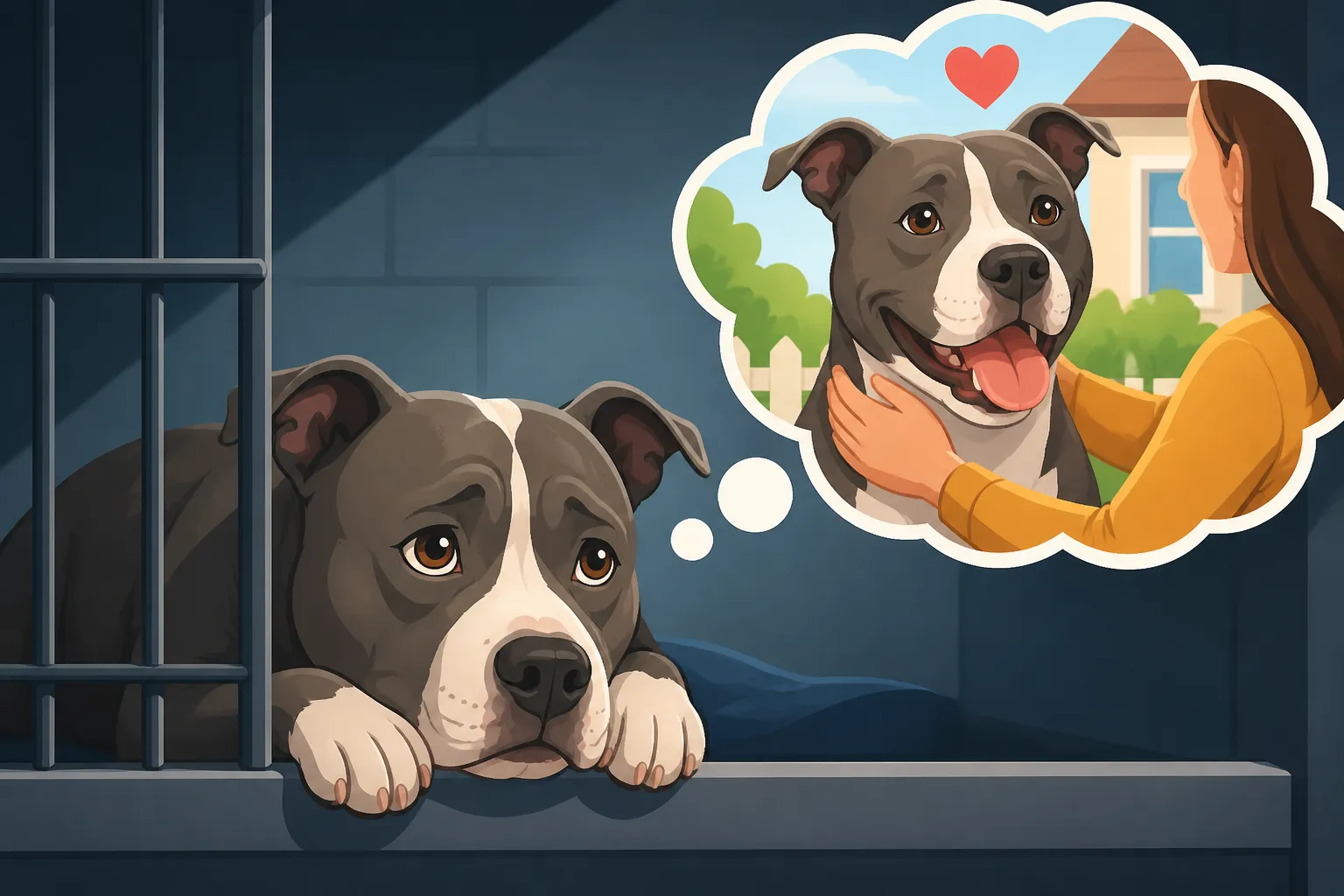
It's a frustrating reality that when you walk through a shelter, you'll often see dogs labelled as "Pit Bulls" spending far more time in their kennels than others. This isn't because they're any less deserving or loving, but rather a complex issue rooted in perception, legislation, and sometimes, plain misunderstanding. This guide will explore the real-world factors influencing how long these wonderful dogs wait for their forever homes and what potential adopters can expect.
The Reality of the "Pit Bull" Label in Shelters
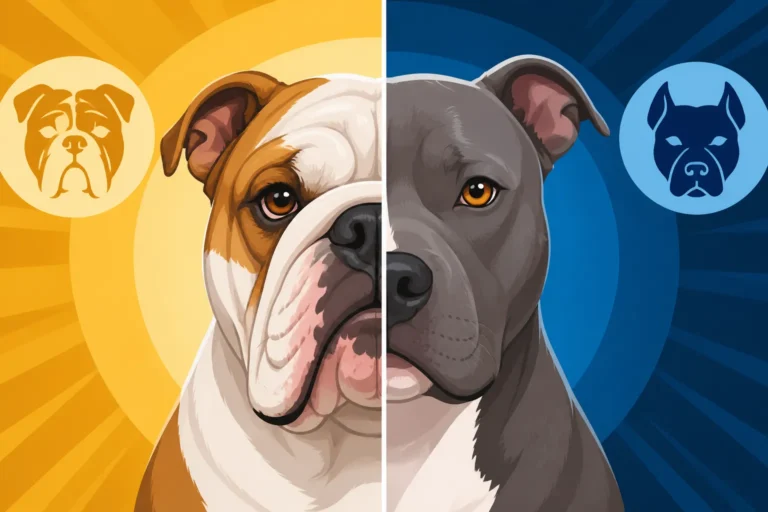
Let's be honest, the term "Pit Bull" itself is a bit of a moving target, isn't it? It's not a single breed recognized by all major kennel clubs, but rather a catch-all term that lumps together several distinct breeds and many mixed breeds that simply share a similar look. This ambiguity is the very first hurdle these dogs face in the shelter system.
Why the Label Matters So Much
The "Pit Bull" label carries a heavy weight, often unfairly influencing a dog's fate long before a potential adopter even lays eyes on them. It’s a label that comes with baggage, whether deserved or not, and it’s typically applied to any dog exhibiting certain physical characteristics – a blocky head, muscular build, and short coat. This broad classification means that a dog that is, say, 25% American Staffordshire Terrier, 25% Boxer, and 50% Labrador Retriever might still be labelled a "Pit Bull" by a shelter simply based on visual cues. This immediately places them under a different scrutiny than, say, a Beagle mix.
This generalized labelling has profound effects. It can dictate whether a dog is even allowed in certain communities due to breed-specific legislation (BSL), or whether they can be insured under a homeowner's policy. The negative public perception, often fueled by sensationalized media reports, creates a bias where some people will simply walk past a "Pit Bull" kennel without a second glance, no matter how sweet or well-behaved the dog inside might be. It’s a sad truth that their appearance, not their individual personality, often predetermines their waiting period.
How Shelters Identify "Pit Bulls"
The process of labelling a dog as a "Pit Bull" in a shelter is, for the most part, highly subjective. Most shelters rely on visual identification, which, as studies have shown, is notoriously inaccurate. A staff member or volunteer looks at a dog and, based on their experience and the dog's physical traits, makes a call. This can lead to significant discrepancies, with one shelter employee labelling a dog as a "Pit Bull" type, while another might identify the same dog as a "Terrier mix" or "Bulldog mix." This inconsistency is a major part of the problem.
For instance, a dog might have the broad head and muscular neck often associated with the "Pit Bull" type, but their true genetic makeup could be a blend of several breeds, none of which are strictly Pit Bull. Without DNA testing, which is often too expensive for shelters to perform on every incoming dog, these visual assessments are the norm. This means that many dogs carrying the "Pit Bull" label are not even predominantly one of the breeds typically considered "Pit Bull," like American Pit Bull Terriers or American Staffordshire Terriers. For more on this, you might find How Often Shelter Staff Agree on a Pit Bull Label insightful.
This lack of precise identification only reinforces the broad and often unfair categorization. It also means that shelters are frequently left trying to rehome dogs under a label that may not be genetically accurate but carries all the societal weight and restrictions of the perceived breed. It's a tough situation for the dogs and the dedicated shelter staff who are trying their best within limited resources.
Factors Influencing Adoption Wait Times for Labelled Pit Bulls
The journey from kennel to couch for a labelled Pit Bull is often longer and more complex than for many other breeds. There are several systemic and societal factors at play that stack the odds against them.
Breed-Specific Legislation and Housing Restrictions
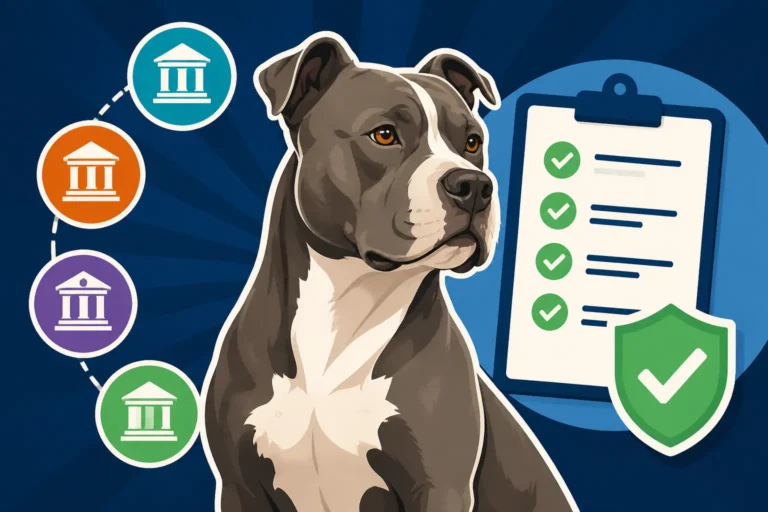
One of the most significant hurdles for labelled Pit Bulls is the existence of breed-specific legislation (BSL) in various cities and counties across the country. These laws can restrict or even ban ownership of certain breeds, with Pit Bull types being the most common target. If you live in an area with BSL, you might not even be allowed to adopt a dog identified as a Pit Bull, regardless of how responsible an owner you are. This immediately shrinks the pool of potential adopters dramatically.
Beyond direct government bans, housing restrictions present another massive barrier. Many landlords, apartment complexes, and Homeowners Associations (HOAs) have their own rules regarding dog breeds, and Pit Bulls are almost always on the prohibited list. This is often driven by insurance companies, as some homeowners insurance carriers either refuse to cover certain breeds or charge significantly higher premiums. Imagine finding the perfect Pit Bull in a shelter, only to realize your apartment complex lease specifically forbids them, or your homeowners insurance would triple! This frustrating reality means that even adopters who want a Pit Bull might be unable to provide a home due to circumstances entirely beyond their control. You can learn more about this in HOA Bylaws That Restrict Pit Bulls.
These restrictions create a constant cycle of returns to shelters or prevent adoption in the first place. A responsible adopter might spend weeks searching for rental housing that accommodates their existing Pit Bull, only to come up empty-handed. It's a heartbreaking situation that directly contributes to the longer wait times these dogs experience.
Public Perception and Misinformation
Despite their loyal and affectionate nature, Pit Bulls often suffer from a deeply ingrained negative public perception. Sensationalized stories in the media, a misunderstanding of their history, and persistent myths about their temperament contribute to a widespread fear or distrust. Many people approach a Pit Bull with preconceived notions, viewing them as inherently aggressive or dangerous, rather than individual dogs with unique personalities.
This misinformation is a powerful force. It leads potential adopters to bypass Pit Bulls for breeds perceived as "safer" or more family-friendly, even if the individual Pit Bull is a gentle couch potato who loves nothing more than snuggles. The phrase "nanny dog" might be a myth, but it speaks to the historical affection many had for these dogs before the modern era of negative press. Unfortunately, the current narrative often overshadows their true character, making it harder for shelters to showcase their loving qualities.
Overcoming these stereotypes requires a dedicated effort from shelters and advocates to re-educate the public, but it's an uphill battle. The perception means fewer people are willing to give these dogs a chance, lengthening their stay in the shelter system.
Age, Health, and Other Dog Factors
While all shelter dogs face challenges, certain individual factors can further extend a Pit Bull's waiting period, compounding the breed label issues. Puppies, regardless of breed, tend to be adopted fastest due to their undeniable cuteness and the appeal of shaping a young dog. However, once a Pit Bull reaches adolescence or adulthood, their chances drop significantly. Senior Pit Bulls, like other senior dogs, face an even tougher battle, often waiting months or even years.
Health issues are another major deterrent. A Pit Bull with chronic skin allergies, for example, might require ongoing medication, special diets (you can find suitable options on sites like Chewy), and medicated baths. These conditions, while manageable, represent an additional financial and time commitment for adopters. Pit Bull Skin Allergies and the Atopy Pattern highlights some of these common concerns. Similarly, orthopedic issues like hip or elbow dysplasia, which can be common in powerful breeds, will also add to their wait time.
Behavioral traits, even minor ones, can also play a role. While Pit Bulls are highly trainable, a strong, athletic dog that pulls hard on the leash can be intimidating to a less experienced adopter. Addressing common behaviors like leash pulling is crucial for improving adoptability, as discussed in Pit Bull Leash Manners and Physical Strength. A shy dog, or one that takes time to warm up to strangers, might be overlooked in a bustling shelter environment, further extending their stay while more outgoing dogs are chosen.
Strategies Shelters Use to Facilitate Pit Bull Adoptions
Recognizing the unique challenges faced by labelled Pit Bulls, many shelters and rescue organizations are employing creative and dedicated strategies to increase their chances of adoption. These efforts aim to overcome stigma, educate the public, and prepare these dogs for successful transitions into new homes.
Proactive Marketing and Rebranding
One of the most effective strategies shelters use is changing how they present Pit Bull type dogs to the public. Instead of simply labeling a dog as a "Pit Bull," many are adopting more descriptive or breed-neutral terms like "Terrier mix," "American Canine," or "Bully breed mix." This isn't about deception, but about giving the dog an opportunity to be seen as an individual rather than dismissed solely based on a loaded label. The hope is that by softening the initial identification, potential adopters will be more open to meeting the dog and learning about their unique personality. This strategy has shown promise in some areas, as explored in What Happens When Shelters Drop the Pit Bull Label.
Beyond renaming, shelters are actively working to highlight the positive traits of these dogs through engaging descriptions, professional photos, and heartwarming videos. They might showcase a Pit Bull cuddling with a volunteer, playing gently with toys, or demonstrating basic obedience skills. Special adoption events, sometimes focused specifically on "bully breeds," can also draw in adopters who are already inclined to give these dogs a chance. The goal is to shift the narrative from fear to affection, emphasizing their loyalty, playfulness, and intelligence.
Some organizations even create compelling social media campaigns, telling the individual stories of each dog, focusing on their character rather than their perceived breed. These efforts aim to humanize the dogs and challenge preconceived notions, often leading to successful adoptions that might not have happened otherwise.
Behavior Training and Enrichment Programs
A well-behaved dog is a more adoptable dog, regardless of breed. For Pit Bulls, who often face scrutiny, solid training and good manners are absolutely essential. Many shelters invest heavily in behavior training and enrichment programs to boost the adoptability of their Pit Bull population. This can include basic obedience classes, teaching commands like "sit," "stay," and "come." These skills make a dog more appealing to potential adopters and also provide mental stimulation, which is crucial for dogs living in a kennel environment.
Beyond basic obedience, some programs focus on leash manners, ensuring that strong Pit Bulls learn to walk politely without pulling. Others work on impulse control, helping dogs manage their excitement when meeting new people or other animals. Achieving titles like the Canine Good Citizen (CGC) can be a huge asset, demonstrating that a dog has excellent manners and can behave reliably in public. Canine Good Citizen and Why It Matters for a Pit Bull explains why this certification is so important. Shelters often utilize treats and puzzle toys, which can be easily sourced from retailers like Chewy, to keep the dogs mentally engaged and make training a positive experience.
These programs not only make the dogs more appealing but also help set them up for success in their new homes. An adopter is far more likely to commit to a dog that has demonstrated good behavior and has a foundation of training, reducing the likelihood of the dog being returned to the shelter later on.
Foster-to-Adopt and Foster Programs
One of the most powerful tools in a shelter's arsenal for high-needs or longer-stay dogs, including Pit Bulls, is a robust foster program. Getting a dog out of the stressful, noisy shelter environment and into a temporary home can dramatically improve their behavior and well-being. In a foster home, a Pit Bull can relax, learn house manners, and reveal their true personality away from the constant anxiety of kennel life. This allows the foster parent to provide detailed insights into the dog's temperament, habits, and needs, which is invaluable information for potential adopters. Foster Programs for Shelter Pit Bulls goes deeper into the impact of these programs.
"Foster-to-adopt" programs take this a step further. They allow potential adopters to take a Pit Bull home for a trial period, typically a few weeks, before fully committing to the adoption. This gives the family a chance to see how the dog integrates into their daily life, interacts with children or other pets, and adapts to the home environment. It removes some of the pressure and uncertainty of a permanent adoption, addressing concerns about compatibility without the finality. If it's a good fit, the foster period seamlessly transitions into adoption. If not, the dog returns to the foster program or the shelter, with everyone having gained valuable information.
These programs are particularly beneficial for Pit Bulls because they bypass many of the initial barriers. The dog is seen in a home setting, demonstrating their loving nature and good behavior, rather than being judged solely by a label and the stress-induced behaviors they might exhibit in a kennel. It’s a win-win: the dog gets a break from the shelter, and potential adopters get a low-risk opportunity to fall in love.
What You Can Do to Help or Prepare for Adopting a Pit Bull
If you're considering opening your heart and home to a Pit Bull, you're already a hero in my book. These dogs have so much love to give, and with the right approach, they can be incredible companions. But there are important steps you can take to ensure a smooth adoption and a happy life together.
Be an Educated Adopter
The single most important thing you can do is educate yourself and approach the adoption process with an open mind. Don't let the "Pit Bull" label dictate your decision. Instead, focus on the individual dog in front of you. Spend time with them at the shelter. Ask the staff specific questions about their personality, their history, how they interact with other dogs, cats, or children, and any known quirks or training needs. If you visit a shelter and see an adorable dog who just happens to be a labelled Pit Bull, spend some time with them! You might be surprised by how affectionate and gentle they are.
Beyond initial impressions, make an effort to visit the dog multiple times before committing. Take them for walks, sit with them quietly in a visitation room, and observe their behavior in different situations. A dog's true personality often shines through once they feel a bit more comfortable and less stressed. Remember, just like people, every dog is an individual. A Pit Bull's breed type may give you an idea of potential traits, but it should never be the sole determining factor. Be an advocate for the dog, looking beyond the stereotypes to find the perfect companion for your family.
Think about what you're truly looking for in a dog – do you want a running partner, a snuggle buddy, or a playful companion? Then, look for a Pit Bull whose individual temperament matches those desires.
Prepare Your Home and Lifestyle
Before you even step foot into a shelter, it is absolutely crucial to do your homework regarding housing. Pit Bulls face significant restrictions, so you need to be certain your living situation can accommodate one. This means checking your city or county ordinances for breed-specific legislation and, if you rent, getting explicit confirmation from your landlord in writing that a Pit Bull type dog is allowed. Don't just assume – many leases have clauses against certain breeds. It's often the single biggest reason these dogs are returned to shelters. For a deeper dive into this, see Whether Your Housing Situation Allows a Pit Bull.
Beyond legal and housing matters, consider your lifestyle and experience. Pit Bulls are powerful, intelligent dogs that thrive with consistent training, mental stimulation, and plenty of exercise. Are you prepared to commit to daily walks, training sessions, and providing enrichment through toys (like durable options from Chewy) or puzzle feeders? While they can be wonderful family dogs, they are also strong, and require an owner who can confidently handle them. If you're new to dog ownership, consider enrolling in a puppy class or working with a trainer experienced with strong breeds. Pit Bull Training and Certification Costs can give you an idea of what to expect there.
Lastly, be realistic about the financial commitment. Pit Bulls can be prone to certain health issues, such as allergies, which can lead to recurring vet bills for medications or special diets. Having a budget in mind for potential medical needs, or investing in pet insurance, is a wise move. What a Pit Bull Costs a Year With Allergies illustrates some of these expenses. Preparing your home and lifestyle proactively will not only make the adoption process smoother but will also contribute to a long, happy, and successful life with your new Pit Bull.
| Factor | Description | Impact on Wait Time |
|---|---|---|
| "Pit Bull" Labeling | Broad, visual-based categorization of dogs resembling Pit Bulls, often inaccurate. | Significantly increases wait times due to societal stigma and breed restrictions. |
| Breed-Specific Legislation (BSL) | Local laws that ban or restrict ownership of certain breeds, primarily Pit Bulls. | Drastically reduces the pool of eligible adopters in affected areas. |
| Housing Restrictions | Landlord, apartment, or HOA policies prohibiting certain breeds, often driven by insurance. | Prevents many willing adopters from providing a home, leading to longer shelter stays. |
| Negative Public Perception | Widespread stereotypes and misinformation portraying Pit Bulls as inherently dangerous. | Leads potential adopters to overlook Pit Bulls, choosing other breeds perceived as "safer." |
| Age of Dog | Puppies are adopted quickly; adult and senior Pit Bulls face longer waits. | Older dogs, especially seniors, are often overlooked in favor of younger animals. |
| Health Issues | Pre-existing conditions like allergies, joint problems, or chronic illnesses. | Deters adopters due to potential financial commitment and care requirements. |
| Behavioral Challenges | Issues like leash pulling, shyness, or high energy that require dedicated training. | May make a dog seem less appealing to less experienced or time-constrained adopters. |
| Shelter Marketing & Training | Proactive efforts to rebrand, showcase personality, and provide obedience training. | Can significantly reduce wait times by educating adopters and making dogs more appealing. |
| Foster Programs | Placing dogs in temporary homes to assess temperament and reduce shelter stress. | Dramatically improves a dog's chances by revealing true personality and providing a relaxed environment for potential adopters. |
Disclaimer
This article is for general informational purposes only and does not constitute professional advice. Laws, prices and regulations vary by location and change over time. Consult a qualified professional for guidance on your specific situation.