A Pit Bull Around a Crawling Child
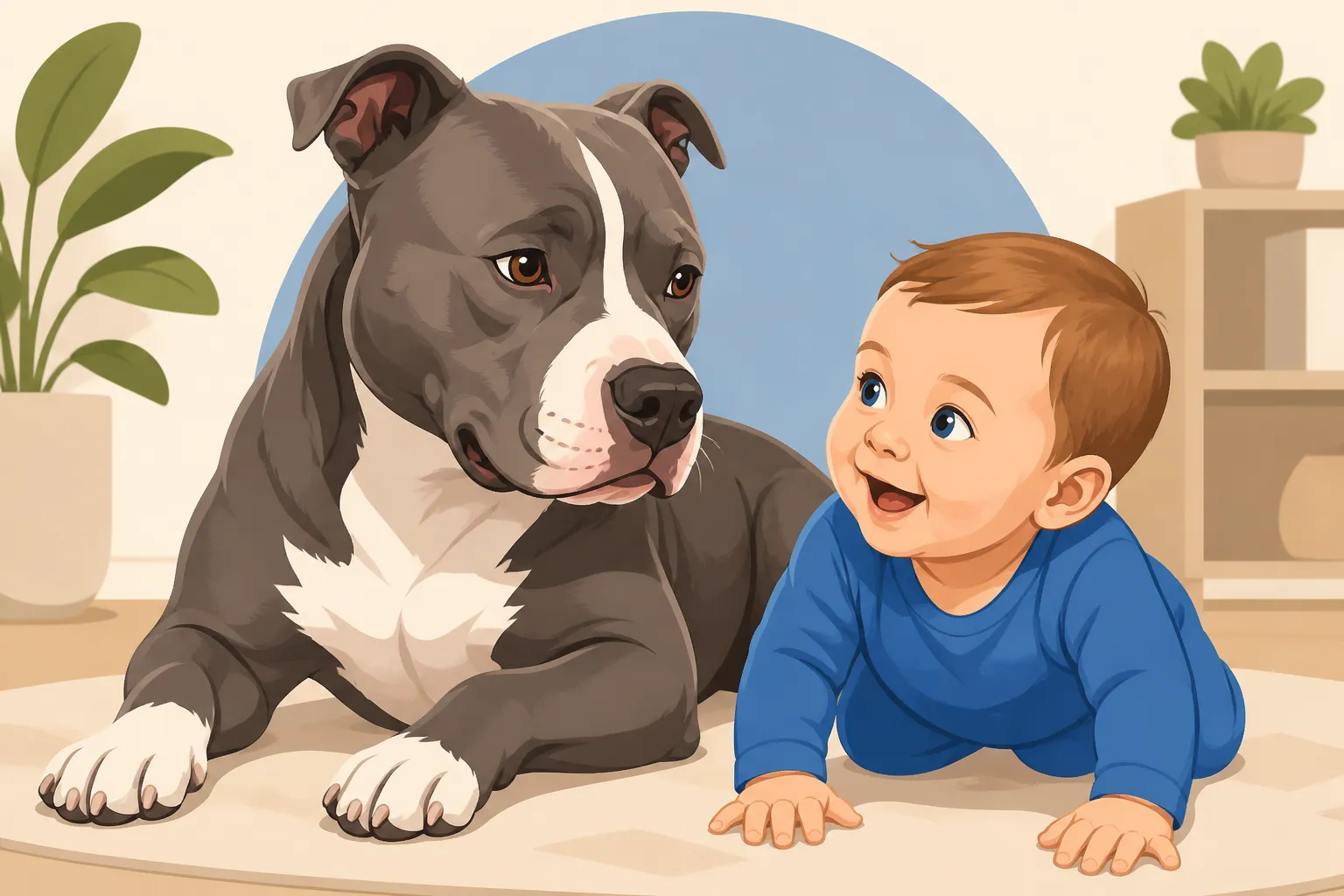
Bringing a new baby, especially a crawling one who is suddenly mobile and exploring everything with their hands and mouth, into a home with a Pit Bull can feel like navigating a minefield. You adore your dog, and you're thrilled about your growing family, but the worry of ensuring everyone's safety, particularly with the unique challenges sometimes associated with Pit Bull perception, is very real. This guide is here to walk you through understanding your Pit Bull's reactions, establishing clear boundaries, and fostering a safe, harmonious environment for your canine companion and your curious crawler.
Understanding Your Pit Bull's Baseline Temperament with Children
Before a tiny human starts moving independently and interacting with their world, it's crucial to have a clear picture of your Pit Bull's personality and how they genuinely react to novelty, sudden movements, and changes in routine. A crawling baby is a whole new level of novelty, and it's essential to approach this with realism and proactive planning, not just hope.
The "Nanny Dog" Myth vs. Reality
One of the most persistent and unfortunately dangerous myths surrounding Pit Bulls is the "nanny dog" narrative. While many Pit Bulls are wonderfully gentle and tolerant with children, the idea that they are inherently wired to be exceptionally good with kids, more so than any other breed, is simply not true and can lead to a false sense of security. Relying on this myth can put both your child and your dog at risk. Every dog, regardless of breed, is an individual. Their behavior around children is shaped by their genetics, early socialization, training, and ongoing experiences, not by a blanket breed characteristic. The notion that a Pit Bull will naturally protect or babysit a child is a romanticized idea that ignores the reality of dog behavior. It removes the onus from us, as responsible owners, to actively manage interactions and teach both dog and child appropriate boundaries. For more on this, you might find Why No Pit Bull Should Be Left With a Child insightful.
Assessing Your Dog's History and Personality
Take an honest look at your Pit Bull's past. Was your dog raised around children from a young age, or are young children a relatively new experience for them? How do they react to loud noises, unexpected touches, or strangers? Have they ever shown any resource guarding tendencies with toys, food, or even your attention? If your Pit Bull tends to be anxious, easily startled, or has a history of reactivity towards other dogs or people, these traits will be magnified by a crawling baby. A dog that is uncomfortable with quick movements or unexpected grabbing might find a baby's exploratory nature incredibly stressful. Consider how your dog typically interacts with visitors; do they jump? Do they get overly excited? Do they retreat? These are all clues to how they might handle the unpredictable nature of a crawling infant.
Early Signs of Discomfort or Stress
Dogs communicate primarily through body language, and it's our job as owners to learn their language, especially when a vulnerable family member is involved. Subtle signs of stress or discomfort from your Pit Bull around a crawling child can include:
- Lip licking: Often a quick flick of the tongue.
- Yawning: Especially when not tired.
- Head turns or averting gaze: Trying to avoid looking at the child.
- Stiffening of the body: Becoming rigid, not relaxed.
- Whale eye: The whites of their eyes are visible.
- Tail tucked: A clear sign of anxiety or fear.
- Low growl or soft whine: These are warnings; never punish a growl, as it's critical communication.
- Ears flattened back: Indicating fear or appeasement.
- Crouching or attempting to move away: Trying to escape the situation.
It's vital to recognize these signals immediately and intervene to create distance or remove the stressor. Ignoring these early warnings can lead to an escalation of behavior. Understanding Reading a Pit Bull Before a Scuffle Starts can provide more detail on these crucial cues.
Setting Up a Safe Environment for Both Child and Dog
The single most important principle when having a Pit Bull and a crawling child in the same home is constant, active supervision and the strategic use of physical barriers. It's not about trust; it's about responsible management and setting everyone up for success.
Physical Barriers and Designated Safe Spaces
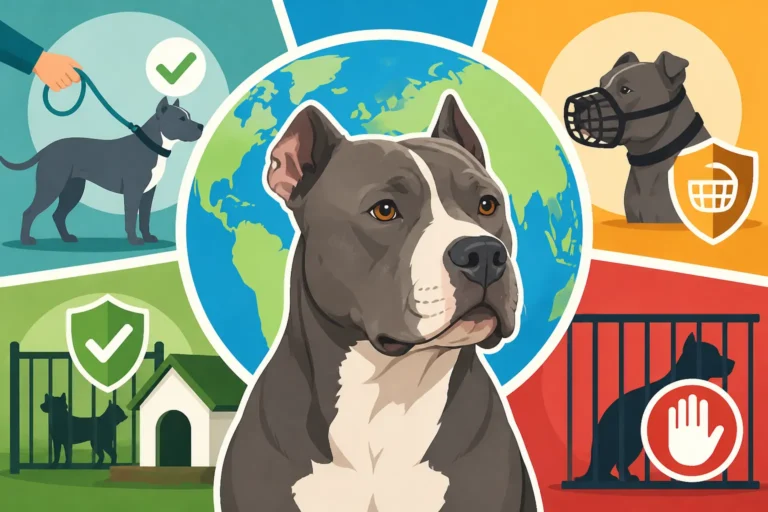
Your home needs to become a zone of clear boundaries. Baby gates are your best friend here. Use them liberally to create dog-free zones where your baby can crawl and explore safely, and dog-only zones where your Pit Bull can relax without being bothered. This might mean the nursery is always gated off, or a specific living area is designated for the baby. Similarly, your Pit Bull needs a safe haven—a crate or a room where they can retreat. Many dogs, including Pit Bulls, thrive with a dedicated den space. A comfortable crate from a brand like Chewy, outfitted with cozy bedding and safe chew toys, can be invaluable. This crate should be a positive space, never used for punishment. It allows your dog to have a break from the constant stimulation of a curious crawler. The goal is to prevent any accidental negative interactions by controlling access.
Supervised Interactions Only, Always
Let me repeat this: never, ever leave your Pit Bull unsupervised with a crawling child, even for a second. This means if you need to answer the door, use the restroom, or step into another room, either the child or the dog goes with you, or one is safely secured behind a gate or in a crate. Accidents happen in a blink, and it's simply not worth the risk. Active supervision means you are not distracted by your phone, television, or chores. You are present, observing both your dog's and your child's body language, and ready to intervene immediately. This isn't just for the baby's safety; it's also for your dog's. We don't want the dog to be in a position where they feel overwhelmed or cornered by a persistent crawler, as this can lead to stress-related behaviors. Think of it as a constant, gentle dance where you are the choreographer, ensuring everyone stays in their lane.
Managing Resources and Triggers
A crawling child can be a magnet for anything interesting on the floor, which often includes your dog's food, water, or toys. Resource guarding is a natural canine instinct, and even a typically non-aggressive dog can react poorly if a baby tries to grab their prized chew or stick a hand in their food bowl.
- Feeding Times: Always feed your Pit Bull in a separate, secure area where the baby cannot access them.
- Toys: Ensure your dog's toys are distinct from the baby's. Put away high-value dog toys when the baby is crawling around, or only offer them when the dog is in their designated safe space. Regularly provide new, durable chew toys to help your Pit Bull de-stress and satisfy their natural chewing instincts, which you can easily find at places like Chewy. This can help with Pit Bull Chewing and Destructive Behavior.
- Attention: Be mindful of how your attention shifts. Dogs thrive on routine and attention. A crawling baby often means less direct attention for your dog, which can lead to jealousy or attention-seeking behaviors. Try to carve out special, one-on-one time with your Pit Bull daily, even if it's just a short training session or a cuddle on the couch, away from the baby. This reinforces their place in the family unit and helps reduce stress.
| Body Language Sign | Interpretation (Context: Crawling Child) | Action Needed |
|---|---|---|
| Lip Lick / Yawn | Mild stress, appeasement, "I'm uncomfortable" | Increase distance, gentle redirection of dog or child |
| Head Turn / Avert Gaze | Avoidance, "Please leave me alone" | Create space, remove child, give dog a break |
| Stiff Body / Low Tail | Increased tension, preparing for a reaction | IMMEDIATE intervention, separate dog and child |
| Whale Eye (whites visible) | Significant stress, potential fear/aggression | IMMEDIATELY remove child or dog, do not ignore |
| Growl / Snarl | Clear warning, "Back off!" | IMMEDIATE and firm separation. Seek professional help. |
| Attempting to Leave | Seeking escape, "I don't want to be here" | Allow dog to retreat, ensure escape routes are available |
| Paw Lift / Freezing | Uncertainty, apprehension | Observe closely, prepare to intervene, create more space |
Proactive Training and Desensitization Strategies
Training isn't just for puppies; it's an ongoing process that becomes even more critical with a crawling baby. Your Pit Bull needs clear expectations and consistent reinforcement to understand how to behave around this new, unpredictable member of the family.
Reinforcing Calm Behavior Around the Child
Use positive reinforcement to reward your Pit Bull for calm, appropriate behavior whenever the baby is present. This means giving treats, praise, or gentle pats when your dog is lying down quietly, ignoring the baby, or generally being relaxed. If your Pit Bull starts to get too excited or agitated, calmly redirect their attention away from the baby to a puzzle toy or a training command they know well, like "place" or "stay." The goal is to associate the baby's presence with positive, calm experiences, rather than excitement or anxiety. This might involve having your Pit Bull on a loose leash near you while the baby crawls, rewarding them for every moment they remain calm and settled. Over time, they'll learn that being calm around the baby leads to good things. Consistent practice of foundational obedience commands will be your best friend here. Consider Training a Pit Bull to a Higher Standard Than Other Dogs for further guidance.
Teaching the Child Gentle Interactions
As your baby grows into a toddler, it becomes just as important to teach them how to interact respectfully with your Pit Bull. This isn't something that happens overnight, but it starts with gentle guidance from you. Teach them the "gentle hands" rule, showing them how to softly pet the dog on the shoulder or back (never the face or tail) only when the dog approaches them willingly. Teach them not to pull ears, tails, or climb on the dog. Always supervise these interactions, physically guiding their hands if necessary. Remember, a dog should always have the option to leave an interaction with a child. Creating a culture of respect for your dog's space and boundaries from a young age is crucial for long-term safety.
Muzzle Training as a Safety Net
This might sound drastic, but muzzle training every Pit Bull (and frankly, every dog) is a highly responsible and proactive step, especially in a home with small children. A comfortable, well-fitted basket muzzle is not a sign of an aggressive dog, but rather a vital safety tool. It allows your dog to breathe, pant, drink, and even take treats, all while providing an invaluable layer of protection during potentially stressful situations. Imagine if you have visitors over and your crawler is particularly boisterous, or if your dog is recovering from an injury and might be more sensitive to touch. A muzzle allows you to relax slightly, knowing that an accidental bite is prevented. Introducing muzzle training positively, with lots of treats and praise, can make it a neutral or even positive experience for your dog. For more detailed steps, check out Muzzle Training Every Pit Bull Should Have. It's about preparedness, not prediction.
When to Seek Professional Help and Ongoing Vigilance
Even with the best intentions and diligent efforts, sometimes you might encounter behaviors that feel beyond your control or make you genuinely uncomfortable. Recognizing when to call in the experts is a sign of responsible pet ownership, not failure.
Recognizing Red Flags
Certain behaviors should be considered immediate red flags, signaling that you need professional help:
- Growling or snapping at the child: Even if the dog doesn't make contact, this is a serious warning.
- Persistent avoidance or hiding: If your Pit Bull is constantly trying to escape the child's presence, they are highly stressed and unhappy.
- Resource guarding escalations: If your dog becomes aggressive over food, toys, or even sleeping spots when the child is near.
- Sudden changes in temperament: If a previously calm dog becomes irritable or reactive.
- Anxiety symptoms: Excessive drooling, panting, destructive behaviors when the child is present or even when you simply prepare to bring the child into the room.
These are not behaviors to be ignored or hoped away. They require immediate, skilled intervention.
Consulting a Certified Professional
If you notice any red flags, or even if you just feel overwhelmed and unsure, seek help from a certified professional dog trainer or veterinary behaviorist. Look for someone who uses positive reinforcement methods and has experience with Pit Bull-type dogs and child-dog interactions. Avoid anyone who recommends harsh corrections or dominance-based training, as these methods can escalate fear and aggression, especially around vulnerable individuals like children. A good professional will come to your home, observe your dog's behavior in their environment, and help you develop a tailored plan to manage interactions and modify behavior safely. They can provide invaluable insight and hands-on guidance that a blog post simply can't. A certified professional can also help you develop a safe Consent Based Handling With a Pit Bull approach for all family members.
The Long Game of Management
Living with a Pit Bull and a crawling child (and eventually a walking, running, jumping child!) is a journey that requires ongoing commitment and adaptability. What works today might need adjustments next month as both your child and your dog evolve. Your child will go through different developmental stages, each bringing new challenges and opportunities for interaction. Your Pit Bull will also age, and their patience levels or physical capabilities may change. This means:
- Ongoing Supervision: The "never leave unsupervised" rule applies through toddlerhood and beyond. As children get older, supervision still needs to be active, teaching them respect for the dog.
- Continued Training: Reinforce good behaviors for your dog and teach your child appropriate ways to interact.
- Regular Check-ins: Periodically assess your home's safety protocols. Are the gates still secure? Is your dog still comfortable?
- Prioritizing Your Dog's Well-being: A happy, well-exercised, and mentally stimulated Pit Bull is more likely to be a calm and tolerant companion. Ensure they are still getting their walks, playtime, and mental enrichment, perhaps even using some of the durable toys available at Chewy. This also helps manage Pit Bull Leash Manners and Physical Strength.
It's a marathon, not a sprint. By understanding your dog, setting clear boundaries, training consistently, and seeking professional help when needed, you can foster a safe and loving home where both your Pit Bull and your crawling child can thrive.
Disclaimer
This article is for general informational purposes only and does not constitute professional advice. Laws, prices and regulations vary by location and change over time. Consult a qualified professional for guidance on your specific situation.