How Other Countries Handle Pit Bull Type Dogs
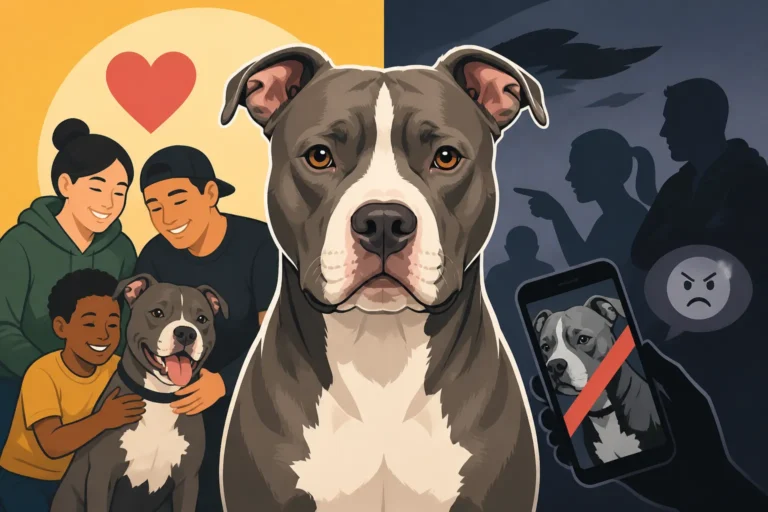
It's incredibly frustrating and often terrifying to consider how your beloved Pit Bull might be perceived, or even restricted, when you look beyond your local borders. The love you have for your dog shouldn't be met with confusion or outright bans, but unfortunately, navigating international waters with a Pit Bull type dog can feel like walking through a legal minefield. This guide aims to shed light on how various countries across the globe approach Pit Bull type dogs, from outright bans to more progressive, behavior-focused regulations, helping you understand the complex landscape you might encounter.
Understanding Breed Specific Legislation Globally
The legal treatment of Pit Bull type dogs varies wildly from one country to another, and even within regions of the same country. This patchwork of regulations often stems from something called Breed Specific Legislation, or BSL. Essentially, BSL is a law or ordinance that targets specific breeds of dogs, or dogs that resemble those breeds, for outright bans, restrictions, or special requirements. For Pit Bull owners, this is often a source of immense stress and confusion, especially since "Pit Bull" itself isn't a single, universally recognized breed, but rather a catch-all term for several related breeds like the American Pit Bull Terrier, American Staffordshire Terrier, and Staffordshire Bull Terrier. Why Pit Bull Is a Type and Not a Breed is a great resource to understand this distinction.
The Rationale Behind BSL
The motivations behind BSL are complex and often emotionally charged. At their core, these laws are usually enacted with the intention of enhancing public safety by reducing dog bite incidents. Historically, certain breeds, including Pit Bull type dogs, have been associated with severe bites in media reports, which can unfortunately fuel public fear and pressure on lawmakers. This fear, coupled with a lack of understanding about individual dog behavior versus breed stereotypes, often leads to broad, sweeping policies. Lawmakers might believe that by controlling or eliminating specific breeds, they are directly preventing future incidents, even when evidence suggests that responsible ownership, training, and socialization are far more impactful factors. The goal is often perceived public safety, but the methods are frequently debated for their effectiveness and fairness. What the Cost of a Pit Bull Reputation is something many owners live with daily.
Common Forms of BSL
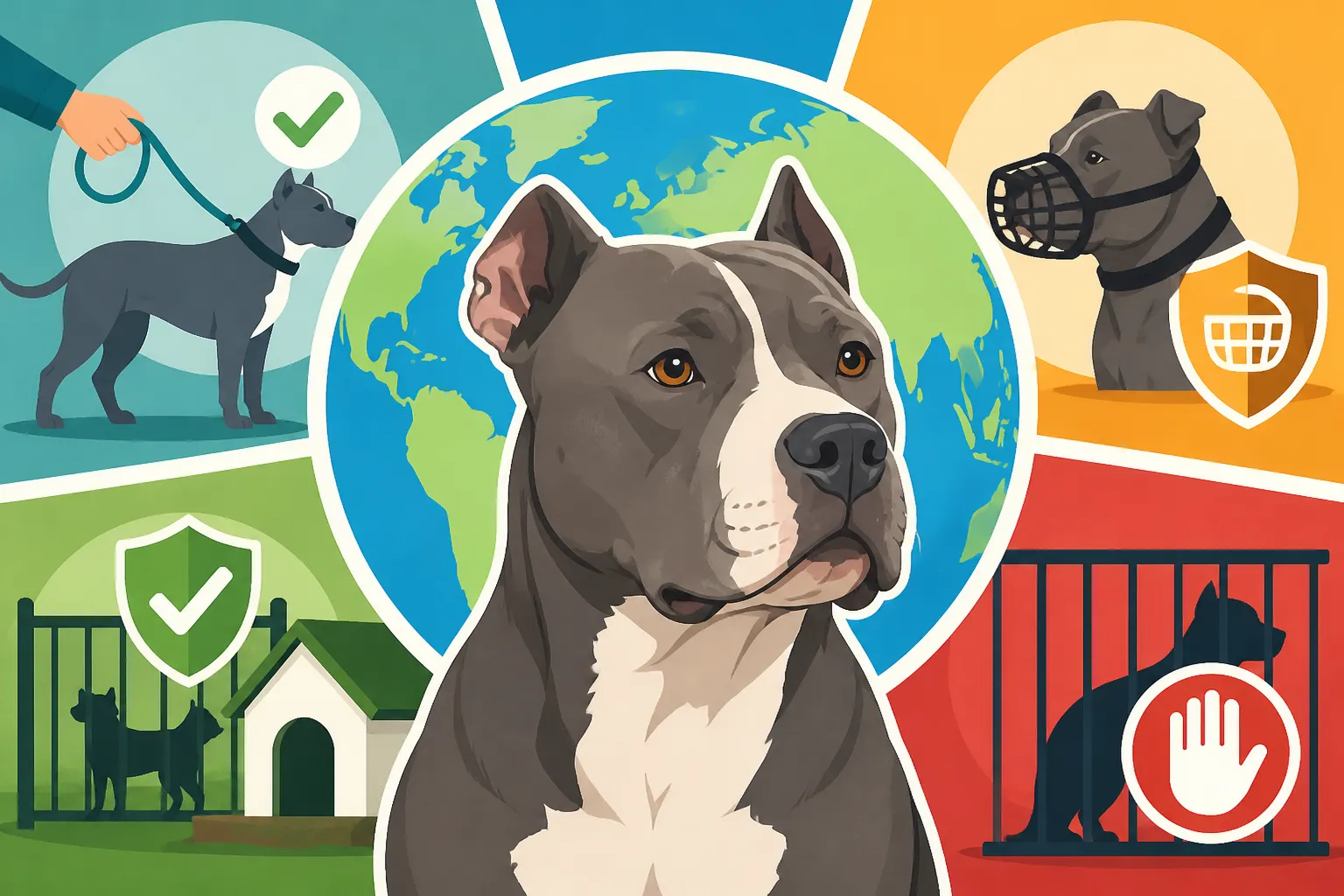
BSL isn't a one-size-fits-all approach; it manifests in various forms. Some countries or jurisdictions implement outright bans, meaning certain breeds are illegal to own, import, or even transit through. This can lead to heartbreaking situations where families are forced to leave beloved pets behind or face dire consequences. Other forms of BSL impose strict restrictions on ownership, which can include mandatory sterilization, microchipping, strict leash and muzzle laws in public, secure enclosure requirements, and even special liability insurance policies. For example, you might be required to always walk your Pit Bull on a specific type of lead or harness, and with a muzzle, regardless of how well-behaved your dog is. These restrictions can significantly impact a dog's quality of life and an owner's ability to participate in everyday activities with their pet. Muzzle Training Every Pit Bull Should Have is a practical skill for any Pit Bull owner, but especially those in BSL areas.
Countries with Strict Bans or Heavy Restrictions
When considering international travel or relocation, it's absolutely crucial to be aware of countries that have particularly stringent laws regarding Pit Bull type dogs. These regulations can be incredibly rigid, and ignorance of the law is rarely an excuse.
Total Prohibitions and Import Bans
Several countries worldwide have implemented total bans on Pit Bull type dogs, making it illegal to own them, breed them, or even bring them into the country, sometimes even for a brief layover. Nations like the United Kingdom, Ireland, and Germany are well-known for their strict breed-specific legislation, which includes outright prohibitions on certain types of dogs often identified as Pit Bulls. In these places, if your dog is identified as a prohibited type, it could face seizure, impoundment, and even euthanasia, regardless of its temperament or history. The emotional and financial toll of such an encounter is immense. Even attempting to transit through an airport in a country with a ban can lead to severe issues, with dogs being turned away or worse. This is why thorough research on your destination and any transit points is paramount. Traveling and Moving With a Pit Bull needs careful planning.
For instance, the UK's Dangerous Dogs Act has led to many heartbreaking stories of dogs being seized based purely on their physical characteristics, not their behavior. Similarly, Germany has robust regulations that can make importing certain breeds exceptionally difficult or impossible. Even if you're just passing through on a plane, checking the specific airline's policies and the transit country's laws is non-negotiable.
Stringent Ownership Requirements
Beyond outright bans, many countries impose incredibly stringent ownership requirements that can make life with a Pit Bull type dog challenging. Countries like Canada (specifically certain provinces like Ontario, though some cities have repealed their bans) and parts of Australia have historically had, or continue to have, legislation that places heavy burdens on Pit Bull owners. These requirements often include:
- Mandatory Sterilization: To prevent further breeding of the "restricted" type.
- Microchipping: For identification and tracking. This is generally a good practice for all dogs, but it becomes legally mandated in these areas. You can often find microchips and scanners on sites like Chewy, though the implant itself must be done by a vet.
- Muzzling and Leashing: Pit Bulls might be required to be muzzled and kept on a short leash in all public spaces, regardless of their training or demeanor.
- Secure Enclosures: Properties where Pit Bulls reside may need to meet specific fencing or enclosure standards to prevent escapes.
- Special Permits and Registrations: Owners might need to apply for special permits, register their dogs with local authorities, and renew these annually, often involving fees and inspections.
- Heightened Liability Insurance: Obtaining Getting Home Insurance With a Pit Bull can already be a hurdle in some places, but in BSL areas, you might face even higher premiums or fewer options for liability coverage.
These regulations mean that owning a Pit Bull in these areas requires a significant commitment to compliance, constant vigilance, and often, an acceptance of public scrutiny. It's not just about managing your dog; it's about managing a constant interaction with the legal system and public perception.
Countries with Breed-Neutral or Less Restrictive Approaches
Thankfully, not all countries take a breed-specific approach. A growing number of jurisdictions are recognizing that "dangerousness" is not inherent to a breed but rather a complex interplay of genetics, socialization, training, and owner responsibility.
Focusing on Individual Dog Behavior
Some progressive regions and nations have shifted away from BSL, opting instead for breed-neutral dangerous dog laws. This approach focuses on the individual dog's behavior and the owner's actions, rather than its appearance or perceived breed. Italy, for example, famously reversed its national list of dangerous breeds in favor of laws that hold owners accountable for their dog's behavior, regardless of breed. Similar shifts have occurred in some areas of the United States, where states and cities are repealing BSL in favor of comprehensive dangerous dog laws.
In these places, if a dog (of any breed) exhibits aggressive behavior, its owner faces consequences, which might include mandatory training, muzzling orders, or even seizure, depending on the severity of the incident. This approach acknowledges that any dog, poorly socialized or managed, can pose a risk, and conversely, any dog, including a Pit Bull type, can be a well-behaved, loving companion with proper care. It places the emphasis where it belongs: on responsible pet ownership. This approach often leads to better outcomes for dogs, as resources are directed towards education and prevention rather than breed-based discrimination. What Happens When You Walk a Pit Bull in Public in these areas can be a vastly different experience.
Education and Responsible Ownership Programs
Countries and communities that adopt a breed-neutral stance often invest heavily in education and responsible ownership programs. These initiatives aim to prevent dog bites by promoting proper training, socialization, and awareness among all dog owners. They might include:
- Mandatory training courses: For owners of any dog deemed "at risk" or for specific situations.
- Public awareness campaigns: Educating the public on how to safely interact with dogs and understand canine body language.
- Support for spay/neuter programs: To reduce stray populations and associated problems.
- Promoting positive reinforcement training: Encouraging methods that build a strong bond between dog and owner. Positive Reinforcement Training With a Pit Bull is crucial for these powerful dogs.
This approach views dog ownership as a public trust, requiring education and proactive measures from all pet parents. It recognizes that effective prevention comes from addressing underlying causes of aggression and promoting good citizenship among both dogs and their humans. When it comes to everyday essentials like training treats or enrichment toys, resources like Chewy can be invaluable for supporting responsible ownership through positive training.
Navigating International Travel and Relocation with a Pit Bull
For Pit Bull owners, the dream of living or traveling abroad with their furry family member often clashes with the reality of international breed laws. This is arguably the most challenging aspect of owning a Pit Bull type dog on a global scale.
Researching Destination Laws
This cannot be stressed enough: do your homework. Before you even consider booking a flight or planning a move, you must thoroughly research the specific laws of your destination country, province, state, and even city. Websites for government agricultural departments, embassies, and consulate services are good starting points. Look for terms like "dangerous dog laws," "breed specific legislation," "import restrictions," and "prohibited breeds." Remember that transit rules can be just as strict as destination rules; a layover in a country with a ban can be a critical issue.
It’s not enough to broadly know a country's stance. You need to identify if the laws apply to all "Pit Bull types" or specific breeds within that category, like American Staffordshire Terriers or Staffordshire Bull Terriers. Sometimes, even the visual appearance of your dog, rather than its specific breed registration, can lead to it being classified as a prohibited type. How a City Decides a Dog Is a Pit Bull is a complex issue even domestically.
Essential Documentation and Preparations
Once you've confirmed that your Pit Bull can enter your destination, preparing the necessary documentation and making arrangements is a meticulous process. This often involves:
- Veterinary Health Certificates: Usually issued within a very specific timeframe (e.g., 10 days) before travel, attesting to your dog's health and fitness to travel.
- Rabies Vaccination Certificates: Proof that your dog is up-to-date on its rabies vaccination, often with specific requirements regarding the timing of the shot and the travel date.
- Microchip Documentation: Ensuring your dog's microchip is ISO-compliant and registered.
- Import Permits/Licenses: Many countries require pre-approval or permits for importing animals, especially certain breeds. These can take weeks or months to obtain.
- Sterilization Proof: If sterilization is a requirement, you'll need official veterinary documentation.
- Photographs of Your Dog: Sometimes required for identification purposes by authorities.
- Crate Requirements: Airlines and countries often have strict rules for travel crates, including size, ventilation, and construction. You'll want a sturdy, airline-approved crate, which you can usually find on Chewy or other pet supply retailers, ensuring it's comfortable for your dog.
The process can be lengthy and expensive, often requiring multiple vet visits, specialized forms, and significant logistical planning. It’s also wise to prepare for potential bureaucratic delays or unexpected demands. Having all your paperwork in a physical binder and digital copies can save you a lot of stress. Always double-check every detail, as a single missing signature or an incorrectly dated certificate can derail your entire plan. What a Pit Bull Health History Should Cover is a good start for getting your records in order.
Here’s a simplified overview of how some countries handle Pit Bull type dogs, keeping in mind that local regulations can vary within each country:
| Country/Region Example | General Approach to Pit Bull Type Dogs | Common Requirements/Restrictions | Potential Challenges |
|---|---|---|---|
| United Kingdom | Strict Ban (Dangerous Dogs Act) | Illegal to own, breed, sell, or abandon. Seizure/euthanasia risk. | High risk of dog being seized if identified as a "type." |
| Ireland | Breed Restrictions | Mandatory muzzle, leash (short, strong), adult handler, visible license tag. | Public perception, legal scrutiny if incident occurs. |
| Germany | Categorization by State | Bans or permits depending on the state. Muzzle/leash laws, import restrictions. | Highly variable rules, complex to navigate inter-state. |
| Canada (Ontario) | Provincial Ban | Illegal to own, breed, or import in Ontario. Other provinces vary. | Moving into Ontario, inter-provincial travel. |
| Australia (some states) | Import Ban & Restrictions | Import ban; some states have ownership restrictions. | Impossible to import, strict conditions if already there. |
| Italy | Breed-Neutral (Focus on behavior) | No breed-specific bans; focuses on dangerous dog laws for all breeds. | Owner responsibility for behavior, potential for local ordinances. |
| United States | Mixed (Many BSL repeals, but still some local BSL) | Varied by state/city, often breed-neutral, but some local BSL remains. | Patchwork of laws requires specific local research. |
This table provides a general snapshot, but the most important takeaway is that specific research for your exact destination and transit points is absolutely critical. Don't rely on general advice; verify current regulations with official government sources well in advance of any travel.
Disclaimer
This article is for general informational purposes only and does not constitute professional advice. Laws, prices and regulations vary by location and change over time. Consult a qualified professional for guidance on your specific situation.