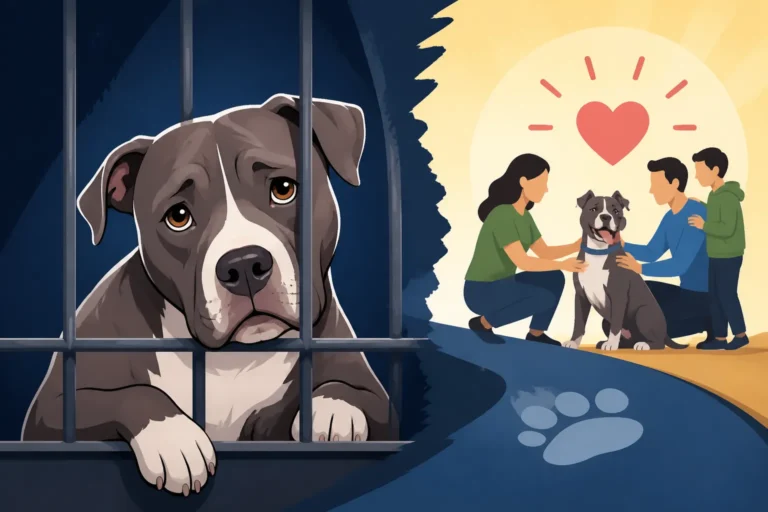
How Media Coverage Shapes Pit Bull Perception
It's frustrating when you love a dog breed so deeply, but you constantly encounter misunderstandings and outright prejudice about them, all because of how they're portrayed. For Pit Bull owners, this is a daily reality, as media coverage often paints a distorted, sensationalized picture that has little to do with the wonderful dogs we share our homes with. This guide aims to shed light on how media narratives, both historical and contemporary, shape public perception of Pit Bulls and what we can do to understand and challenge these portrayals.
The Evolution of the "Pit Bull Problem" in Media
The way Pit Bulls are viewed today is a far cry from their historical public image, and media has played a significant role in this dramatic shift. Understanding this evolution helps us recognize the patterns when we see them.
Historical Roots: From War Heroes to Villains
It's truly wild to think about, but once upon a time, Pit Bulls were celebrated as quintessential American dogs. During the early 20th century, these dogs graced recruitment posters for both World War I and II, embodying bravery, loyalty, and strength. Think about iconic figures like Sergeant Stubby, the decorated war dog, or Petey from "The Little Rascals" – both were Pit Bull types. They were seen as family dogs, protectors, and even "nanny dogs," a term often misunderstood now but reflecting their perceived gentle nature with children. What the Pit Bull Nanny Dog Story Rests On
This positive image was widespread. They were symbols of American resilience and companionship. Early media, often in advertising and popular culture, reinforced this narrative of the Pit Bull as a trustworthy, sturdy family member. Their intelligence and eagerness to please made them popular choices for various roles, from farm dogs to beloved household pets. This era showcases a vastly different public perception, one shaped by stories of heroism and devoted companionship rather than fear.
The Rise of Negative Stereotypes in the Late 20th Century
The late 20th century, however, brought a drastic and unfortunate shift. As dog fighting saw a resurgence, often glamorized in certain subcultures, and crime reporting became more sensationalized, the Pit Bull became an unwitting scapegoat. Media outlets began to associate the term "Pit Bull" almost exclusively with aggression, violence, and dangerous incidents. Instead of being lauded for their strength, that very quality was twisted into a negative, implying inherent danger.
This period saw a proliferation of headlines that demonized the breed, often using terms like "killer dogs" or "vicious animals." The focus shifted entirely from the dog's individual temperament or the owner's responsibility to the breed itself being the problem. This fear-mongering fueled the push for breed-specific legislation (BSL) in many communities, which, in turn, reinforced the idea that these dogs were inherently dangerous and needed to be controlled or banned. The media didn't just report on incidents; it actively participated in shaping a negative public narrative that profoundly impacted the lives of countless Pit Bulls and their devoted owners, leading to bans and restrictions on housing and insurance.
Anatomy of Sensational Reporting: How Stories Get Told
When an incident involving a dog occurs, especially one that results in injury, the way the story is framed can significantly amplify or mitigate public fear and prejudice against Pit Bulls. It’s crucial to look beyond the headline and understand the underlying mechanisms of sensational reporting.
Misidentification and Breed Labeling
One of the most insidious ways media coverage distorts perception is through breed misidentification. Often, any dog with a blocky head, muscular build, and short coat is immediately labeled a "Pit Bull" by reporters, even if its actual genetic makeup is entirely different. This isn't just a minor inaccuracy; it fundamentally skews statistics and perpetuates stereotypes. A dog involved in an incident might be a Boxer mix, a Bulldog, or a Mastiff cross, but if it looks like what people imagine a Pit Bull to be, that's the label it gets. How Shelters Decide a Dog Is a Pit Bull
This visual identification, often made by untrained individuals or simply based on a quick glance, means that Pit Bulls are disproportionately implicated in bite statistics. This false data then feeds back into the media cycle, creating a self-fulfilling prophecy where more incidents are attributed to Pit Bulls, regardless of actual breed. This lack of accurate identification prevents a true understanding of dog behavior and risks, instead focusing blame on a broad, visually defined "type" rather than specific breeds or individual circumstances. It highlights a huge problem with the very term "Pit Bull" itself, which isn't a single, recognized breed in many registries. Why Pit Bull Is a Type and Not a Breed
Focusing on the "Breed" Rather Than the "Owner" or "Circumstances"
Another common trope in media coverage is to place the blame squarely on the "breed" rather than exploring the complexities of the incident. Rarely do headlines or articles delve into crucial factors like the dog's history, whether it was abused or neglected, if it was properly socialized, or the specifics of the owner's management. Was the dog tethered indefinitely? Was it provoked? Was it left unsupervised with vulnerable individuals? These are often overlooked in favor of the simpler, more dramatic narrative: "Pit Bull attacks."
This selective reporting removes accountability from irresponsible owners and systemic issues, instead creating the impression that Pit Bulls are inherently dangerous, regardless of their upbringing or environment. A well-socialized, trained, and loved Pit Bull is rarely newsworthy, but an incident involving a poorly managed dog labeled a "Pit Bull" will often grab headlines. Responsible ownership includes consistent training, proper supervision, and providing enrichment. When owners prioritize things like finding durable chew toys or high-quality training treats (you can find excellent options on Chewy for all your training needs), they're actively working to prevent problem behaviors, but this context is often lost in media sensationalism.
The Power of Visuals and Language
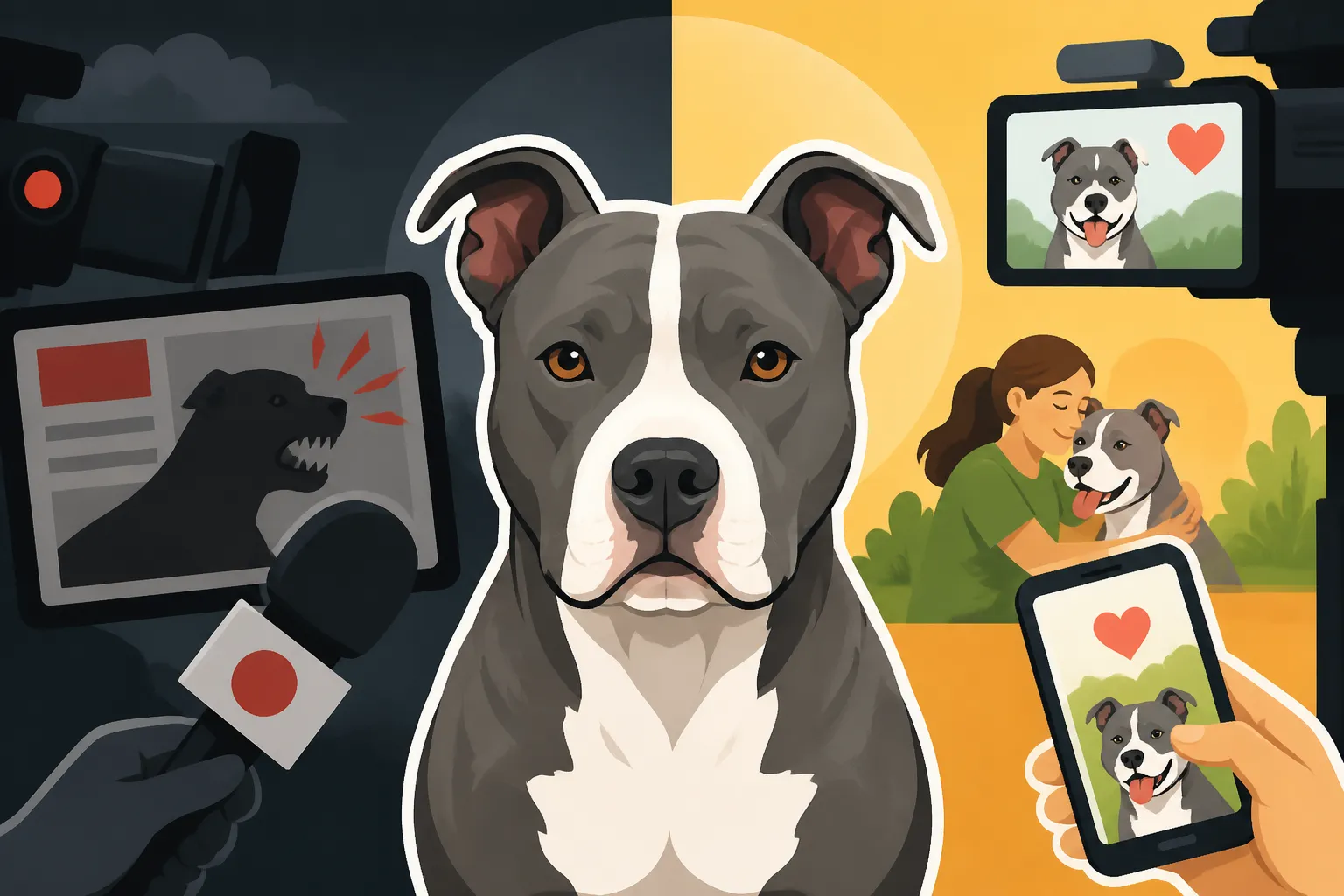
The specific words and images chosen by media outlets wield immense power in shaping public opinion. Consider the difference between a headline like "Family dog involved in incident" versus "Vicious Pit Bull attacks." The latter immediately evokes fear and prejudice, regardless of the actual details. Similarly, images accompanying articles can be highly selective. A photo of a snarling dog (often taken out of context or during play) or a dramatic shot of an intimidating-looking Pit Bull can reinforce negative stereotypes far more effectively than any written word.
The language often dehumanizes these dogs, stripping them of their individuality and reducing them to a dangerous "other." Terms like "beast," "monster," or "weapon" are not uncommon. This linguistic framing not only vilifies the dogs but also subtly influences how the public perceives their owners, often viewing them with suspicion or as irresponsible. It's a powerful psychological tool that creates a narrative of fear, making it incredibly difficult for people to see beyond the sensationalized image to the loving, goofy dogs many Pit Bulls truly are.
Counter-Narratives: How Owners and Advocates Are Changing the Story
Despite the uphill battle against pervasive negative media, countless Pit Bull owners, rescue organizations, and advocates are tirelessly working to create and share positive, accurate narratives. Their efforts are slowly but surely beginning to shift public opinion.
Showcasing Responsible Ownership and Training
One of the most impactful ways to counter negative perceptions is by demonstrating exemplary responsible ownership. This means investing in training, ensuring proper socialization, and making your Pit Bull a Canine Good Citizen (CGC). Canine Good Citizen and Why It Matters for a Pit Bull A well-mannered Pit Bull, confidently walking on a loose leash through a busy park, greeting strangers calmly, and performing basic commands, is a powerful ambassador. These dogs defy the "out-of-control beast" stereotype simply by existing and behaving beautifully in public.
Many owners actively participate in community events, therapy dog programs, or even just regular, polite public outings to expose people to positive Pit Bull interactions. They equip their dogs with appropriate training gear, like sturdy harnesses or muzzles (if needed for safety or public comfort, and after proper training, of course—Muzzle Training Every Pit Bull Should Have), and ensure their dogs are mentally stimulated with puzzle toys and engaging activities, which are readily available from retailers like Chewy. These visible acts of responsible ownership directly challenge the media's portrayal by showing the commitment and care that goes into raising a well-adjusted Pit Bull.
Advocacy Through Education and Positive Representation
Beyond individual efforts, organized advocacy groups play a vital role in debunking myths and promoting accurate information. These organizations often engage with media outlets to correct misrepresentations, provide expert commentary, and highlight positive stories. They actively share educational materials explaining that "Pit Bull" is a type, not a single breed, and that temperament varies greatly among individuals, just like any other dog. Pit Bull Temperament and What Testing Shows They use social media to flood feeds with images and videos of happy, well-adjusted Pit Bulls living fulfilling lives as family pets, therapy dogs, and working animals.
This deliberate effort to create a counter-narrative involves showcasing Pit Bulls in positive roles, celebrating their intelligence, athleticism, and affectionate nature. You'll see stories about Pit Bulls assisting veterans, working in search and rescue, or simply cuddling with their families on the couch—stories that remind us of Pit Bulls in Culture and Public Perception, a side the media often forgets. By providing real-world examples and accurate information, advocates aim to slowly dismantle the decades of negative conditioning the public has received. This is a long game, but every positive interaction and every piece of truthful information chips away at the prejudice.
The Long Road to Shifting Public Opinion
Despite these dedicated efforts, changing deeply ingrained public opinion is a monumental task. The constant barrage of negative headlines creates a strong bias, making it hard for people to overcome their preconceived notions. You see this manifest in practical ways, like the struggles Pit Bull owners face when trying to find rental housing or secure homeowners insurance. Finding a Rental That Takes a Pit Bull and Getting Home Insurance With a Pit Bull are real-world challenges born directly from this public perception. Landlords and insurance companies, influenced by media narratives and perceived liability risks, often implement blanket bans, regardless of an individual dog's temperament or training.
However, there is hope. Over time, as more people personally interact with well-behaved Pit Bulls and as advocacy efforts gain traction, public opinion does shift. States and cities have begun to re-evaluate or even repeal breed-specific legislation, driven by a better understanding of dog behavior and a recognition that targeting specific breeds is ineffective and unfair. Organizations continue to champion education and promote responsible pet ownership for all breeds, advocating for fair treatment and an end to breed discrimination. While the path is long, the dedicated work of owners and advocates is undeniably moving the needle towards a more equitable and informed view of Pit Bulls. It’s about celebrating the individual dog, not judging a book by its media-created cover.
| Media Portrayal (Common Trope) | Reality (Counter-Narrative) | Impact on Perception |
|---|---|---|
| "Vicious Pit Bull Attack" | Focus on individual dog, circumstances (neglect, abuse), and owner responsibility. | Fuels fear, promotes breed-specific bans. |
| Misidentification | Dogs visually identified as Pit Bulls often have mixed ancestry; true breed rarely confirmed. | Skews bite statistics, unfairly targets a "type." |
| "Born Aggressive" | Temperament is largely shaped by genetics, socialization, and training. Most are affectionate. | Reinforces idea of inherent danger, limits adoption. |
| "Unpredictable" | Like all dogs, Pit Bulls give warning signs; aggression is often a symptom of underlying issues. | Creates mistrust, discourages interaction. |
| Focus on "Breed" | Ignores human factors: irresponsible breeding, poor training, lack of enrichment (e.g., from Chewy). | Prevents addressing root causes of dog-related incidents. |
Disclaimer
This article is for general informational purposes only and does not constitute professional advice. Laws, prices and regulations vary by location and change over time. Consult a qualified professional for guidance on your specific situation.