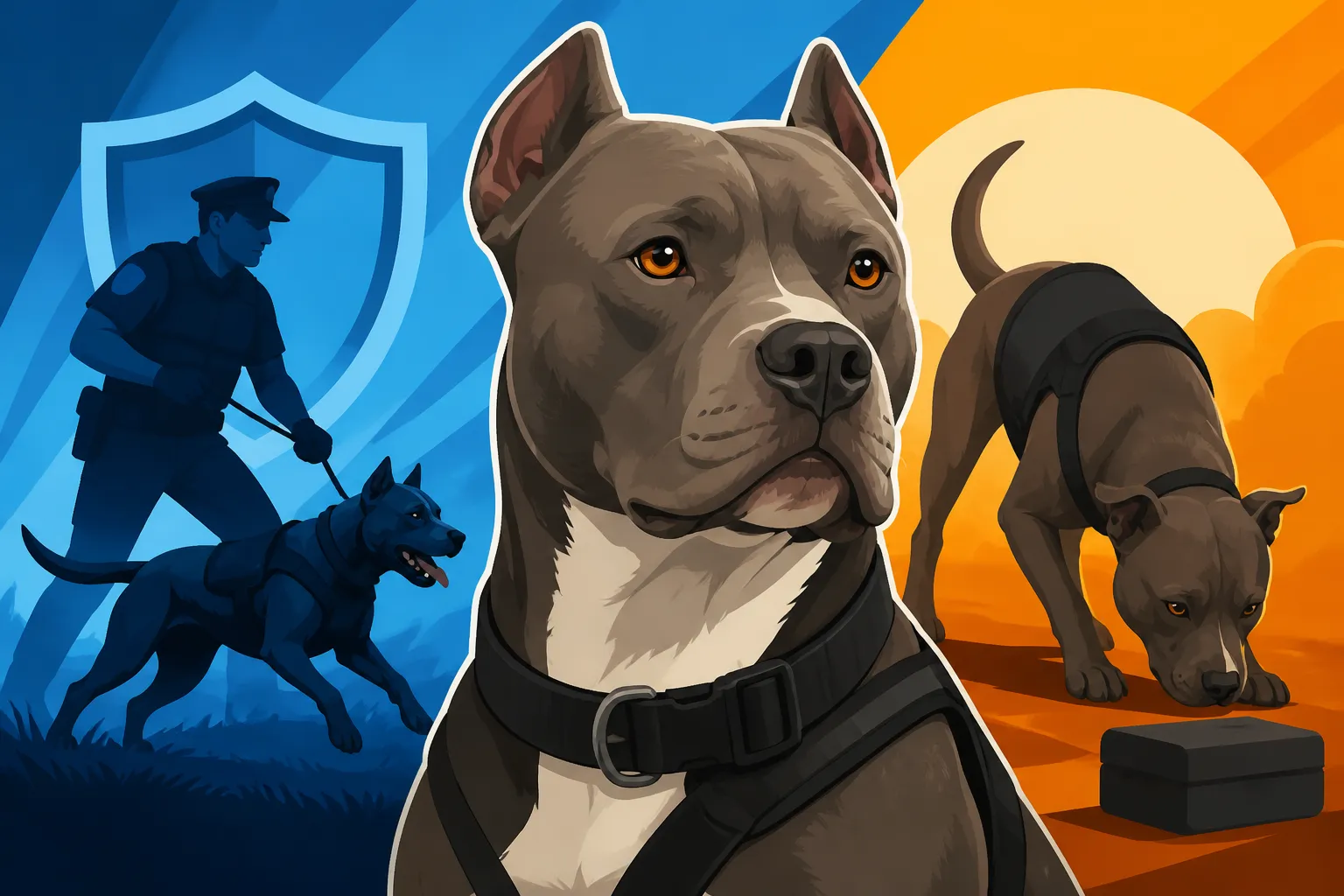
Pit Bull Type Dogs in Police and Detection Work
Many people have a very specific image in their mind when they think of police dogs – often a German Shepherd or a Belgian Malinois. It might come as a surprise, then, to learn that Pit Bull type dogs are increasingly proving their mettle in critical police and detection work across the country, showcasing their incredible drive, intelligence, and unwavering dedication. This guide will delve into the traits that make these misunderstood dogs exceptional candidates for demanding K9 roles, the training they undergo, and the impact they have in service.
Why Pit Bull Type Dogs Excel in K9 Roles
It's easy to overlook Pit Bull type dogs for police work if you only listen to the stereotypes. But for those who truly understand these dogs, their inherent characteristics make them incredibly well-suited for demanding, high-stakes jobs. We're talking about dogs with a formidable combination of physical and mental strengths.
Unmatched Drive and Work Ethic
One of the most defining characteristics of Pit Bull type dogs, whether it's an American Pit Bull Terrier or an American Staffordshire Terrier, is their intense drive. This isn't just about energy; it's about a relentless desire to perform a task, to engage, and to please their handler. For K9 work, this translates into a dog that will enthusiastically search for scents for extended periods, tackle complex obstacle courses, and remain focused despite distractions. This drive isn't something you can easily train into a dog; it's a fundamental part of their genetic makeup. They possess an almost unshakeable determination once they are locked onto a task, which is invaluable in environments where precision and persistence are paramount. This internal motor is why you see them excel in various dog sports, and it's precisely what K9 handlers look for.
Athleticism and Stamina
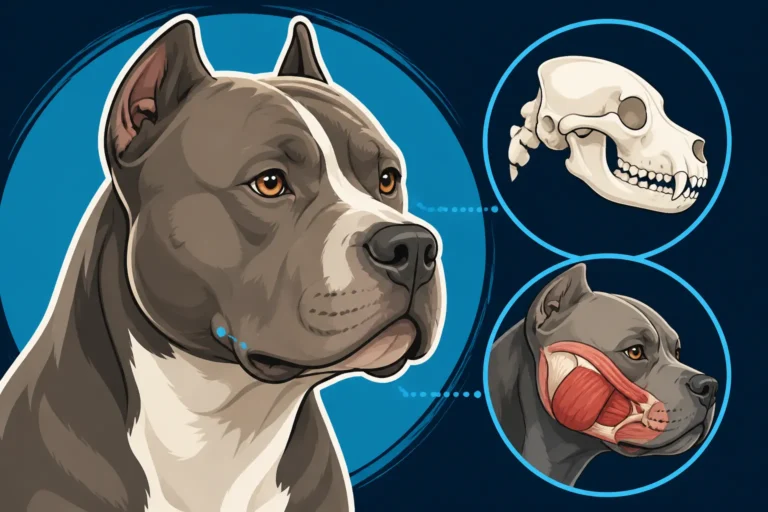
Let's be honest: Pit Bull type dogs are built like canine athletes. They are compact, powerful, and incredibly agile. Their muscular build, strong jaws, and impressive endurance are not just for show; they are functional traits that serve them exceptionally well in the field. Imagine a detection dog needing to navigate through rubble, scale fences, or work tirelessly through varied terrain – these dogs possess the physical prowess to do just that. Their stamina allows them to sustain high levels of activity, sniffing out narcotics or explosives for hours if necessary, without flagging. This physical resilience is critical, as K9 duties are often unpredictable and physically demanding. They have the Pit Bull Weight and Muscle on a Working Frame to handle whatever comes their way, whether it's a long search in the wilderness or a rapid deployment in an urban setting.
Intelligence and Trainability
Despite some narratives, Pit Bull type dogs are highly intelligent and, perhaps more importantly for a handler, incredibly trainable. They thrive on structure, consistency, and positive reinforcement. They pick up new commands and complex tasks with surprising speed, especially when motivated by high-value rewards. Their eagerness to please, combined with their sharp minds, makes them excellent students in a K9 training program. They aren't just brute force; they are problem-solvers who can adapt to new scenarios and learn intricate scent discriminations. This intelligence allows them to understand nuanced cues from their handlers, making them highly effective partners in the field. For more on how they excel in learning, you might want to read Training a Pit Bull to a Higher Standard Than Other Dogs.
Specific Roles Where They Shine
When you hear "police dog," you often think of patrol, but Pit Bull type dogs are proving their worth in a variety of specialized roles beyond general law enforcement, particularly in areas that require intense focus and a keen sense of smell.
Narcotics Detection
This is perhaps one of the most prominent areas where Pit Bull type dogs are making a significant impact. Their incredible scent drive and relentless nature make them natural-born sniffers. They are taught to identify the odors of various illicit drugs and alert their handler when they find them. These dogs can search vehicles, buildings, luggage, and even open areas with incredible efficiency. Their strong drive means they don't give up easily, meticulously working through an area until they locate the target scent. The reward for finding the scent, often a specific toy or a high-value treat, fuels their passion, making the search a highly engaging game for them. They're often so engrossed in the "game" of finding their toy that they're oblivious to distractions around them, which is perfect for a busy environment.
Explosives Detection
Similar to narcotics detection, explosives detection relies heavily on a dog's olfactory prowess and sustained focus. Pit Bull type dogs in this role are trained to detect a wide array of explosive compounds, from common military-grade explosives to homemade devices. Their accuracy and consistency are paramount in situations that could have catastrophic consequences. These dogs perform critical safety checks at public events, airports, and even in response to bomb threats. Their stable temperament, when properly selected and trained, allows them to work calmly and methodically in stressful or noisy environments, which is a testament to their inherent fortitude.
Search and Rescue Operations
The physical agility and endurance of Pit Bull type dogs make them excellent candidates for search and rescue. Whether it's searching for lost individuals in wilderness areas or locating survivors in collapsed buildings after a disaster, their ability to navigate difficult terrain and maintain a search for hours is invaluable. Their smaller, more compact frame compared to some larger working breeds can sometimes be an advantage, allowing them to access tighter spaces in rubble piles or dense underbrush where a larger dog might struggle. Their keen sense of smell, combined with their drive to locate, makes them highly effective in these life-saving missions.
The Rigorous Training and Selection Process
Becoming a K9 dog, regardless of breed type, is not for every dog. The selection process is incredibly rigorous, and the training demands an exceptional level of dedication from both the dog and its handler.
Identifying Potential Candidates
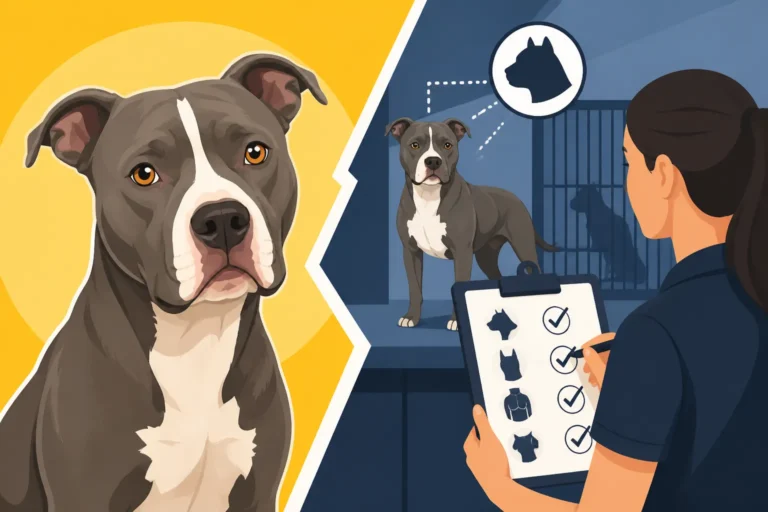
It all starts with spotting the right raw talent. Breeders or rescue organizations who understand working dog traits often identify puppies or young adults with the specific drives needed for K9 work. Handlers look for dogs with high play drive, strong prey drive (the instinct to chase and grab), intense curiosity, confidence, and a generally stable temperament. They need to be bold, unfazed by new environments, loud noises, and different surfaces. A dog that is easily startled, lacks focus, or shows signs of aggression not channeled into appropriate protection work would not be a suitable candidate. Many Pit Bull type dogs naturally possess these intrinsic qualities, making them excellent prospects. The American Temperament Test Society (ATTS) provides some insights into the general temperament of these dogs, as discussed in Pit Bull Temperament and the ATTS Results.
Specialized K9 Training Academies
Once a dog is selected, it embarks on an intense training regimen at specialized K9 academies. This isn't your average obedience class. These programs can last several months and involve daily, intensive work. For detection dogs, it involves pairing specific target odors with a high-value reward, teaching the dog to alert in a consistent manner. For patrol or protection work, it involves bite work, apprehension techniques, and handler protection. The training is built on positive reinforcement, making the work a highly rewarding experience for the dog. They learn to ignore distractions, follow complex scent trails, and obey handler commands even under extreme pressure. Regular training with items from stores like Chewy, such as durable reward toys and specific treats, keeps the dogs engaged and motivated during these long hours.
Handler-Dog Team Bonding
A K9 team is only as strong as the bond between the dog and its handler. During training, and throughout their career, the handler and dog form an inseparable partnership. The handler learns to read every subtle cue from their dog, understanding when it's on scent, when it's tired, or when it needs a break. This deep connection, built on trust and mutual respect, is fundamental to their success. It's not just about commands; it's about a non-verbal communication that allows them to operate as a seamless unit in dynamic and often dangerous situations. This bond is something Pit Bull type dogs naturally form with their people, often displaying an intense loyalty that serves them well in these roles. Building this kind of rapport is key to achieving effective Pit Bull Leash Manners and Physical Strength in the field.
Addressing the Stigma: Pit Bulls as Public Servants
The journey for Pit Bull type dogs into police and detection work is not without its challenges, primarily due to prevailing misconceptions and unfair stereotypes. Their success in these roles actively works to dismantle these barriers.
Overcoming Public Perception
The biggest hurdle for Pit Bull type dogs in any public-facing role is the often-negative public perception. Due to media sensationalism and breed-specific legislation, many people view these dogs with fear or prejudice. However, seeing a Pit Bull type dog in a police uniform, confidently working alongside its human partner, can be a powerful image that helps shift attitudes. These working dogs become ambassadors for their type, demonstrating their intelligence, stability, and utility. They are often calm, approachable, and highly focused on their job, proving that responsible ownership and proper training define the dog, not its appearance or ancestry. It highlights the importance of fair assessments, not just blanket judgments. For more on this, you can read Pit Bulls in Culture and Public Perception.
Selection Beyond Breed Labels
The increasing use of Pit Bull type dogs in K9 units reflects a growing trend towards selection based on individual dog traits rather than strict breed labels. Progressive K9 programs understand that a dog's drive, temperament, health, and trainability are far more important than its lineage. Many of these dogs are actually rescued from shelters, given a second chance to serve their communities, proving that a dog's past doesn't define its potential. This trait-based approach acknowledges that exceptional working dogs can come from any background, and it allows deserving dogs, regardless of their perceived "breed," to fulfill their potential in important public service roles.
The Impact of Their Service
The contributions of Pit Bull type dogs in police and detection work are tangible and significant. They find missing persons, locate crucial evidence, uncover hidden contraband, and contribute to public safety on a daily basis. Their success stories are not just heartwarming anecdotes; they are evidence of effective K9 policing and the incredible capabilities of these dogs. By excelling in these demanding jobs, they challenge stereotypes, educate the public, and open doors for other misunderstood dogs to be judged on their individual merits. Their presence in these roles isn't just about catching criminals or finding bombs; it's about demonstrating the true character of a dog type often unfairly demonized.
| Role Type | Key Traits Utilized | Pit Bull Type Strengths | Public Impact |
|---|---|---|---|
| Narcotics Detection | High scent drive, endurance, focus | Relentless search, strong motivation | Intercepts illegal drugs, enhances safety |
| Explosives Detection | Precision, calm demeanor, focus | Stable temperament, meticulous searching | Prevents attacks, secures public spaces |
| Search & Rescue | Agility, stamina, scenting | Physical prowess, sustained effort | Locates missing persons, saves lives |
| Patrol/Apprehension | Courage, loyalty, physical power | Strong drive, protective instincts (with training) | Deterrent, apprehends suspects (less common, highly specialized) |
While patrol and apprehension roles are typically dominated by breeds like German Shepherds and Malinois, due to specific bite work and protection training histories, Pit Bull type dogs are starting to make inroads, always under the guidance of highly specialized handlers and with immense public education. The key is their adaptability and willingness to work, which shines through in every task they're given.
The next time you see a K9 unit, remember that the dog's breed type is far less important than its individual talent and the dedicated training it undergoes. Pit Bull type dogs, with their incredible drive, intelligence, and athleticism, are increasingly proving that they are not just capable, but exceptional, public servants. Their service is a testament to their true nature and a powerful counter-narrative to the negative stereotypes they so often face.
Disclaimer
This article is for general informational purposes only and does not constitute professional advice. Laws, prices and regulations vary by location and change over time. Consult a qualified professional for guidance on your specific situation.