Which Ear Solutions Suit an Allergic Pit Bull
If you're a Pit Bull owner, you know the heartbreak of watching your beloved companion suffer from constant ear infections. That endless head shaking, the frantic scratching, the redness, and that tell-tale yeasty smell can make you feel utterly helpless. It's a frustrating, recurring battle, often tied to underlying allergies that seem to defy every solution you try. This guide is here to help you navigate the confusing world of ear care for your allergic Pit Bull, exploring the various solutions available and how to approach this chronic challenge effectively.
Understanding the Allergic Pit Bull's Ear Predicament
Dealing with an allergic Pit Bull's ears isn't just about treating the symptoms; it's about understanding the root cause. Their unique physiology and common breed predispositions make them particularly susceptible to these irritating, often painful, conditions. It's a cycle that many owners know all too well, and it can feel like you're constantly playing catch-up.
Why Pit Bulls Are Prone to Allergies and Ear Infections
Pit Bulls, much like their bulldog and terrier relatives, are unfortunately quite predisposed to environmental allergies (atopy) and sometimes food allergies. This genetic tendency means their immune systems are more likely to overreact to common substances like pollen, dust mites, and certain food ingredients. When their immune system goes into overdrive, it manifests in various ways, often targeting the skin and, crucially, the ears. The structure of a Pit Bull's ear canal can also contribute to the problem. Many have narrower ear canals and sometimes more hair deeper inside, creating a warm, moist, and poorly ventilated environment that is just begging for trouble once inflammation sets in.
Imagine living with a constant, low-level itch that never truly goes away. That's often what your allergic Pit Bull experiences. Their bodies release inflammatory chemicals in response to allergens, leading to redness, swelling, and itching in sensitive areas like the ear canals. This initial inflammation is often the first domino to fall.
The Vicious Cycle of Itching, Inflammation, and Infection
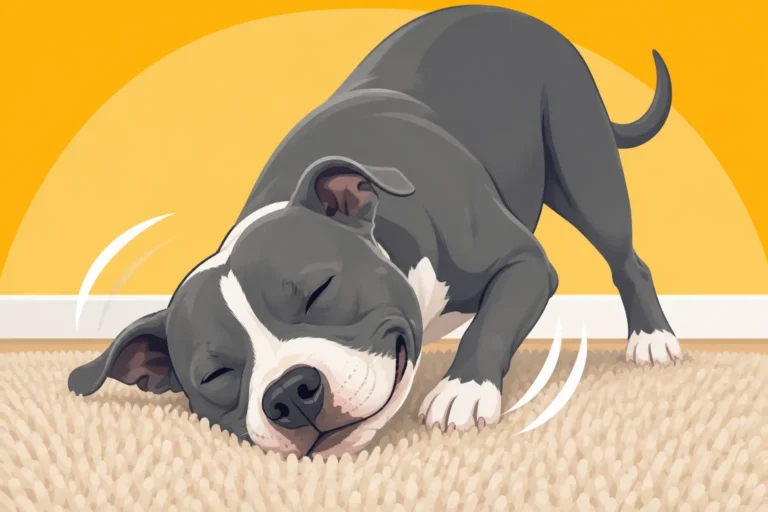
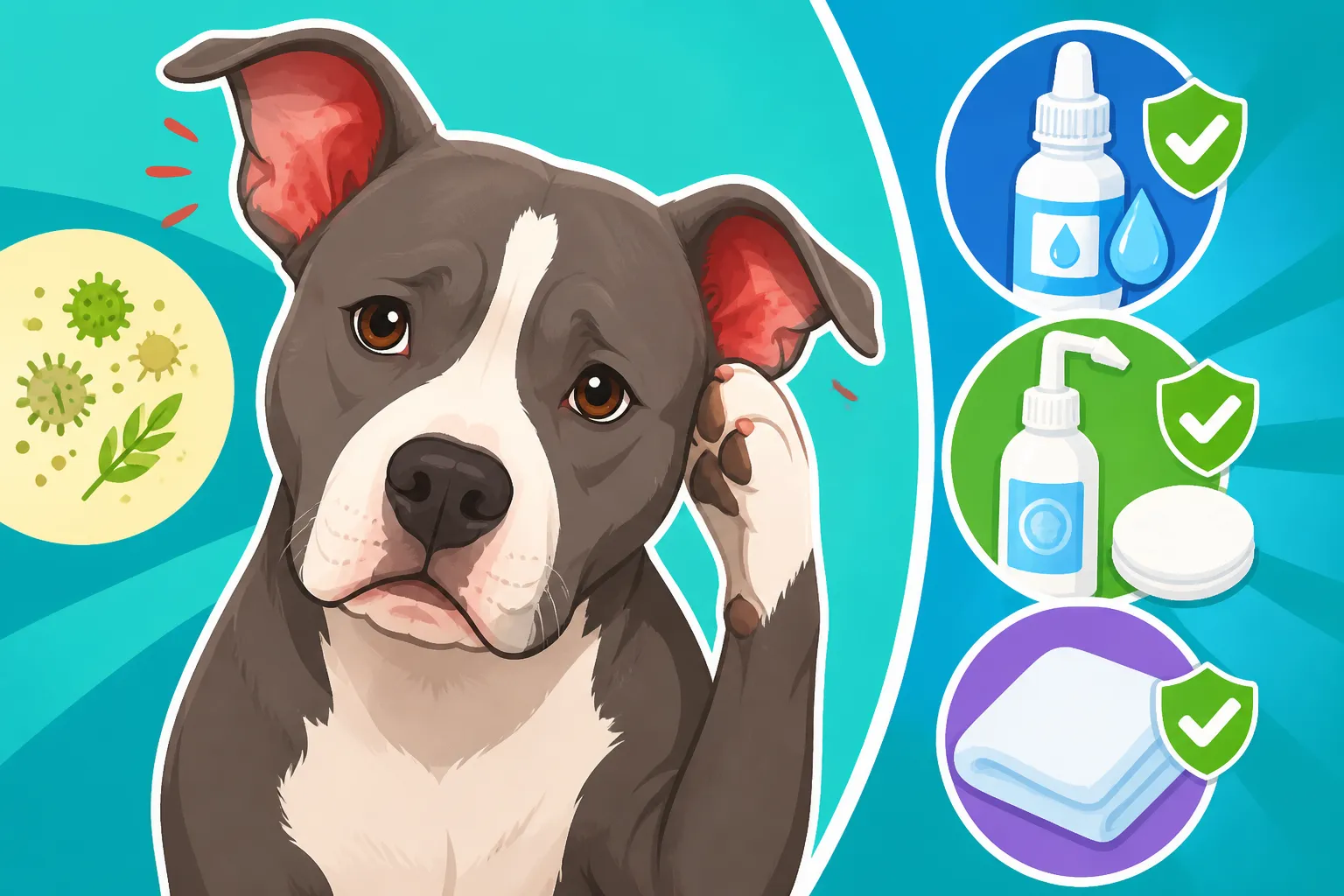
Once the ear canal becomes inflamed due to allergies, it sets off a chain reaction. The protective barrier of the skin inside the ear weakens, making it easier for normal inhabitants of the ear – yeast and bacteria – to overgrow and cause a secondary infection. The itching intensifies, leading your Pit Bull to scratch, rub, and shake their head even more vigorously. This physical trauma further irritates the ear, potentially leading to trauma within the ear canal or even a painful aural hematoma if they shake hard enough to burst blood vessels in the ear flap.
The infection, whether bacterial, yeast, or both, causes more inflammation, swelling, discharge, and pain. You might notice a strong, often unpleasant odor, ranging from sweet and yeasty to pungent and putrid. This cycle makes it incredibly difficult to get a handle on the problem, as treating the infection alone won't prevent future flare-ups if the underlying allergy isn't addressed. It requires a comprehensive approach to truly bring relief and maintain long-term ear health for your Pit Bull.
Common Ear Solutions for Allergic Pit Bulls
When your Pit Bull is shaking their head and scratching their ears raw, you just want to make it stop. Thankfully, there are several avenues vets explore to bring relief and tackle those persistent ear infections. Often, a combination of these treatments works best to address both the infection and the underlying allergy.
Topical Treatments and Their Role
Topical ear medications are often the first line of defense once an infection is diagnosed. These are prescription drops that your veterinarian will provide after examining your Pit Bull's ears and ideally, performing cytology (looking at a swab of the ear under a microscope) to identify the type of infection (yeast, bacteria, or both).
- Antibiotic Ear Drops: If bacteria are present, your vet will prescribe drops containing antibiotics like gentamicin, neomycin, or enrofloxacin. These target and kill the specific bacterial culprits. It's crucial to use the entire course of medication, even if the ear looks better, to prevent antibiotic resistance and ensure the infection is fully cleared.
- Antifungal Ear Drops: Yeast, particularly Malassezia pachydermatis, thrives in the warm, moist environment of an allergic ear. Antifungal drops containing ingredients like miconazole or clotrimazole are used to combat these yeast overgrowths.
- Anti-inflammatory Ear Drops: Many ear infections are incredibly painful. Drops containing corticosteroids, such as dexamethasone or mometasone furoate, reduce inflammation, swelling, and itchiness, providing much-needed comfort and helping the other medications work more effectively. Some combination drops contain all three types of medication in one convenient formula.
The challenge with topical treatments lies in effective application and compliance. Getting those drops deep into a painful, swollen ear, sometimes twice a day for weeks, can be a struggle for both you and your Pit Bull. However, consistency is key for success.
Oral Medications to Break the Cycle
Sometimes, topical treatments aren't enough, or the infection is so severe that it warrants a systemic approach. Oral medications can work from the inside out to tackle infections and manage the underlying allergic response.
- Oral Antibiotics/Antifungals: For deep-seated bacterial infections or severe yeast overgrowths that topical treatments can't reach, your vet might prescribe oral antibiotics (like cephalexin or clindamycin) or oral antifungals (like ketoconazole or fluconazole). These are powerful tools but require careful monitoring for potential side effects and interactions.
- Oral Steroids: Short courses of oral corticosteroids, such as prednisone, can be incredibly effective at quickly reducing severe inflammation and intense itching associated with an allergic flare-up. They offer fast relief and can break the scratch-itch cycle. However, long-term use of systemic steroids carries significant side effects, including increased thirst, urination, appetite, and potential impacts on organ function. They're typically reserved for acute situations or as a bridge to other allergy management.
- Immune-Modulating Drugs: For chronic, recurring allergies that lead to ear infections, newer medications specifically target the immune system's allergic response.
- Apoquel (oclacitinib): This medication works by inhibiting specific pathways involved in itching and inflammation. It's effective for many dogs with environmental allergies, providing relief without the broader side effects of steroids.
- Cytopoint (lokivetmab): This is an injectable antibody therapy that targets and neutralizes a key protein (IL-31) responsible for sending the itch signal to the brain. It's given as an injection by your vet every 4-8 weeks and provides excellent relief for many allergic dogs, often with very few side effects. Both Apoquel and Cytopoint can significantly reduce the ear inflammation that predisposes your Pit Bull to infections. These medications, while incredibly helpful, can be a significant ongoing expense, which is why many owners consider pet insurance options like Healthy Paws to help manage the costs of chronic conditions.
Dietary Management and Its Impact
Believe it or not, what your Pit Bull eats can play a huge role in their ear health. Food allergies are a common trigger for skin and ear issues. If your vet suspects a food allergy, they will likely recommend a strict elimination diet.
- Novel Protein Diets: These diets feature a protein source your Pit Bull has never eaten before (e.g., duck, venison, kangaroo, alligator) and a single, often uncommon carbohydrate (e.g., sweet potato, pea). The idea is to remove all potential allergens from their diet.
- Hydrolyzed Protein Diets: In these prescription diets, the proteins are broken down into such small components that the immune system doesn't recognize them as allergens. Brands like Purina Pro Plan Veterinary Diets HA or Hill's Prescription Diet z/d are common examples.
An elimination diet typically involves feeding nothing but the prescribed food for 8-12 weeks – no treats, no table scraps, no flavored medications unless approved by your vet. It's a challenging commitment, but if your Pit Bull's ear issues resolve during the trial, it strongly suggests a food allergy. After the trial, your vet will guide you on how to reintroduce ingredients one by one to identify the specific culprits. This can be a game-changer for a dog constantly battling Food Allergies Behind Pit Bull Itching.
Long-Term Management Strategies for Ear Health
Getting a current ear infection under control is only half the battle. For an allergic Pit Bull, long-term management is crucial to prevent frustrating relapses. This often involves a multi-pronged approach that combines diligent home care with veterinary guidance.
The Importance of Regular Cleaning and Maintenance
Even when your Pit Bull's ears appear healthy, regular cleaning can be a powerful preventative measure, especially if they are prone to allergies. Consistent ear cleaning removes debris, excess wax, and residual allergens that might settle in the canal, reducing the likelihood of inflammation and infection.
- Choosing the Right Cleaner: Your veterinarian is the best resource for recommending an appropriate ear cleaning solution. Many over-the-counter options exist, but some are better suited for allergic ears. Look for gentle, non-irritating solutions that may contain drying agents (like salicylic acid or boric acid) or antiseptic properties (like chlorhexidine or acetic acid) to help maintain a healthy microbial balance. Avoid harsh astringents or alcohol-based cleaners, which can irritate already sensitive skin.
- Proper Cleaning Technique: It's not about swabbing; it's about flushing! Gently fill the ear canal with the cleaning solution, massage the base of the ear for 20-30 seconds to help break up wax and debris, then allow your Pit Bull to shake their head. After shaking, use a soft cotton ball or gauze to wipe away any visible solution and debris from the outer ear and the top of the canal. Never use cotton swabs deep inside the ear, as this can push debris further down or even damage the eardrum. For a detailed walkthrough, you can refer to our guide on Cleaning a Pit Bull Ear Properly. This routine, even if done just once a week or every few days during peak allergy season, can make a huge difference.
Identifying and Avoiding Allergens
The best way to manage allergies is to identify the specific triggers and then minimize your Pit Bull's exposure. This proactive approach can significantly reduce the frequency and severity of ear flare-ups.
- Environmental Allergen Testing: If food allergies have been ruled out or if your Pit Bull's issues are clearly seasonal, your vet may suggest allergy testing. This typically involves either a blood test (serum IgE testing) or an intradermal skin test performed by a veterinary dermatologist. These tests help pinpoint specific environmental allergens like certain pollens (trees, grasses, weeds), dust mites, molds, and insect dander. You can learn more about this process in our article Pit Bull Skin Allergy Testing.
- Minimizing Exposure: Once you know your Pit Bull's triggers, you can take steps to reduce their contact.
- Pollen: During high pollen seasons, wipe down your Pit Bull's paws and coat with a damp cloth after outdoor excursions to remove pollen. Consider an air purifier indoors.
- Dust Mites: Wash bedding frequently in hot water, use dust mite covers on dog beds, and vacuum regularly with a HEPA filter vacuum.
- Mold: Address any dampness or mold growth in your home.
- Immunotherapy: For identified environmental allergies, immunotherapy (allergy shots or oral drops) is often the most effective long-term solution. Your vet will create a customized serum based on your Pit Bull's specific allergens. This treatment works by gradually desensitizing your dog's immune system to the allergens over time, reducing their allergic response and, consequently, the ear inflammation. Immunotherapy is a long-term commitment, often requiring treatment for months or even years, but it can provide significant, lasting relief without the side effects of systemic medications.
When to Consider Advanced Diagnostics and Specialist Care
Sometimes, despite your best efforts with cleaning, medication, and dietary changes, those stubborn ear infections persist. This is when your primary veterinarian might recommend digging deeper or seeking specialized help.
- Otoscopy: While a standard otoscope allows your vet to look down the ear canal, a video otoscope provides a much clearer, magnified view on a screen. This can help identify polyps, foreign bodies, tumors, or severe scarring deep within the ear that might be contributing to chronic issues.
- Culture and Sensitivity: If an infection isn't responding to standard antibiotics, a culture and sensitivity test is crucial. This involves sending a swab of the ear discharge to a lab to identify the exact species of bacteria or yeast present and, more importantly, which medications will be most effective against them. This prevents blind prescribing and ensures the right drug is used.
- Biopsies: In cases of unusual growths or chronic changes within the ear canal, a biopsy might be necessary to determine the underlying pathology.
- Referral to a Veterinary Dermatologist: For chronic, recurrent, or unusually severe allergic ear issues, a board-certified veterinary dermatologist is your best ally. These specialists have advanced training and equipment to diagnose and manage complex skin and ear conditions. They can perform more advanced allergy testing, guide intricate dietary trials, and develop comprehensive, individualized long-term management plans, including immunotherapy. Don't be afraid to ask your vet for a referral if you feel like you've exhausted all other options. Managing chronic ear issues can be costly, and this is another area where a robust pet insurance plan like those offered by Healthy Paws can be a lifesaver, covering a significant portion of specialist visits and advanced diagnostics.
Here's a quick overview of common ear solutions:
| Treatment Type | Primary Action | Typical Use Cases | Pros | Cons |
|---|---|---|---|---|
| Topical Drops | Antibiotic, antifungal, anti-inflammatory | Acute infections, mild inflammation | Direct action on infection, localized relief | Requires consistent application, can be difficult with painful ears |
| Oral Antibiotics | Systemic bacterial killing | Severe or deep-seated bacterial infections | Treats infection beyond topical reach | Potential side effects, resistance if overused |
| Oral Antifungals | Systemic yeast killing | Severe or deep-seated yeast infections | Treats infection beyond topical reach | Potential side effects, liver monitoring may be needed |
| Oral Steroids | Reduces inflammation, itching | Acute allergic flare-ups, severe pain/swelling | Rapid relief, breaks itch cycle | Significant side effects with long-term use |
| Apoquel (Oral) | Targets itch & inflammation pathway | Chronic environmental allergies, secondary ear issues | Effective for allergic itch, fewer side effects than steroids | Requires daily dosing, can be costly |
| Cytopoint (Injectable) | Neutralizes itch-triggering protein | Chronic environmental allergies, secondary ear issues | Long-lasting relief (4-8 weeks), minimal side effects, convenient | Vet administration required, can be costly |
| Prescription Diet | Eliminates common food allergens | Suspected food allergies causing ear inflammation | Addresses root cause if food allergy confirmed | Strict adherence required, long trial period |
| Immunotherapy | Desensitizes immune system to specific allergens | Confirmed environmental allergies | Addresses root cause, long-term solution with minimal side effects | Long-term commitment, slow to show results, initial cost |
| Regular Cleaning | Removes debris, maintains healthy ear environment | Prevention, maintenance for allergic ears | Prevents flare-ups, reduces need for medication | Requires consistent effort, choosing right cleaner is key |
Disclaimer
The information provided in this article is for general educational purposes only and is not a substitute for professional veterinary advice. Always consult with a qualified veterinarian for any health concerns or before making any decisions related to your Pit Bull's care.