Hip Replacement in a Muscular Pit Bull
Finding out your beloved, muscular Pit Bull is suffering from debilitating hip pain can be utterly heartbreaking, especially when those powerful legs that once zoomed around the yard now struggle with basic movements. It’s a gut-wrenching moment when you realize conservative treatments just aren't cutting it, and your vet starts talking about something as significant as total hip replacement. This guide is here to walk you through everything you need to know about navigating hip replacement surgery for your strong, resilient Pit Bull, from understanding the condition to the recovery journey and the financial realities.
Understanding Hip Dysplasia in Pit Bulls and the Need for Surgery
Hip dysplasia is a term that sends shivers down many dog owners' spines, and it's particularly prevalent in larger, more athletic breeds like Pit Bulls. Seeing your once vibrant companion struggle with pain is incredibly tough, and understanding the root cause and why surgery might be necessary is the first step toward getting them back on their paws.
The Unique Challenges of Pit Bull Hips
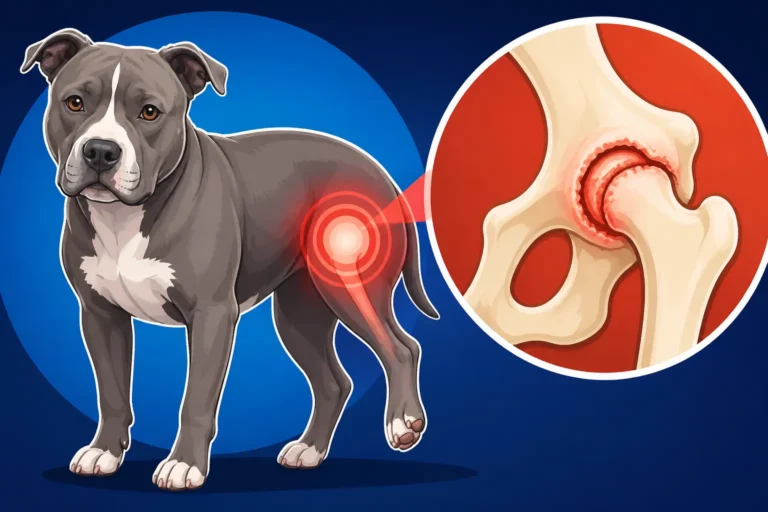
Pit Bulls, with their impressive musculature and active lifestyles, often mask early signs of hip discomfort. Their sheer strength can compensate for loose or malformed hip joints for a surprisingly long time, making it harder to spot the problem until it's quite advanced. This breed type's genetic predisposition to hip dysplasia means that the ball and socket of the hip joint don't fit together properly. Instead of a smooth, gliding motion, you get grinding and abnormal wear, leading to pain, inflammation, and eventually debilitating arthritis. You might notice subtle changes at first: a slight limp after exercise, difficulty rising, or a reluctance to jump. For many, the first obvious signs of discomfort from hip dysplasia can begin to show themselves when their Pit Bull is still quite young, sometimes as early as one to two years old.
It's a frustrating situation because you want your dog to be strong and active, but sometimes that very strength can ironically work against them in terms of symptom detection. We often see Pit Bulls power through discomfort that would sideline other breeds, which means by the time they're showing clear signs of pain, the joint degeneration can be quite severe. This is why understanding Pit Bull Hip Dysplasia Showing at One to Two Years is so crucial, so owners can be proactive in identifying potential issues. Early diagnosis, often through X-rays and physical examination, is key to exploring all treatment options before surgery becomes the primary route.
When Hip Replacement Becomes the Best Option
Deciding on total hip replacement is a massive step, and it's usually considered when all other avenues have been exhausted. This isn't a first-resort treatment; it's typically reserved for dogs suffering from severe, chronic pain due to hip dysplasia that significantly impacts their quality of life. We're talking about dogs who are in constant discomfort, struggling with everyday activities like walking, climbing stairs, or even just lying down comfortably. They might be limping consistently, unwilling to play, or even showing signs of aggression due to pain.
Before considering surgery, your vet will likely have tried a range of conservative management strategies. These often include pain medications like NSAIDs, joint supplements such as glucosamine and chondroitin, controlled exercise, weight management, and physical therapy. Sometimes, injections of steroids or other joint-lubricating substances might be attempted. However, if your Pit Bull continues to experience significant pain despite these efforts, or if the radiographs show severe degenerative changes, a specialist veterinary orthopedic surgeon will typically recommend a total hip replacement. The goal isn't just to alleviate pain; it's to restore normal hip function and give your dog a pain-free, active life back. Understanding Pit Bull Hips and How They Are Scored can give you an insight into the severity of the condition your dog might be facing and why such an aggressive approach might be necessary.
The Total Hip Replacement Procedure Explained
Embarking on a total hip replacement journey is a big commitment, but knowing what to expect can help ease some of the anxiety. It's a complex surgical procedure that requires skilled hands and a dedicated team, followed by a meticulous recovery period.
Pre-Surgical Evaluation and Planning
Before your Pit Bull even steps into the operating room, a thorough pre-surgical evaluation is critical. This isn't just a quick check-up; it's a comprehensive assessment to ensure your dog is a good candidate for such a major surgery and to minimize risks. The orthopedic surgeon will conduct a detailed physical exam, paying close attention to your dog's gait, range of motion in the hips, and muscle condition. They'll review all previous medical records and X-rays. Often, new, specialized X-rays are taken to get precise measurements for the implants. This helps the surgeon choose the correct size and type of prosthetic components for your dog’s unique anatomy, which is especially important for a muscular breed like a Pit Bull.
Beyond the orthopedic assessment, a full blood panel, including a complete blood count and chemistry profile, will be run to check organ function and ensure there are no underlying health issues that could complicate anesthesia or recovery. A urinalysis might also be performed. Sometimes, an echocardiogram (ultrasound of the heart) is recommended, especially for older dogs or those with a suspected heart murmur, to assess cardiac health. These steps are crucial because anesthesia and major surgery carry risks, and the veterinary team wants to be as prepared as possible. Your surgeon will discuss the procedure in detail, explain potential risks, and outline the expected recovery timeline. This is your chance to ask every question you have, no matter how small, to feel confident in the path ahead.
The Surgical Process Itself
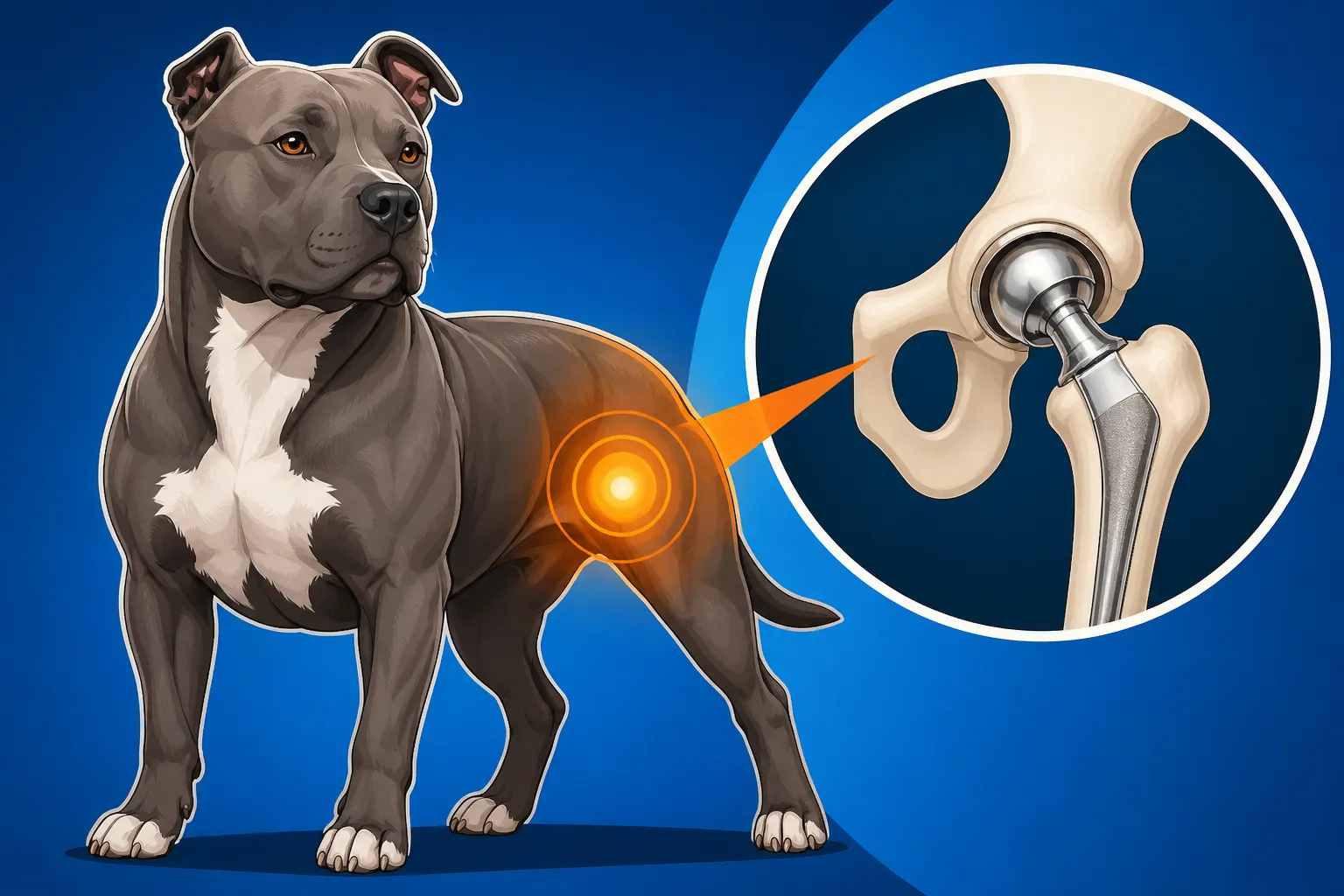
Total hip replacement surgery, often performed at specialized veterinary surgical centers, involves removing the damaged femoral head (the "ball" part of the thigh bone) and reshaping the acetabulum (the "socket" in the pelvis). These are then replaced with prosthetic implants. The new femoral head is typically made of a cobalt-chrome alloy or ceramic, and it's attached to a stem that is inserted into the femur. The new acetabular cup is usually made of polyethylene and is cemented or press-fitted into the pelvis. These implants are designed to mimic the natural hip joint, allowing for smooth, pain-free movement.
The surgery itself is quite long, usually taking several hours, and is performed under general anesthesia. It’s a sterile procedure, and the surgical team will take every precaution to prevent infection, which is one of the most significant potential complications. Modern veterinary medicine has made incredible strides in orthopedic surgery, and the success rates for total hip replacement are very high, often exceeding 90-95% when performed by experienced board-certified veterinary surgeons. While it might sound daunting, envisioning your Pit Bull running and playing again, free from pain, can provide immense comfort during this stressful time.
Recovery in the First Few Weeks
The immediate post-operative period is absolutely crucial for the success of the hip replacement. Your Pit Bull will stay at the veterinary hospital for a few days, typically 2-5 days, for intensive monitoring and pain management. They'll receive intravenous fluids, antibiotics, and powerful pain medications to keep them comfortable. The surgical team will carefully monitor their incision site for signs of infection or swelling and assess their mobility. When they come home, your job as their dedicated caregiver truly begins.
The first 6-8 weeks are all about strict rest and controlled activity. This means no running, jumping, stairs, or rough play. Your dog will need to be leash-walked for potty breaks only, and those walks should be short and slow. A sling might be used to support their hindquarters, especially when going up or down any single step or navigating slick floors. Crate rest is often essential to prevent them from doing too much too soon. You'll need to administer oral pain medications and possibly antibiotics at home, and carefully monitor the incision site for any redness, discharge, or swelling. Keeping the incision clean and dry is vital. It’s a demanding period, requiring constant vigilance, but every step you take to ensure proper healing contributes to a successful long-term outcome. This early phase is fundamental to preventing complications that could affect the long-term prognosis of Pit Bull Joint and Ligament Injuries overall.
The Road to Full Recovery and Long-Term Care
The surgery is only half the battle; the rehabilitation and long-term care are equally vital for ensuring your Pit Bull regains full function and enjoys a pain-free life. It's a marathon, not a sprint, but with dedication, the results can be truly transformative.
Comprehensive Rehabilitation and Physical Therapy
Once those initial weeks of strict rest are over, comprehensive physical therapy (PT) becomes paramount. This isn't optional; it's essential for rebuilding muscle, improving range of motion, and ensuring the new hip functions optimally. A certified canine rehabilitation therapist will design a tailored program for your Pit Bull. This might include a variety of exercises:
- Passive Range of Motion (PROM) Exercises: Gently moving the joint through its full range to prevent stiffness.
- Therapeutic Exercises: Targeted exercises to strengthen the muscles around the hip, like controlled leash walks on varied surfaces, balance exercises, and sitting/standing repetitions.
- Hydrotherapy (Underwater Treadmill): This is often a game-changer. The buoyancy of water reduces the load on the healing joint, allowing for earlier and safer muscle strengthening and gait retraining without impact.
- Therapeutic Ultrasound or Laser Therapy: These modalities can help reduce pain and inflammation and promote tissue healing.
Regular, consistent PT sessions, both at home and with the therapist, are critical. Just like human athletes recovering from major surgery, your Pit Bull needs to regain strength and coordination gradually. Trying to rush this process can lead to re-injury or complications. The rehabilitation phase can last several months, and your commitment to the program will directly impact your dog's long-term mobility and comfort. Gradually, with proper therapy, you can start working on Getting a Pit Bull Back Into Condition in a safe and controlled manner.
Managing Expectations and Potential Complications
While total hip replacement has a high success rate, it's important to approach it with realistic expectations and an understanding of potential complications. Recovery is a long and sometimes challenging road. It takes immense dedication from you, the owner, to follow all post-operative instructions, administer medications, and commit to the physical therapy regimen. You’ll be managing pain, preventing infection, and slowly increasing activity, which can be exhausting.
Potential complications, though relatively rare, can include:
- Infection: This is the most serious complication and can sometimes require implant removal. Strict sterile technique during surgery and proper post-operative wound care are crucial to minimize this risk.
- Luxation (Dislocation): The new femoral head can dislocate from the socket, especially in the early weeks if activity restrictions aren't followed. This often requires another surgery to correct.
- Implant Loosening: Over time, the implants can loosen, which may necessitate further surgical intervention.
- Femoral Fracture: Though rare, the femur can fracture during or after surgery.
- Nerve Damage: Temporary or, in very rare cases, permanent nerve damage can occur during the procedure.
Open communication with your veterinary surgeon and rehabilitation therapist is essential. Report any concerns immediately, no matter how minor they seem. By staying vigilant and adhering to the recovery plan, you significantly increase the chances of a successful outcome and a happy, mobile Pit Bull.
Long-Term Quality of Life and Maintenance
The ultimate goal of hip replacement is to provide your Pit Bull with a pain-free life and improved mobility. Once they've fully recovered from surgery and completed their physical therapy, most dogs return to a normal, active lifestyle. This means they can often enjoy activities like walking, running, and playing fetch without the debilitating pain they experienced before. It's truly wonderful to see a dog transform from a limping, miserable creature to a joyful, active companion again.
However, "normal" doesn't mean "no maintenance." Long-term care still involves a few key considerations. Managing your Pit Bull's weight is paramount. Even with a new hip, excess weight puts undue stress on all joints, including the healthy hip and the replaced one. Keeping a lean, athletic body condition is one of the best things you can do for their joint health throughout their life. Regularly monitoring their gait and comfort levels, and scheduling routine veterinary check-ups, are also important. Your vet can assess their mobility, check for any signs of discomfort, and recommend supplements if needed to support overall joint health. You should be acutely aware of How Weight Multiplies the Load on Pit Bull Joints, especially after a major surgery like a hip replacement. While the new hip will be durable, consistent care ensures its longevity and your Pit Bull's continued comfort.
Financial Considerations and Support for Hip Replacement
Let’s be honest, discussing the cost of such a major surgery can feel overwhelming, but it's a necessary part of the conversation. Hip replacement is a significant investment, but there are ways to manage the financial burden.
Understanding the Costs Involved
The cost of a total hip replacement for a Pit Bull can vary widely depending on your geographic location, the veterinary specialty hospital you choose, the surgeon's fees, and the specific needs of your dog. Generally, you can expect to pay anywhere from $4,000 to $8,000 per hip, sometimes even more if complications arise or extensive diagnostics are needed. This isn't just the surgical fee; it encompasses a whole range of expenses, including:
- Initial Consultations and Diagnostics: Specialist consultation fees, X-rays, bloodwork, and possibly other imaging (like CT scans) prior to surgery.
- Surgical Fee: This covers the surgeon's time, anesthesia, surgical materials (implants), and operating room costs.
- Hospitalization: Several days of post-operative care, including monitoring, medications, and nursing care.
- Post-Operative Medications: Pain relief, anti-inflammatories, and antibiotics to take home.
- Rehabilitation and Physical Therapy: Multiple sessions, which can add hundreds to thousands of dollars over several months.
- Follow-up Appointments: Recheck exams and X-rays to monitor healing.
As you can see, the overall cost of Pit Bull Surgery Costs From Hips to Teeth can be substantial, making planning and exploring financial options incredibly important. It’s not just the surgery itself but the long-term aftercare that adds up.
Exploring Financial Aid and Insurance Options
The sticker shock of a hip replacement can be daunting, but thankfully, there are several avenues to explore to help manage the cost.
First and foremost, pet insurance can be a lifesaver. If you've enrolled your Pit Bull in a policy like Healthy Paws before any signs of hip dysplasia appeared, your plan might cover a significant portion of the surgical costs. Policies like Healthy Paws typically cover accidents, illnesses, and often, extensive treatments like hip replacement, though congenital conditions might have specific clauses or waiting periods. It's crucial to understand your specific policy details and what it entails for conditions like hip dysplasia. This is why getting Pit Bull Pet Insurance and Breed Exclusions early, when your dog is a puppy, is always recommended. Whether Pit Bull Insurance Covers Hip Surgery is often dependent on when the policy was enacted relative to the diagnosis.
If pet insurance isn't an option or doesn't cover enough, consider these alternatives:
- Veterinary Payment Plans: Many veterinary hospitals and specialty clinics offer payment plans or work with third-party financing companies like CareCredit, which provide deferred interest options or low-interest financing.
- Emergency Funds/Savings: Having an emergency fund specifically for pet care is ideal.
- Veterinary Assistance Programs: Organizations like The Pet Fund, RedRover, and Frankie's Friends offer financial assistance to pet owners who can't afford life-saving veterinary care. Some breed-specific rescues or local humane societies may also have funds available.
- Crowdfunding: Platforms like GoFundMe can help raise funds from friends, family, and compassionate strangers.
It's a huge financial undertaking, but remember that you're investing in your Pit Bull's comfort and happiness for many years to come. By thoroughly researching your options and planning ahead, you can make this essential surgery a reality for your beloved companion. Knowing What One Pit Bull Hip Costs to Replace makes budgeting an absolute necessity.
Disclaimer
The information provided in this article is for general informational purposes only and is not a substitute for professional veterinary advice. Always consult with a qualified veterinarian or veterinary specialist for any health concerns or before making any decisions about your pet's medical care, diagnosis, or treatment.