PennHIP Testing for a Pit Bull
It’s a heart-wrenching moment when you realize your powerful, athletic Pit Bull might be struggling with something as fundamental as their hips. We’ve all seen those robust, energetic dogs, only to hear whispers of hip dysplasia, and it feels unfair. For Pit Bull owners, understanding their unique needs, especially concerning joint health, is paramount, and that’s where specialized tools like PennHIP testing come into play. This guide will delve deep into what PennHIP testing is, why it’s so vital for Pit Bulls, and how it can help you ensure a healthier, happier life for your beloved companion.
Understanding Hip Dysplasia in Pit Bulls
Hip dysplasia, a condition where the hip joint doesn't form properly, affects countless dogs, and our beloved Pit Bulls are unfortunately not immune. Their incredible muscle mass and powerful build, while impressive, can sometimes mask the underlying issues until they become quite advanced. It's a common frustration for owners who see their dog as strong and resilient, only to discover a silent battle brewing within their joints.
Why Pit Bulls Are Prone to Hip Issues
The term "Pit Bull" encompasses several breeds like the American Pit Bull Terrier, American Staffordshire Terrier, and Staffordshire Bull Terrier, all known for their strong, muscular physiques. While this build gives them their characteristic power and agility, it can also put immense strain on their joints, particularly the hips. Genetically, these breeds can carry genes that predispose them to hip dysplasia. It's not a flaw in their character or a sign of weakness; it's simply a genetic lottery that sometimes doesn't play out in their favor. Owners often notice the early signs of lameness or discomfort appearing around one to two years of age, or sometimes even later when the condition has progressed. Understanding Pit Bull Hip Dysplasia Showing at One to Two Years is crucial for early intervention.
Because Pit Bulls are so stoic and driven, they can often compensate for pain remarkably well, pushing through discomfort during play or exercise. This resilience, while admirable, can inadvertently delay diagnosis. You might not see obvious limping until the condition is quite severe, and by then, the joint damage can be significant. It’s why proactive screening is so incredibly important for these dogs, even if they appear perfectly fine on the surface.
The Limitations of Traditional X-rays
For years, the standard for assessing hip health has been the Orthopedic Foundation for Animals (OFA) certification. While OFA has served a valuable purpose, it does have its limitations, especially when it comes to predicting hip laxity in younger dogs. The OFA method typically involves a single X-ray view, often taken with the dog’s legs extended and rotated, which can sometimes provide a deceptively "good" image. This positioning can tighten the joint capsule, making a dysplastic hip appear tighter than it actually is.
Furthermore, OFA certification usually isn't performed until a dog is two years old. While this age is beneficial for assessing mature hip structure, it means you're waiting two crucial years, during which time a dog might unknowingly be developing or progressing with hip dysplasia, and potentially even be bred before the condition is identified. For an active, muscular Pit Bull, two years of undetected hip problems can lead to significant wear and tear. Understanding What an OFA Hip Grade Says About a Pit Bull can help, but it’s essential to be aware of the full picture.
What Exactly is PennHIP Testing?
PennHIP testing offers a different, arguably more objective, and earlier approach to evaluating canine hip health. Developed at the University of Pennsylvania School of Veterinary Medicine, this method focuses on measuring hip joint laxity – essentially, how "loose" the hip joint is. It's an advanced diagnostic tool that can predict a dog's susceptibility to hip dysplasia with greater accuracy, even at a younger age.
The Science Behind PennHIP
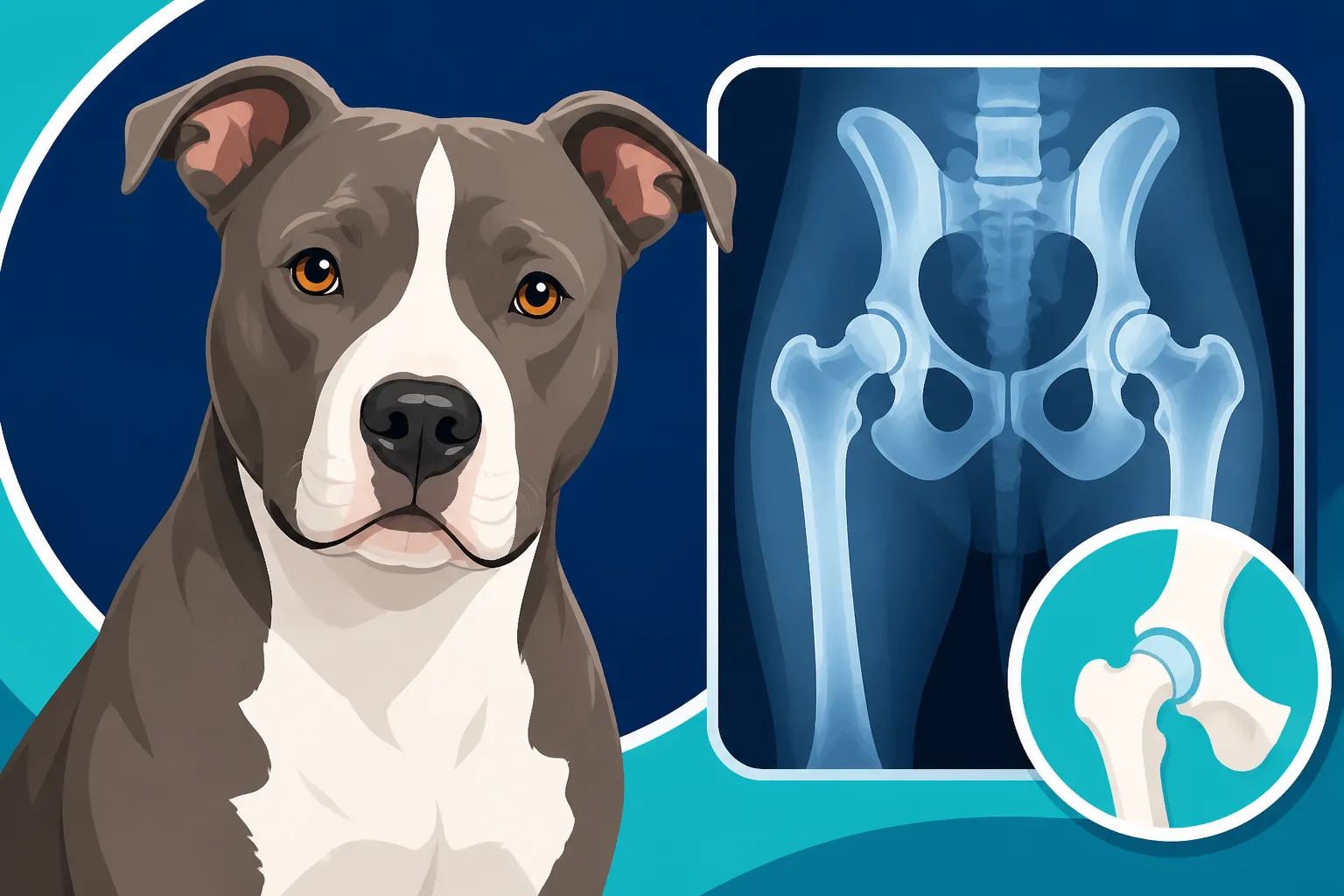
Unlike OFA's single-view assessment, PennHIP utilizes three distinct X-ray views: a distraction view, a compression view, and a hip-extended view. The magic truly lies in the distraction view, where a specialized device is used to gently push the femoral heads (the ball of the hip joint) away from the acetabulum (the socket). This slight distraction reveals the inherent laxity of the joint, which is a primary indicator of hip dysplasia risk. The compression view, on the other hand, ensures the hip is fully seated, allowing for an accurate measurement of joint congruity. The standard hip-extended view is also taken for general assessment, similar to the OFA method.
The key measurement from the distraction view is the "distraction index" (DI). This is a numerical value that represents the amount of hip joint laxity. A lower DI score indicates tighter hips and a lower risk of hip dysplasia, while a higher DI score means looser hips and a greater risk. These measurements are then compared to a vast database of thousands of dogs within the same breed, providing a percentile ranking. This objective, quantitative approach gives owners a much clearer, earlier picture of their Pit Bull's hip health.
How PennHIP Differs from OFA
To truly grasp why many breeders and proactive owners are opting for PennHIP, it helps to see the differences laid out side-by-side. While both aim to assess hip health, their methodologies and diagnostic capabilities vary significantly.
| Feature | OFA (Orthopedic Foundation for Animals) | PennHIP (University of Pennsylvania Hip Improvement Program) |
|---|---|---|
| Minimum Age | 24 months (2 years) for final certification | As early as 16 weeks (4 months) |
| X-ray Views | Typically one standard hip-extended view | Three views: distraction, compression, hip-extended |
| Primary Focus | Morphological assessment (shape and fit) | Quantitative measurement of hip joint laxity (DI score) |
| Scoring | Subjective grading (Excellent, Good, Fair, Borderline, Mild, Moderate, Severe) by radiologists | Objective numerical Distraction Index (DI) score, percentile ranking |
| Predictive Value | Assesses existing disease; less predictive for future development | Highly predictive of a dog's susceptibility to developing hip dysplasia |
| Sedation | Generally required | Always required for accurate measurement |
| Database | Public (unless owner opts out) | Confidential, used for research and breed comparison |
The most striking difference is the age at which testing can be performed. Being able to assess a Pit Bull's hips as early as 16 weeks means you can make informed decisions much sooner, whether it's adjusting exercise routines, considering preventative care, or choosing suitable breeding pairs. When you look into Pit Bull Hips and How They Are Scored, you'll find that PennHIP offers a level of precision that can be game-changing for managing your dog's long-term health.
The PennHIP Process for Your Pit Bull
Undergoing PennHIP testing might sound a bit intimidating, but it's a routine procedure for certified veterinarians. Knowing what to expect can help ease any worries you might have about your Pit Bull. It’s an investment in their future health, and like any medical procedure, preparation is key.
Preparing for the Procedure
The most important step for accurate PennHIP results is ensuring your Pit Bull is completely relaxed. This means sedation is always required. It’s not just for their comfort; it’s critical for achieving the precise positioning needed for the three X-ray views. A restless or tense dog could lead to inaccurate measurements, defeating the purpose of the detailed assessment. Your veterinarian will typically perform a pre-anesthetic blood panel to ensure your Pit Bull is a good candidate for sedation, just as they would for any surgical procedure. They'll also provide specific instructions regarding fasting before the appointment.
Finding a PennHIP-certified veterinarian is also crucial, as not all clinics offer this specialized service. These vets have undergone specific training to perform the X-rays correctly and submit them to the PennHIP analysis center. You can usually find a list of certified veterinarians on the official PennHIP website. It’s worth checking if your pet insurance, like Healthy Paws, offers coverage for these diagnostic procedures, as unexpected vet bills can add up, especially if you’re looking at long-term care or even something like a Hip Replacement in a Muscular Pit Bull down the line.
Interpreting the Results and What They Mean
Once the X-rays are taken, they're sent to the PennHIP analysis center for evaluation. You’ll receive a comprehensive report that includes the distraction index (DI) for each hip, along with a percentile ranking comparing your Pit Bull’s DI to all other dogs of the same breed in the PennHIP database.
Let’s say your Pit Bull has a DI of 0.40. The report will tell you what percentile this falls into. For instance, if it’s in the 80th percentile, it means 80% of Pit Bulls in the database have tighter hips than yours, while 20% have looser hips. This objective, quantitative score provides far more detailed information than a subjective OFA grade. It allows you to understand your dog’s risk for developing hip dysplasia – the lower the DI, the lower the risk. This information is invaluable for both owners and responsible breeders, guiding decisions on breeding suitability or personalized care plans. For those considering breeding, the results can inform pairing decisions to improve the health of future generations, directly aligning with discussions on What Testing a Pit Bull Breeder Should Have Done.
Making Informed Decisions for Your Pit Bull's Future
Knowing your Pit Bull's hip status through PennHIP testing empowers you to make proactive choices that can significantly impact their quality of life. Whether your dog is a beloved pet or a potential breeding animal, these insights are gold.
Using PennHIP for Responsible Breeding
For conscientious Pit Bull breeders, PennHIP is an indispensable tool. By routinely screening their breeding stock and selecting individuals with tighter hips (lower DI scores), they can actively work to reduce the incidence of hip dysplasia within their lines. This commitment to genetic health is a hallmark of responsible breeding practices. Imagine the impact on the breed if every breeder prioritized hip health using such objective measures! It helps ensure that puppies go to their forever homes with the best possible genetic start, free from the painful legacy of inherited hip problems. This proactive approach helps improve the overall health and longevity of the Pit Bull population. When a breeder can show you a history of PennHIP testing on their dogs, it speaks volumes about their dedication to the breed's well-being.
Managing Hip Health Based on PennHIP Results
Even if your Pit Bull isn't destined for breeding, a PennHIP score gives you a roadmap for their lifelong care. If the results indicate higher laxity, you can implement preventative strategies early on to minimize the progression of hip dysplasia. This could include carefully controlled exercise, avoiding high-impact activities, and ensuring your dog maintains a lean body condition. Managing Pit Bull Obesity and Joint Strain is critical, as excess weight significantly multiplies the load on already compromised joints.
Your veterinarian might recommend specific joint supplements, such as glucosamine, chondroitin, or omega-3 fatty acids, to support cartilage health. For muscular breeds like Pit Bulls, considering Joint Support for a Heavily Muscled Pit Bull can make a real difference in their comfort and mobility as they age. Early intervention often translates to better long-term outcomes and can delay or even prevent the need for more invasive treatments down the road. Regular check-ups and open communication with your vet about your Pit Bull's PennHIP results will allow you to tailor a management plan that keeps your loyal companion comfortable and active for as long as possible. Remember, proactive care is always better than reactive treatment, and this data lets you get ahead of potential issues before Arthritis in a Pit Bull at Seven even becomes a concern. Your pet insurance, such as Healthy Paws, can be a lifesaver in managing ongoing costs associated with hip health and supportive care.
Ensuring a Lifetime of Mobility and Comfort
Investing in PennHIP testing for your Pit Bull is more than just a diagnostic step; it's a commitment to their long-term well-being. It moves beyond simply identifying problems once they manifest and allows for truly proactive care. By understanding your dog's inherent hip laxity early on, you gain the power to make informed decisions about their lifestyle, diet, exercise, and potential preventative treatments. This detailed information gives you a clear picture, allowing you to partner with your vet to create a personalized health plan that minimizes the impact of hip dysplasia.
Whether you're carefully selecting a puppy from a reputable breeder who utilizes PennHIP, or taking steps to optimize the health of your existing companion, this knowledge provides peace of mind. For many owners, the greatest frustration is feeling helpless when their dog is in pain. PennHIP testing replaces that helplessness with empowerment, equipping you with the tools to give your Pit Bull the best possible chance at a mobile, comfortable life, well into their golden years. When you have this information, you can also better discuss options with your vet if you notice When Pit Bull Hip Symptoms First Appear and create a targeted plan for management. After all, our Pit Bulls give us so much joy; ensuring their comfort is the least we can do in return.
Disclaimer
This article is intended for informational purposes only and does not constitute professional veterinary advice. Always consult with a qualified veterinarian for any health concerns or before making any decisions about your pet's medical care.