Whether a Pit Bull Mix Lives Longer
It’s a thought that crosses the mind of many Pit Bull owners and those considering welcoming one into their home: will a mixed-breed Pit Bull live longer than a purebred? You hear stories, see articles, and sometimes it feels like purebreds are just saddled with more health problems, making you wonder if a dash of genetic diversity could be the secret ingredient to a longer, healthier life for your beloved companion. This guide will dive deep into the fascinating world of hybrid vigor and other factors to help you understand if a Pit Bull mix truly has an edge in the longevity department.
Understanding the Pit Bull "Breed" and Its Lifespan
Before we can even talk about mixes, it’s crucial to wrap our heads around what "Pit Bull" actually means. It’s not as straightforward as you might think, and this complexity profoundly impacts how we discuss their health and lifespan.
The Many Faces of a Pit Bull Type Dog
When someone says "Pit Bull," they’re usually referring to a type of dog, not a single, universally recognized breed. This type encompasses several distinct breeds that share similar physical characteristics – strong, muscular builds, broad heads, and short coats. The most common breeds falling under this umbrella include the American Pit Bull Terrier (APBT), the American Staffordshire Terrier (AmStaff), and the Staffordshire Bull Terrier (Staffy). More recently, the American Bully has also entered the conversation, though it's often considered a distinct breed developed from the Pit Bull lineage.
This distinction is vital because each of these breeds, while sharing a common ancestry, has evolved with slightly different genetic predispositions and average lifespans. An American Pit Bull Terrier, recognized by the United Kennel Club (UKC), might have a different health profile than an American Staffordshire Terrier, recognized by the American Kennel Club (AKC). This variety means that when you're looking at a "Pit Bull mix," you're not just adding another breed to one specific genetic blueprint; you're adding it to an already diverse and often unspecific starting point. Understanding this nuance helps us move beyond generalizations and focus on the individual dog’s unique genetic makeup, regardless of labels.
Typical Lifespan for Purebred Pit Bull Types
On average, purebred Pit Bull type dogs, such as the American Pit Bull Terrier, tend to live between 10 to 14 years. American Staffordshire Terriers often fall into a similar range, perhaps 12 to 16 years, and the smaller Staffordshire Bull Terriers can enjoy even longer lives, often extending to 12 to 14 years, with many living even longer. These are general averages, of course, and just like people, individual dogs can vary widely. Factors like genetics, diet, exercise, and overall care play huge roles.
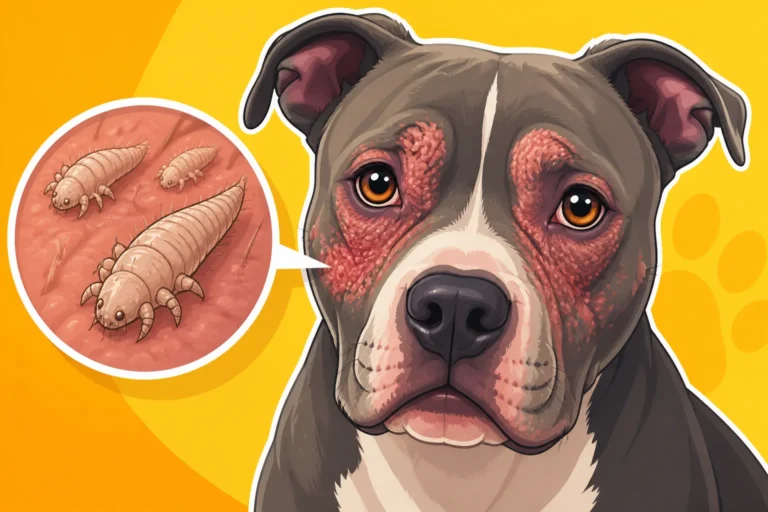
However, Pit Bull types are, unfortunately, predisposed to certain health conditions that can certainly cut into those potential years. Hip dysplasia is a notorious one, often showing up in Pit Bulls at one to two years of age, causing pain and mobility issues. Allergies, especially skin allergies, are incredibly common, leading to chronic discomfort, itching, and secondary infections. These can range from environmental allergies (atopy) to food sensitivities. We also see heart conditions, like aortic stenosis, and thyroid issues pop up more frequently in these breeds. While these conditions don't automatically mean a shorter life, they often require diligent management and can, in some cases, lead to complications that shorten a dog's time with us. It’s a sad reality that dedicated owners often grapple with, trying to manage chronic conditions while ensuring their beloved Pit Bull still lives a full, happy life.
Hybrid Vigor and the Argument for Longer Lives in Mixes
The concept of hybrid vigor is often whispered in dog owner circles as a kind of magical shield against the health woes of purebreds. But what exactly is it, and how much truth is there to the idea that mixing breeds leads to a healthier, longer-living dog?
What is Hybrid Vigor Heterosis?
Hybrid vigor, also known as heterosis, is a biological phenomenon where the offspring of genetically dissimilar parents display traits superior to either parent. In simpler terms, it's the idea that mixing different genetic lines can actually make the resulting individual stronger, healthier, and more resilient. Think about it in terms of recessive genes. Many genetic disorders, like some forms of hip dysplasia or certain eye conditions, are recessive, meaning a dog needs two copies of the faulty gene (one from each parent) to develop the condition. Purebred lines, especially those with smaller gene pools or a focus on specific traits, can sometimes unintentionally concentrate these recessive genes.
When you breed two genetically distinct individuals, the chances of the offspring inheriting two copies of the same problematic recessive gene from both sides significantly decrease. If one parent carries a gene for a specific disorder, but the other parent doesn't, the offspring might only inherit one copy and thus not express the disease. This increase in genetic diversity effectively dilutes the presence of undesirable recessive genes, leading to a generally healthier and more robust animal. It’s not about making a "better" dog necessarily, but about reducing the likelihood of certain inherited weaknesses coming to the forefront.
How Hybrid Vigor Might Apply to Pit Bull Mixes
Applying the principle of hybrid vigor to Pit Bull mixes offers a compelling argument for potentially increased longevity. If a purebred American Pit Bull Terrier is predisposed to, say, certain skin allergies or joint issues like hip dysplasia, mixing it with a breed that doesn't share those same genetic predispositions could indeed dilute the risk. For example, if you mix a Pit Bull type dog with a Border Collie, a breed generally known for its robust health and different genetic lineage, the resulting puppies might have a lower chance of inheriting the specific genetic markers that lead to hip dysplasia or atopic dermatitis in Pit Bulls.
The introduction of new genetic material broadens the overall gene pool for the offspring. This isn't a guarantee against all health problems, of course, because all dogs can get sick. But it does statistically reduce the odds of those specific, inherited conditions that plague many purebred lines. It's like shuffling a deck of cards: the more diverse the deck, the less likely you are to draw the same two specific cards repeatedly. This genetic buffering can lead to a dog with a stronger immune system, better overall structural integrity, and a reduced likelihood of developing those nagging, chronic issues that can shorten a dog's life.
Real-World Evidence and Anecdotes
While the concept of hybrid vigor is scientifically sound, finding extensive, long-term studies specifically comparing the lifespans of purebred Pit Bulls to their mixes is challenging. Most veterinary research tends to focus on purebred diseases or general dog population health. However, the general consensus among many veterinarians, rescue organizations, and experienced dog owners is that mixed-breed dogs, across the board, tend to have fewer inherited health issues and live slightly longer on average than many purebred counterparts. This isn't just wishful thinking; it's a pattern observed in general canine populations.
Anecdotally, you'll often hear stories from owners of Pit Bull mixes who swear their dogs are incredibly robust. I’ve known several Pit Bull mixes from my local shelters who just seem to sail through life with fewer vet visits than some of their purebred friends. These are the dogs who often seem to defy the odds, recovering quickly from minor ailments and maintaining a lively energy well into their senior years. While anecdotes aren't scientific proof, they contribute to the broader picture that genetic diversity, a cornerstone of hybrid vigor, likely plays a positive role in canine health and, by extension, lifespan. It certainly doesn't hurt, and for many, the resilience they see in their mixed-breed companions is all the evidence they need.
Factors That Can Influence a Pit Bull Mix's Lifespan
While hybrid vigor is a powerful concept, it’s not the only player in the game of canine longevity. Many other factors, some genetic, some environmental, profoundly shape how long and how well your Pit Bull mix will live.
The Influence of the Other Parent Breed(s)
This is perhaps the biggest "it depends" in the whole discussion of Pit Bull mix lifespans. Hybrid vigor isn't a magical shield that overrides all genetics; it's about diluting risks. If your Pit Bull is mixed with a breed that itself has a notoriously short lifespan or is prone to significant health problems, the benefits of hybrid vigor might be minimal or even outweighed. For instance, a Pit Bull mixed with a Great Dane, a breed known for its significantly shorter lifespan and susceptibility to conditions like bloat and certain cancers, might not live longer than a purebred Pit Bull. In fact, it might even introduce new health challenges from the Great Dane side, like higher risks for bloat given a deep chest, or certain types of heart disease.
Conversely, a mix with a breed known for its robust health and longevity, like some smaller terrier types or herding breeds, could indeed bolster the Pit Bull's genetic resilience. It’s also crucial to consider if both parent breeds are predisposed to similar issues. If you have a Pit Bull mix with another breed that also has a high incidence of hip dysplasia, the hybrid vigor effect on that specific condition might be lessened. It's not just about mixing, but what you're mixing, and whether the genetic contributions from all parent breeds are, on balance, diversifying the gene pool in a beneficial way.
General Health and Lifestyle Factors
No matter how genetically blessed a dog is, its day-to-day care and environment are paramount to its lifespan. This is where owners have the most direct impact. A Pit Bull mix with fantastic genetics can still suffer from a shortened life if it's fed a poor diet, doesn't get enough exercise, or lacks proper veterinary care. Obesity, for instance, is a massive problem for dogs, significantly contributing to conditions like arthritis and heart disease. Keeping a Pit Bull at a lean, healthy weight is crucial, especially given their muscular build, where it can be easy to misjudge their body condition.
Regular preventative vet care is non-negotiable. This includes yearly check-ups, appropriate vaccinations, and year-round parasite cover for fleas, ticks, and heartworm. Many conditions, if caught early, are far more manageable. A healthy, balanced diet tailored to your dog's age, size, and activity level is foundational. Exercise is also key for these powerful, athletic dogs; not just for physical health, but mental well-being too. A sedentary Pit Bull mix is more prone to both physical and behavioral issues. Investing in comprehensive pet insurance, such as plans from Healthy Paws, can also be a game-changer. It allows you to make care decisions based on your dog's health needs, not just your wallet, ensuring access to necessary treatments, diagnostics, and even specialist care when unforeseen issues arise. This financial cushion can indirectly contribute to a longer life by enabling optimal medical interventions.
Environmental Stressors and Early Life Experiences
A dog's environment and early experiences can cast a long shadow over its entire life, affecting everything from its immune system to its susceptibility to chronic stress-related illnesses. Pit Bull mixes, particularly those adopted from shelters or rescue situations, often come with unknown histories. If a puppy endured neglect, malnutrition, or chronic stress in its formative weeks and months, this can have lasting effects on its physical development, immune system, and even its stress response. High levels of cortisol (stress hormone) during crucial developmental periods can impact organ development and function, potentially leading to health problems later in life.
A stable, loving home environment, consistent routine, proper nutrition from puppyhood, and positive socialization experiences are all critical. Think about a dog who lives in constant fear or anxiety versus one who feels secure and loved; the latter is undoubtedly under less physiological stress. For rescue Pit Bull mixes, providing a calm, predictable environment and working through any past traumas with positive reinforcement training can make an enormous difference. This isn’t just about making them "happier"; it’s about reducing the physiological toll that chronic stress can take on the body, thereby contributing to a healthier and potentially longer life. Ensuring a puppy gets its necessary vaccinations, including those protecting against severe diseases like parvovirus, is a foundational step in setting them up for a healthy life.
Common Health Challenges in Pit Bull Mixes Even with Hybrid Vigor
While hybrid vigor can offer a statistical advantage, it's not a magical force field that makes a Pit Bull mix invincible. They are still dogs, and they can still face health challenges, sometimes even a unique blend of issues from their diverse heritage.
Persistent Breed-Specific Health Issues
It's a common misconception that hybrid vigor completely erases breed-specific health issues. While it certainly dilutes the risk of a dog inheriting a recessive genetic disorder from a purebred line, it doesn't eliminate all predispositions. Some conditions are polygenic (caused by multiple genes) or have a strong environmental component, making them harder to "breed out." For instance, Pit Bull types are highly prone to various skin allergies, including environmental allergies (atopy) and food allergies. Even in a mix, if the Pit Bull parent contributes a strong genetic predisposition to these allergies, and the other parent either shares that predisposition or doesn't have a strong counteracting genetic factor, the mix can absolutely still suffer from them.
I've seen many a Pit Bull mix come through with chronic itching, ear infections, and skin irritation, issues that are remarkably similar to those seen in their purebred Pit Bull cousins. The physical structure of a Pit Bull's ear, for example, can make them prone to infections regardless of hybrid vigor if one of the parent breeds passes on that particular anatomy. So, while your Pit Bull mix might avoid some of the rarer, more severe genetic diseases, don't be surprised if common Pit Bull ailments like allergies still make an appearance. You still need to be vigilant and ready to address these potential health concerns with your veterinarian.
Unforeseen Combinations of Health Problems
One of the unique challenges with a Pit Bull mix is the unpredictable genetic lottery. With a purebred, you have a fairly good idea of what health issues to watch out for, based on the breed's known predispositions. With a mix, you're potentially combining the genetic predispositions of two or more different breeds. While this can dilute the risk of specific issues, it can also create an entirely new set of potential problems. You might get the joint issues of a Pit Bull combined with the eye problems of a Poodle, or the skin allergies of a Pit Bull with the heart issues of a Boxer. It's not always about cancelling out problems; sometimes it's about introducing a whole new range of possibilities.
This unpredictability means that regular, thorough veterinary check-ups are even more important for a Pit Bull mix. Your vet will need to be diligent in screening for a wider array of potential issues. It also underscores the value of robust pet insurance. Providers like Healthy Paws offer flexible plans that can cover accidents, illnesses, and even hereditary conditions, which is especially beneficial for mixes where a clear "breed predisposition" might not neatly fit into an exclusion category. Knowing you have the financial backing to explore various diagnostic tests or treatments for whatever unexpected combination of issues might arise can provide immense peace of mind.
The Importance of a Full Health History When Possible
For anyone bringing a Pit Bull mix into their home, whether from a breeder (less common for true mixes) or, more frequently, from a shelter or rescue, trying to piece together a health history is incredibly valuable, if not always possible. If you know the parent breeds, even partially, you can research the common health issues of all those breeds. For example, if your Pit Bull is mixed with a Labrador Retriever, you'd want to be aware of the predispositions of both Pit Bulls and Labs to conditions like hip and elbow dysplasia, certain cancers, and ear infections.
Unfortunately, with many shelter dogs, the exact parentage is a mystery, and often only a best guess can be made based on appearance. However, even without a definitive family tree, shelters often have valuable information about a dog's known health issues, previous veterinary care, or any observed behavioral patterns that could hint at underlying health problems. Don't hesitate to ask for all available health records. This information, combined with a comprehensive initial vet examination, helps you and your vet establish a baseline and be proactive about potential health concerns. Knowing what a Pit Bull health history should cover can empower you to ask the right questions and prepare for your new companion's unique needs.
| Factor | Purebred Pit Bull Type | Pit Bull Mix (with hybrid vigor) | Explanation of Impact |
|---|---|---|---|
| Genetic Diversity | Lower (closed gene pool) | Higher (broader gene pool) | Reduces the likelihood of inheriting two copies of a specific recessive problematic gene, potentially decreasing incidence of hereditary diseases. |
| Predisposition to Conditions | Specific, known breed risks | Varied, dependent on parent breeds | While some Pit Bull traits (like allergies) may persist, mixing can dilute risk for others (like specific joint issues) or introduce new risks from the other breed(s). |
| Inherited Disease Incidence | Potentially higher for specific issues | Potentially lower for specific issues | Hybrid vigor statistically reduces the chance of inheriting certain recessive genetic disorders, though it's not a guarantee against all health problems. |
| Lifespan Expectation | 10-14 years (average) | Potentially slightly longer (12-16 years) | General trend for mixes to live longer due to greater genetic diversity, but heavily influenced by the health and longevity of the other breeds in the mix. |
| Ease of Health History Tracking | Clearer (known lineage) | Often less clear (unknown lineage) | Purebreds have known breed-specific issues; mixes can present a challenge if parentage is unknown, requiring a broader approach to preventative care. |
Maximizing the Lifespan of Your Pit Bull Mix
Regardless of whether your Pit Bull is a purebred or a mix, the ultimate goal is to give them the longest, healthiest, and happiest life possible. This isn't just about luck; it's about intentional, proactive care that covers all bases.
Proactive Veterinary Care and Early Detection
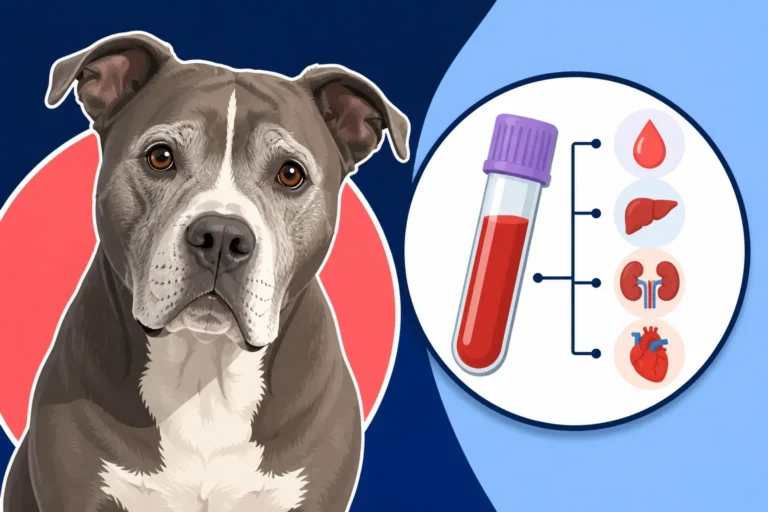
Think of your veterinarian as your dog's primary care physician. Regular check-ups are paramount, even if your Pit Bull mix seems to be in perfect health. These visits aren't just for vaccinations; they're opportunities for your vet to perform a thorough physical examination, listen to their heart and lungs, check their joints, and discuss any subtle changes you might have noticed. Early detection of conditions like heart murmurs, dental disease, or the early signs of arthritis can make a monumental difference in management and outcome. For example, catching a heart condition early might mean starting medication that prolongs their life significantly, or identifying early signs of arthritis can lead to dietary changes or supplements that improve their comfort and mobility for years.
Your vet can also guide you on specific screenings appropriate for your particular Pit Bull mix, especially if you know the contributing breeds. For instance, if there's a breed known for thyroid issues in the mix, your vet might recommend a thyroid panel. The key is to be consistent, follow their recommendations, and never hesitate to call if you notice anything unusual. A small change in behavior or appetite can sometimes be the first sign of a more serious underlying problem. Remember, your vet is your partner in your dog's health journey.
Tailored Nutrition and Exercise Regimens
The "one size fits all" approach to dog care rarely works, especially with a mixed breed. Your Pit Bull mix is a unique blend of genetics, and their nutritional and exercise needs will reflect that. A mix with a high-energy Border Collie might need significantly more daily exercise and a different calorie intake than a mix with a more laid-back Basset Hound. Similarly, a fifty-pound Pit Bull mix with a lean, athletic build will have different dietary requirements than one carrying a bit more weight.
It's vital to consult with your veterinarian or a canine nutritionist to craft a diet and exercise plan specifically for your dog. This means choosing high-quality food appropriate for their age, activity level, and any sensitivities they might have (like those pesky skin allergies). You'll also need to be diligent about measuring food portions, because it's incredibly easy for these muscular dogs to become overweight without it being immediately obvious. For exercise, think beyond just a walk around the block. Pit Bulls and their mixes often thrive on varied activities that engage both their bodies and minds, from vigorous playtime in the yard to long hikes on a trail with a long line. Building a Pit Bull's fitness safely means gradually increasing intensity and duration, ensuring their joints are protected, especially during their growth phases.
Mental Stimulation and Emotional Well-being
A long life isn't just about physical health; it's also about a dog's mental and emotional state. Just like humans, dogs who are mentally stimulated, feel secure, and experience positive emotional interactions tend to be healthier overall. Chronic stress and boredom can manifest as behavioral problems, but they can also take a physical toll, impacting immune function and increasing susceptibility to illness. Your Pit Bull mix, with their intelligence and drive, needs regular mental enrichment to thrive.
This can come in many forms: daily training sessions (even short ones!), puzzle toys that make them "work" for their food, scent work games around the house, or even just teaching them new tricks. Socialization, especially if done correctly from puppyhood, helps them navigate the world with confidence, reducing anxiety in new situations or around new people and dogs. A secure, predictable home environment where they feel safe and loved is fundamental. Providing clear boundaries and consistent, positive reinforcement training helps build their confidence and strengthens your bond. A dog who is happy, engaged, and feels like a valued member of the family is a dog much more likely to enjoy a long, fulfilling life. You can explore how to ensure you are Socializing a Pit Bull Puppy Thoroughly for the best outcomes.
Disclaimer
This article is for general informational purposes only and does not constitute professional advice. Laws, prices and regulations vary by location and change over time. Consult a qualified professional for guidance on your specific situation.