Whether a Pit Bull Mix Inherits Its Skin Problems
One of the most heart-wrenching things to witness as a dog owner is seeing your beloved companion constantly scratching, licking, and generally miserable due to skin issues. If you’ve brought home a Pit Bull mix, you might be wondering if you’re signing up for the same skin struggles that often plague purebred Pit Bulls. It's a completely valid concern, and understanding how genetics play a role is key to preparing for and managing your furry friend's health. This guide will walk you through the nuances of inherited skin problems in Pit Bull mixes, helping you understand what to look for and how to provide the best care.
Understanding Pit Bull Skin Issues
Purebred Pit Bulls, including American Pit Bull Terriers and American Staffordshire Terriers, are renowned for their strength, loyalty, and often, their delightful clownish personalities. However, many owners quickly discover that these wonderful dogs can be prone to a host of dermatological challenges. It's not just bad luck; there are genuine reasons rooted in their genetics and physiology that make them more susceptible than some other breeds.
Common Skin Conditions in Purebred Pit Bulls
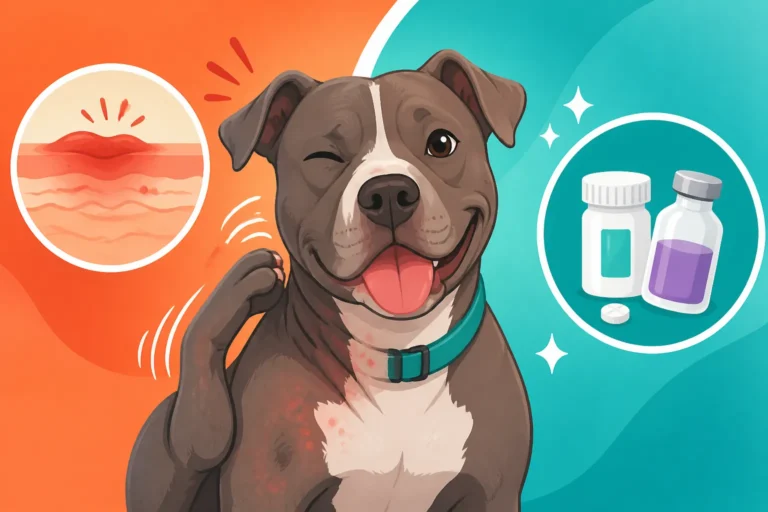
When we talk about Pit Bull skin issues, we're usually discussing a few key culprits that seem to crop up more often than not. The most common is environmental allergies, known as atopy or atopic dermatitis. This is where a dog's immune system overreacts to common allergens in their environment, like pollen, dust mites, or mold spores. You'll often see them itching their paws, rubbing their faces on the carpet, or developing red, inflamed skin, especially in their armpits, groin, and ears. These seasonal flare-ups can be incredibly frustrating for both dog and owner. For a deeper dive, check out our article on Pit Bull Skin Allergies and the Atopy Pattern.
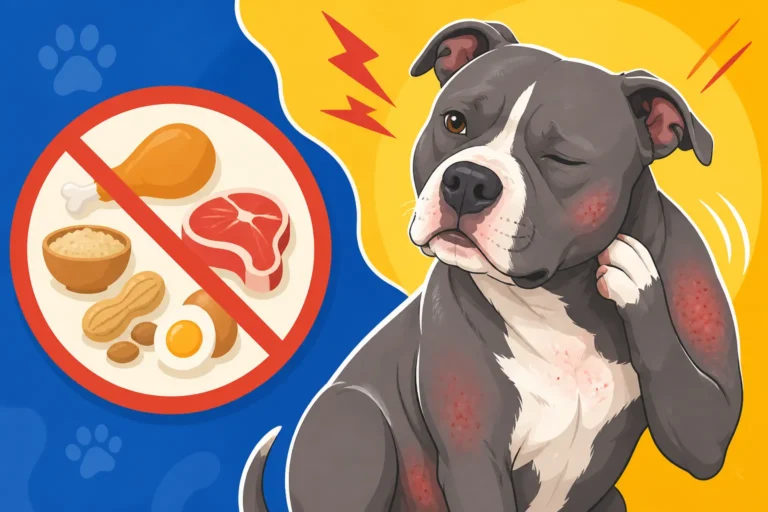
Beyond environmental allergies, food allergies are another frequent offender. While less common than atopy, they can manifest with similar itchy skin symptoms, but sometimes also include gastrointestinal upset like vomiting or diarrhea. Owners often report their Pit Bull chewing its feet through the night, or a persistent belly rash and contact allergy. It's a tricky one to pinpoint without proper investigation, like an elimination diet.
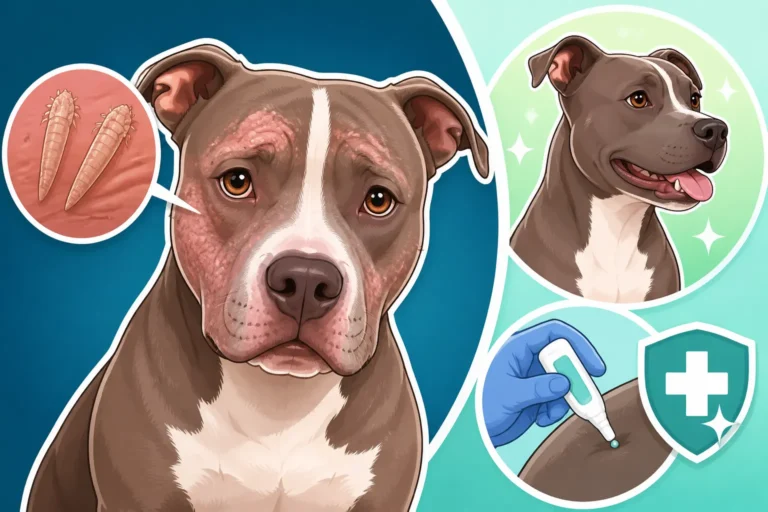
Then there's Demodex mange, caused by microscopic mites that live in the hair follicles. While most dogs carry these mites harmlessly, a Pit Bull, especially a puppy with an underdeveloped immune system, can experience an overgrowth leading to hair loss, redness, and secondary infections. This can be particularly alarming for new owners who might confuse it with an allergy. For more information, refer to Demodex Mange in a Pit Bull.
These primary issues often lead to secondary problems, like bacterial skin infections (pyoderma) or yeast infections, which thrive in moist, irritated skin folds or over-licked areas. The smell, the constant scratching, and the sheer discomfort for your dog can make life quite challenging.
Genetic Predispositions and Known Links
So, why are Pit Bulls such magnets for these skin woes? The answer lies largely in their genetic makeup. Atopic dermatitis, for instance, has a strong genetic component. While specific "allergy genes" aren't always neatly isolated, it's understood that certain breed lines carry a higher predisposition to developing allergic responses. This isn't just about one gene; it's often a complex interplay of multiple genes that influence immune system regulation and skin barrier function. Essentially, their immune systems are wired to be more reactive to everyday substances.
For Demodex, while it's not strictly an inherited condition, the predisposition for a dog's immune system to fail to control the mites is genetic. Dogs with weakened or immature immune systems are more likely to develop generalized Demodex. If a purebred Pit Bull parent suffered from generalized Demodex as a puppy, there's a higher chance their offspring might also struggle if exposed to stress or other immune-compromising factors.
In addition, the Pit Bull's short, coarse coat, while generally low-maintenance, can sometimes offer less protection against environmental irritants, and their muscular build can lead to skin folds where moisture and yeast can accumulate, particularly in areas like the armpits or groin. Their tenacious nature also means they might scratch and chew at themselves more vigorously, turning a minor itch into a full-blown skin lesion or hot spot.
The Genetics of Skin Conditions in Mixed Breeds
Now, let's get to the heart of the matter: what happens when you introduce another breed into the genetic mix? The answer isn't always straightforward, as canine genetics can be quite complex. However, we can make some educated predictions based on how traits are typically passed down.
How Genes for Skin Conditions are Passed On
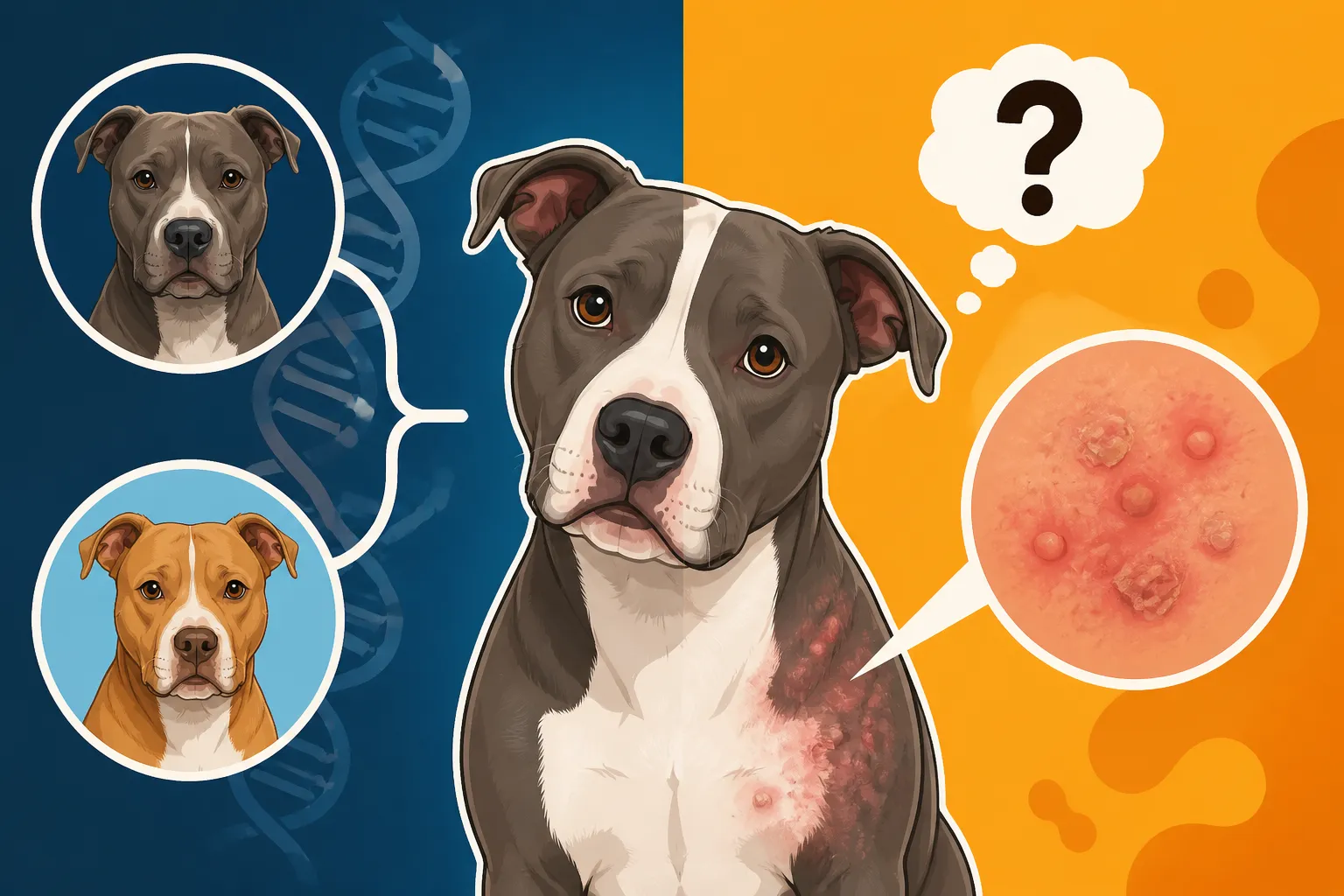
When a Pit Bull breeds with another dog, their offspring inherit a combination of genes from both parents. For conditions like atopy, which are often polygenic (meaning multiple genes contribute), the inheritance pattern isn't as simple as a dominant or recessive trait. Instead, it's more like a scale. If both parent breeds have a high predisposition to allergies, the mix will likely inherit a significant risk. If one parent breed has little to no history of allergies, their genes might dilute the Pit Bull's predisposition, potentially leading to a less severe expression of the condition, or even preventing it altogether.
Think of it like mixing colors. If you mix a dark red (high allergy risk) with a light pink (low allergy risk), you'll get something in the middle. But if you mix a dark red with a dark blue (another high allergy risk breed), you're more likely to get an intense, dark color, indicating a higher chance of inherited issues. It’s rarely an all-or-nothing situation, especially with complex conditions influenced by multiple genes.
For conditions like Demodectic mange, where the predisposition is about immune system function, if the other parent breed has a strong, healthy immune system and no history of uncontrolled Demodex, they might pass on those protective genes. This could help buffer the Pit Bull's potential genetic weakness, reducing the likelihood of a severe outbreak in the mixed-breed puppy. Understanding the other parent's health history is therefore invaluable.
The Role of the Other Parent Breed
The genetic lottery in a Pit Bull mix means the other parent breed plays a huge role in what your puppy might inherit.
If your Pit Bull is mixed with a breed also known for skin issues, like a French Bulldog, Boxer, or certain Terrier breeds, then your mix might actually have an even higher chance of developing skin problems, or more severe ones. These breeds often share similar genetic predispositions to environmental or food allergies, or specific skin sensitivities. For example, if you have a Pit Bull and Bulldog mix, you might see a double whammy of skin fold irritation and general allergies.
On the flip side, if the Pit Bull is mixed with a breed that is generally robust and less prone to skin ailments – perhaps a Labrador Retriever or a Border Collie from a healthy line – then the resulting mix might have a diluted risk. The "diluting" effect isn't a guarantee, but it can certainly shift the odds in a more favorable direction. You might still see some signs, but perhaps less frequently or less severely. For example, a Pit Bull mixed with a breed known for robust health might be less susceptible to Pit Bull Atopy and Seasonal Itching.
The key takeaway here is that "mix" doesn't automatically equal "healthier." It all depends on the genetic contributions from both sides. If you know what breeds are in your mix, researching the common health issues for all those breeds can give you a much clearer picture of potential future challenges. This is where understanding your dog's full genetic background, if possible, becomes incredibly helpful.
Here's a quick overview of how genetics might play out:
| Skin Condition | Purebred Pit Bull Predisposition | Impact on Pit Bull Mix (Other Breed's Role) |
|---|---|---|
| Atopic Dermatitis | High (Genetic) | High-Risk Other Breed (e.g., Boxer, French Bulldog): Increased likelihood/severity. Low-Risk Other Breed (e.g., Labrador, Border Collie): Potential dilution of risk, less severe symptoms. |
| Food Allergies | Moderate (Genetic) | High-Risk Other Breed (e.g., GSD, Cocker Spaniel): Increased likelihood. Low-Risk Other Breed: Reduced overall risk. |
| Demodectic Mange | Moderate (Immune-linked Genetic) | High-Risk Other Breed (e.g., other bully breeds): Higher chance of immune suppression leading to outbreaks. Low-Risk Other Breed: Stronger immune genes may prevent severe generalized forms. |
| Yeast Infections | Moderate (Often secondary) | High-Risk Other Breed (e.g., Basset Hound, Shar-Pei with skin folds): Increased risk due to shared predispositions or physical traits. Low-Risk Other Breed: No significant change or slight reduction if overall skin health is improved. |
| Flea Allergy Dermatitis | Moderate (More intense reaction) | High-Risk Other Breed: No major change, as reaction is individual. Low-Risk Other Breed: No major change. Prevention is key for all. |
Recognizing and Managing Skin Problems in a Pit Bull Mix
Even if your Pit Bull mix has a diluted genetic predisposition, skin problems can still crop up. Environmental factors, diet, and even stress can trigger issues. The trick is to be vigilant, recognize the early warning signs, and work closely with your veterinarian.
Early Signs and Symptoms to Watch For
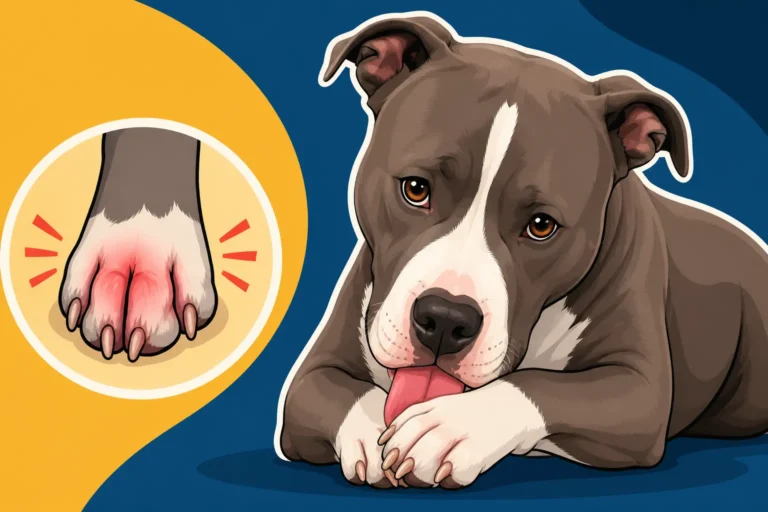
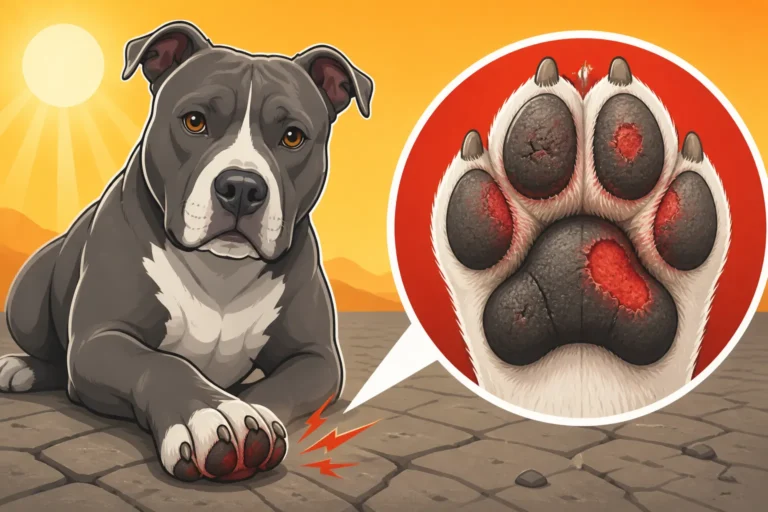
As a dog owner, you're your pup's first line of defense. Knowing what to look for can make a huge difference in managing skin conditions before they become severe. The most obvious sign is, of course, itching – relentless scratching, licking, or chewing, especially at the paws, armpits, inner thighs, and ears. If your dog is constantly licking its paws, rubbing its face on furniture, or even developing "hot spots" overnight, those are flashing red lights. You might notice redness, inflamed skin, or small bumps.
Hair loss, especially in patches, can be another indicator. This might be due to self-trauma from itching or a primary condition like Demodex. Pay attention to the condition of their coat: is it dull, greasy, or flaky? Any unusual odors from the skin or ears can also signal a problem, often a yeast or bacterial infection. Sometimes, you'll see small scabs, crusts, or darkened, thickened skin in chronically affected areas. Don't forget to check under their belly; you might find a Pit Bull Belly Rash and Contact Allergy.
It's easy to dismiss a little scratch here and there, but with breeds prone to skin issues, even minor symptoms warrant a closer look. Early intervention can prevent a small irritation from snowballing into a painful, widespread infection requiring more aggressive treatment.
Diagnostic Steps and Treatment Approaches
When you suspect a skin problem, a trip to the veterinarian is essential. Don't try to self-diagnose or treat based on internet advice alone. Your vet will start with a thorough physical examination and likely recommend some diagnostic tests.
Common diagnostic tools include:
- Skin scrapes: To check for mites like Demodex or Sarcoptes.
- Cytology: Examining skin samples under a microscope to identify yeast or bacterial overgrowth.
- Fungal cultures: To rule out ringworm, which can mimic other skin issues.
- Blood tests: Sometimes used to check for underlying systemic conditions like hypothyroidism, which can affect skin health.
- Allergy testing: Once primary infections are under control, your vet might suggest environmental allergy testing (blood or intradermal skin tests) to identify specific allergens. For food allergies, a strict elimination diet trial, typically lasting eight weeks, is the gold standard. You can learn more in An Eight Week Food Trial on an Itchy Pit Bull.
Treatment approaches are varied and depend on the diagnosis:
- Topical therapies: Medicated shampoos (like those discussed in Medicated Baths for a Pit Bull With Atopy), conditioners, and sprays can help manage itching, kill mites, or reduce yeast/bacteria.
- Oral medications: Antibiotics for bacterial infections, antifungals for yeast, antiparasitics for mites. Steroids or antihistamines might be prescribed for acute allergy flare-ups to reduce inflammation and itch.
- Immunomodulatory drugs: Medications like Apoquel or Cytopoint can specifically target the itch pathway in allergic dogs, providing significant relief.
- Immunotherapy: If environmental allergies are confirmed, allergy shots or oral drops can desensitize your dog to specific allergens over time, offering long-term relief. This can be a significant investment, so exploring options like Healthy Paws pet insurance might be beneficial to help cover the costs, as chronic allergy treatment can really add up. You'd want to ensure your chosen policy covers ongoing conditions and diagnostic testing. For insights on costs, see What Allergy Shots Cost a Pit Bull Owner.
Proactive Care and Prevention
The best offense is a good defense, especially when it comes to skin health in a Pit Bull mix.
- Consistent parasite prevention: This is non-negotiable. Year-round protection against fleas, ticks, and heartworms is crucial. Flea allergy dermatitis can trigger intense itching, even from a single bite.
- High-quality diet: A balanced, nutritious diet supports overall health, including skin and coat. Some owners find specific limited-ingredient diets or those rich in Omega-3 fatty acids helpful for sensitive skin. Avoid common allergens if a food allergy has been identified.
- Regular bathing and grooming: Even with a short coat, regular baths (every 2-4 weeks, or as directed by your vet for medicated shampoos) can remove allergens, dirt, and excess oils. Follow up with a good rinse to prevent residual shampoo from irritating the skin.
- Paw care: After walks, especially through grass or areas with allergens, wipe down your dog's paws to remove irritants. This can significantly reduce Pit Bull Paw Licking and Chewing.
- Ear cleaning: Pit Bulls can be prone to ear infections, often linked to allergies. Regular, gentle ear cleaning with a vet-approved solution can help prevent build-up and irritation. Our article Cleaning a Pit Bull Ear Properly offers great tips.
- Moisture control: Ensure your dog is thoroughly dry after baths or swimming, especially in skin folds, to prevent yeast and bacterial growth.
- Environmental control: If environmental allergies are identified, try to minimize exposure to known allergens. This might mean frequent vacuuming, using air purifiers, or wiping down your dog after outdoor excursions.
- Pet Insurance: Given the potential for chronic and expensive skin conditions, consider enrolling your Pit Bull mix in pet insurance early. Providers like Healthy Paws offer comprehensive plans that can ease the financial burden of diagnostics, medications, and specialized treatments for conditions that aren't pre-existing. It's a lifesaver for managing long-term health needs. For more details, explore Pit Bull Pet Insurance and Breed Exclusions.
Remember, while a Pit Bull mix might inherit some of the skin problem predispositions of its Pit Bull parent, the other breed's genetics and your proactive care can make a substantial difference. Staying informed and working closely with your vet will empower you to keep your beloved companion comfortable and happy throughout their life.
Disclaimer
The information provided in this article is for educational purposes only and is not a substitute for professional veterinary advice. Always consult with a qualified veterinarian for any health concerns or before making any decisions related to your pet's care.