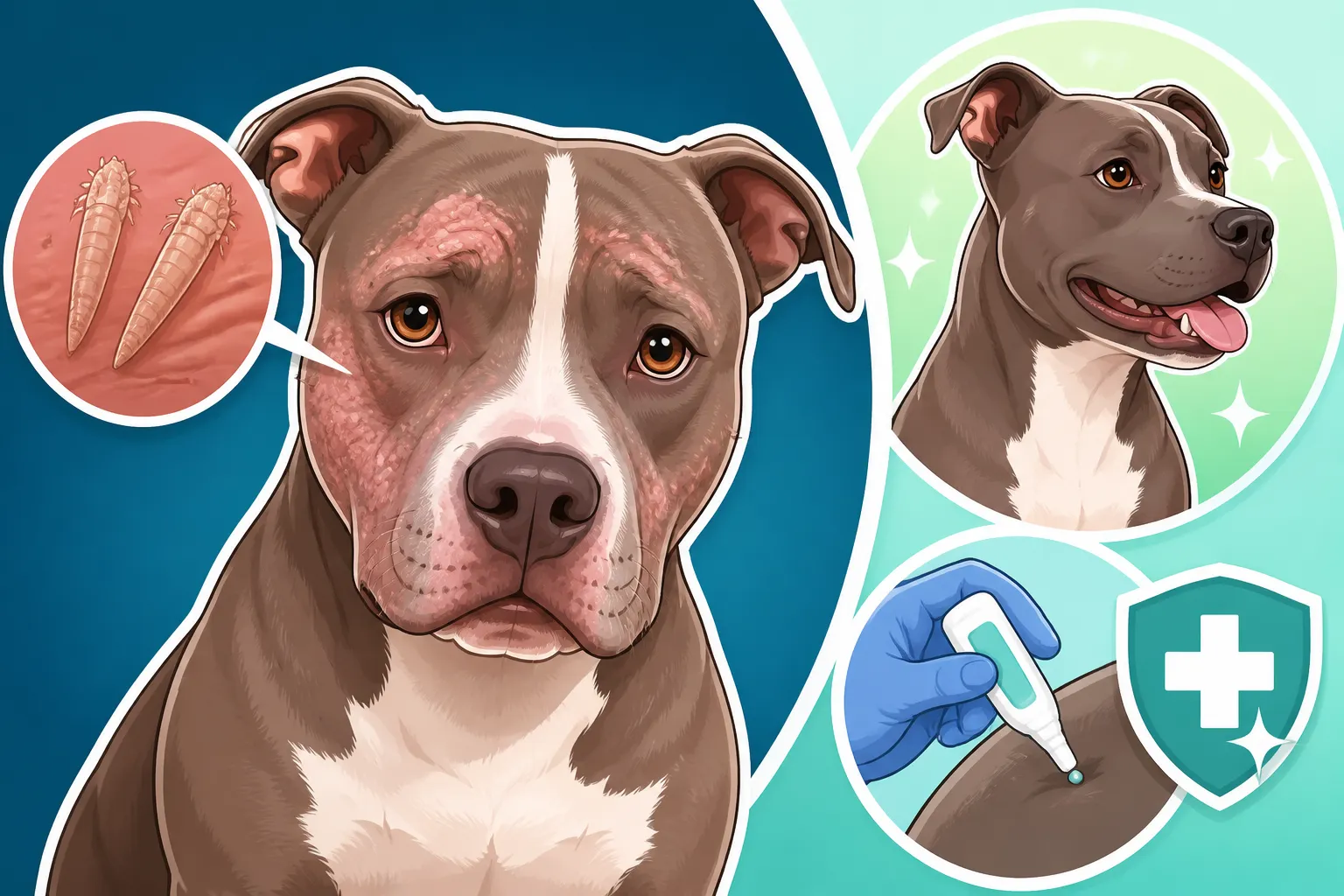
Treating Generalised Demodex in a Pit Bull
Finding out your beloved Pit Bull has generalized Demodex mange can be incredibly disheartening. You see those patches of hair loss, the redness, the constant itching, and you just want to make it stop. It's a common, often frustrating skin condition that many Pit Bull owners face, and it often feels like an uphill battle. This guide is here to walk you through understanding generalized Demodex and, most importantly, the comprehensive treatment strategies available to bring your dog relief and get them back to their happy, healthy selves.
Understanding Generalized Demodex in Pit Bulls
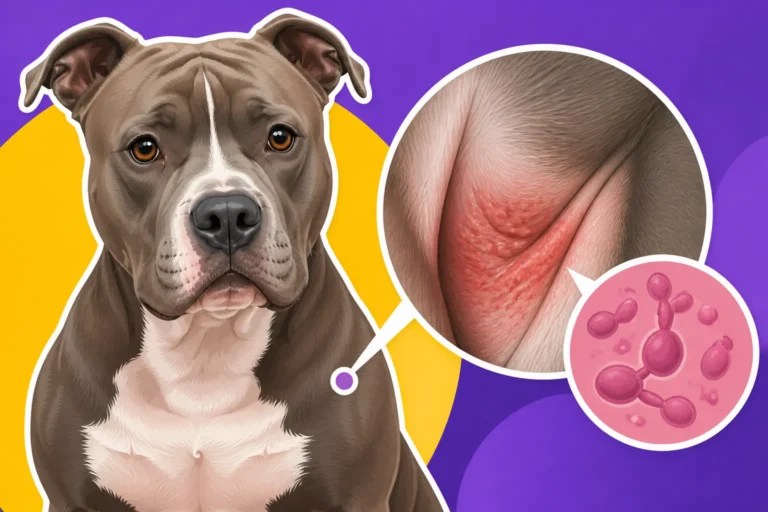
Demodectic mange, often just called Demodex, is caused by tiny mites that live in the hair follicles of almost all dogs, including ours. Usually, a dog's immune system keeps these mites in check, and they never cause a problem. However, when a dog's immune system isn't functioning optimally, or if there's a genetic predisposition, these mites can multiply out of control, leading to hair loss, skin inflammation, and secondary infections. This is when we start seeing signs of generalized Demodex.
Generalized Demodex is more serious than localized Demodex, which typically presents as a few small, non-itchy patches. With the generalized form, the lesions are more widespread, covering larger areas of the body, often including the face, legs, and trunk. It can manifest as multiple patches of hair loss, red and irritated skin, scabbing, and even oozing sores due to secondary bacterial or yeast infections. Pit Bulls, sadly, seem to be overrepresented in cases of generalized Demodex, likely due to genetic factors that impact their immune response to these mites. It's truly heartbreaking to watch your strong, muscular Pit Bull become so uncomfortable and lose their vibrant coat. When you're trying to figure out if it's Demodex or something else, understanding the subtle differences is key, especially as some signs might overlap with other common issues like allergies. It’s also helpful to remember that identifying the specific type of mite is crucial, as another form, Sarcoptic Mange Against Demodex in a Pit Bull, requires different treatment.
Why Pit Bulls Face This Challenge
The predisposition of Pit Bulls to generalized Demodex isn't fully understood, but genetics play a significant role. It's not necessarily a sign of a generally weak immune system in the way we might think about it in humans; rather, it often points to a specific immunological quirk where their body struggles to control the Demodex mite population. This means that even a seemingly healthy, well-fed Pit Bull can develop severe generalized Demodex. Puppies can also be affected, often developing Demodectic Mange in a Pit Bull Puppy if they inherit a predisposition. This genetic link is why breeders who are truly dedicated to the health of the breed will screen their lines and avoid breeding dogs that have had generalized Demodex.
Recognizing the Signs Beyond Hair Loss
While hair loss is the most obvious sign, there are other indicators that your Pit Bull might be suffering from generalized Demodex. You might notice:
- Redness and inflammation: The skin can look severely irritated, sometimes a deep red or purplish hue.
- Scaling and crusting: Dry, flaky skin, often with thick crusts forming over affected areas.
- Pustules and sores: Pus-filled bumps or open sores can develop, especially if secondary bacterial infections are present. This is often accompanied by a strong, unpleasant odor.
- Thickened skin: In chronic cases, the skin can become thick, leathery, and dark (hyperpigmentation).
- Itching (variable): While not always intensely itchy like allergies, secondary bacterial or yeast infections often make the condition quite uncomfortable, leading to significant scratching, rubbing, and licking.
It’s easy to confuse these symptoms with other common skin issues. For example, Pit Bull Skin Allergies and the Atopy Pattern can present with similar redness and itching, but the underlying cause is very different. This is why a proper veterinary diagnosis is absolutely essential before starting any treatment.
Initial Steps and Veterinary Consultation
The moment you suspect generalized Demodex, a trip to your veterinarian is non-negotiable. Self-treating or delaying professional help can lead to the condition worsening, becoming more complicated, and prolonging your Pit Bull's discomfort. Your vet will perform a thorough physical exam and, most importantly, diagnostic tests to confirm the presence of Demodex mites.
Confirming the Diagnosis with Skin Scrapings
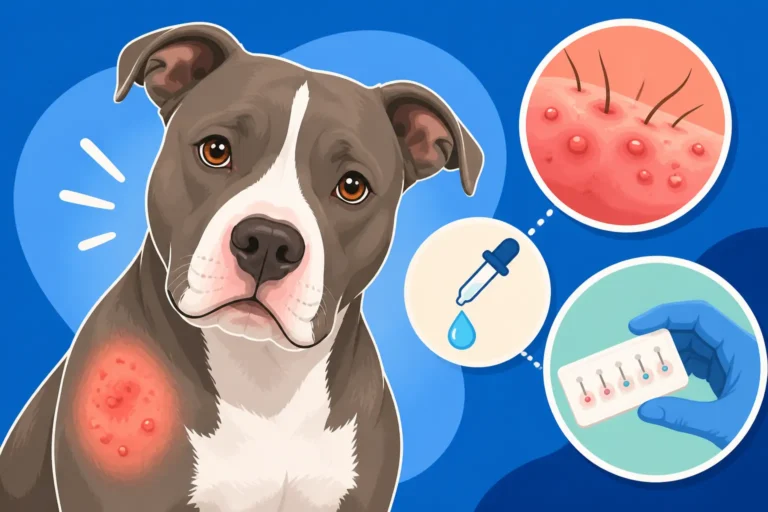
The gold standard for diagnosing Demodex is a skin scraping. This involves gently scraping the surface of the skin with a dull scalpel blade after applying a little mineral oil, then examining the sample under a microscope. Because Demodex mites live deep within the hair follicles, the scraping needs to be deep enough to reach them. This often means squeezing the skin to push the mites up before scraping.
Seeing the actual mites and eggs confirms the diagnosis and helps differentiate Demodex from other skin conditions like allergies or other forms of mange. It’s a simple, quick procedure, but it provides crucial information. Sometimes, if the mites are deep or the skin is very thickened, multiple scrapings or even a skin biopsy might be necessary. This process is detailed further in Skin Scrapings That Confirm Pit Bull Mange.
Addressing Underlying Health Concerns
While generalized Demodex in young dogs often resolves with treatment and doesn't necessarily indicate a broader immune system problem, recurrent or adult-onset generalized Demodex can sometimes be a red flag for an underlying health issue. This is discussed in Whether Pit Bull Demodex Means a Weak Immune System. Your vet might recommend additional blood work or diagnostics to rule out conditions that could suppress the immune system, such as:
- Hypothyroidism: An underactive thyroid can affect skin health and immune function.
- Cushing's disease: An overproduction of cortisol can suppress the immune system.
- Cancer: Though less common, certain cancers can impact immunity.
- Systemic illness: Any chronic disease that weakens the body can make a dog more susceptible.
Treating any identified underlying condition is paramount for successful long-term management of Demodex, as it helps the body fight back more effectively.
Modern Treatment Options for Generalized Demodex
The landscape of Demodex treatment has changed dramatically in recent years, moving away from harsh, frequent dips to much more convenient and highly effective oral medications. The goal of any treatment is to kill the mites, allowing the dog's immune system to recover and normalize the mite population.
The Rise of Isoxazolines
For many vets and owners, the newer oral isoxazoline medications have revolutionized Demodex treatment. These drugs are incredibly effective, generally well-tolerated, and very easy to administer. They work by targeting the nervous system of the mites, causing paralysis and death. Common brands include:
- Bravecto (fluralaner): Administered orally every 8-12 weeks.
- NexGard (afoxolaner): Administered orally once a month.
- Simparica (sarolaner): Administered orally once a month.
- Credelio (lotilaner): Administered orally once a month.
These medications have a very high success rate in eliminating mites and clearing up skin lesions, often showing significant improvement within weeks. They are typically continued until at least two consecutive monthly skin scrapings are negative for mites, usually with an additional month of treatment afterward to ensure all mites are eradicated. Your vet will guide you on the exact duration, but it often extends for several months.
Older, Still Relevant Treatment Options
While isoxazolines are often the first choice, other treatments are still used, especially if there are financial constraints or specific individual circumstances.
- Ivermectin: This is an older, often effective antiparasitic drug, typically given daily by mouth. However, it requires careful dosing and can have serious side effects in certain breeds or individuals with a specific gene mutation (MDR1 gene), which is particularly prevalent in herding breeds but can occur in others. Your vet might recommend a genetic test before using ivermectin. It also requires a more rigorous dosing schedule.
- Milbemycin oxime: Another oral medication, similar to ivermectin, often used daily. It's generally safer than ivermectin regarding the MDR1 gene, but still needs veterinary supervision and precise dosing.
- Amitraz dips (Mitaban): This was once a primary treatment but has largely fallen out of favor due to the availability of safer and more convenient options. Amitraz is a chemical dip that is applied to the dog's entire body, usually weekly, for several weeks. It has a strong odor, can be irritating to the dog and handler, and requires proper ventilation. Side effects can include sedation, vomiting, and tremors. Given the effectiveness and safety of newer oral drugs, amitraz dips are rarely a first choice anymore, especially for generalized cases.
The Importance of Consistent Treatment and Follow-Up
No matter which treatment protocol your vet prescribes, consistency is crucial. Skipping doses or stopping treatment prematurely is a recipe for relapse. Generalized Demodex requires diligent management. Regular follow-up skin scrapings are essential to monitor progress and confirm that the mites are truly gone. This is how your vet knows when it's safe to discontinue medication. It’s not about how the skin looks, but what the microscope shows.
Treatment can be lengthy, sometimes extending for 3 to 6 months or even longer, depending on the severity and individual response. Patience and adherence to your vet's instructions are your biggest allies.
Cost Considerations and Pet Insurance
Generalized Demodex treatment can be expensive, especially with the newer medications and multiple vet visits for rechecks. A typical course of isoxazolines, plus veterinary consultations, skin scrapings, and potentially antibiotics for secondary infections, can add up quickly. This is where pet insurance can be a lifesaver. Companies like Healthy Paws often cover the costs of unexpected illnesses like Demodex, provided the condition wasn't pre-existing before you enrolled your Pit Bull. Having a policy in place can significantly alleviate the financial stress, allowing you to focus on getting your dog the best possible care without worrying about every bill. When you are assessing Pit Bull Pet Insurance and Breed Exclusions you need to make sure you consider the potential for conditions like Demodex. The cumulative costs of managing chronic skin issues, whether it's allergies or Demodex, can be substantial, as explored in What a Pit Bull Costs a Year With Allergies.
Here’s a simplified comparison of general treatment approaches:
| Treatment Type | Administration | Frequency (Typical) | General Cost (Initial Course) | Pros | Cons |
|---|---|---|---|---|---|
| Isoxazolines | Oral | Monthly to Quarterly | Moderate to High | Highly effective, easy to administer, good safety profile, often palatable. | Can be more expensive up front, requires prescription. |
| Ivermectin | Oral | Daily | Low | Inexpensive, effective if tolerated. | Daily dosing, potential for serious side effects in MDR1-sensitive dogs, requires careful monitoring. |
| Milbemycin Oxime | Oral | Daily | Moderate | Generally safer than ivermectin, effective. | Daily dosing, moderate cost. |
| Amitraz Dips | Topical | Weekly | Low to Moderate | Effective when properly applied. | Labor-intensive, strong odor, potential side effects for dog/handler, less convenient, environmental precautions needed. Seldom used for generalized Demodex now. |
Note: Costs are approximate and can vary widely based on location, vet clinic, dog size, and specific product chosen.
Supportive Care and Managing Flare-ups
Beyond the primary mite-killing medication, supportive care is vital for your Pit Bull's comfort and recovery. This often involves addressing the secondary infections that commonly accompany generalized Demodex and promoting healthy skin.
Battling Secondary Infections
The damaged skin from Demodex mites creates a perfect breeding ground for bacteria (pyoderma) and yeast (Malassezia). These secondary infections are often responsible for the intense itching, odor, and further skin deterioration. Your vet will likely prescribe:
- Antibiotics: For bacterial infections, a course of oral antibiotics, sometimes lasting several weeks, is often necessary. Topical antibacterial washes or sprays might also be recommended.
- Antifungals: For yeast infections, oral or topical antifungal medications will be used.
- Medicated baths: Medicated shampoos containing ingredients like benzoyl peroxide or chlorhexidine can help flush out hair follicles, remove crusts, kill bacteria and yeast, and promote healing. Your vet will advise on the frequency, which might be several times a week initially, then tapering down as the skin improves.
Consistent use of these supportive treatments is just as important as the miticide in getting your Pit Bull's skin healthy again.
Nutritional Support and Overall Health
A balanced, high-quality diet is fundamental for healthy skin and a robust immune system. While there's no magic "Demodex cure" diet, ensuring your Pit Bull receives adequate nutrition supports their body's ability to heal and fight off infection. Consider:
- High-quality protein: Essential for skin and hair regrowth.
- Omega-3 fatty acids: Supplements like fish oil can help reduce inflammation and improve skin barrier function.
- Probiotics: Can support gut health, which is intrinsically linked to immune function.
While these don't directly kill the mites, they create an optimal internal environment for your Pit Bull to recover. Maintaining a healthy weight and condition, as discussed in Pit Bull Weight and Muscle on a Working Frame, is always a good practice.
Environmental Management and Long-Term Monitoring
Keeping your Pit Bull's living environment clean can help prevent reinfection and reduce secondary skin irritation. Regularly wash their bedding and keep their living space free of excessive dust and allergens, especially if they also have underlying allergies. While Demodex isn't typically contagious to other dogs or humans, it's still good practice to maintain hygiene.
Even after successful treatment and negative skin scrapings, it's wise to remain vigilant. Keep an eye out for any returning hair loss, redness, or itching. Some dogs, especially those with an underlying genetic predisposition, might experience relapses, though less common with the newer treatments. If you notice any returning signs, contact your vet immediately for a recheck. Early intervention can prevent a full-blown recurrence. The goal is to get your Pit Bull not just free of mites, but truly comfortable and thriving again.
Disclaimer
The information provided in this article is for general informational purposes only and does not constitute veterinary advice. Always consult with a qualified veterinarian for any health concerns or before making any decisions related to your pet's medical care.