Getting Homeowners Cover After a Pit Bull Denial
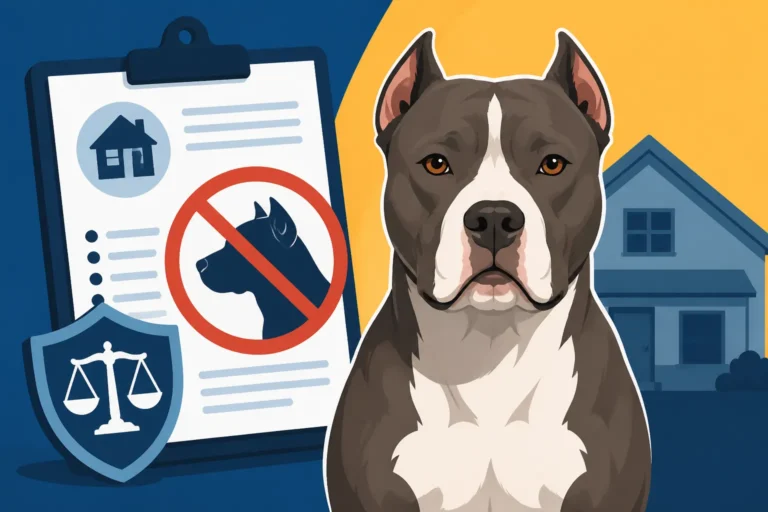
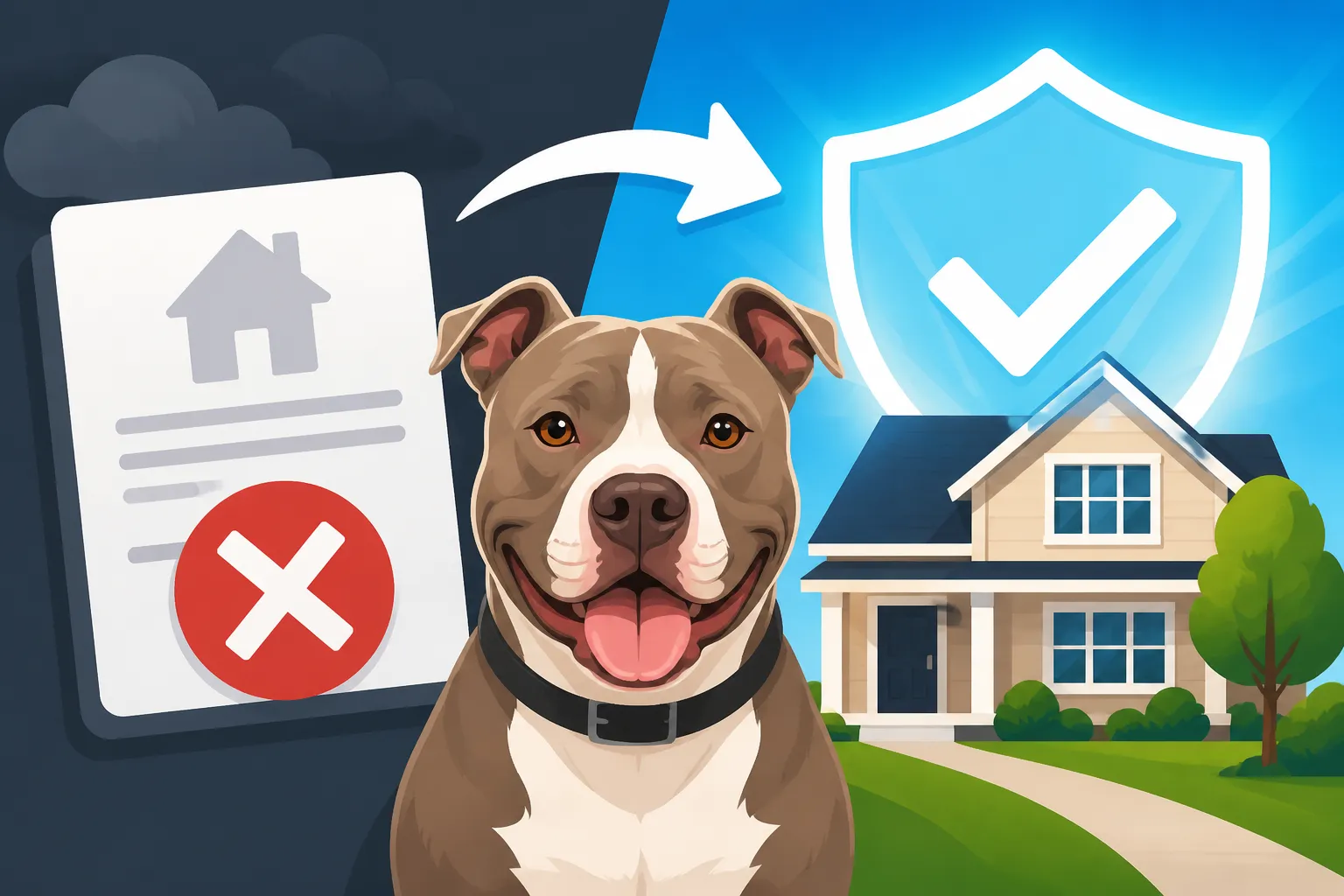
Getting a denial letter for homeowners insurance can feel like a punch to the gut, especially when the reason listed is simply the breed of dog you share your home with. It’s frustrating, disheartening, and often feels incredibly unfair when you know your Pit Bull is a beloved, well-behaved member of your family. Many of us have faced this exact roadblock, navigating the confusing and often discriminatory world of insurance. This guide is here to help you understand why this happens and, more importantly, lay out clear, actionable steps you can take to secure the essential coverage for your home, even after a denial.
Unpacking the Reasons for Homeowners Insurance Denial
The first step in finding a solution is understanding the problem. When an insurance company denies you coverage because of your Pit Bull, it's rarely a personal slight against your individual dog. Instead, it's usually rooted in broader, often outdated, policies and risk assessments.
The Persistent Shadow of Breed-Specific Policies
One of the most common and frustrating reasons for denial is the insurance company's adherence to what are known as breed-specific restrictions. Insurers, like any business, operate on a system of calculating risk. Historically, and unfortunately continuing to this day with many carriers, certain dog breeds, including Pit Bull-type dogs, Rottweilers, German Shepherds, and others, are automatically flagged as "high-risk." This isn't based on your dog's individual temperament or training, but on broad, often generalized, statistical data related to bite incidents and associated liabilities.
For these companies, it's often a numbers game. They look at actuarial tables and past claims, and if a breed is perceived to have a higher likelihood of causing a liability claim, they either deny coverage outright, exclude animal liability from your policy, or charge significantly higher premiums. It's a blanket policy that doesn't consider the millions of friendly, well-adjusted Pit Bulls out there. This approach is deeply frustrating for responsible owners who understand their dogs far better than any statistician. You might feel like you're being punished for choosing to love a particular type of dog, and frankly, you are. Many homeowners carriers that refuse Pit Bulls do so because of these rigid, breed-specific lists, making it challenging to find appropriate coverage.
How Past Incidents Can Compound the Challenge
While breed-specific policies are a major hurdle, any prior incidents involving a dog can make securing homeowners insurance even more difficult. If you've had a previous bite claim, even a minor one, or if there's any record of a dog-related incident at your address – regardless of the specific dog or breed involved – insurance companies will view this as a significant "red flag." They interpret past incidents as predictors of future risk.
Imagine you moved into a new home, and unknowingly, a previous tenant's dog had a minor scuffle in the yard a few years back. Even if you're bringing a different dog, some insurers might flag the property history. More commonly, if your own Pit Bull, or a previous dog you owned, was involved in an incident, that claim history follows you. Insurers share data through services like the C.L.U.E. (Comprehensive Loss Underwriting Exchange) report. This report tracks claims associated with you and your property for up to seven years. A bite claim, even a small one, can significantly impact your insurability and the premiums you pay. This isn't just about your Pit Bull; it's about any animal liability claim on your record. Understanding what a bite claim does to a Pit Bull policy is crucial, as it can escalate the denial into a deeper underwriting issue.
Practical Steps to Overcome Insurance Hurdles
Receiving a denial doesn't mean you're out of options. There are concrete strategies you can employ to find suitable homeowners insurance, even with a Pit Bull in your family. It just might require a little more legwork and a targeted approach.
Seeking Out Breed-Neutral Insurance Providers
The most direct approach after a denial is to actively seek out insurance carriers that do not have breed restrictions. These companies recognize that a dog's behavior is more a product of its upbringing and training than its breed. Don't assume all insurers operate under the same rules; the market is diverse.
Start by contacting independent insurance brokers. These professionals work with multiple insurance companies and can shop around on your behalf. They often have access to carriers that might not be as widely advertised or are smaller, regional companies that take a more individualized approach to risk assessment. Explain your situation upfront, specifically mentioning your Pit Bull, and ask them to find policies that do not discriminate by breed. Many brokers are familiar with this challenge and know which companies on their roster are more accommodating.
Some national carriers, or even local ones, have adopted breed-neutral policies. It's worth researching and calling various providers directly. Be prepared to ask specific questions about their animal liability policies and whether they have any restricted breed lists. States Where Insurers Cannot Ask About a Pit Bull are becoming more common, offering a beacon of hope for dog owners. For responsible Pit Bull owners, a holistic approach to their dog's well-being is often a priority, and this includes managing financial risks. Many also consider comprehensive pet health insurance, such as from Healthy Paws, to cover unexpected veterinary costs, which demonstrates a proactive and responsible attitude towards pet ownership.
Bolstering Your Application with Training and Certifications
While not a magic bullet, providing evidence of your Pit Bull's good behavior and training can sometimes sway an insurer, especially if they are already on the fence or have a less rigid breed policy. The Canine Good Citizen (CGC) certification, offered by the American Kennel Club (AKC), is widely recognized as a benchmark for responsible dog ownership and basic manners.
When your Pit Bull earns a CGC title, it demonstrates that your dog has learned fundamental commands, exhibits good behavior around strangers and other dogs, and is generally a well-adjusted member of society. This certification can serve as tangible proof that your dog is not the stereotype often associated with its breed. Include a copy of your Pit Bull's CGC certificate with your insurance application, or mention it when speaking with agents. While it won't guarantee coverage from a company with strict breed bans, it can certainly help you stand out to those who are more flexible. For a deeper dive, understand Canine Good Citizen and why it matters for a Pit Bull. Additionally, proactively showing an insurer a Pit Bull's training record, including proof of obedience classes, can paint a picture of a responsible pet parent. It's worth investigating whether a CGC title helps a Pit Bull policy by influencing their risk assessment.
Understanding Umbrella and Animal Liability Policies
If you're still hitting roadblocks with standard homeowners insurance, it might be time to consider additional layers of protection. An umbrella policy is a type of insurance that provides additional liability coverage above and beyond the limits of your homeowners and auto insurance policies. It kicks in when the liability limits of your primary policies are exhausted. This can be particularly appealing to insurers because it offers a higher level of financial protection in the event of a serious claim.
For example, if your homeowners policy has a liability limit of $300,000, and a claim (such as a dog bite) exceeds that amount, an umbrella policy could cover the additional costs, often up to several million dollars. This significantly reduces the financial risk for the primary insurer. Many providers who might be hesitant to offer you a homeowners policy due to your dog may be more amenable if you also secure a substantial umbrella policy. This shows a commitment to comprehensive risk management. Exploring how much umbrella cover a Pit Bull owner buys is a prudent step in this scenario.
Alternatively, some companies offer standalone animal liability policies. These policies specifically cover damages caused by your dog, separate from your homeowners insurance. They are often a last resort and can be more expensive, but they ensure you have coverage for potential dog-related incidents. Getting liability cover with a Pit Bull is paramount, and sometimes an umbrella cover in a Pit Bull household is the best way to achieve it.
Here’s a quick overview of insurance options and their general approaches:
| Insurance Type | Primary Coverage | Breed Restrictions (Typical) | Usefulness for Pit Bull Owners |
|---|---|---|---|
| Homeowners Insurance | Property damage, personal liability | Common among many standard carriers | Core need; seek breed-neutral providers |
| Renters Insurance | Personal belongings, personal liability | Similar to homeowners restrictions | Essential for renters; often easier to find options |
| Umbrella Policy | Extends liability limits beyond primary policies | Generally breed-neutral for extension | Excellent for added protection; can ease HO denials |
| Animal Liability Policy | Standalone coverage for dog-related incidents | Focused on individual dog risk | Last resort if other options fail |
| Pet Health Insurance | Vet bills, accidents, illness | None | Covers medical costs, not liability (e.g., Healthy Paws) |
Advocating for Your Pit Bull and Your Home
Beyond individual actions, there are broader movements and resources that can help Pit Bull owners navigate insurance challenges. Understanding these can empower you to make informed decisions and find support.
Navigating State-Specific Protections and Legislation
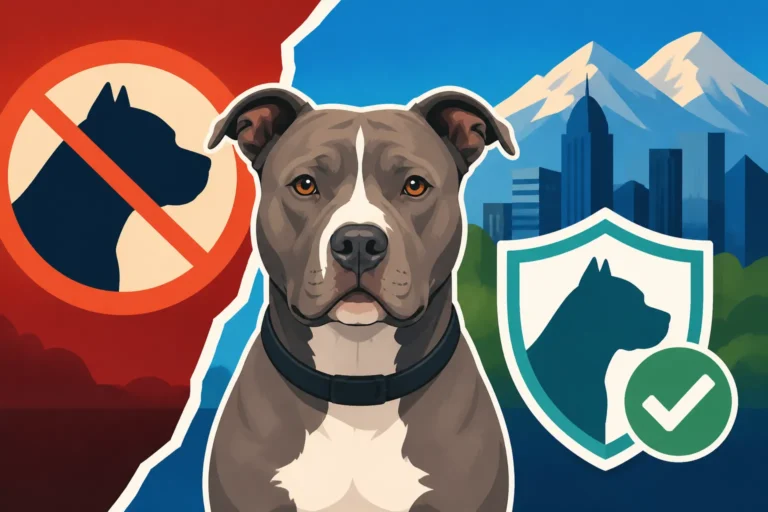
A growing number of states across the U.S. have recognized the discriminatory nature of breed-specific insurance practices and have enacted laws to prevent insurers from denying or charging higher premiums solely based on a dog's breed. These "breed-neutral" laws aim to ensure that a dog's individual behavior, rather than its appearance or breed label, determines its insurance risk.
For example, states like Michigan, New York, Pennsylvania, and California have legislation that restricts insurers from denying coverage based solely on breed. This means that if you live in one of these states, an insurance company cannot refuse to insure your home just because you own a Pit Bull. They must assess your dog on an individual basis, considering factors like its history, training, and temperament.
It's crucial to research the specific laws in your state. A quick search for "[Your State] breed-specific insurance law" can provide valuable information. If your state has such a law, you have strong legal grounds to challenge a denial. You might need to gently remind an insurance agent of the law or even file a complaint with your state's Department of Insurance if you believe you're being unfairly denied. These laws are a testament to ongoing advocacy efforts to protect responsible dog owners from unfair discrimination.
Connecting with Pit Bull Advocacy Groups
You are not alone in this struggle. Numerous national and local Pit Bull advocacy groups are dedicated to promoting responsible ownership, dispelling myths, and fighting against breed-specific legislation and discrimination. These organizations can be invaluable resources for homeowners insurance advice.
Groups like the Pit Bull Rescue Center, Best Friends Animal Society, and local humane societies often maintain lists of insurance companies known to be Pit Bull-friendly. They might also offer legal guidance or connect you with attorneys experienced in animal law. Beyond practical advice, these groups provide a community of support, where owners share strategies and successes in navigating housing, insurance, and public perception challenges. Connecting with these advocates can provide not only practical leads but also emotional support in an often-prejudiced environment. Their work in changing public perception and advocating for fair laws directly benefits owners like you.
Proactive Measures for Long-Term Security
Securing homeowners insurance with a Pit Bull is often just the beginning. Maintaining that coverage and ensuring a smooth experience in the future involves continuous responsible ownership and meticulous documentation.
Documenting Your Pit Bull's Stellar Record
Keeping thorough records of your Pit Bull's life is not just good practice; it's a powerful tool in advocating for your dog and yourself. Imagine having a detailed portfolio ready to present to any potential insurer or landlord. This documentation should include:
- Veterinary Records: Proof of regular check-ups, vaccinations, spay/neuter surgery, and any health screenings. A healthy, well-cared-for dog is less likely to have behavioral issues stemming from pain or discomfort.
- Training Certificates: Copies of all obedience classes attended, from puppy kindergarten to advanced obedience, and especially any certifications like the Canine Good Citizen (CGC) or therapy dog certifications. This is tangible proof of your dog's training and good manners. Documenting a Pit Bull's training record is a powerful way to counter negative stereotypes.
- Microchip and Registration: Proof of microchipping and registration with local authorities. This demonstrates responsible ownership and ensures your dog can be identified if lost.
- Adoption Papers: If you adopted your Pit Bull, adoption papers can sometimes provide insights into their background or breed mix. Occasionally, if a DNA panel worth running on a rescue Pit Bull shows a mixed ancestry that doesn't heavily lean into "Pit Bull," it might offer a different angle for insurance discussions, though this is less common for explicit breed bans.
- Photographs and Videos: Pictures and videos showing your Pit Bull interacting calmly with family, friends, and other pets can subtly reinforce their good nature.
Organize these documents in an easily accessible folder, both physical and digital. This proactive approach allows you to quickly present a compelling case for your Pit Bull's temperament and your commitment as an owner.
Responsible Ownership and Risk Mitigation
Ultimately, the best defense against insurance denials and other breed-related challenges is being an exemplary, responsible Pit Bull owner. This goes beyond just having insurance; it's about a lifestyle of vigilance and care that mitigates risk.
- Consistent Training and Socialization: Continuous training, from puppyhood through adulthood, is crucial. This includes obedience commands, impulse control, and appropriate socialization with various people, places, and (controlled) other animals. Pit Bull Leash Manners and Physical Strength is key for public safety, and Socializing a Pit Bull Puppy Thoroughly sets the foundation for a well-adjusted adult.
- Secure Containment: Ensure your yard is securely fenced, and your dog is always on a leash in public. A strong, reliable leash and harness are non-negotiable for a powerful dog.
- Supervision: Never leave your Pit Bull unsupervised with children or unfamiliar individuals, regardless of how well-behaved you believe them to be. Accidents can happen, and responsible supervision is the best prevention.
- Muzzle Training: While perhaps controversial for some, muzzle training every Pit Bull should have is a highly responsible practice. It's a safety tool, not a sign of an aggressive dog. A dog trained to comfortably wear a muzzle can be safely managed in situations where additional precautions are warranted, such as vet visits, crowded public places, or emergencies.
- Education and Advocacy: Be an ambassador for your breed. Educate friends, family, and strangers about the true nature of Pit Bulls, dispelling myths with facts and demonstrating responsible ownership. Your actions speak volumes.
By consistently practicing these measures, you not only ensure the safety and well-being of your dog and community but also reinforce your image as a highly responsible homeowner, which can indirectly aid in future insurance negotiations.
Disclaimer
This article is for general informational purposes only and does not constitute professional advice. Laws, prices and regulations vary by location and change over time. Consult a qualified professional for guidance on your specific situation.