Pit Bull Hip Repair and What It Runs
Finding out your beloved Pit Bull is struggling with hip pain, especially a condition as serious as hip dysplasia, can be absolutely heartbreaking and financially daunting. You’re not just worried about their comfort and quality of life, but also about the significant costs involved in getting them the best possible care. This guide is here to walk you through what to expect when facing Pit Bull hip repair, from initial diagnostics to long-term recovery, and the realistic costs associated with each step.
Understanding Pit Bull Hip Issues
Pit Bulls are incredibly athletic and robust dogs, known for their strength and muscle. However, like many larger, powerful breeds, they can be predisposed to certain orthopedic conditions, with hip problems being a prominent concern. It's a cruel twist of fate when such an active dog starts to show signs of discomfort in their most crucial joints.
Common Hip Conditions Affecting Pit Bulls
The most common culprit when we talk about hip issues in Pit Bulls is undoubtedly hip dysplasia. This is a genetic condition where the ball and socket joint of the hip doesn't develop properly, leading to looseness (laxity) and eventually, degenerative joint disease or osteoarthritis. It’s not just an "old dog" problem; we often see early signs appearing when a dog is quite young. Other issues can include trauma, though less common as a primary cause of chronic hip pain. It's a tough pill to swallow, knowing it's often something they're born with, rather than something preventable.
You might notice your Pit Bull, usually so full of gusto, starting to hesitate before jumping, struggling to get up after lying down, or even showing a peculiar "bunny hop" gait when they run. These subtle changes can escalate over time, becoming more pronounced and painful for your dog. Understanding Pit Bull Hip Dysplasia Showing at One to Two Years is crucial for early intervention.
Genetic Predisposition and Lifestyle Factors
While hip dysplasia is primarily genetic, it's important to remember that lifestyle factors can influence how and when symptoms appear, and how severe they become. Rapid growth in puppies, excessive weight, and even certain types of intense exercise can exacerbate the underlying genetic predisposition. This isn't to say you did anything wrong, but rather to highlight the complex interplay of factors at play. Proper nutrition, maintaining a lean body weight, and appropriate exercise from puppyhood are vital for any Pit Bull, especially those with a genetic propensity for hip issues. Sometimes, despite doing everything right, these things still happen, and it's absolutely not your fault.
It's also why choosing a reputable breeder who performs health screenings is so important. A good breeder will have clear documentation on the hip health of their breeding stock. You should always ask What Testing a Pit Bull Breeder Should Have Done before committing to a puppy.
Initial Diagnosis and Early Costs
The first step in addressing hip pain is always a thorough veterinary examination. This initial visit is vital for understanding what's truly going on with your Pit Bull's hips, distinguishing between different causes of lameness, and ruling out other issues. It can be a stressful appointment, especially when you're already worried, and the costs start to add up quickly even before a definitive diagnosis.
Veterinary Examination and Consultation Fees
Your vet will conduct a physical examination, feeling your dog's hips, assessing their range of motion, and checking for pain responses. This initial consultation typically runs anywhere from $60 to $150, depending on your location and the specific veterinary clinic. It might seem like a lot for just a "check-up," but it's the foundation for everything that follows. They'll also discuss your Pit Bull's history, asking about when you first noticed symptoms, what makes them worse, and how your dog is generally coping. This is your chance to really explain everything you've observed, no matter how small or insignificant it might seem.
Sometimes, the vet might recommend a trial of anti-inflammatory medication to see if the symptoms improve, which adds a bit more to this initial phase. This approach helps them differentiate between purely inflammatory pain and more structural issues.
Diagnostic Imaging: X-rays and Sedation
To truly understand the condition of your Pit Bull's hips, X-rays are almost always necessary. These images allow the vet to visualize the bone structure, assess the joint laxity, and look for signs of arthritis. Taking good quality X-rays often requires your dog to be sedated, especially a strong, potentially painful Pit Bull who might resist being positioned. Sedation adds to the cost and the complexity, but it's crucial for clear, diagnostic images.
The cost for hip X-rays with sedation can range widely, typically from $200 to $500. This often includes the sedation drugs, the X-ray films or digital imaging, and the vet's time for interpretation. In some cases, your vet might recommend sending the X-rays to a specialist radiologist for an independent review, which can add another $50 to $150. This process is often how dogs are scored for conditions like hip dysplasia, a critical step that helps you understand What an OFA Hip Grade Says About a Pit Bull. Another valuable diagnostic tool, especially for younger dogs, is PennHIP Testing for a Pit Bull, which provides a more objective measure of hip laxity and can be a bit more expensive, often in the range of $300-$600.
Conservative Management: Costs and Considerations
For many Pit Bulls with mild to moderate hip dysplasia or early arthritis, surgical intervention isn't always the first or only option. Conservative management focuses on pain relief, reducing inflammation, and improving joint function without going under the knife. It's often a long-term strategy and requires a dedicated approach from owners.
Pain Management and Anti-Inflammatory Medications
One of the cornerstones of conservative management is pain control. Your vet will likely prescribe Non-Steroidal Anti-Inflammatory Drugs (NSAIDs) to reduce pain and inflammation. Popular choices include Carprofen (Rimadyl), Meloxicam, or Galliprant. These medications can significantly improve your Pit Bull's comfort and mobility, but they come with ongoing costs.
A monthly supply of NSAIDs can range from $30 to $100, depending on your dog's weight and the specific medication. For a muscular Pit Bull, higher doses might be needed, increasing the price. While generally safe, long-term use requires regular blood work to monitor liver and kidney function, adding another $100 to $200 per year in monitoring costs. You also have other options like Gabapentin for nerve pain or Amantadine for chronic pain, which can be added to the regimen, increasing the monthly medication bill further. It's a continuous expense, but seeing your dog more comfortable is priceless.
Supplements, Physical Therapy, and Weight Management
Beyond medication, a holistic approach to conservative care includes joint supplements, physical therapy, and strict weight management. Glucosamine and chondroitin supplements (like Dasuquin or Cosequin) are commonly recommended, as are Omega-3 fatty acids (fish oil), which have anti-inflammatory properties. You can often find quality supplements on sites like Chewy. A good monthly joint supplement might run $20 to $50.
Physical therapy and hydrotherapy can be incredibly beneficial for Pit Bulls with hip issues. These sessions help build muscle support around the joint, improve range of motion, and reduce pain. A single session can cost $50 to $150, and your vet might recommend a series of 6-10 sessions, followed by a maintenance plan. This is where you might also invest in Joint Support for a Heavily Muscled Pit Bull in terms of specialized bedding or ramps.
Finally, maintaining a lean body weight is paramount. Extra pounds put immense stress on already compromised joints. Your vet will guide you on appropriate feeding and exercise plans. This might involve switching to a prescription diet, which can be more expensive than regular kibble, adding $10-$30 to your monthly food bill. Understanding How Weight Multiplies the Load on Pit Bull Joints cannot be overstated. Ollie, a fresh dog food brand, might offer tailored meal plans that help with weight management, though it can be a pricier option than traditional kibble.
Surgical Interventions: The Big Bills
When conservative management isn't enough to manage a Pit Bull's hip pain and maintain their quality of life, surgery becomes the necessary, albeit expensive, next step. These procedures are complex and require specialist veterinary surgeons.
Femoral Head Ostectomy FHO
A Femoral Head Ostectomy, or FHO, is a salvage procedure typically performed on smaller or medium-sized dogs, but can also be an option for larger, athletic dogs like Pit Bulls if other surgeries aren't feasible due to cost or severity of the condition. In this surgery, the head and neck of the femur (thigh bone) are removed. The body then forms a "false joint" of scar tissue, relying on the surrounding muscles to support the leg.
While it sounds drastic, an FHO can significantly reduce pain, especially in dogs with severe arthritis or persistent luxation (dislocation) of the hip. The cost for an FHO can range from $1,200 to $4,000 per hip. This usually includes the surgery itself, anesthesia, hospitalization, and initial post-operative medications. It’s a considerable amount, but generally less than a total hip replacement, making it a more accessible option for some families. Recovery is intensive, requiring dedicated physical therapy to build muscle and function.
Total Hip Replacement THR
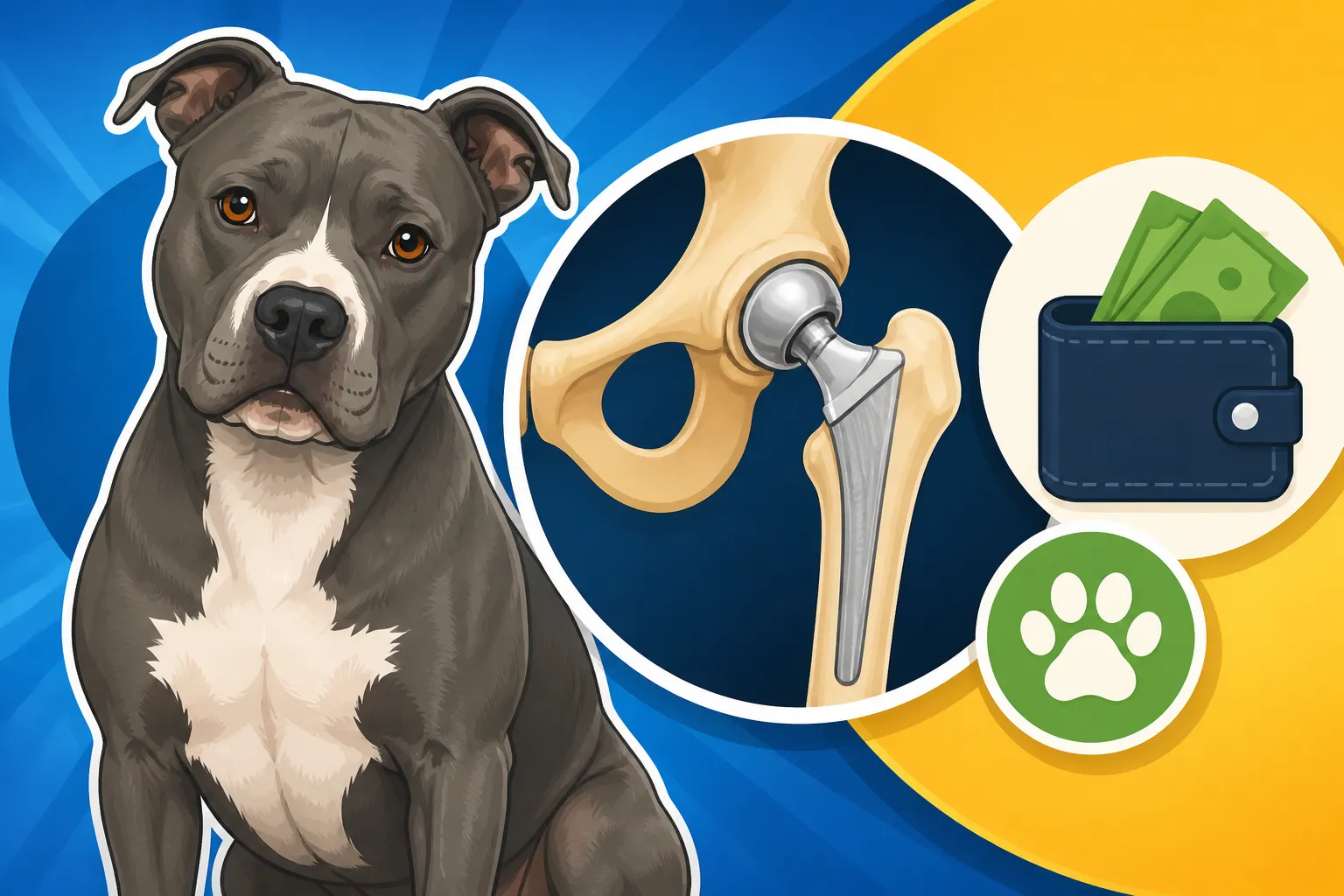
For severe cases of hip dysplasia, particularly in younger, otherwise healthy Pit Bulls with a good prognosis, a Total Hip Replacement (THR) offers the best chance for a pain-free, fully functional hip. This procedure involves replacing both the ball and socket components of the hip joint with artificial implants, similar to human hip replacements.
A THR is a highly specialized surgery, often performed by board-certified orthopedic surgeons. The cost is substantial, ranging from $4,000 to $8,000 per hip, and sometimes even more in urban or specialized centers. If both hips need replacement, the costs effectively double, though sometimes surgeons offer a slight discount for the second hip if done concurrently or in close succession. This price typically covers the surgeon's fees, anesthesia, the implants themselves, extensive hospitalization, and initial pain management. Given the significant investment, owners often investigate options like Whether Pit Bull Insurance Covers Hip Surgery beforehand. For more on this option, read our detailed guide on Hip Replacement in a Muscular Pit Bull.
Triple Pelvic Osteotomy TPO / Juvenile Pubic Symphysiodesis JPS
These procedures are generally performed on younger Pit Bull puppies or adolescents to prevent the progression of hip dysplasia. A Triple Pelvic Osteotomy (TPO) involves cutting the pelvic bone in three places and rotating the segments to improve the coverage of the femoral head by the hip socket, then stabilizing it with plates and screws. This is a big surgery for a young dog, and it's most effective before significant arthritic changes have occurred.
The cost for a TPO can range from $3,000 to $5,000 per hip. It's a proactive approach to save a young dog from a lifetime of pain and more expensive surgeries later on. Juvenile Pubic Symphysiodesis (JPS) is a less invasive procedure performed on puppies as young as 14-20 weeks of age. It involves fusing a part of the pelvis to encourage growth that results in tighter hip joints. The cost for JPS is typically much lower, around $800 to $2,000, making it a more accessible preventive option for very young puppies identified at risk. However, it has a very narrow window of opportunity for efficacy.
Post-Operative Care and Rehabilitation Expenses
The journey doesn't end when the surgery is over; in fact, the recovery phase is just as critical and can be just as costly as the surgery itself. Dedicated post-operative care and rehabilitation are essential for a successful outcome and to ensure your Pit Bull regains as much function as possible.
Initial Recovery and Pain Management at Home
Immediately after surgery, your Pit Bull will likely come home with a strict regimen of pain medications, antibiotics, and possibly anti-inflammatories. These medications are crucial for managing discomfort and preventing infection. You'll need to closely monitor their incision site, restrict their activity, and often help them with basic mobility like getting up to go outside. This initial phase can be exhausting, both emotionally and physically, for owners.
The cost of these immediate post-operative medications can add another $100 to $300 to your bill. You might also need to invest in specialized equipment like a recovery sling, orthopedic dog bed, or even a crate large enough to comfortably confine your Pit Bull while they heal. These items can range from $50 to $200. The dedication required during this time is immense, as too much activity too soon can compromise the surgical repair.
Physical Therapy and Hydrotherapy
Rehabilitation is absolutely non-negotiable for optimal recovery, especially after a major surgery like a THR or FHO. Just like humans, dogs need physical therapy to rebuild muscle strength, improve joint flexibility, and restore proper gait. These sessions are usually done with a certified canine rehabilitation therapist.
A typical rehabilitation program might involve 1-3 sessions per week for several months, gradually decreasing in frequency. Each session can cost $50 to $150. Over a 3-6 month recovery period, this can easily add $1,000 to $3,000 to your overall expenses. Many clinics offer packages, which might be slightly more economical. Hydrotherapy (underwater treadmill) is particularly effective as it allows for exercise with minimal weight-bearing stress on the healing joint. It’s an investment, but it directly impacts the long-term success of the surgery.
Long-Term Management and Follow-up Visits
Even after the intensive rehabilitation period, your Pit Bull will require ongoing care. This includes regular follow-up visits with your vet or orthopedic surgeon to monitor their progress, assess for any complications, and manage any residual pain or developing arthritis. These check-ups often include X-rays to ensure the surgical site is healing correctly and the implants are stable.
Annual or semi-annual check-ups with X-rays can cost $150 to $300 per visit. Many Pit Bulls will also continue to need joint supplements, periodic courses of NSAIDs, or other pain management strategies for the rest of their lives. This constitutes a recurring annual expense of $300 to $800+, depending on the severity of their long-term needs. Remember that Pit Bull Arthritis After the Age of Seven is a common concern even after successful surgery, requiring continued diligence.
Navigating Financial Options for Hip Repair
Facing such substantial costs can feel overwhelming, but there are various financial avenues you can explore to make your Pit Bull's hip repair manageable. You're not alone in this, and many resources exist to help.
Pet Insurance and Coverage Options
Pet insurance can be an absolute lifesaver when unexpected medical bills arise, and especially for costly procedures like hip repair. However, it's crucial to understand how policies work, particularly regarding pre-existing conditions. Most pet insurance companies, including those like Healthy Paws, will not cover conditions that were present before you enrolled your pet or during a waiting period. This means if your Pit Bull already has diagnosed hip dysplasia when you sign up, it likely won't be covered.
However, if you enroll your Pit Bull as a puppy or before any symptoms appear, a good comprehensive policy can cover a significant portion (typically 70-90%) of diagnostic, surgical, and rehabilitation costs for hip dysplasia. Plans vary widely, with monthly premiums for a Pit Bull ranging from $30 to $80, depending on age, location, and coverage level. It's an investment that can pay off exponentially if a major health issue like hip dysplasia strikes. Ensure you understand Pit Bull Pet Insurance and Breed Exclusions when researching policies.
Veterinary Payment Plans and Credit Options
Many veterinary clinics understand the financial strain of major surgeries and offer payment plans directly or through third-party financing options like CareCredit. CareCredit is essentially a credit card specifically for healthcare expenses, often offering deferred interest periods if the balance is paid within a certain timeframe (e.g., 6, 12, or 18 months). This can be a huge help in breaking down a large bill into more manageable monthly payments.
Always talk to your vet's office about their available options. Some clinics have in-house payment plans, especially for long-standing clients, while others partner with external lenders. While these options don't reduce the total cost, they can make it much more feasible to afford the necessary treatment. Understanding Vet Credit for an Unplanned Pit Bull Surgery can be a critical step for many owners.
Fundraising and Financial Aid Organizations
If you're facing a diagnosis and don't have pet insurance or sufficient savings, don't despair. There are numerous organizations and avenues for financial assistance. Online fundraising platforms like GoFundMe or Waggle allow you to share your story and raise money from friends, family, and compassionate strangers. Many breed-specific rescues and general animal welfare organizations also offer grants or financial aid for owners struggling with veterinary costs.
Organizations like The Pet Fund, RedRover, and Frankie's Friends provide financial assistance to owners who cannot afford emergency or critical veterinary care. It takes some research and application time, but these resources can truly make a difference. Don't be afraid to reach out and ask for help; your Pit Bull's health is worth it.
Here's a breakdown of potential costs for Pit Bull Hip Repair:
| Expense Category | Typical Cost Range (per hip) | Notes |
|---|---|---|
| Initial Diagnosis | ||
| Vet Consultation | $60 – $150 | First visit, physical exam |
| X-rays with Sedation | $200 – $500 | Essential for diagnosis, often includes vet interpretation |
| Specialist Radiologist Review | $50 – $150 | Optional, for detailed assessment |
| PennHIP Testing | $300 – $600 | More precise hip laxity measurement for younger dogs |
| Conservative Management | (Monthly/Annual Costs) | |
| NSAID Medication (monthly) | $30 – $100 | Carprofen, Meloxicam, etc. |
| Bloodwork for Monitoring (annual) | $100 – $200 | For long-term NSAID use |
| Joint Supplements (monthly) | $20 – $50 | Glucosamine, Chondroitin, Omega-3s |
| Physical Therapy (per session) | $50 – $150 | Multiple sessions recommended for rehabilitation or long-term management |
| Prescription Diet (monthly) | $10 – $30 (additional) | For weight management or joint support |
| Surgical Options | (Per hip, includes surgery, anesthesia, hospitalization, initial meds) | |
| Femoral Head Ostectomy (FHO) | $1,200 – $4,000 | Salvage procedure, less invasive than THR |
| Total Hip Replacement (THR) | $4,000 – $8,000 | Gold standard for severe dysplasia, high success rate |
| Triple Pelvic Osteotomy (TPO) | $3,000 – $5,000 | Proactive surgery for young dogs before arthritis sets in |
| Juvenile Pubic Symphysiodesis (JPS) | $800 – $2,000 | Minimally invasive, for very young puppies at risk |
| Post-Operative Care | ||
| Post-Op Medications | $100 – $300 | Pain relievers, antibiotics, anti-inflammatories |
| Rehab Sessions (total, 3-6 months) | $1,000 – $3,000+ | Crucial for recovery, multiple physical/hydrotherapy sessions |
| Follow-up Vet Visits/X-rays | $150 – $300 (per visit) | Annual/semi-annual checks |
| Long-term Pain/Joint Management | $300 – $800+ (annual) | Ongoing supplements, occasional medication |
| Pet Insurance (monthly premium) | $30 – $80 | Highly recommended, especially if enrolled before symptoms appear |
This table provides general estimates, and actual costs can vary significantly based on your geographic location, the specific veterinary practice, the surgeon's experience, and the individual needs of your Pit Bull. Always get a detailed estimate from your veterinary team.
Disclaimer
The information provided in this article is for general informational purposes only and does not constitute veterinary advice. Always consult with a qualified veterinarian for any health concerns or before making any decisions about your pet's medical care. Costs are estimates and can vary widely based on location, clinic, and individual circumstances.