Whether a CGC Title Helps a Pit Bull Policy
For Pit Bull owners, the journey to securing homeowners or renters insurance often feels like navigating a maze, where your dog's breed can unfairly shut doors or inflate premiums. It’s a frustrating reality for loving pet parents, who go above and beyond to ensure their dogs are well-behaved, healthy, and a joy to their communities. This comprehensive guide will explore whether achieving a Canine Good Citizen (CGC) title for your Pit Bull can genuinely help in securing or lowering the cost of insurance policies, offering practical insights and detailed advice.
The Uphill Battle for Pit Bull Owners with Insurance
Owning a Pit Bull, or any dog labeled as a "Pit Bull type," can unfortunately come with a unique set of challenges when it comes to housing and insurance. Despite their individual temperaments and excellent training, these dogs are often subjected to blanket restrictions that can feel deeply unfair.
Breed-Specific Restrictions and Why They Exist
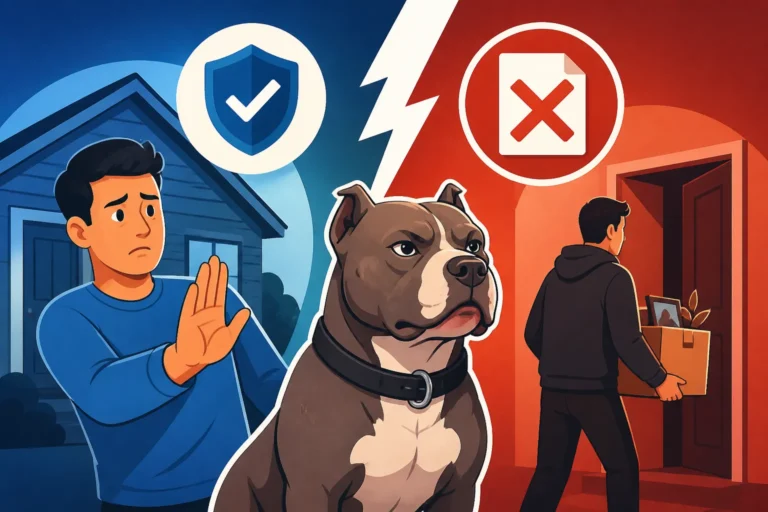
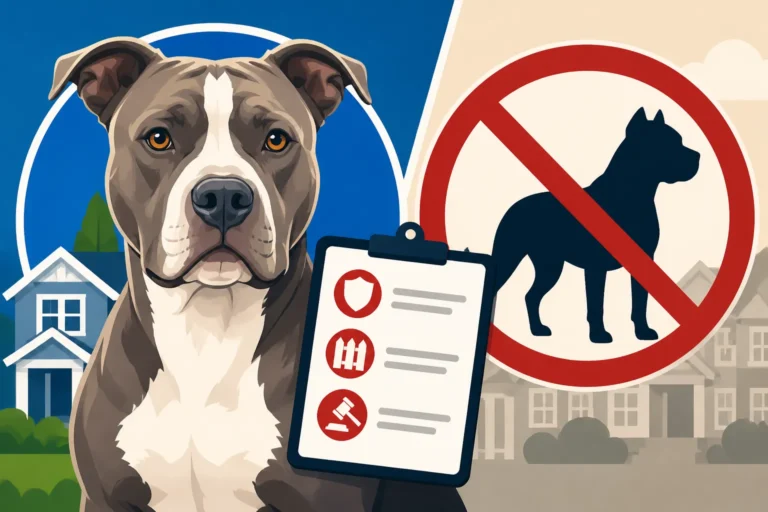
Many insurance companies, particularly those offering homeowners and renters policies, maintain what are known as breed-specific restrictions. These policies often list certain dog breeds, including various "Pit Bull types" such as American Pit Bull Terriers, American Staffordshire Terriers, Staffordshire Bull Terriers, and sometimes even mixes resembling these breeds, as "dangerous" or "high-risk." The rationale behind these restrictions typically stems from historical data, which some insurers interpret as showing a higher incidence of bite claims associated with these breeds. However, this data is often criticized for its methodology, failing to account for factors like misidentification of breeds, lack of distinction between bites and actual injuries, and the sheer popularity of these dogs in the general population and shelters. It's a frustrating situation because your beloved, couch-potato Pit Bull, who wouldn't hurt a fly, gets lumped in with a broad, often inaccurate, stereotype. It doesn't matter how many times you explain that "Pit Bull" is a type, not a single breed, or how docile your specific dog is; many insurance algorithms simply see the label and apply a restriction.
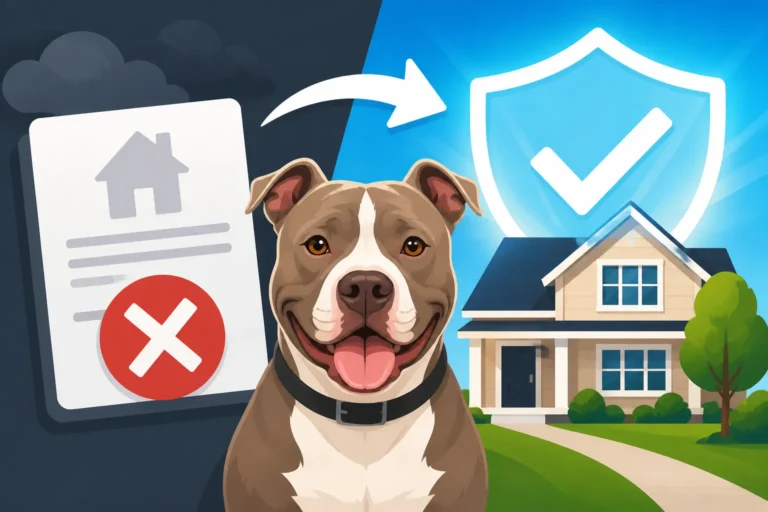
The impact of these restrictions is significant. For some, it means being outright denied coverage by certain companies, forcing them to seek out specialty insurers or go without vital liability protection. For others, it translates into substantially higher premiums, sometimes hundreds of dollars more per year, simply because of their dog's perceived breed. This isn't just about paying more; it’s about feeling penalized for choosing to love a dog that is often misunderstood. Finding an insurer that doesn't discriminate can be a real struggle. If you've ever had the disheartening experience of being denied coverage or quoted exorbitant rates, you know this struggle intimately. It leads many to ask, "Is there anything I can do to prove my dog is a good citizen?" This is where the Canine Good Citizen title often comes into the conversation.
The Financial Burden of Breed Discrimination
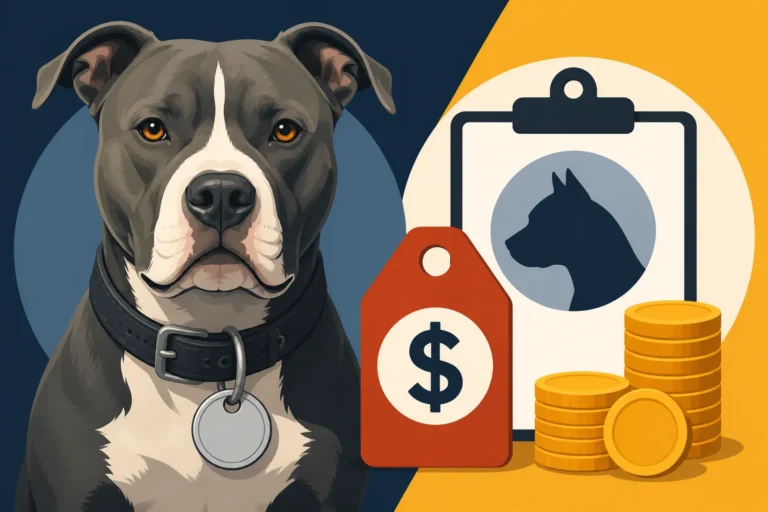
The financial implications of these breed-specific policies extend beyond just increased premiums or the need to find specialized coverage. It can affect your ability to get Homeowners Carriers That Refuse Pit Bulls altogether, or force you to switch providers, potentially losing out on multi-policy discounts or loyalty benefits. Imagine you've been with the same insurance carrier for years, bundling your auto and home insurance for a great rate. Then you adopt a Pit Bull, and suddenly you're informed that your homeowners policy will be cancelled or will no longer cover dog-related incidents. This can send you scrambling, trying to find new coverage under pressure, which is stressful and often more expensive.
Furthermore, if an incident were to occur, and your insurer had a breed restriction, you might find yourself without the liability coverage you thought you had. This could leave you personally responsible for significant medical bills or legal fees. It's a huge financial risk that no pet owner wants to face. This situation isn't just a hypothetical; it's a very real concern for many Pit Bull owners. Some states have taken action to prevent this kind of breed discrimination in insurance, recognizing the unfairness of it. States like Michigan, Pennsylvania, and New York, for example, have laws that prohibit insurers from denying or charging higher rates based solely on a dog's breed. However, these laws aren't universal, and even where they exist, sometimes insurers still try to find loopholes or increase rates for other reasons. This patchwork of regulations means that what might be acceptable in one state is a complete no-go in another, adding another layer of complexity for Pit Bull parents.
Understanding the Canine Good Citizen Program
Given the challenges, many Pit Bull owners look for ways to proactively demonstrate their dog's excellent temperament and training. The Canine Good Citizen (CGC) program is often championed as a tangible way to do just that.
What the CGC Title Actually Represents
The Canine Good Citizen program, established by the American Kennel Club (AKC), is a certification program designed to reward dogs who have good manners at home and in the community. It's not about complex tricks or agility; it's about responsible dog ownership and basic obedience. To earn a CGC title, a dog must pass a 10-step test, demonstrating fundamental skills and a calm demeanor in various real-world scenarios. These steps include:
- Accepting a friendly stranger: Your dog should allow a stranger to approach and speak to you in a natural, friendly manner, without showing shyness or aggression.
- Sitting politely for petting: Your dog should allow a stranger to pet them gently while sitting, without jumping up or shying away.
- Appearance and grooming: The evaluator will check your dog over, simulating a brief grooming session, showing that your dog is comfortable with being handled.
- Out for a walk (loose leash walking): Your dog must walk on a loose leash, showing control and responding to directional changes.
- Walking through a crowd: Your dog should be able to walk politely through a small group of people without jumping or exhibiting undue shyness.
- Sit and down on command/staying in place: Your dog must respond to basic commands and hold a stay for a short period.
- Coming when called (recall): Your dog must come reliably when called from a short distance.
- Reaction to another dog: Your dog should be able to remain calm and well-mannered when encountering another dog and handler.
- Reaction to distraction: Your dog must show confidence and resilience when faced with common distractions, like a dropped object or sudden noise.
- Supervised separation: Your dog must remain calm and unconcerned when you leave their sight for three minutes with the evaluator holding the leash.
Each step is designed to demonstrate that your dog is a reliable and well-behaved member of society. It clearly signals that the dog has been trained, socialized, and is under the owner's control. It speaks volumes about the owner's dedication to responsible pet ownership. For breeds that face public prejudice, this kind of verifiable training can be incredibly important. It's also a great foundation for further training, like therapy dog work or advanced obedience titles. You can find many resources, including trainers and books, to help prepare for Canine Good Citizen Testing With a Pit Bull.
The Value of a Well-Trained Pit Bull
For a Pit Bull, achieving a CGC title carries an extra layer of significance. Because these dogs often contend with negative stereotypes, an official certification of good behavior can be a powerful counter-narrative. It offers concrete evidence that your dog is not just "good at home" but can demonstrate excellent manners in public, around strangers, and other dogs. This isn't just about your dog's personal achievements; it's about advocating for the breed as a whole. Every Pit Bull that earns a CGC title helps chip away at the misconceptions that lead to breed discrimination.
Think about it from an outsider's perspective. They might carry preconceived notions about Pit Bulls. But seeing a Pit Bull calmly perform the CGC test, greeting strangers politely, walking nicely on a leash, and ignoring distractions, can genuinely change hearts and minds. It shows the dog's true potential and the positive impact of responsible ownership. This emphasis on training is critical for any dog, but especially for strong, athletic breeds like Pit Bulls, where proper Pit Bull Leash Manners and Physical Strength are paramount for public safety and comfort. Investing in good training, often with the help of high-quality treats found at retailers like Chewy, strengthens the bond with your dog and sets them up for success.
Does a CGC Title Directly Impact Insurance Policies?
Now, for the million-dollar question: does all this effort in earning a CGC title actually translate into tangible benefits for your insurance policy? The answer, unfortunately, is "it depends," but there's definitely hope and strategic advantages.
The Reality: Varies by Insurer and State Law
The impact of a CGC title on your insurance policy is not universal. Some forward-thinking insurance carriers do recognize the value of responsible ownership and training certifications like the CGC. They understand that a well-trained dog, regardless of breed, is generally a lower risk. These insurers may offer:
- Discounts on premiums: A direct reduction in your monthly or annual insurance cost.
- Waivers of breed restrictions: They might agree to cover your Pit Bull, even if they usually have breed exclusions, because of the CGC certification.
- Increased liability limits: Some might allow you to increase your liability coverage, providing greater peace of mind.
However, many other insurance companies, especially larger, more traditional ones, still operate under strict breed-specific guidelines that don't take individual training into account. For them, a Pit Bull is a Pit Bull, and a CGC title won't change their policy. This can be incredibly frustrating. It means you might go through all the work of training your dog, only to be met with the same old denials or inflated rates.
The role of state law is also crucial here. As mentioned, some states have enacted legislation that prohibits insurance companies from discriminating based on a dog's breed. In these states, a CGC title might be less about getting coverage (which you should already be able to get) and more about potentially securing a discount or simply showcasing your dog's exemplary behavior without prejudice. For instance, in states like Maryland, insurers cannot cancel or refuse to renew a homeowners policy based solely on the breed of dog. Knowing your state's laws regarding States That Bar Insurers From Refusing a Pit Bull can empower you when speaking with insurance agents. Always check the specific laws in your area, as they are subject to change and interpretation.
How a CGC Can Indirectly Help
Even if a CGC title doesn't lead to a direct discount or immediate policy change, it offers significant indirect benefits, especially when dealing with the nuanced world of insurance and public perception.
Firstly, a CGC demonstrates responsible ownership beyond a shadow of a doubt. When you approach an insurance agent, armed with a CGC certificate, a letter from your trainer, and perhaps even glowing references, you're presenting a strong case that you are a proactive and conscientious pet parent. This might sway an agent who has some discretion, or at least open a dialogue that wouldn't have happened otherwise. It shows you've invested time, effort, and resources into making your dog a good community member. This commitment to training is an important part of a dog's What a Pit Bull Costs Across Its Whole Life, encompassing everything from food to vet care to behavioral enrichment.
Secondly, it provides a documented training record. Should an incident ever occur (and we hope it never does!), having a CGC title and an established history of positive training can be invaluable. It can serve as evidence that you took all reasonable steps to ensure your dog was well-behaved and managed. This could potentially mitigate consequences or provide a stronger defense in legal proceedings. It speaks to your due diligence as an owner.
Thirdly, it can open doors to certain niche insurers or specialty programs. While large national carriers might be rigid, some smaller, regional insurance providers or specialty pet liability insurers might be more flexible. They may be willing to underwrite a policy for a Pit Bull with a CGC, recognizing that the training significantly reduces risk. It’s worth exploring these options. For example, some pet insurance providers, like Healthy Paws, focus on comprehensive health coverage for your pet, and while they don't directly handle homeowners liability, their existence signals a segment of the industry that values pets and responsible care, even if it's not directly transferable. This mindset of investing in your pet's well-being can be an attractive trait to some insurers looking for responsible owners.
Here's a simplified look at how different insurance company types might view a CGC title for a Pit Bull:
| Insurance Company Type | Breed Restrictions | CGC Title Impact | Notes |
|---|---|---|---|
| Large National Carrier | Strict | Minimal/None (unless state law prohibits) | Often driven by broad actuarial data; less room for individual consideration. May still decline or exclude. |
| Regional/Smaller Insurer | Moderate/Flexible | Potentially positive (discounts, waivers) | May have more local discretion, willing to consider individual dog's training. More likely to offer some benefit. |
| Specialty Pet Liability | Often Minimal | Highly positive (core to acceptance) | These insurers specialize in dog liability; a CGC is often a strong positive factor, sometimes even a requirement, for higher risk breeds. |
| State-Regulated (No BSL) | Prohibited | Indirect (demonstrates responsibility, potential discount) | In states where breed discrimination is illegal, the CGC reinforces responsible ownership and may lead to discounts rather than simply securing coverage. |
Steps to Leveraging Your Pit Bull's CGC for Insurance
So, you've decided to get your Pit Bull CGC certified, or perhaps they already have the title. What's next for using it to your advantage with insurance?
Gathering Documentation and Shopping Around
The first step is to compile a thorough dossier for your dog. This should include:
- Your dog's official CGC certificate: This is your primary piece of evidence.
- Letters of recommendation from your trainer: A letter from a certified professional dog trainer attesting to your dog's temperament, training, and good behavior can carry significant weight.
- Veterinarian records: Up-to-date vet records showing regular check-ups, vaccinations, and a clean bill of health demonstrate overall responsible pet care.
- Any other training certificates: If your dog has gone beyond CGC to earn titles in obedience, agility, or therapy work, include those as well.
- Proof of spay/neuter: Many insurers look favorably upon spayed or neutered animals.
- Microchip registration: This shows an extra layer of responsible ownership.
Once you have all your documentation, it's time to actively shop around for insurance. Don't just settle for your current provider if they're giving you a hard time. Reach out to multiple insurance companies, both national and local. When you call, be upfront about your dog's breed and immediately mention the CGC title. Ask specific questions: "Do you have breed restrictions for Pit Bulls? If so, does a Canine Good Citizen certification or other advanced training modify those restrictions?" Be persistent, but polite. You might be surprised by which companies are more flexible. Some brokers specialize in finding coverage for "high-risk" properties or pet owners, and they can be invaluable resources. Remember, your ultimate goal is to find an insurer who genuinely understands responsible dog ownership, not just one who tolerates your dog. You want a policy that provides genuine Getting Liability Cover With a Pit Bull.
Advocating for Your Dog
When speaking with insurance agents, you become your Pit Bull's primary advocate. It's not enough to just state your dog has a CGC; you need to eloquently explain why that matters. Emphasize that the CGC isn't just a piece of paper; it represents a dedicated commitment to training and socialization. Explain what the test entails, highlighting how it demonstrates your dog's calm demeanor around strangers, other dogs, and distractions. You can even offer to have the agent meet your dog, under controlled conditions, to see their behavior firsthand (though not all agents will take you up on this).
Highlight any other positive aspects of your dog's life:
- Regular exercise: A well-exercised dog is a happy and often calmer dog.
- Quality nutrition: Brands like Ollie provide fresh, balanced meals that contribute to overall health and well-being, which can reflect positively on responsible care.
- Ongoing training: Emphasize that training is an ongoing process, not a one-time event. This commitment shows that you're continually working to maintain your dog's good manners and temperament.
It's also important to be aware of your rights. If you live in a state with laws against breed-specific insurance discrimination, politely remind the agent of these regulations if they seem hesitant. Document every conversation: who you spoke with, when, and what was discussed. If you're denied or face unfairly high rates, ask for the reason in writing. This paper trail can be helpful if you need to appeal a decision or pursue further action. Every interaction is an opportunity to educate and advocate for your loyal companion, ensuring they get The Manners a Pit Bull Needs in Public which are recognized and appreciated. Being prepared to explain Whether a CGC Title Changes Pit Bull Reactions to an insurer is a critical part of this advocacy.
Ultimately, while a CGC title isn't a magic wand that instantly solves all insurance woes for Pit Bull owners, it is an incredibly powerful tool. It's a testament to your dedication, your dog's good nature, and a strong piece of evidence in your ongoing advocacy for your beloved companion. It might just be the differentiator that helps you secure the coverage you need and deserve.
Disclaimer
Please note that this article provides general information and recommendations. Insurance policies and state laws regarding breed discrimination are subject to change and vary significantly by location and insurer. Always consult with a qualified insurance professional and legal expert to understand the specific policies and regulations that apply to your situation.